You have not yet added any article to your bookmarks!
Join 10k+ people to get notified about new posts, news and tips.
Do not worry we don't spam!
Post by : Saif Rahman
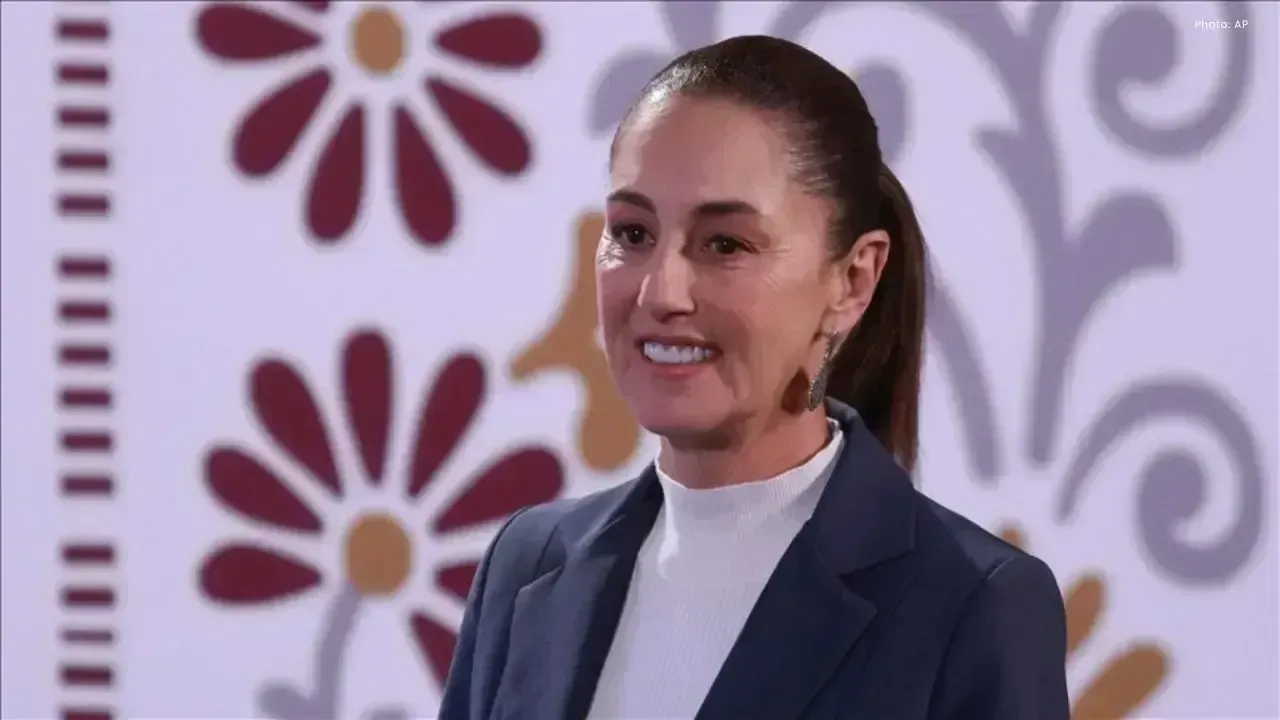
The government of Mexico has firmly defended its recent decision to extradite cartel members to the United States, asserting that it was made independently and for the nation's own security. President Claudia Sheinbaum emphasized that the transfer of 37 cartel suspects was a “sovereign decision,” denying any claims of pressure from the U.S. government.
This move followed a request from the U.S. Justice Department, yet Sheinbaum reiterated that the ultimate choice lay with Mexico's National Security Council. Officials believe the decision serves the country’s interests, positioning national safety above foreign demands.
The timing of this decision is critical, given the current dynamics between Mexico and the U.S. Under President Donald Trump, there has been a stern approach towards drug cartels, raising alarms in Mexico regarding U.S. interference and the safeguarding of national sovereignty.
Domestic critics claimed the extraditions signaled succumbing to U.S. pressure, a notion that Sheinbaum rebuffed. She maintained that Mexico acted with autonomy, opting for a strategy perceived as beneficial for local security while emphasizing that collaboration does not equate to yielding sovereignty.
Security Minister Omar García Harfuch described the individuals transferred as “high impact criminals” whose activities threatened the safety of Mexico. Allegations surround these suspects' ties to influential groups like the Jalisco New Generation Cartel and the Sinaloa Cartel, both categorized as terrorist organizations by the U.S. due to their violent conduct and expansive drug networks.
This isn't the first time Mexico has sent cartel leaders to the U.S.; 92 suspects have faced extradition in the past year alone. Reports indicate that some cartel leaders continued to orchestrate operations from within Mexican jails, and concerns over potential court rulings leading to their release made extradition a prudent course of action.
U.S. officials have praised the extradition, with Attorney General Pam Bondi labeling it a significant achievement in the war against drug cartels. The Justice Department noted that such cooperation is mutually beneficial and aids in the pursuit of justice. At least one suspect from this week’s transfers is already facing charges in the U.S. for drug trafficking and firearms offenses.
Observers suggest that Mexico might utilize these extraditions to ease tensions with the Trump administration while sidestepping direct confrontations. Recent U.S. military actions in Latin America, like those in Venezuela, have prompted leaders in the region to be more cautious regarding potential interventions.
Simultaneously, Sheinbaum aims to project domestic strength. By asserting the sovereignty of her decision, she seeks to comfort the Mexican populace about their nation’s independence from external forces. Her approach highlights the intricate dance of fostering cooperation with a powerful neighbor while ensuring national pride remains intact.
This episode underscores the tangled relationship between Mexico and the U.S., where issues of crime, drugs, and security are deeply intertwined yet often contentious. Mexico’s recent actions reflect the tough choices governments face in ensuring the welfare of their citizens while navigating external pressures.




George Russell Wins Dutch GP Sprint, Boosts Mercedes Morale
George Russell wins the Dutch GP Sprint from pole as Mercedes teammate Kimi Antonelli extends his F1

Australia 50/3 After Bangladesh Bowled Out for 64 in Second Test
Australia reached 50/3 after Bangladesh were bowled out for 64 in the second Test, with Mitchell Sta

Jordan Burroughs Returns to Wrestling with 2028 Olympic Dream
Jordan Burroughs returns to wrestling with Real American Freestyle as the Olympic champion eyes a po

Lamborghini Catches Fire on Singapore's ECP, Causing Heavy Traffic
A Lamborghini caught fire on Singapore's ECP, causing heavy traffic and bus delays. No injuries were
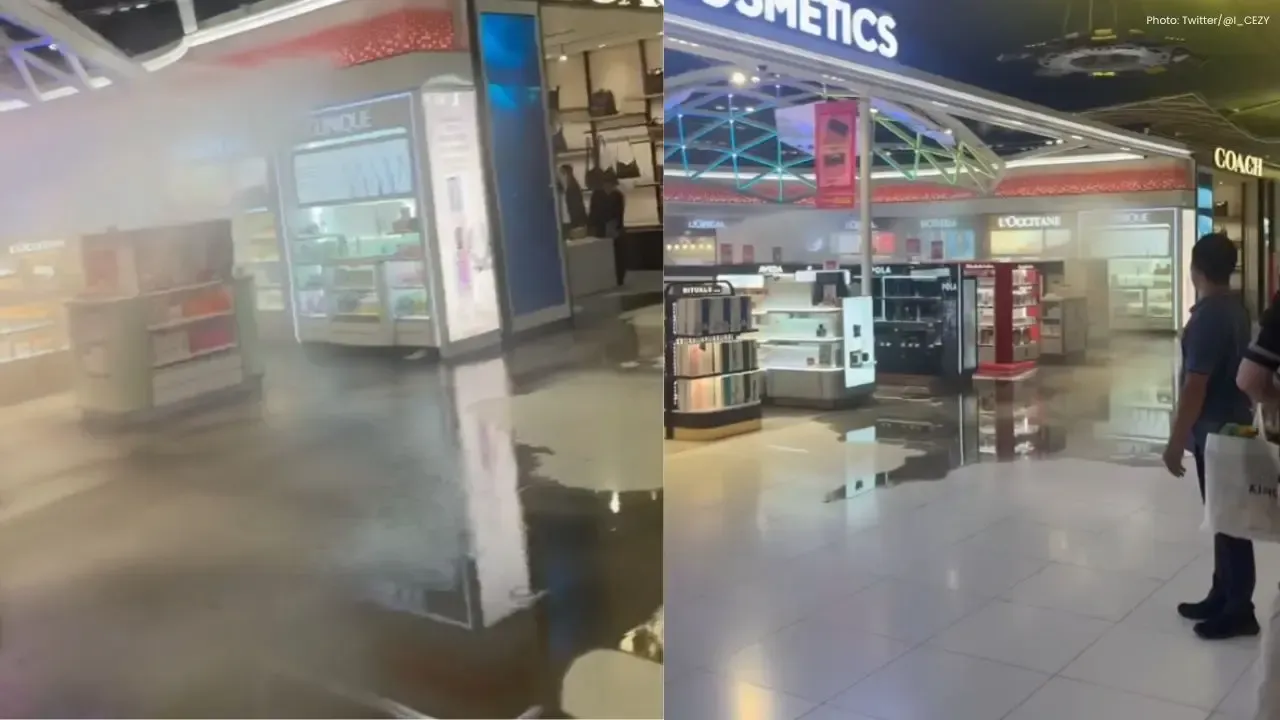
Bangkok Airport Duty-Free Area Flooded by Pipe Burst
A burst water pipe flooded the duty-free shopping area at Bangkok's Suvarnabhumi Airport on July 16,
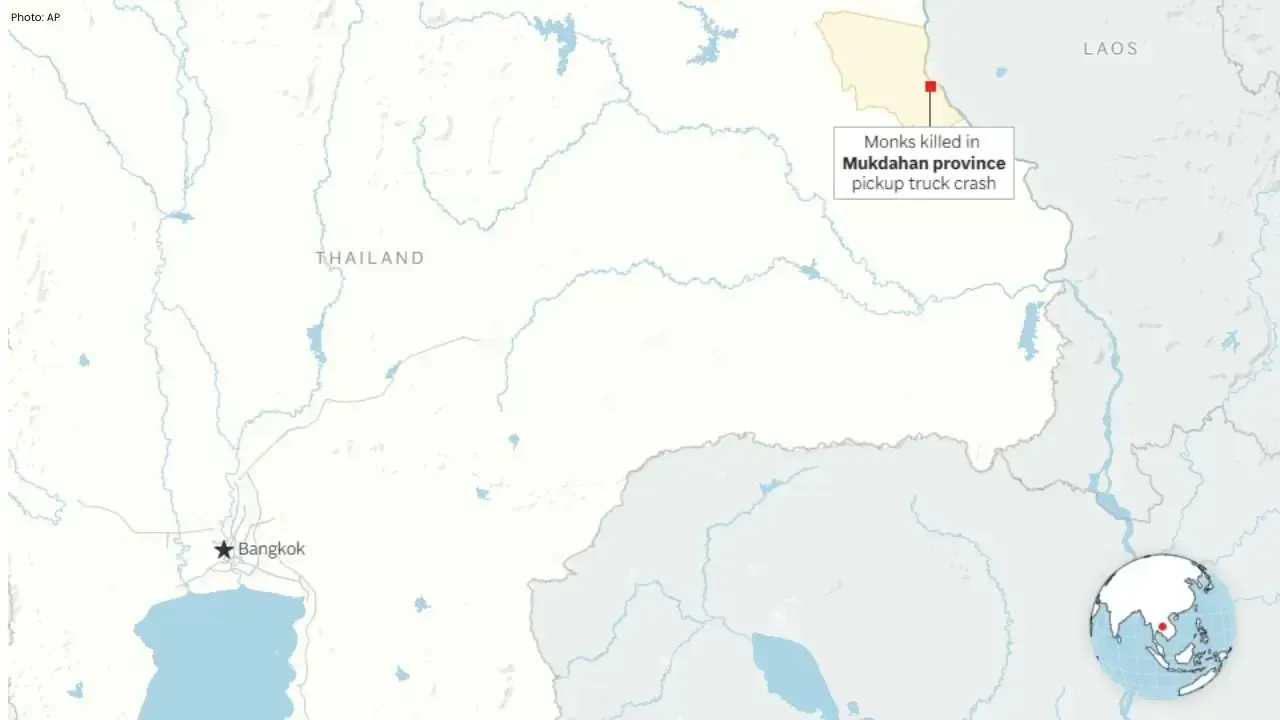
Nine Monks Killed in Thailand Pickup Truck Tragedy
An 11-year-old boy driving a pickup truck crashed into monks during a pilgrimage in northeastern Tha