You have not yet added any article to your bookmarks!
Join 10k+ people to get notified about new posts, news and tips.
Do not worry we don't spam!
Post by : Saif Rahman
Dental implants are highly regarded as a premier solution for individuals who have lost teeth. They mimic natural teeth in appearance and comfort, enabling patients to smile confidently. A frequently asked question surfaces: what is the lifespan of dental implants? Dr. Nitesh Motwani, an oral and maxillofacial surgeon based in Mumbai, provided detailed insights on this topic and the essential measures needed for their longevity.
According to Dr. Motwani, dental implants stand out as some of the most durable and dependable treatments available in modern dentistry. When positioned correctly and maintained properly, optimal lifespan can range from 15 to 20 years, and frequently these implants endure throughout a patient’s lifetime. Factors such as proficient technique, robust bone support, and diligent aftercare are crucial. Many patients cherish their implants for numerous decades without complications.
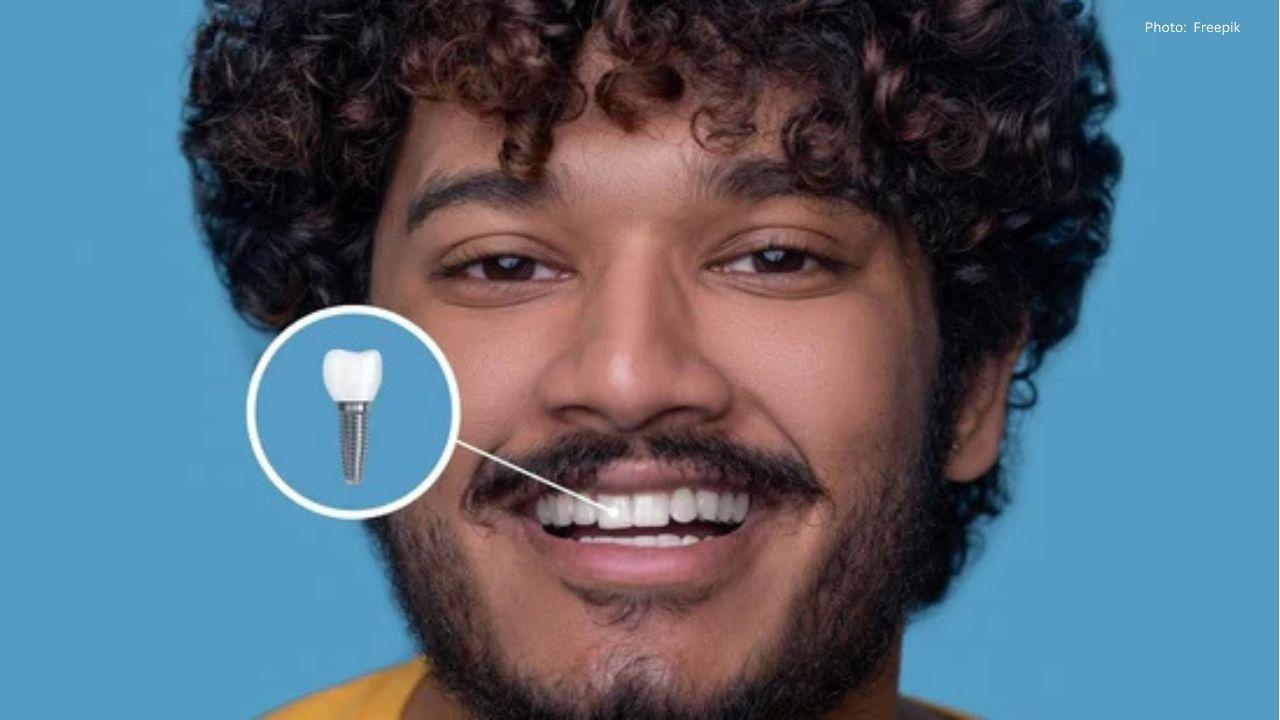
Dr. Motwani elaborated on the structure of dental implants, consisting of two primary components: the implant fixture, which serves as the artificial root embedded within the jawbone, and the crown or bridge, which is the visible tooth part. The fixture is typically crafted from materials like titanium or zirconia, which naturally adhere to the jawbone in a process known as osteointegration. Following this integration, the implant achieves stability and typically remains intact, unless disturbed by infection, bone loss, or physical impact. Studies indicate that 90 to 95 percent of implants endure even after two decades.
Conversely, the crown or bridge, subjected to constant wear and tear from chewing and temperature variations, generally has a shorter lifespan of around 10 to 15 years. Individuals who frequently grind their teeth or engage with hard objects might find themselves needing to replace the crown more often.
Dr. Motwani identified five critical elements that can diminish the lifespan of dental implants. Inadequate oral hygiene may result in gum infections around the implant, potentially causing bone deterioration. Smoking also hampers healing and heightens the risk of failure. Certain health issues, such as uncontrolled diabetes and osteoporosis, can influence implant success as well. Furthermore, substantial grinding or an uneven bite may exert pressure that destabilizes the implant. Lastly, the experience and planning of the surgeon are paramount for achieving optimal outcomes.
To aid patients in safeguarding their implants, Dr. Motwani recommended simple yet effective daily habits. Brushing twice daily, along with cleaning around the implant using interdental brushes or floss, is meritorious. Moreover, utilizing an alcohol-free mouthwash might be beneficial as advised. Consistent dental examinations—ideally twice annually—are vital for early detection of potential issues and professional cleaning in harder-to-reach areas.
For those who grind their teeth at night, wearing a night guard is advisable to alleviate stress on the implant. Steering clear of damaging habits like chewing ice, biting pens, or employing teeth as tools will also mitigate risks. Keeping any underlying health conditions under control is crucial, as overall health directly correlates with healing and implant integrity. Dr. Motwani further advocated for reducing or quitting smoking to enhance bone health and recommended a nutritious diet enriched with calcium, vitamin D, protein, and omega-3 fatty acids to sustain strong bone and gum health.
Dr. Motwani cautioned that early indicators of complications should not be overlooked. Symptoms such as bleeding while brushing, swelling, sensitivity, a loose crown, persistent bad breath, or alterations in bite require immediate dental consultation. Taking prompt action can prevent minor infections from escalating into serious concerns.
In his closing remarks, Dr. Motwani emphasized the importance of collaboration between the dentist and the patient. With appropriate care, discipline, and regular follow-ups, dental implants can remain secure, stable, and aesthetically pleasing for many years to come. They represent a valuable investment in long-term oral health, and diligent care ensures their role as a steadfast component of one’s smile.










Josh Kerr and Jakob Ingebrigtsen Set for 1,500m Rivalry Rematch
Josh Kerr and Jakob Ingebrigtsen will renew their 1,500m rivalry at the Ultimate Championship in Bud

PSG Coach Luis Enrique Urges Players to Step Outside Comfort Zone
PSG coach Luis Enrique says players must leave their comfort zone and keep improving as the club tar

China’s Tiangong Sets New 400m Record at Robot Olympics
China’s Tiangong robot sets a new 400m record at the Robot Olympics, beating a South African robot i

George Russell Wins Dutch GP Sprint, Boosts Mercedes Morale
George Russell wins the Dutch GP Sprint from pole as Mercedes teammate Kimi Antonelli extends his F1

Australia 50/3 After Bangladesh Bowled Out for 64 in Second Test
Australia reached 50/3 after Bangladesh were bowled out for 64 in the second Test, with Mitchell Sta

Jordan Burroughs Returns to Wrestling with 2028 Olympic Dream
Jordan Burroughs returns to wrestling with Real American Freestyle as the Olympic champion eyes a po