You have not yet added any article to your bookmarks!
Join 10k+ people to get notified about new posts, news and tips.
Do not worry we don't spam!
Post by : Samjeet Ariff
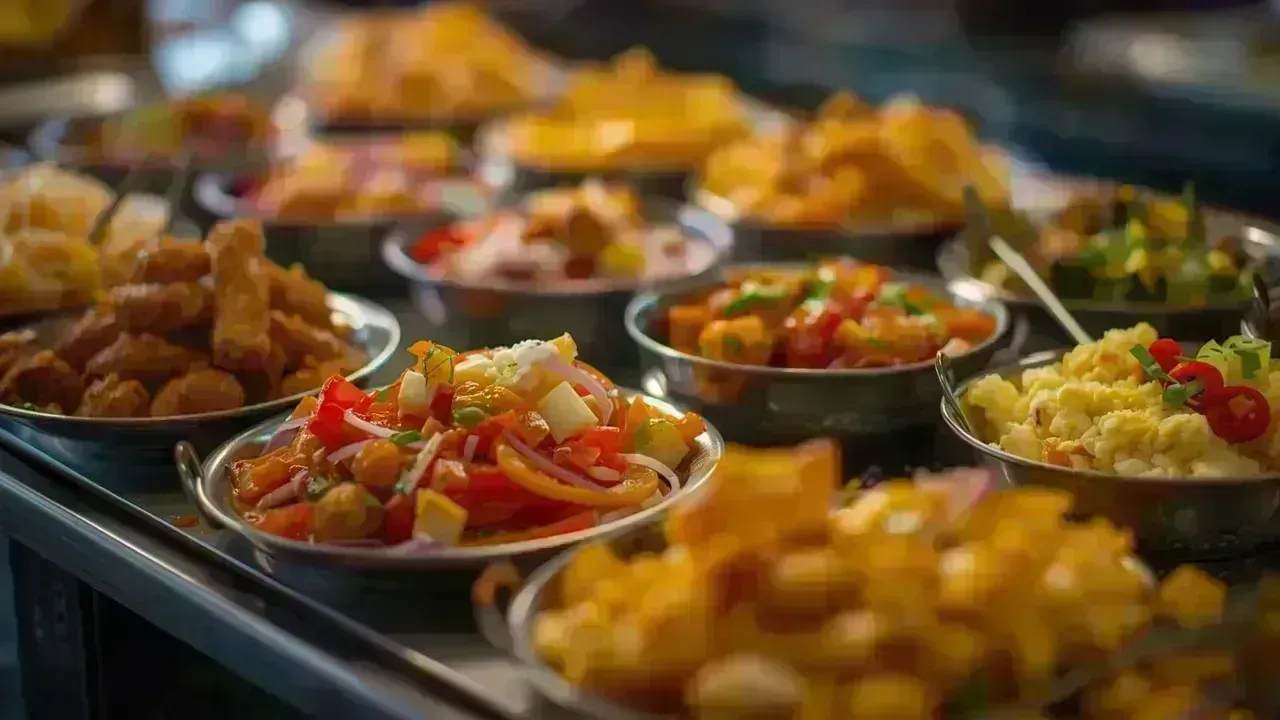
Street food in India is more than just a snack; it is about immersing oneself in culture, history, and local experiences. Before embarking on their travels to India, tourists worldwide explore various street foods to discover essential tastes, regional variations, and the charm of Indian culinary culture. From spicy fare enjoyed at busy junctions to delightful sweets found in narrow lanes, Indian street food encapsulates the nation’s diversity more vividly than any guidebook.
In this overview, we delve into the most popular and sought-after Indian street foods, the reasons behind their allure, and what newcomers can anticipate while savoring them.
Indian street food captivates because it merges rich flavors, low prices, freshness, and a sense of place. Unlike dishes served in restaurants, street food has a strong local flavor. Recipes are often handed down through generations, prepared right before customers' eyes, and tailored to regional preferences.
Tourists are particularly fascinated by:
An abundance of vegetarian selections
Exhilarating spice mixtures and chutneys
On-site cooking and personal spice adjustments
Rich cultural narratives surrounding each dish
Street food provides a genuine connection to India that upscale dining cannot match.
Pani Puri, or alternatively known as Golgappa or Puchka depending on the locale, is often the first street food that piques tourists’ interest online.
This dish features crunchy hollow puris filled with spiced mashed potatoes, chickpeas, tangy tamarind water, and minty spicy water. The joy lies in consuming it whole, as sweet, sour, spicy, and crunchy sensations burst together.
A distinctive way of eating
A remarkable combination of flavors
Adjustable spice levels
Pani Puri exemplifies India’s affinity for harmonized culinary contrasts.
Often termed the Indian burger, Vada Pav is closely linked to the vibrant city of Mumbai.
A spicy potato fritter is tucked inside a soft bun, complemented with dry garlic chutney and green chili. It’s simple, fulfilling, and bursting with flavor.
Inexpensive and satisfying
Comforting vegetarian choice
Reflects the bustling life of Mumbai
Vada Pav illustrates how street food evolves with urban culture.
“Chaat” encompasses a variety of street foods.
Aloo Tikki Chaat
Papdi Chaat
Dahi Puri
Sev Puri
Chaat combines yogurt, chutneys, spices, crisp bases, and fresh herbs. Each region boasts its unique take, and tourists are captivated by how the same ingredients can provide different tastes in various locales.
Chaat emphasizes flavor complexities rather than just spiciness.
South Indian street fare garners attention due to its light texture and fermented ingredients.
A delicate, golden rice-and-lentil crepe typically served with coconut chutney and sambar.
Soft rice cakes that are steamed and served with chutney and sambar.
Easy to digest
Vegetarian by nature
Mild yet flavor-packed
These dishes provide a glimpse into Indian cuisine beyond heavy curries.
Pav Bhaji is a photo-worthy classic in the realm of Indian street cuisine.
A rich vegetable mash cooked in butter with various spices, served alongside buttery bread rolls.
Aromatically rich
Visually appealing
Spice levels can be tailored
This dish epitomizes comfort food in India.
Samosas may be recognized globally, yet tourists yearn for genuine Indian samosas.
Flavorful potato filling
Crisp outer texture
Regional variations that may include peas, lentils, or meat
Tourists are eager to savor the authentic version that spawned worldwide adaptations.
Wrap-based street offerings are favored by travelers looking for handheld meals.
Flatbreads filled with spices and ingredients such as paneer, vegetables, eggs, or chicken.
Easy to carry
Less mess involved
Offers a balanced meal
These rolls are perfect for adventurers navigating bustling street markets.
This dish is a common search term among tourists keen on exploring Northern India.
Spicy chickpea curry served alongside deep-fried bread.
Indulgent, robust flavors
Prominent spice profile
A popular breakfast to lunch dish
It highlights the vibrant food culture of North India.
Often searched by individuals visiting cultural heritage sites.
Flaky, deep-fried textures
Spiced lentil fillings
Typically enjoyed with tangy curries
These treats showcase traditional Indian breakfast offerings.
Stemming from Tibetan and Nepali cuisine, momos have evolved into a nationwide street food sensation.
Familiar dumpling format
Available in steamed, fried, or spicy variations
Served with tangy chutneys
Momos embody India’s dynamic street food evolution.
Sweet street foods draw considerable interest for their distinctive textures.
Deep-fried spirals drenched in sugary syrup.
Crisp on the outside, syrupy in the middle
Vibrant presentation
Often enjoyed warm
Indian confections provide a delightful counterpoint to spicier fare.
Kulfi is frequently sought after as “Indian ice cream.”
Denser than the typical ice cream
Crafted using slowly cooked milk
Infused with flavors like pistachio, saffron, or mango
Tourists appreciate its rich, natural taste.
While many travelers might initially know only popular items, they later encounter:
Litti Chokha from Bihar
Poha from Central India
Misal Pav from Maharashtra
Appam from Kerala
These newfound delicacies often transform into unexpected favorites.
Tourists frequently research food safety and hygiene.
High customer turnover
Prepared fresh
Use of sanitized utensils
Popular street vendors
Street food safety is highest where locals gather frequently.
Street food fosters a social atmosphere.
Engaging with vendors
Observing culinary preparation
Sharing meals with locals
For travelers, it leaves a lasting memory, not merely a meal.
Street food serves as one of India’s most vibrant cultural representatives. Affordable, inclusive, and expressive, each dish narrates a history of migration, geography, and adaptation.
Indian street food is less about achieving perfection and more about culinary enjoyment, emotion, and authenticity. Adventurous tourists who embrace it with eagerness often depart with richer insights into India than any landmark can impart.
Sampling street food in India is not just an option—it’s a necessity.
This article is intended solely for informational purposes. Ingredients, preparation methods, and hygiene practices for street food can vary by vendor and region. Travelers should exercise personal discretion, consider dietary restrictions, and evaluate vendors carefully. The author holds no responsibility for health outcomes related to food consumption while traveling.










Rabada Misses First Australia Test as South Africa Pick Two Spinners
Kagiso Rabada misses the opener as South Africa vs Australia begins, with Anrich Nortje returning an

Starc Compares Australia's Tough Year to McIlroy's Major Sweep
Mitchell Starc says Australia winning three away Test series and the World Cup would match Rory McIl

France’s Sesterce Plans $11 Billion AI Data Centre in Finland
Sesterce plans a $11 billion AI data centre in Finland, with major expansion, green energy plans and

Danaher to Launch AI-Powered Autonomous Research Lab in 2027
Danaher plans an AI research lab for 2027, combining robotics and automation to speed up drug discov

Musk Welcomes German Support for Tesla Driver Assistance Tech as EU Approval Push Continues
Elon Musk welcomes Germany's backing for Tesla FSD as the company seeks EU approval amid speed, safe

Microsoft and Nvidia CEOs to Unveil AI Laptop at San Francisco Event
Microsoft and Nvidia showcase a new AI laptop with RTX Spark chips as they push powerful local AI co