You have not yet added any article to your bookmarks!
Join 10k+ people to get notified about new posts, news and tips.
Do not worry we don't spam!
Post by : Badri Ariffin
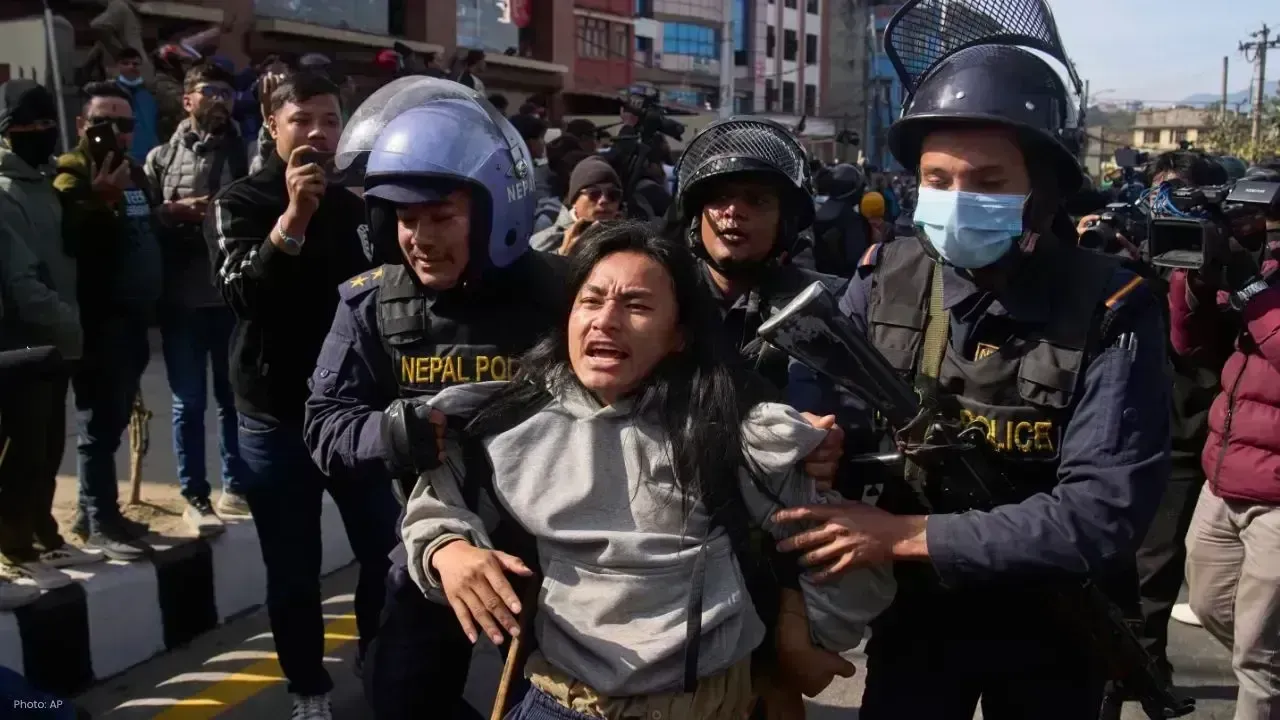
Mukesh Awasti, a 22-year-old aspiring civil engineer, had plans to travel to Australia this September. However, he found himself in the midst of youth-driven protests against corruption in Nepal—a decision that ultimately cost him his leg and led to a loss of faith in the promised reforms.
On September 8, during violent protests in Kathmandu, Awasti was shot and subsequently underwent an amputation at the National Trauma Center. Speaking from his hospital bed, he reflects on the sacrifices made by him and fellow protesters, lamenting the minimal gains realized.
“I regret participating in the protest,” he remarked. “There have been no real accomplishments. Corruption persists, and those responsible for the violence against protesters remain unpunished.”
These protests, instigated primarily by young activists, resulted in over 76 fatalities and more than 2,300 injuries. Initially, they prompted significant political changes, including the historic appointment of Sushila Karki, Nepal's first female prime minister, on September 12. She pledged to hold new parliamentary elections by March.
Despite this, complaints are rising among the activists who fueled the interim government's rise to power.
So far, Nepal's anti-corruption agency has filed only one significant case, excluding leading political figures. Those accused by protesters are gearing up for elections, while no charges have been brought against officials involved in the violent crackdown.
In recent weeks, numerous injured demonstrators and victims' families have taken to the streets, staging protests outside the prime minister's office, some of which the police have forcefully dispersed.
“We’re back out here because the government has let us down,” asserted Suman Bohara, who now uses crutches after suffering a severely injured foot in the protests. “Families have lost loved ones, many have been harmed, yet nothing is being done.”
The protests were originally sparked by rampant corruption, unemployment, ineffective governance, and restrictions on social media. Demonstrators attempted to storm parliament, encountering lethal force. Within a matter of days, nationwide unrest erupted, leading to violent clashes with security forces and the retreat of key political figures via military helicopters.
The military eventually restored stability, and negotiations resulted in forming an interim government tasked with conducting elections.
Prime Minister Karki has reiterated her commitment to elections scheduled for March 5. “Preparations are nearly finalized, and the security situation has notably improved,” she stated.
However, divisions continue to splinter the protest movements. Some factions are demanding immediate measures like the arrest of all corrupt officials and constitutional changes, while others argue elections are the way forward.
Experts suggest that the lack of consensus among young activists has undermined their cause.
“The confusion arises from vague demands and uncertainty regarding the foundation of the interim government,” explained Abeeral Thapa, principal of Polygon College of Journalism in Kathmandu. He noted that the constitution does not transparently outline the parameters for an interim governance model, complicating the overall scenario.
As doubts increase over the feasibility of holding elections, analysts maintain that they remain the only realistic avenue, even as public faith continues to erode.
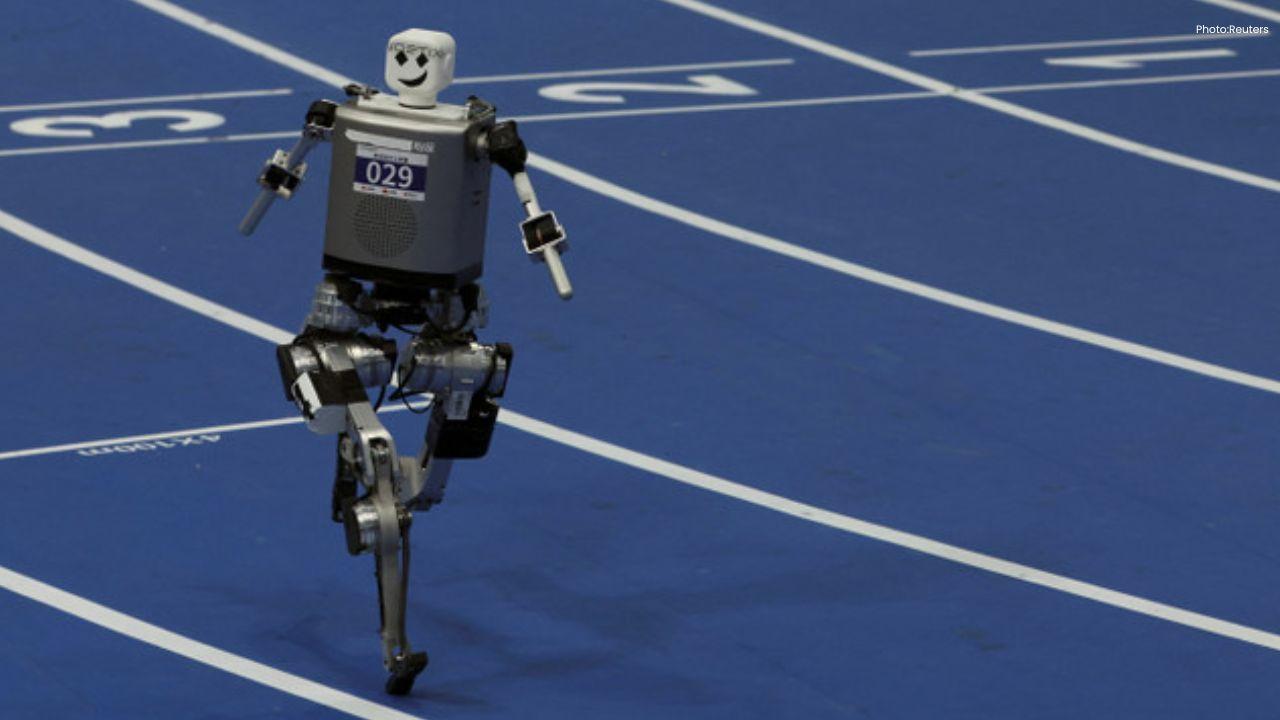


China’s Tiangong Sets New 400m Record at Robot Olympics
China’s Tiangong robot sets a new 400m record at the Robot Olympics, beating a South African robot i

George Russell Wins Dutch GP Sprint, Boosts Mercedes Morale
George Russell wins the Dutch GP Sprint from pole as Mercedes teammate Kimi Antonelli extends his F1

Australia 50/3 After Bangladesh Bowled Out for 64 in Second Test
Australia reached 50/3 after Bangladesh were bowled out for 64 in the second Test, with Mitchell Sta

Jordan Burroughs Returns to Wrestling with 2028 Olympic Dream
Jordan Burroughs returns to wrestling with Real American Freestyle as the Olympic champion eyes a po
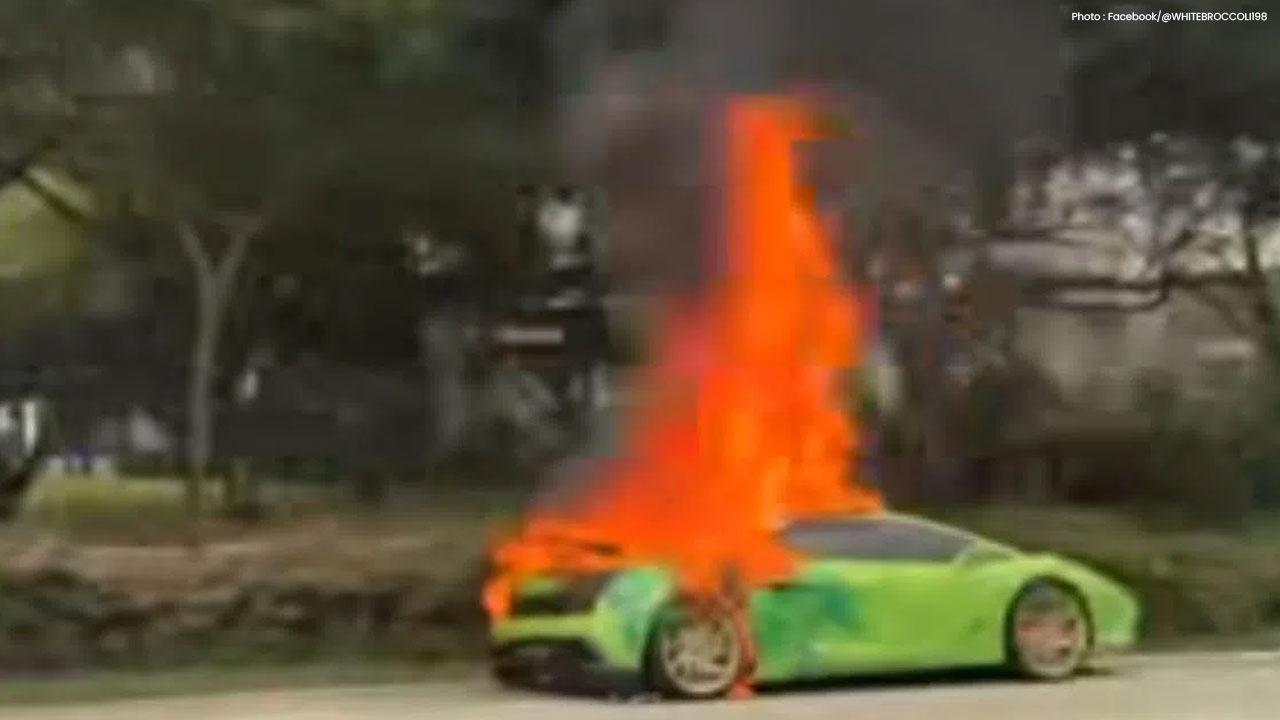
Lamborghini Catches Fire on Singapore's ECP, Causing Heavy Traffic
A Lamborghini caught fire on Singapore's ECP, causing heavy traffic and bus delays. No injuries were
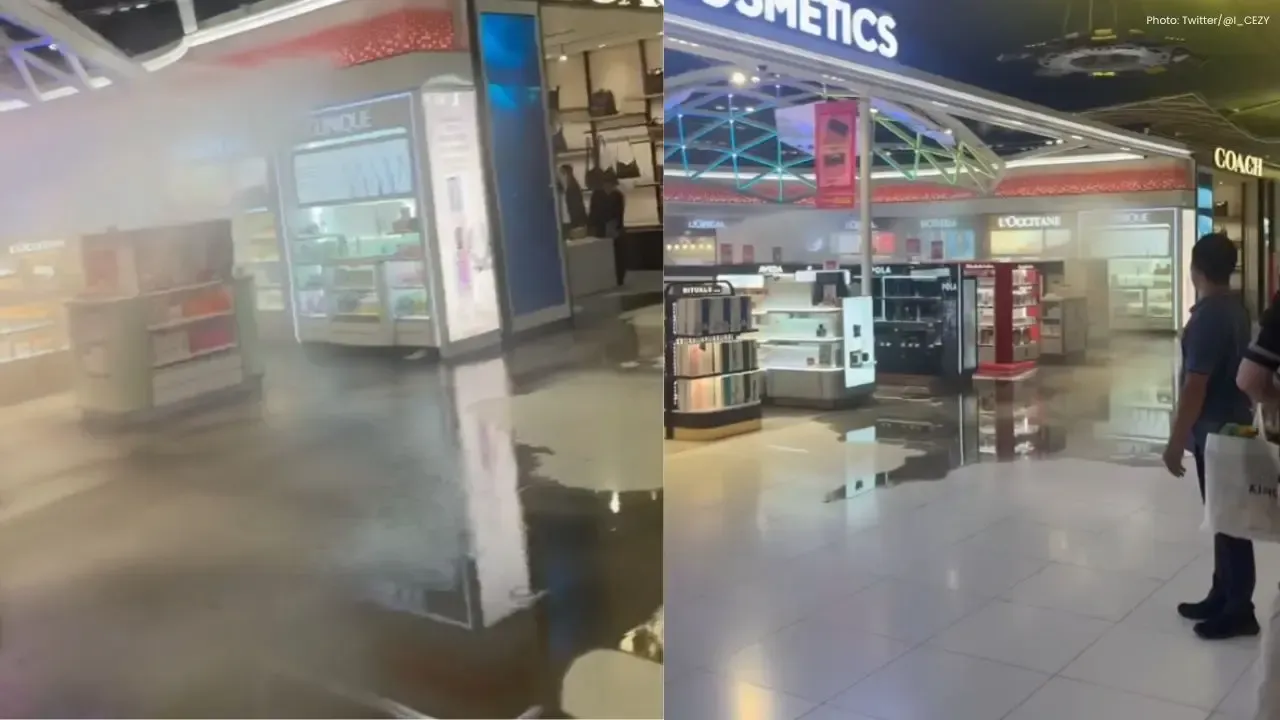
Bangkok Airport Duty-Free Area Flooded by Pipe Burst
A burst water pipe flooded the duty-free shopping area at Bangkok's Suvarnabhumi Airport on July 16,