You have not yet added any article to your bookmarks!
Join 10k+ people to get notified about new posts, news and tips.
Do not worry we don't spam!
Post by : Saif Rahman
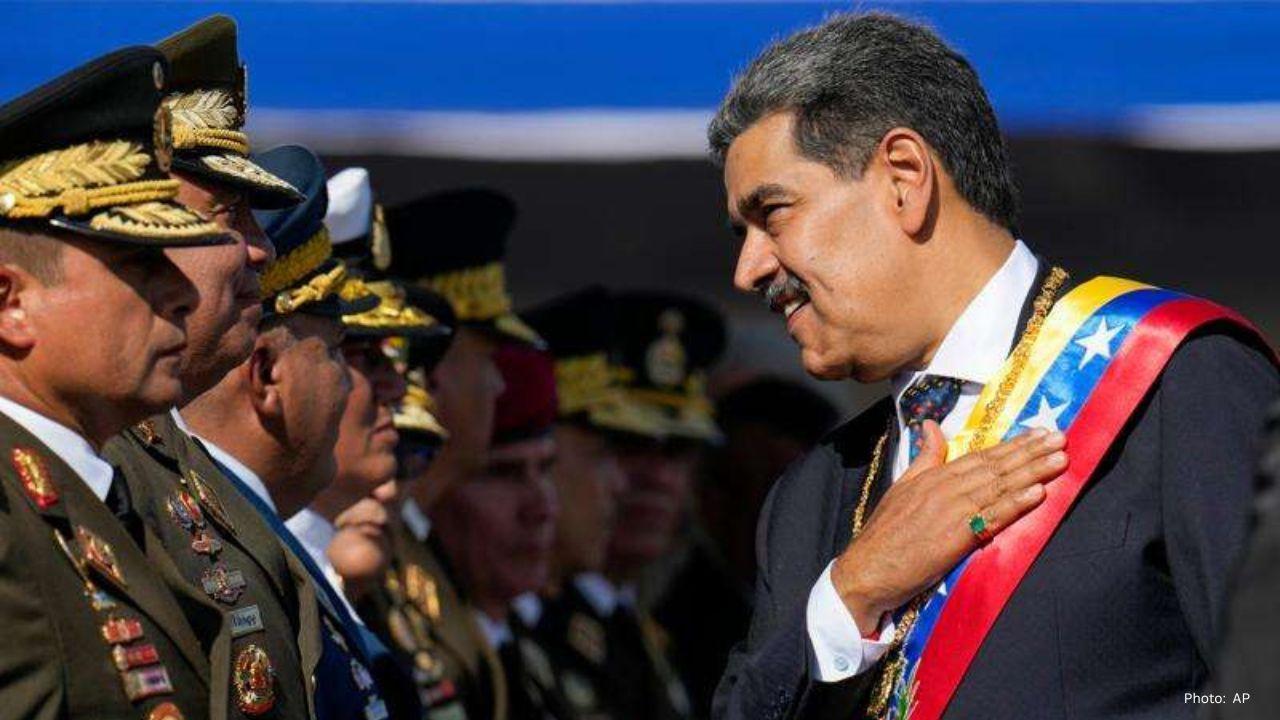
On Monday, Venezuelan leader Nicolás Maduro is set to appear for the first time in a courtroom in the United States. He faces serious accusations of drug trafficking and narco-terrorism, marking a significant chapter in the interactions between the U.S. and Venezuela as well as in global affairs.
Captured during a U.S. military operation, Maduro, along with his wife, has been transported to New York and is currently detained in a federal prison in Brooklyn. On Monday afternoon, both will be taken to a courthouse in Manhattan for what is expected to be a brief yet significant initial hearing. This marks the beginning of a potentially lengthy legal journey.
The U.S. government claims Maduro led a criminal syndicate involved with drug cartels, facilitating the massive flow of cocaine into the U.S. Although these charges were announced some years ago, Maduro has remained in power and out of the reach of U.S. authorities until now.
As a defendant within the U.S. judicial system, Maduro will be entitled to the same legal protections as any other accused individual, which includes access to legal representation, the right to refute the charges, and a jury trial. Should the proceedings continue, a jury composed of ordinary New Yorkers may ultimately determine his fate.
However, the case against Maduro is complex. His attorneys are likely to argue that as a sitting head of state, he stands immune from trial in the U.S. They are expected to invoke principles of international law to support this claim.
In response, U.S. authorities strongly contest this argument, maintaining they do not recognize Maduro's presidency, especially following allegations of electoral irregularities in his re-election bid in 2024. Thus, officials assert that he neither qualifies for immunity nor evades prosecution.
A historical precedent exists in the case of Manuel Noriega, the former Panamanian leader, who, captured by U.S. forces in 1990, unsuccessfully claimed legal immunity. His subsequent conviction on drug charges provides a potential framework for judges assessing Maduro's defense.
The reaction within Venezuela has been a mix of optimism and dread. While some citizens see this as an opportunity for change amid years of economic distress and social unrest, others express anxiety regarding the future of their country.
Maduro’s upcoming court hearing transcends a mere legal issue; it represents a broader message about the resolve of the U.S. in pursuing international figures accused of grave crimes. The outcome of this case may alter discussions surrounding international law and how global leaders are held to account.
As we await the proceedings in New York, all eyes are focused on a former ruler who will confront the law, not as an authority, but as an accused individual.
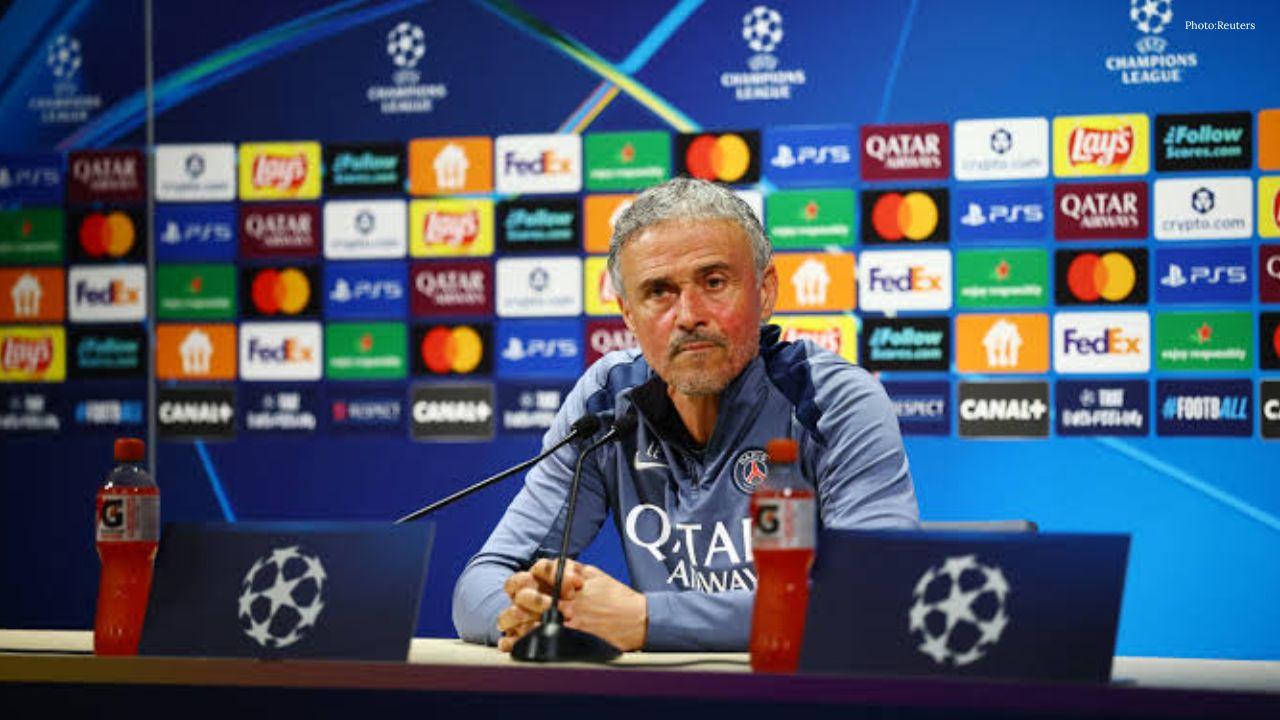


PSG Coach Luis Enrique Urges Players to Step Outside Comfort Zone
PSG coach Luis Enrique says players must leave their comfort zone and keep improving as the club tar

China’s Tiangong Sets New 400m Record at Robot Olympics
China’s Tiangong robot sets a new 400m record at the Robot Olympics, beating a South African robot i

George Russell Wins Dutch GP Sprint, Boosts Mercedes Morale
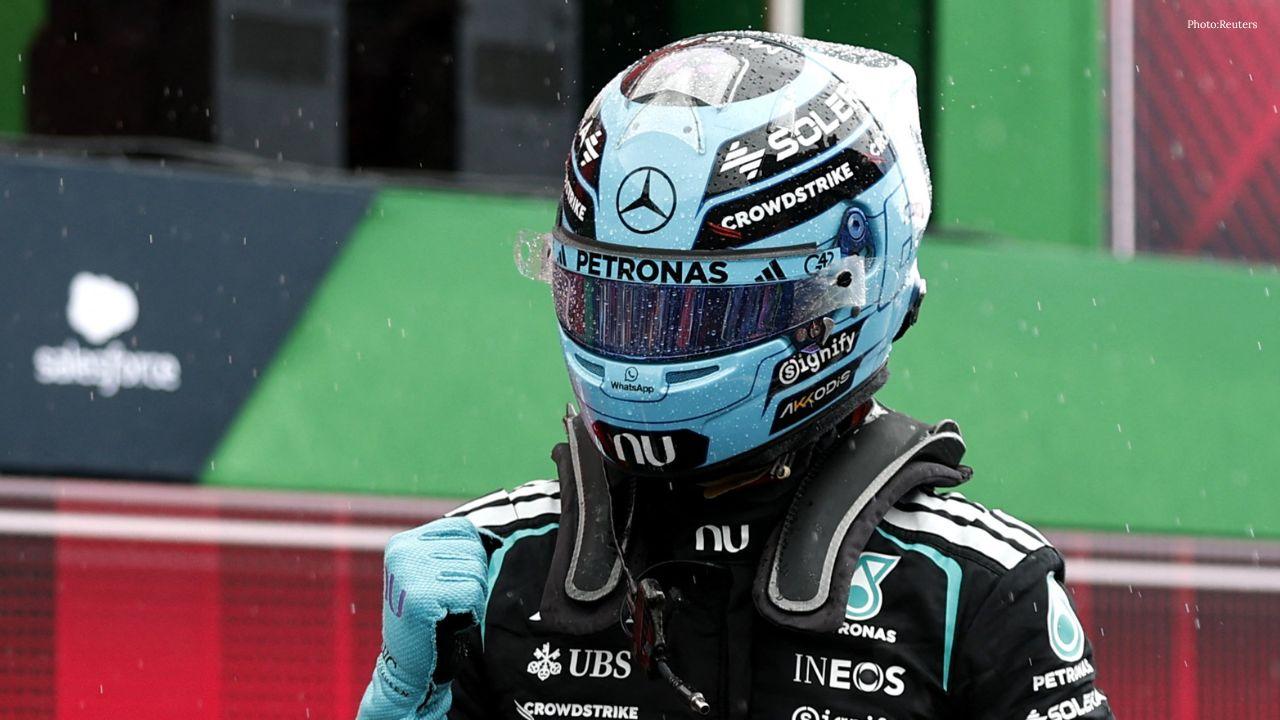
George Russell wins the Dutch GP Sprint from pole as Mercedes teammate Kimi Antonelli extends his F1
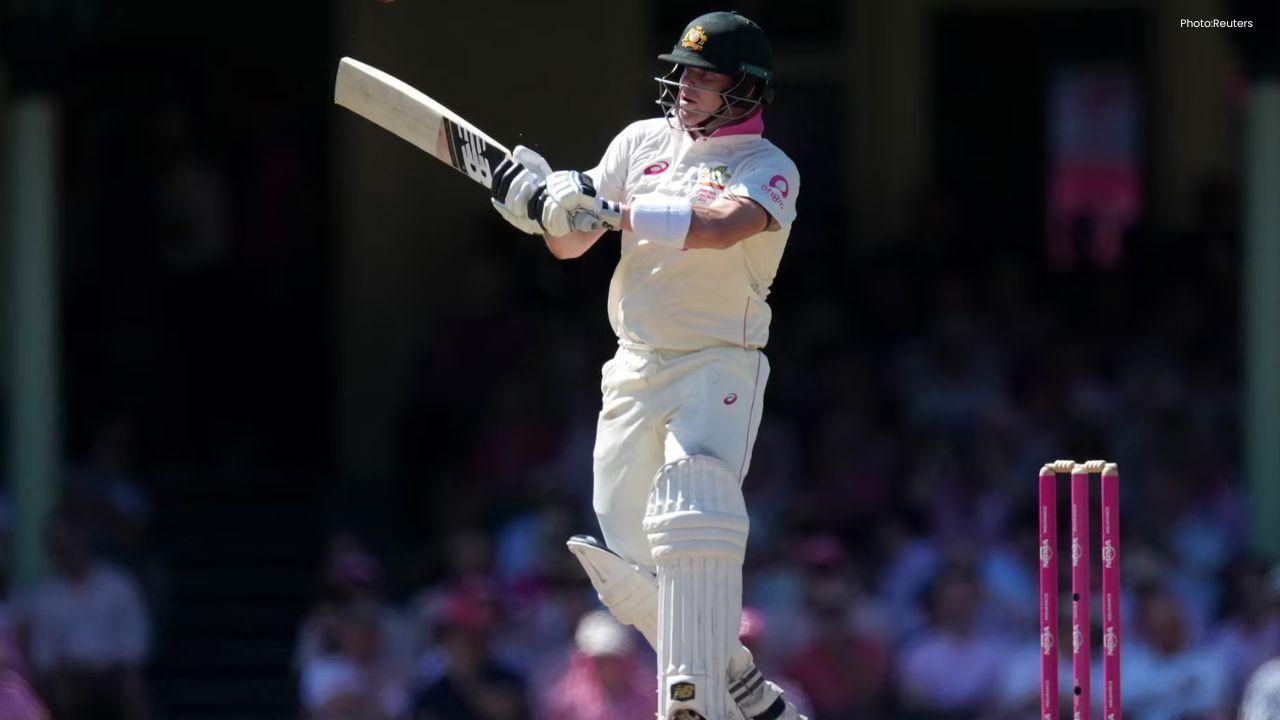
Australia 50/3 After Bangladesh Bowled Out for 64 in Second Test
Australia reached 50/3 after Bangladesh were bowled out for 64 in the second Test, with Mitchell Sta
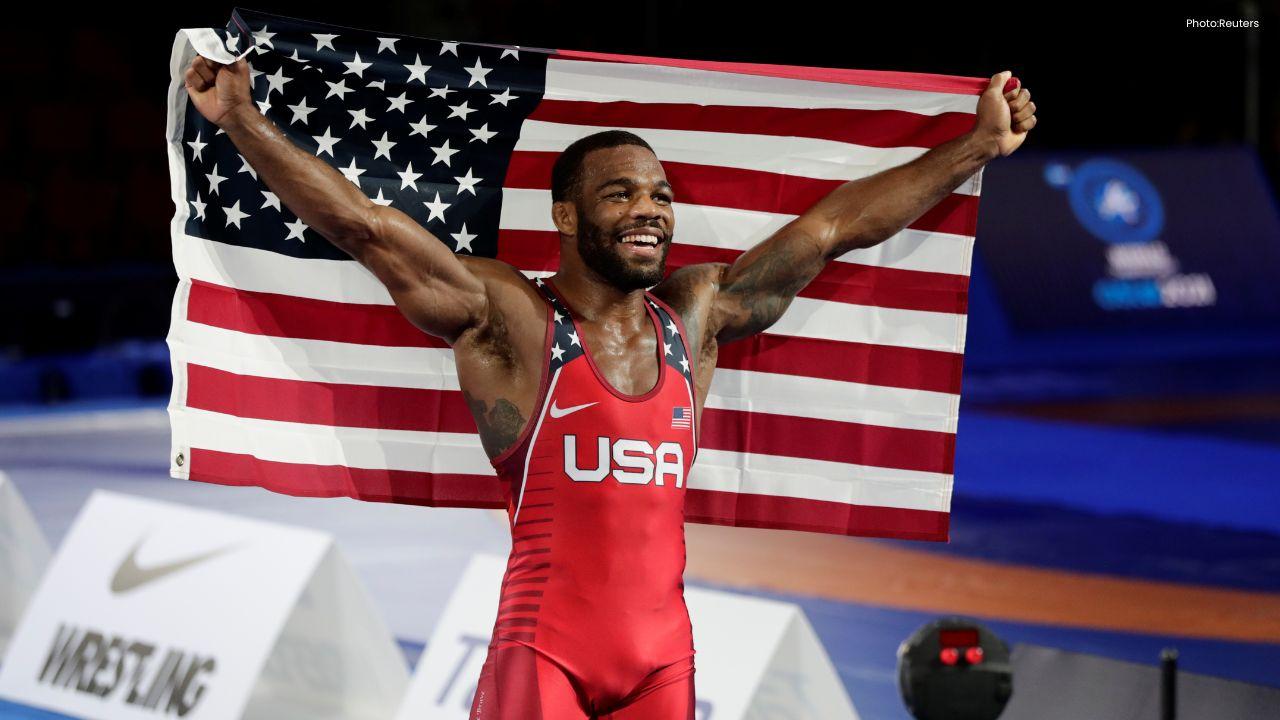
Jordan Burroughs Returns to Wrestling with 2028 Olympic Dream
Jordan Burroughs returns to wrestling with Real American Freestyle as the Olympic champion eyes a po
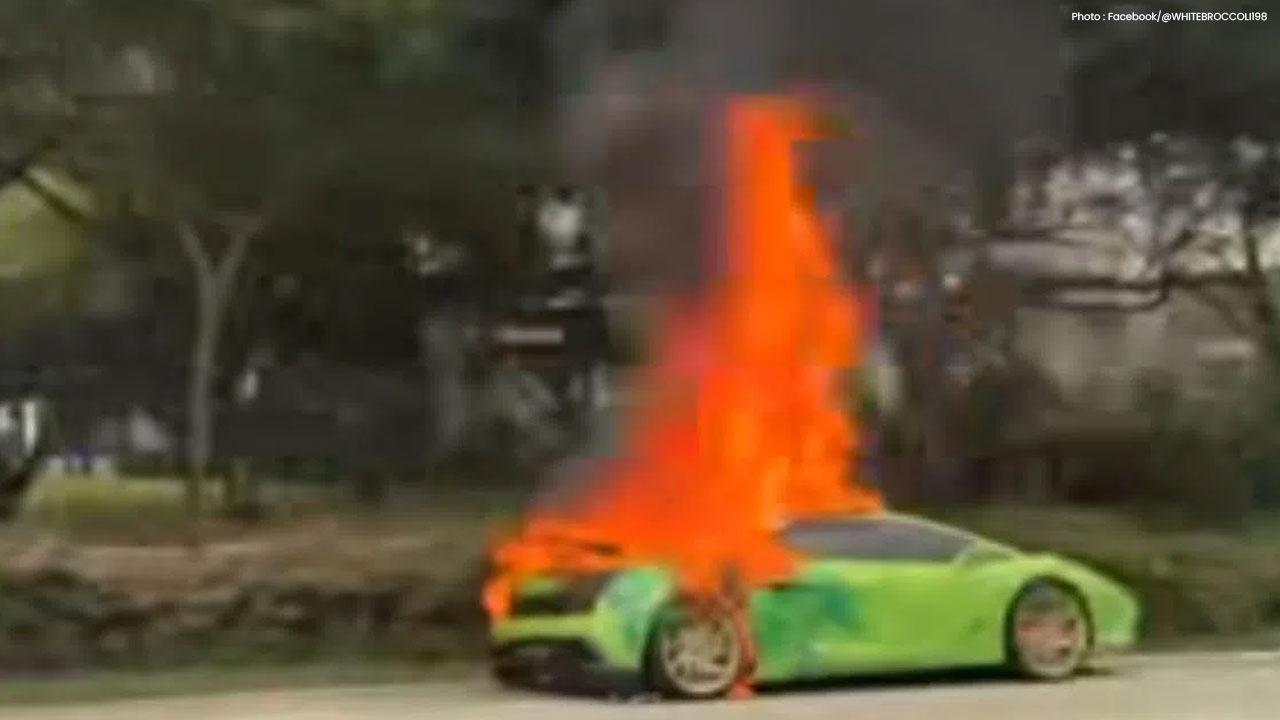
Lamborghini Catches Fire on Singapore's ECP, Causing Heavy Traffic
A Lamborghini caught fire on Singapore's ECP, causing heavy traffic and bus delays. No injuries were