You have not yet added any article to your bookmarks!
Join 10k+ people to get notified about new posts, news and tips.
Do not worry we don't spam!

Post by : Anis Farhan
Asia has emerged as a global leader in technological advancements. With thriving digital economies, rising tech startups, AI-enhanced public services, and extensive e-governance, technology is intricately woven into the fabric of daily life. From e-payments and ride-sharing apps to telehealth services and smart cities, advancements are profoundly impacting everyday interactions.
However, this swift digital evolution raises an uncomfortable question:
What level of personal data should technology access, and who truly holds the reins?
Citizens across the continent are increasingly realizing that the conveniences of cashless transactions, health applications, cloud storage, shopping algorithms, and facial recognition come at a hidden expense: an ongoing cycle of personal data generation and transmission.
Governments, corporations, service providers, and platforms now have intimate insights into individuals' behaviors, choices, movements, and identities. This digital landscape ignites discussions on privacy, accountability, and regulation.
Asia’s narrative is not one-size-fits-all; each nation strikes a unique balance of economic pursuits, national security, cultural traditions, and personal freedoms.
What remains undisputed is that privacy has escalated into a key social issue for the contemporary Asian citizen.
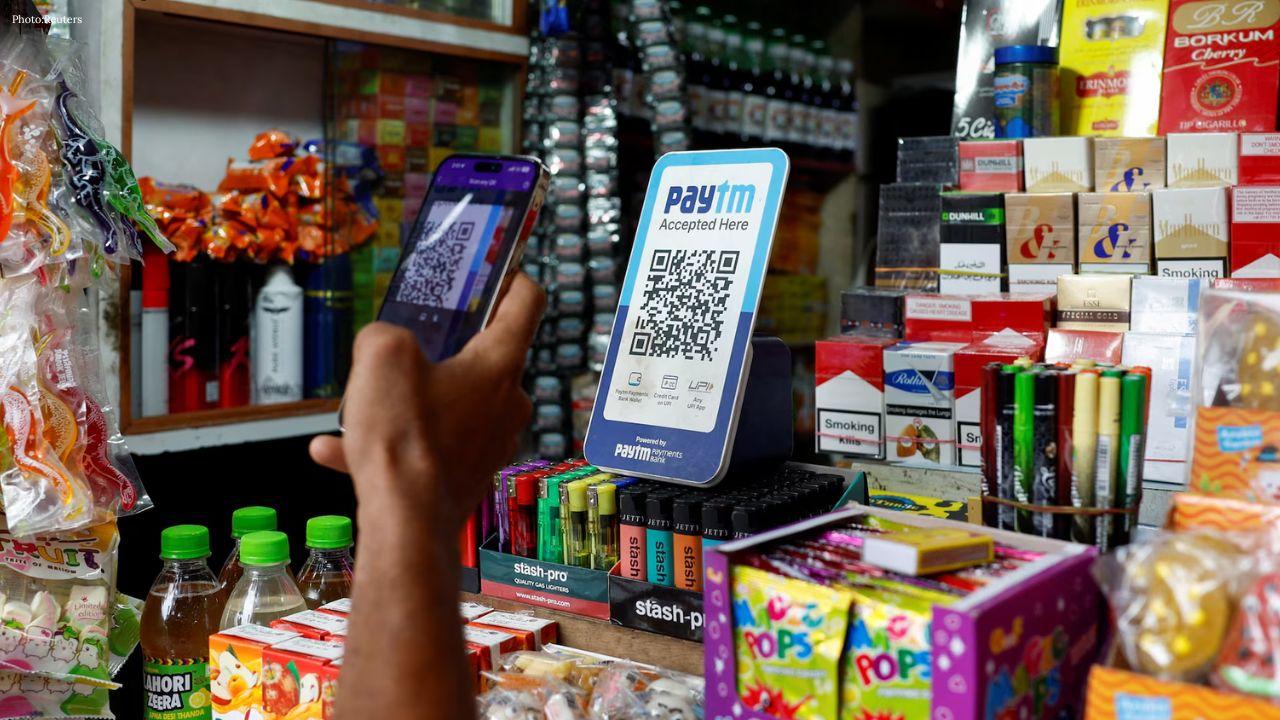
By 2025, data generation has become inseparable from daily life. Each digital action tells its own story. Every click, login, transaction, and interaction leaves an indelible mark. Urban centers in Asia now operate through complex digital frameworks that thrive on real-time data.
Digital transactions reveal spending habits.
Food delivery services gauge dietary choices.
Ride-hailing services analyze mobility patterns.
Social networks decode emotional nuances and preferences.
Smart city technologies monitor traffic, security, and resource usage.
Work environments employ digital tools that oversee performance.
Governments utilize biometric data for identity checks.
To many, these capabilities signify progress—enhanced services, expedited transactions, secure environments, efficient governance, and tailored experiences.
Yet under this apparent convenience lurks a silent concern: Where do all these data points go, and who governs their use?
Grasping the concept of privacy in Asia requires a comprehensive understanding of the continent—home to a tapestry of political frameworks, cultural ethos, economic agendas, and societal expectations.
Some regions prioritize communal safety above personal privacy, whereas others emphasize individual freedom and data protection. While certain nations are establishing robust regulatory measures, others cling to nascent policy frameworks. Some communities embrace oversight for public order; others harbor apprehension towards corporate or governmental encroachment.
This diversity renders Asia’s privacy landscape profoundly intricate.
Many Asian governments are beginning to acknowledge that an unregulated digital framework is untenable. With rising cyber threats, the spread of misinformation, and a yearning for transparency among citizens, lawmakers are drafting rules that address data gathering, consent, retention, and accountability.
Countries across Asia have enacted or revised data protection statutes to establish guidelines for organizations managing personal data. These regulations clarify what constitutes sensitive information, outline conditions for data processing, require user consent, and stipulate penalties for breaches.
Nevertheless, legislation alone will not suffice; the true measure lies in enforcement. Numerous nations grapple with the disconnect between legal text and real-world application. Smaller enterprises often lack compliance expertise, citizens may be unaware of their rights, and enforcement bodies might not possess necessary skills or resources.
The challenge extends beyond drafting legislation to ensuring effective implementation.
Within Asia’s vibrant digital economy, data is increasingly seen as a prized asset. Companies leverage it to understand consumer preferences, refine products, customize services, and drive profits. Tech titans, e-commerce giants, ride-sharing services, cloud computing firms, and fintech start-ups heavily depend on amassed user data.
This economic potential, however, breeds friction. The accumulation of vast personal data raises the stakes for misuse. Data breaches, unauthorized profiling, obscure algorithms, and intrusive marketing foster skepticism among the populace.
Consumers are becoming savvier, scrutinizing app permissions and questioning data retention timelines. They wonder if their interactions and preferences are monetized undisclosed.
Corporate social responsibility is increasingly at the forefront of discussions concerning Asia’s digital evolution. Ethical data practices are no longer optional—they’re imperative.
A decade ago, privacy was a minor concern for many in Asia. Nowadays, this dialogue is mainstream. Citizens are inquiring more about data usage, reading terms and conditions attentively, and expressing frustration towards excessive app tracking. They're toggling location services off unless necessary and are leveraging privacy features on messaging platforms. Their awareness of digital footprints is heightened.
However, there remains a significant disparity in understanding. While city dwellers increasingly recognize privacy issues, individuals in rural areas are still familiarizing themselves with digital systems. Too often, they access online services without comprehending the potential implications.
The emerging challenge is fostering awareness that is accessible for all demographics—not just those fluent in technology.
Surveillance technologies—ranging from public camera networks to biometrics—are proliferating in urban Asian landscapes. Governments advocate for these systems as means to enhance public safety, curb crime, manage crises, oversee traffic, and maintain order. Many citizens concur, prioritizing safety over abstract notions of privacy.
Yet, this discourse on surveillance is multifaceted.
When does the quest for public security morph into unwarranted scrutiny?
Who holds accountability within the oversight systems?
What transpires when surveillance data is improperly utilized?
Diverse countries present varied responses. Some emphasize strict regulations and uncompromising transparency; others depend on governmental discretion. Citizens navigate these complexities depending on their societal context.
This scrutiny around surveillance underscores a vital truth: privacy transcends technicalities—it's inherently cultural.
The integration of artificial intelligence introduces further complexity to the privacy dialogue. Both governments and corporations increasingly deploy AI to forecast trends, discern patterns, and inform decisions.
AI systems evaluate citizen behaviors to determine service eligibility, identify threats, or personalize offerings. Nonetheless, these predictive technologies bring risks such as discrimination, unjust classification, and absence of accountability.
When AI errs, who intervenes?
If someone is unjustly categorized, what recourse do they possess?
If a service denial arises from an algorithm, how transparent is the rationale?
These dilemmas emphasize the necessity for robust ethical standards governing AI use in Asia.
With the escalation of digital data storage, breach risks have surged. Citizens are becoming increasingly apprehensive about identity theft, financial scams, compromised accounts, leaked health information, and unauthorized accesses.
Each breach undermines trust, as individuals question the abilities of institutions—both governmental and private—to safeguard sensitive data.
Cybersecurity has evolved into both a technical and psychological concern, shaping perceptions of apps, governmental access, online banking, and e-payments.
Trust stands as the most delicate commodity in the digital age.
While Asia's urban hubs engage extensively in privacy discussions, rural citizens experience digital realities in a contrasting vein. Many adopt cutting-edge services without a full grasp of data implications, leading to growing awareness inequality.
Urban dwellers may press for corporate transparency, while rural dwellers might choose accessibility over privacy. This scenario cultivates diverging digital experiences—one championing rights and the other still awakening to their importance.
The challenge ahead revolves around ensuring that privacy rights are a universal benefit and not a privilege for the learned urban populace.
Privacy isn’t safeguarded solely via legislation—it demands informed citizens. Understanding data collection methods, permission allowances, cookie functionalities, application tracking, and behind-the-scenes actions is essential.
Digital literacy initiatives are gradually rolling out across Asia. Educational institutions teach children about digital safety, governments promote awareness campaigns, enterprises elucidate privacy settings, and community programs inform older generations about digital risks.
The more technology literacy proliferates, the firmer individuals can claim their digital rights.
Privacy encompasses more than just data—it represents dignity, autonomy, and personal freedom. Being observed transforms behavior; while monitored, spontaneity dissipates. With concerns about information misuse, creativity stifles.
Asian societies are starting to acknowledge the emotional ramifications of losing grip over personal data. Privacy has transitioned into a marker of mental tranquility, not merely a legal concern.
Citizens are redefining privacy as an intrinsic aspect of their identity.
The trajectory of data in Asia hinges on cooperation between governments, corporations, and the populace. Achieving equilibrium demands transparent legislation, ethical technological designs, responsible business practices, and enhanced literacy.
While Asia's technological achievements are noteworthy, they must unfold responsibly. Privacy cannot merely be an afterthought; it needs to be integral to the groundwork of every digital innovation.
The upcoming decade will delineate how Asian societies interpret autonomy within the digital landscape. Decisions made today will shape how future generations navigate, interact with, and trust their digital ecosystems.
Asia finds itself at a pivotal juncture in its digital evolution. While technology introduces convenience, efficiency, and prospects, it concurrently raises profound inquiries about privacy, rights, and personal authority. The task at hand is to ensure that burgeoning technological advancements uphold the dignity of every citizen.
Achieving a balance between innovation and privacy entails ongoing discourse, reinforced regulations, corporate accountability, and heightened citizen awareness. The future of Asia’s digital realm must reflect not just economic aspirations but a pledge to safeguarding personal freedoms.
This piece serves informational purposes, offering a general overview of privacy and data governance trends across Asia. It is not intended as legal counsel or a replacement for specialized advice.









Spain's Diego Poncelet Sets Skateboarding World Speed Record
Spain's Diego Poncelet reaches 151.83 km/h in a record-breaking downhill skateboard run in Canada, s

Hyundai Recalls 94,622 US Vehicles Over Potential Fire Risk
Hyundai recalls 94,622 US vehicles over overheating seat motors. Check affected Genesis models, fire

Nvidia Pledges $250 Million for UK AI Safety Research
Nvidia will provide $250 million in computing resources over five years to support AI safety researc

Jacob Bethell Returns as England Name Squads for Australia Tour
England name ODI and T20 squads for the Australia tour, with Jacob Bethell returning from injury and

Beauden Barrett Opens Up About Mental Struggles During All Blacks Exile
Beauden Barrett discusses his confidence struggles after missing six tests, his return against Austr

IMF Says AI Investment Supports Global Growth Despite Energy Shock
IMF says AI investment is supporting global growth near 3%, with Asian economies benefiting from ris