You have not yet added any article to your bookmarks!
Join 10k+ people to get notified about new posts, news and tips.
Do not worry we don't spam!
Post by : Saif Rahman
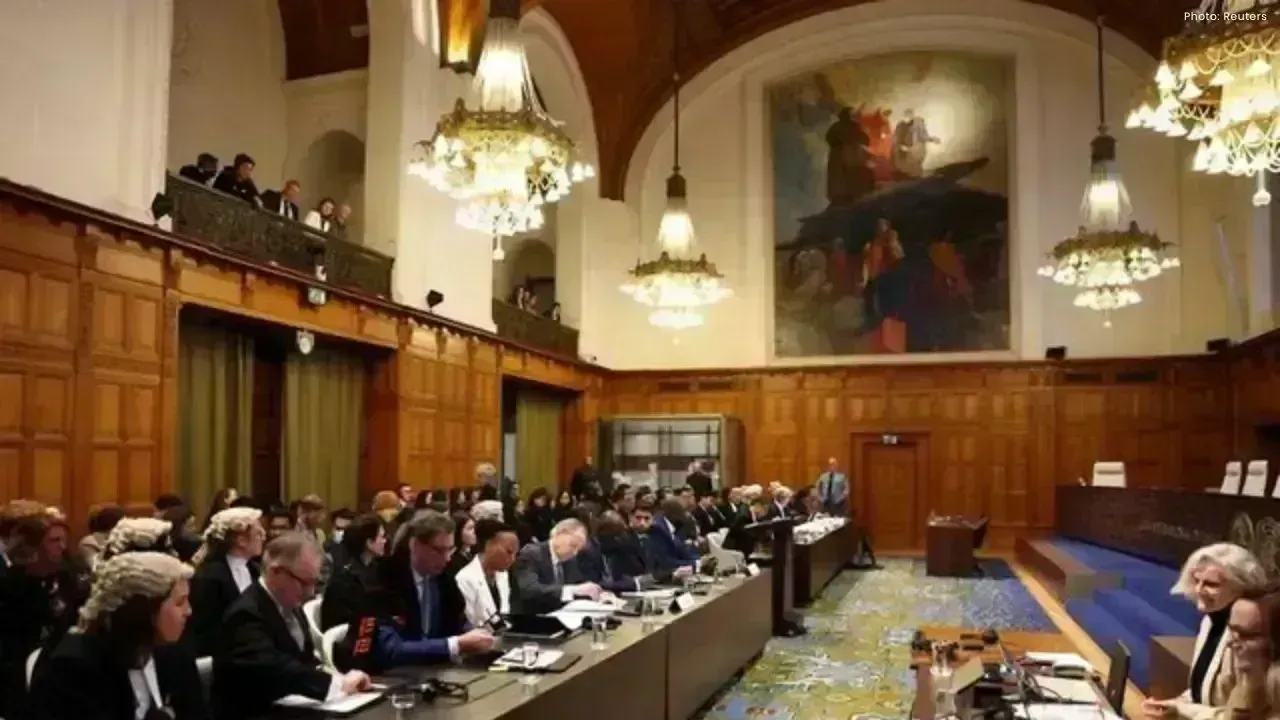
Myanmar has asserted before the United Nations’ highest court that it has not perpetrated genocide against the Rohingya Muslim minority, arguing that Gambia's claims do not satisfy the legal criteria necessary to prove such a grievous accusation. This assertion was presented during ongoing hearings at the International Court of Justice (ICJ) in The Hague, where both parties are being scrutinized for evidence and statements.
Initiated in 2019 by Gambia, a predominantly Muslim West African nation, this case claims to represent the global community's efforts to safeguard the Rohingya, asserting that Myanmar’s government has targeted these individuals for annihilation. Myanmar maintains a strong denial against these allegations, suggesting they are built on unverified assertions rather than substantive proof.
In court, a government representative articulated that Gambia had not fulfilled the necessary burden of proof to substantiate claims of genocide according to international legal standards. He emphasized to the judges that factual evidence, rather than emotional rhetoric, should dictate the court's decision-making process. Myanmar contends that no intention to obliterate the Rohingya as a group has been demonstrated in the evidence provided.
The case examines key events from 2017, during which Myanmar's military executed a massive offensive in Rakhine State, resulting in over 700,000 Rohingya fleeing to Bangladesh. Refugees from that period have recounted incidents of murder, sexual violence, and the destruction of homes and villages. A United Nations investigation concluded that acts during this military campaign may amount to genocidal actions.
Myanmar’s authorities characterized their 2017 deployment as a reaction to assaults from armed groups, framing it as part of a counter-terrorism strategy. They also criticized the UN investigation, labeling it as biased and unreliable, asserting that military actions were intended to restore order rather than target civilians based on ethnicity or religion.
Conversely, Gambia’s legal representatives firmly disagreed, arguing that the extensive and systematic nature of the violence could not be justified as a typical security measure. They contended that vulnerable populations—including women, children, and the elderly—were intentionally affected and entire communities were decimated. Gambia indicates that these actions highlight a clear intent to eradicate the Rohingya, a crucial component to establish genocide legally.
The International Court of Justice resolves disputes amongst nations rather than individuals, and its decision-making process can extend for years. Nevertheless, its rulings are influential and may redefine international legal practices. This genocide case marks the first of its kind deliberated by the court in over ten years, underscoring its importance.
The implications of the verdict could extend well beyond Myanmar. Legal observers suggest the ruling might impact how future genocide cases are managed globally. Furthermore, it keeps the spotlight on the Rohingya issue—many of whom still endure harsh conditions in refugee camps.
Amid these hearings, Myanmar is also grappling with substantial domestic political turmoil. Following the military's assumption of power in 2021, the country has witnessed pervasive violence and uprisings. The government is currently conducting phased elections, yet these have faced condemnation from the United Nations and human rights advocates as being unjust. Myanmar’s military rulers, however, refute these allegations, insisting the process enjoys public backing.
As the hearings advance, judges will meticulously review the arguments and evidence provided. For the Rohingya community, this case embodies a significant opportunity for justice and acknowledgment of their experiences. The anticipated final ruling will be closely monitored, poised to influence future international commitments regarding genocide allegations.










George Russell Wins Dutch GP Sprint, Boosts Mercedes Morale
George Russell wins the Dutch GP Sprint from pole as Mercedes teammate Kimi Antonelli extends his F1

Australia 50/3 After Bangladesh Bowled Out for 64 in Second Test
Australia reached 50/3 after Bangladesh were bowled out for 64 in the second Test, with Mitchell Sta

Jordan Burroughs Returns to Wrestling with 2028 Olympic Dream
Jordan Burroughs returns to wrestling with Real American Freestyle as the Olympic champion eyes a po

Lamborghini Catches Fire on Singapore's ECP, Causing Heavy Traffic
A Lamborghini caught fire on Singapore's ECP, causing heavy traffic and bus delays. No injuries were

Bangkok Airport Duty-Free Area Flooded by Pipe Burst
A burst water pipe flooded the duty-free shopping area at Bangkok's Suvarnabhumi Airport on July 16,
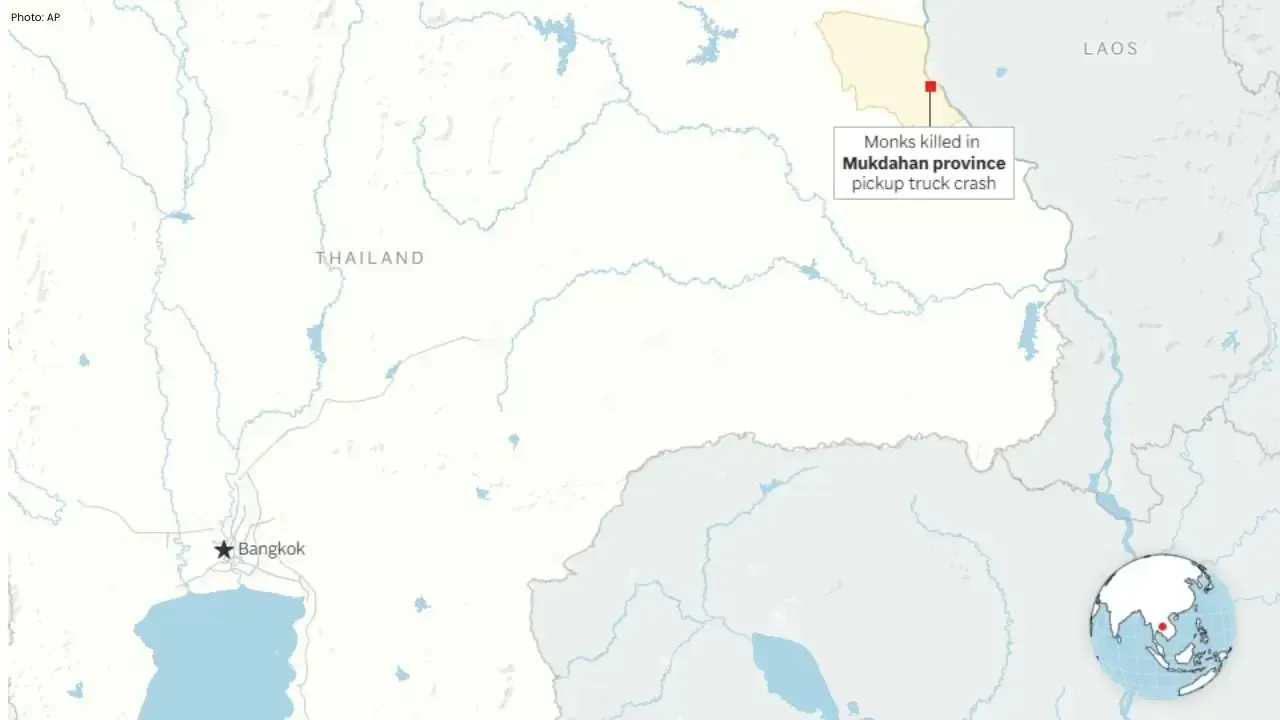
Nine Monks Killed in Thailand Pickup Truck Tragedy
An 11-year-old boy driving a pickup truck crashed into monks during a pilgrimage in northeastern Tha