You have not yet added any article to your bookmarks!
Join 10k+ people to get notified about new posts, news and tips.
Do not worry we don't spam!
Post by : Meena Ariff
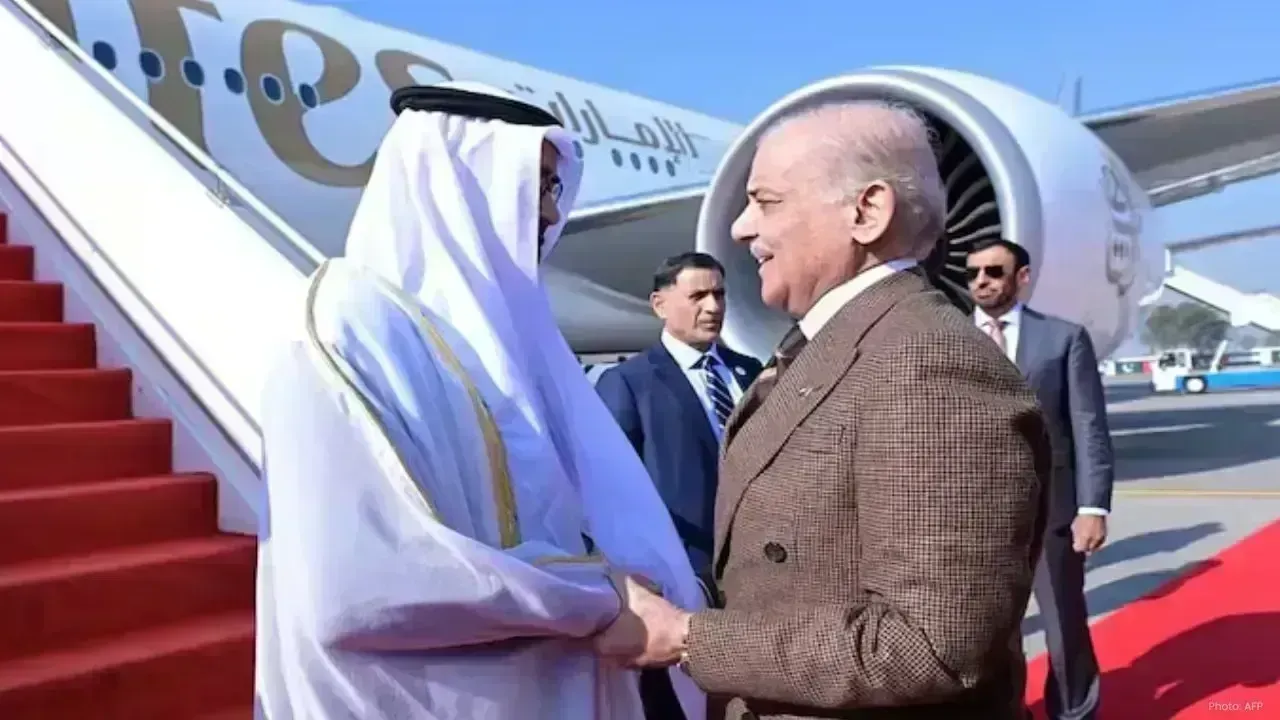
Pakistan is steadily expanding its military influence across the Arab world, a development that could shift the strategic balance in South and West Asia. Riding on strong ties with China, Islamabad is negotiating multi-billion-dollar arms deals and exploring a NATO-style Islamic defence alliance with Saudi Arabia and Turkey.
Raza Hayat Harraj, Pakistan’s Minister for Defence Production, confirmed that discussions for a trilateral agreement involving Pakistan, Saudi Arabia, and Turkey have been ongoing for nearly a year. The draft is already shared with both countries, and final consensus is awaited. “The trilateral agreement is already in the pipeline, with all three nations deliberating on it,” Harraj stated.
Meanwhile, Pakistan is close to finalizing a $1.5-billion deal to supply weapons and jets to Sudan, a significant support for the Sudanese army amid its conflict with the paramilitary Rapid Support Forces. In addition, talks with Saudi Arabia aim to convert around $2 billion in loans into a JF-17 fighter jet deal, further cementing military cooperation after last year’s mutual defence pact.
While these deals are not the largest in global terms, they highlight Pakistan’s growing military presence and influence in the Middle East. The JF-17 Thunder, produced jointly by Pakistan Aeronautical Complex and China’s Chengdu Aircraft Corporation, has also attracted interest from Iraq. Pakistan manufactures the airframe, while China provides avionics.
Traditionally, Pakistan’s role in the Middle East has focused on training Arab forces rather than supplying weapons. If these negotiations succeed, Pakistan could emerge as a key security provider and a strategic player capable of influencing regional conflicts.
Analysts warn Islamabad must carefully navigate competing interests in the divided Arab world. For example, Sudan’s army, which Pakistan may supply, is supported by Saudi Arabia, while Sudan has accused the UAE of backing the Rapid Support Forces—an allegation Abu Dhabi denies. Similarly, in Libya, Pakistan reportedly signed a $4-billion deal with Khalifa Haftar, whose militia has previously been linked to Sudan’s paramilitary tensions.
Saudi Arabia and the UAE also remain on opposing sides in Yemen, complicating Pakistan’s potential role as a weapons supplier to multiple partners in the region. “It will not be easy for Pakistan to sell the same weapons systems to opposing sides,” said Umer Karim, associate fellow at the Riyadh-based King Faisal Centre for Research and Islamic Studies.
China’s involvement adds significant leverage to Pakistan’s exports. The JF-17, co-produced with Beijing, is seen as a reliable platform for countries like Sudan and Libya, giving Islamabad extra geopolitical weight. Former Pakistan Armed Forces officer Sultan noted, “These countries may buy fewer numbers, but Pakistan is considered a trusted source due to strong support from China.”
This expansion comes amid intensifying global competition between the United States and China. While the US remains the top global arms exporter with a 43% share in 2024, China accounts for 6% of global arms sales, much of it going to Pakistan, strengthening its defence capabilities and regional influence.
Pakistan’s growing role in the Arab world underscores a shift from its historical position as a trainer of allied forces to a more assertive supplier of advanced military hardware, potentially reshaping strategic alliances in the Middle East.
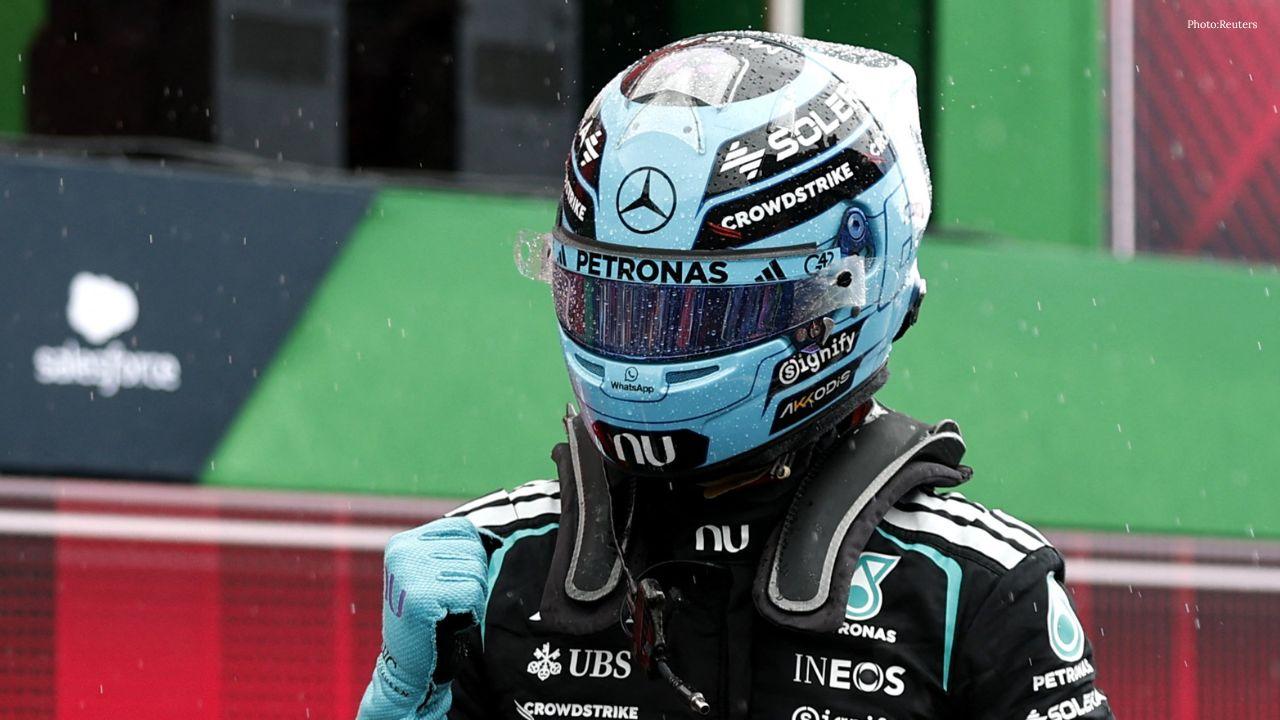



George Russell Wins Dutch GP Sprint, Boosts Mercedes Morale
George Russell wins the Dutch GP Sprint from pole as Mercedes teammate Kimi Antonelli extends his F1

Australia 50/3 After Bangladesh Bowled Out for 64 in Second Test
Australia reached 50/3 after Bangladesh were bowled out for 64 in the second Test, with Mitchell Sta

Jordan Burroughs Returns to Wrestling with 2028 Olympic Dream
Jordan Burroughs returns to wrestling with Real American Freestyle as the Olympic champion eyes a po

Lamborghini Catches Fire on Singapore's ECP, Causing Heavy Traffic
A Lamborghini caught fire on Singapore's ECP, causing heavy traffic and bus delays. No injuries were

Bangkok Airport Duty-Free Area Flooded by Pipe Burst
A burst water pipe flooded the duty-free shopping area at Bangkok's Suvarnabhumi Airport on July 16,
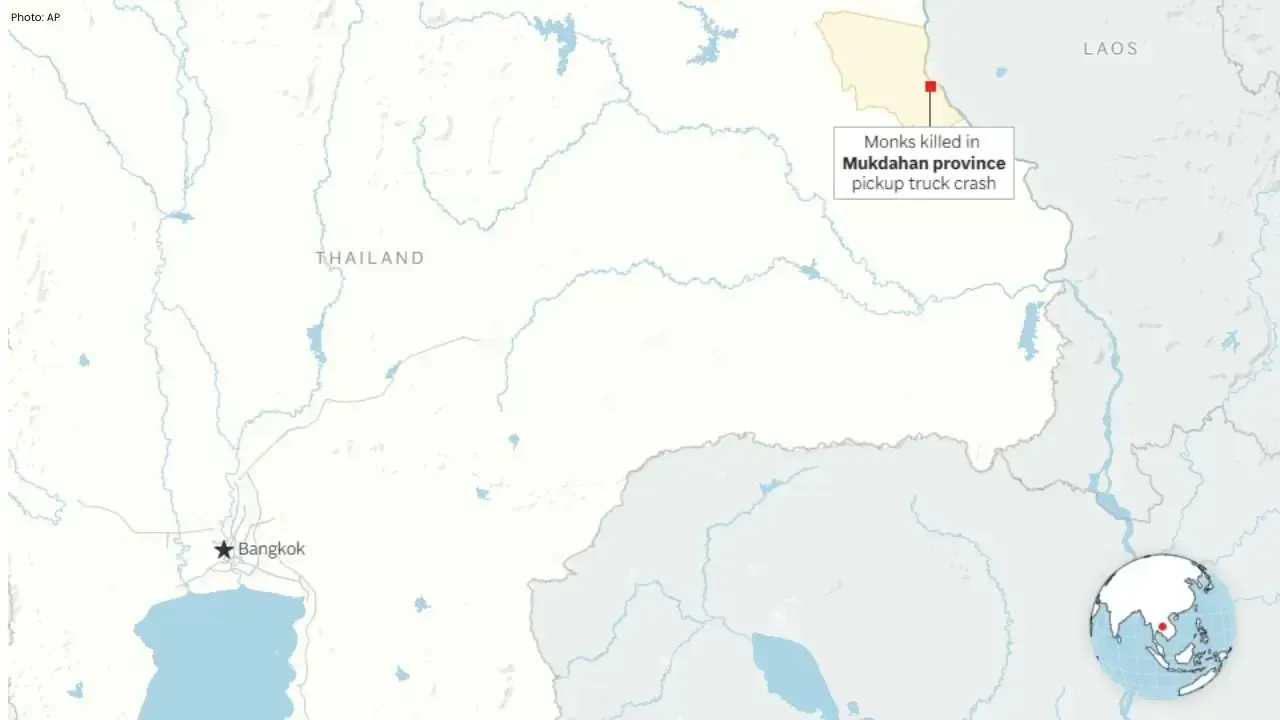
Nine Monks Killed in Thailand Pickup Truck Tragedy
An 11-year-old boy driving a pickup truck crashed into monks during a pilgrimage in northeastern Tha