
You have not yet added any article to your bookmarks!
Join 10k+ people to get notified about new posts, news and tips.
Do not worry we don't spam!
Post by : Rohit Dhiman
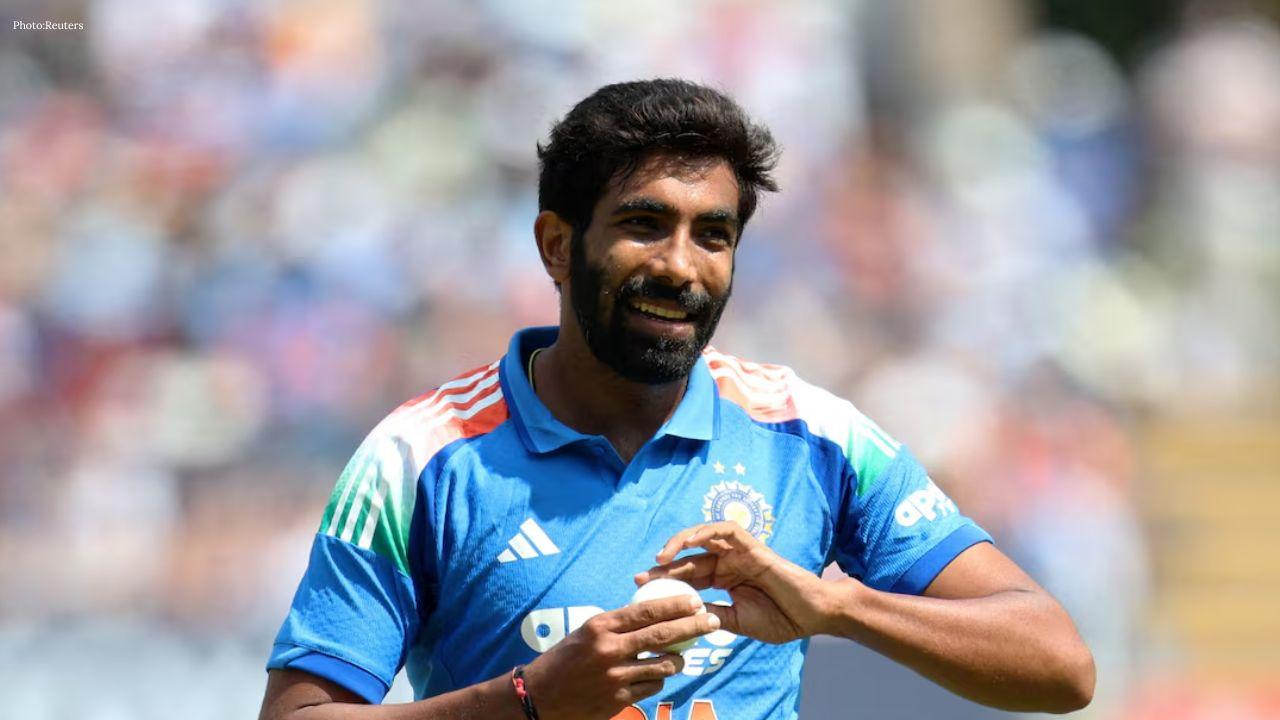
Former India head coach Ravi Shastri has advised the Indian cricket team management to manage Jasprit Bumrah’s workload carefully as the country prepares for the 2027 One Day International World Cup. Shastri believes India should avoid relying on the pace spearhead across every format and instead select him strategically to protect his fitness for major international assignments. With the next ODI World Cup scheduled to take place in South Africa, Zimbabwe and Namibia from October 2 to November 21, 2027, India will have to balance its immediate international commitments with preparations for the tournament. Shastri’s advice centres on ensuring that one of the team's most important fast bowlers remains available when his services are needed most. Speaking to Indian media on Sunday, Shastri said Bumrah should not be expected to play all three formats continuously before the global tournament. He recommended giving greater importance to Test cricket while using the fast bowler selectively in limited-overs matches.
Shastri's central recommendation is that India should avoid giving Bumrah an unnecessarily heavy workload in the months leading up to the World Cup. Rather than selecting him for every available series, he wants the team management to assess when his participation is most important. According to Shastri, Bumrah should continue playing Test cricket while making occasional appearances in One Day Internationals and T20 matches. This approach would allow India to benefit from his abilities without exposing him to a continuous schedule across all three formats. The former coach also stressed the importance of preserving Bumrah for Test matches. His comments suggest that workload planning should not focus exclusively on the next ODI World Cup but should also account for India's commitments in the longest format. For the team management, this creates a selection challenge. India must determine which matches require Bumrah's presence, when he could be rested and how to maintain the bowling attack's effectiveness when he is unavailable. A carefully planned rotation policy could provide opportunities for other fast bowlers to gain international experience. It would also give the management more flexibility when arranging the squad for demanding tours and consecutive series.
Bumrah's fitness has been a significant consideration during his international career. His progress has previously been interrupted by back problems, and he underwent surgery in 2023. The 32-year-old fast bowler has also faced other physical setbacks. According to the supplied report, he was ruled out of a two-Test series against Sri Lanka in August because of a left knee injury. He subsequently returned to T20 cricket at the Asian Games, where he helped India secure the gold medal. These interruptions help explain why Shastri is urging India to take a measured approach to Bumrah's selection. Fast bowling places considerable physical demands on the body, and a player's workload can involve more than simply counting the number of matches played. Training, travel, recovery periods and the intensity of bowling spells also matter. For a bowler expected to perform in crucial situations, keeping track of these demands is an important part of long-term planning. A well-managed schedule can help the team make informed decisions, although the final selection must always reflect the player's condition and advice from the medical and support staff.
India's international calendar before the 2027 World Cup includes several important assignments. Following the tour of New Zealand, the team is scheduled to host Sri Lanka and Zimbabwe for limited-overs series. Australia will then tour India for a five-Test series that concludes in February, according to the supplied report. This sequence of matches makes workload planning particularly relevant. The management will have to weigh the importance of limited-overs preparation against the demands of the Test schedule and the need to keep key players fit throughout the season. The upcoming series could also provide opportunities to assess India's bowling options beyond Bumrah. Developing reliable alternatives would allow the team to rotate its frontline bowlers without weakening the attack every time a senior player is rested. For the ODI side, finding the right balance between experience and squad depth will be important as preparations for the World Cup progress. Bumrah's availability could be especially valuable during high-pressure matches, but India will need a wider group of bowlers capable of handling different conditions and opposition line-ups.
Read Also: Davidovich Fokina Wins Shanghai Masters for Third 2026 Title
India's preparations for the 2027 ODI World Cup will involve more than selecting the strongest possible eleven for every bilateral series. The team will also have to ensure that its leading players are ready for the tournament itself. Bumrah's importance lies in his ability to bowl with pace and precision in different phases of a match. Fast bowlers who can execute plans under pressure give captains additional options, whether the team needs early wickets, control during the middle overs or accurate bowling at the end of an innings. His experience in international cricket could also be valuable in challenging conditions. The tournament will be hosted by South Africa, Zimbabwe and Namibia, meaning teams will have to prepare for matches across multiple venues and playing conditions. Nevertheless, conditions and pitches can vary significantly between grounds. India's final bowling strategy will depend on the venues, opposition, player availability and form closer to the competition. Keeping Bumrah fit would give India an important selection option, but the team's overall performance will also depend on the supporting bowling unit, batting consistency and effective match planning.
Shastri's remarks underline a broader issue facing international cricket: how to manage leading players who are expected to contribute across several formats while remaining available for major tournaments. For India, the challenge is to avoid treating every series as an isolated selection decision. The team management must consider how one assignment affects the next and whether a player's involvement in a particular match is worth the physical demands involved. A planned approach could include monitoring bowling workloads, providing adequate recovery time and making selection decisions based on fitness assessments. It could also involve giving reserve fast bowlers more opportunities so that the team is not overly dependent on one individual.




Ravi Shastri Urges India to Manage Jasprit Bumrah Ahead of 2027 World Cup
Ravi Shastri urges India to manage Jasprit Bumrah’s workload and prioritise Test cricket to keep the

Davidovich Fokina Wins Shanghai Masters for Third 2026 Title
Alejandro Davidovich Fokina beats Rafael Jodar to win the Shanghai Masters 2026, securing his third

Haze Keeps Air Quality Unhealthy Across Central, Southern Malaysia
Malaysia haze persists as Johan Setia records an API of 172, with several areas in Selangor, Negeri

Brandon Figueroa Stripped of WBA Featherweight Title After Missing Weight
Brandon Figueroa loses his WBA featherweight title after weighing 1.4 pounds over the limit before h
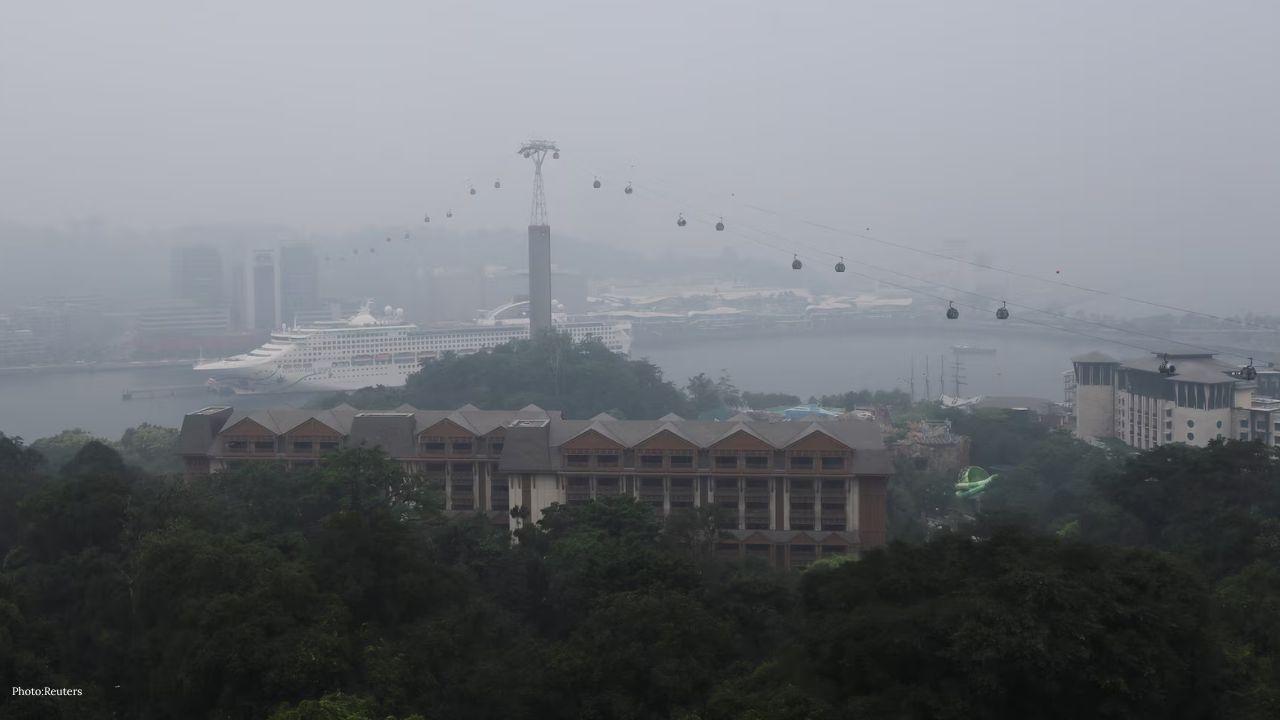
Singapore Haze: PM2.5 Pollution Rises in Three Regions
Singapore haze worsens as PM2.5 reaches high levels in three regions. Check air quality, health risk

G7 to Hold AI Cybersecurity Exercises to Protect Financial Systems
G7 finance leaders will conduct AI cybersecurity exercises to prepare for cyber attacks and protect