You have not yet added any article to your bookmarks!
Join 10k+ people to get notified about new posts, news and tips.
Do not worry we don't spam!
Post by : Rohit Dhiman
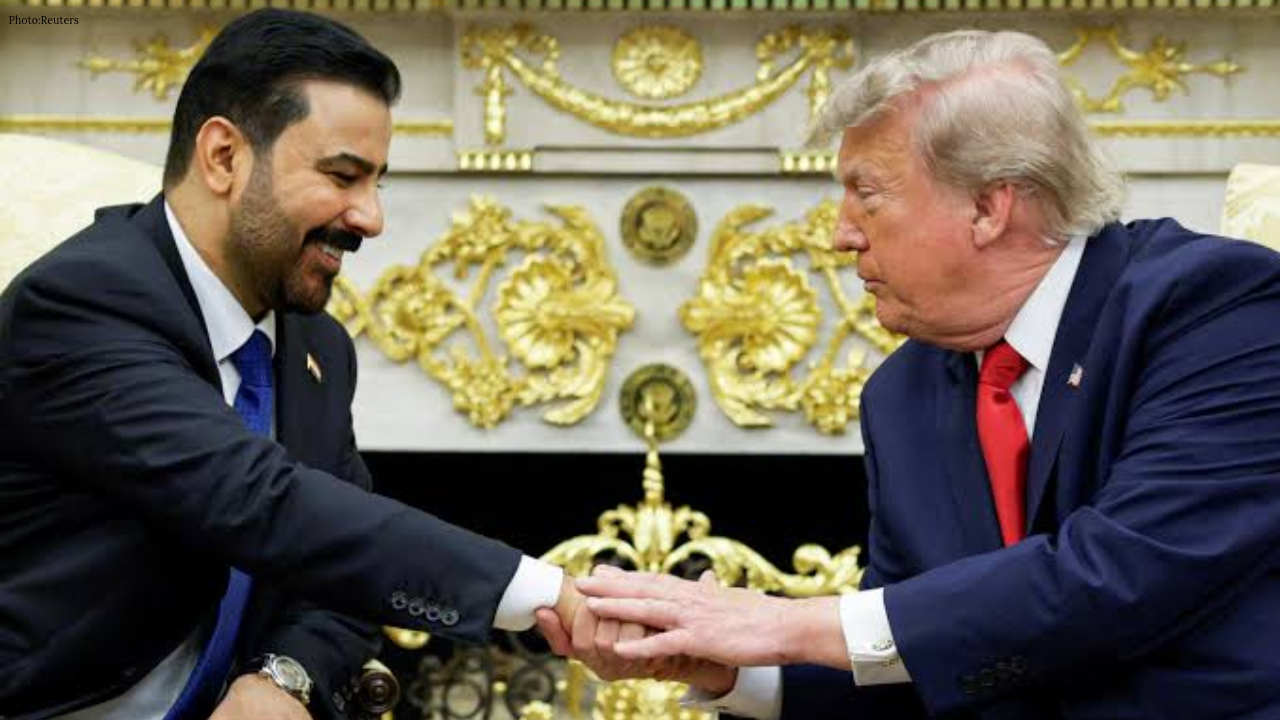
US President Donald Trump has publicly supported Iraqi Prime Minister Ali al-Zaidi's efforts to expand federal government control across Iraq, including measures targeting illegal oil trading, corruption and armed groups operating outside the authority of the state. Trump's statement signals Washington's backing for Baghdad's attempts to strengthen national institutions and bring important security and economic activities under central government supervision. In a post published on his Truth Social platform on Friday, November 27, Trump expressed support for the Iraqi prime minister's agenda, particularly his efforts to prevent the unauthorised movement of Iraqi oil, tackle corruption and ensure that weapons remain exclusively under government control. The statement comes at a sensitive time for Iraq, where the federal government is facing resistance from powerful political and armed factions over control of oil resources, international border crossings and security arrangements. The developments have also brought Baghdad into a difficult position involving Iran-aligned armed groups and authorities in the semi-autonomous Kurdistan region. Both issues carry significant implications for Iraq's political stability, economic recovery and relations with international partners.
Trump's message went beyond expressing support for the Iraqi government's anti-smuggling campaign. He also highlighted the importance of building a united and prosperous Iraq capable of making its own political decisions. His statement reflects Washington's interest in seeing Iraq strengthen its national institutions and reduce the influence of armed organisations that operate beyond direct government supervision. Iraq occupies an important strategic position in the Middle East because of its energy resources, geographical location and relationships with both the United States and Iran. Maintaining political stability in the country is therefore important for regional security and international economic interests. Trump's public endorsement also gives political support to al-Zaidi at a time when his government is attempting to implement decisions that challenge powerful interests within the country.
One of the biggest issues behind the current political developments is the alleged smuggling of Iraqi crude oil. Iraqi government spokesperson Haider al-Aboudi said that oil exports conducted without going through the State Organization for Marketing of Oil (SOMO) should be treated as smuggling because the revenue does not reach the national treasury. He also claimed that Iraq may have lost approximately $100 billion through oil smuggling activities in the Kurdistan region between 2008 and 2025. However, the exact methodology used to calculate this figure has not been made clear. The estimate has therefore not been independently established. The dispute is particularly important because oil revenue is a major source of income for Iraq. Any unauthorised movement or sale of crude oil can affect government finances, public spending and the country's ability to attract international investment. Baghdad wants oil exports to operate under federal supervision so that revenue can be accounted for through official government channels.
The Iraqi government's latest decisions have also intensified tensions with the semi-autonomous Kurdistan region. On Thursday, November 26, Iraq closed two border crossings located in the Kurdistan-administered region. One crossing connects Iraq with Syria, while the other is located along the Iranian border. The closures followed Prime Minister Ali al-Zaidi's instructions to federal authorities to assume control of border crossings previously administered by the regional government. Baghdad considers these measures necessary to strengthen border security, prevent illegal trade and stop the movement of goods and oil through unauthorised routes. The federal government's actions have also raised concerns among Kurdish political leaders, who believe that the decisions could weaken the region's constitutional powers and administrative independence. Thousands of Kurdish protesters reportedly took to the streets on Thursday, opposing Baghdad's efforts to bring oilfields and international border areas under federal control.
The Kurdistan Regional Government (KRG) has expressed opposition to the language and approach adopted by Baghdad while announcing the latest measures. Regional authorities rejected what they described as military threats and argued that federal decisions should respect the constitutional position of the Kurdistan region. The Kurdish administration has also maintained that it supports efforts to tackle corruption and prevent oil smuggling. However, the disagreement centres on who should exercise authority over important economic and security assets, including oilfields, border crossings and the deployment of federal forces. Relations between Baghdad and the Kurdish leadership have remained sensitive for years because of disagreements over oil revenues, territory, trade and political powers. The situation became particularly tense in 2017 when the central government responded to the Kurdistan region's independence referendum. Although relations improved in subsequent years, disagreements over energy resources and federal authority have continued.
Read Also: Iraqi Forces Deploy Across Baghdad Green Zone Amid Security Fears
Another important development came from Iraq's highest judicial authority. The country's highest court ruled that Baghdad has the constitutional power to deploy federal forces along all international borders, including those located within the Kurdistan region. The decision provides legal support for the federal government's position on border security and gives al-Zaidi's administration an important basis for implementing its plans. Following the ruling, federal authorities have moved towards strengthening their presence in strategically important areas. However, a legal decision does not automatically guarantee that every government directive will be implemented without resistance. Political disagreements and the influence of established regional interests could make the process complicated. The challenge for Baghdad will be to enforce federal authority while managing relations with Kurdish leaders and avoiding further instability.
The confrontation with Kurdish authorities is not the only major challenge facing al-Zaidi's government. Just a week earlier, the Iraqi prime minister ordered the army to prepare for an operation involving Kataib Hezbollah, a powerful Shiite armed group aligned with Iran. The government has accused the organisation of operating a smuggling network in Jurf al-Sakhar, an area located south of Baghdad. The group initially resisted the government's move. However, it later agreed to allow Iraqi soldiers to enter the area following negotiations and a compromise arrangement. The government action is part of a broader effort to bring security operations and armed organisations under official state supervision. The issue of weapons outside government control has remained a significant challenge for Iraq, where armed groups have accumulated considerable political and military influence over several decades of conflict. Trump's support for al-Zaidi's objective of placing all weapons under state authority is therefore particularly relevant to this confrontation.
Ali al-Zaidi, a 41-year-old businessman who entered politics relatively recently, became prime minister around six months before these developments through a political compromise. His efforts to strengthen federal control have now brought him into confrontation with influential groups on multiple fronts. On one side, Kurdish authorities are resisting decisions affecting their control over oilfields and border crossings. On the other, Iran-aligned armed organisations face increasing government pressure over their activities and alleged involvement in smuggling. Political analysts have cautioned that implementing these measures could prove difficult because powerful interests have become deeply established within Iraq's political and economic structures. The government will need to balance law enforcement, constitutional arrangements and political negotiations if it wants to achieve its objectives without triggering further confrontations. Trump's public backing may strengthen al-Zaidi's political position internationally, but the success of the campaign will ultimately depend on how effectively Baghdad implements its decisions within Iraq.
Iraq's latest political developments are attracting international attention because the country has strategic importance in the Middle East. It is one of the world's major oil-producing nations and maintains important relationships with both Washington and Tehran. The United States has an interest in a stable Iraqi government that can protect its national institutions, manage its resources and maintain control over security operations. At the same time, Iraq has to manage its relationship with Iran, whose political and military influence extends through several regional networks and allied armed organisations. The growing disagreement between Baghdad and Kurdish authorities also presents challenges for regional trade, oil exports and border security. For international energy markets, any disruption involving Iraqi oil production or exports could become an important development. The coming weeks will therefore be significant in determining whether al-Zaidi's government can translate its announced policies into lasting administrative and security changes.

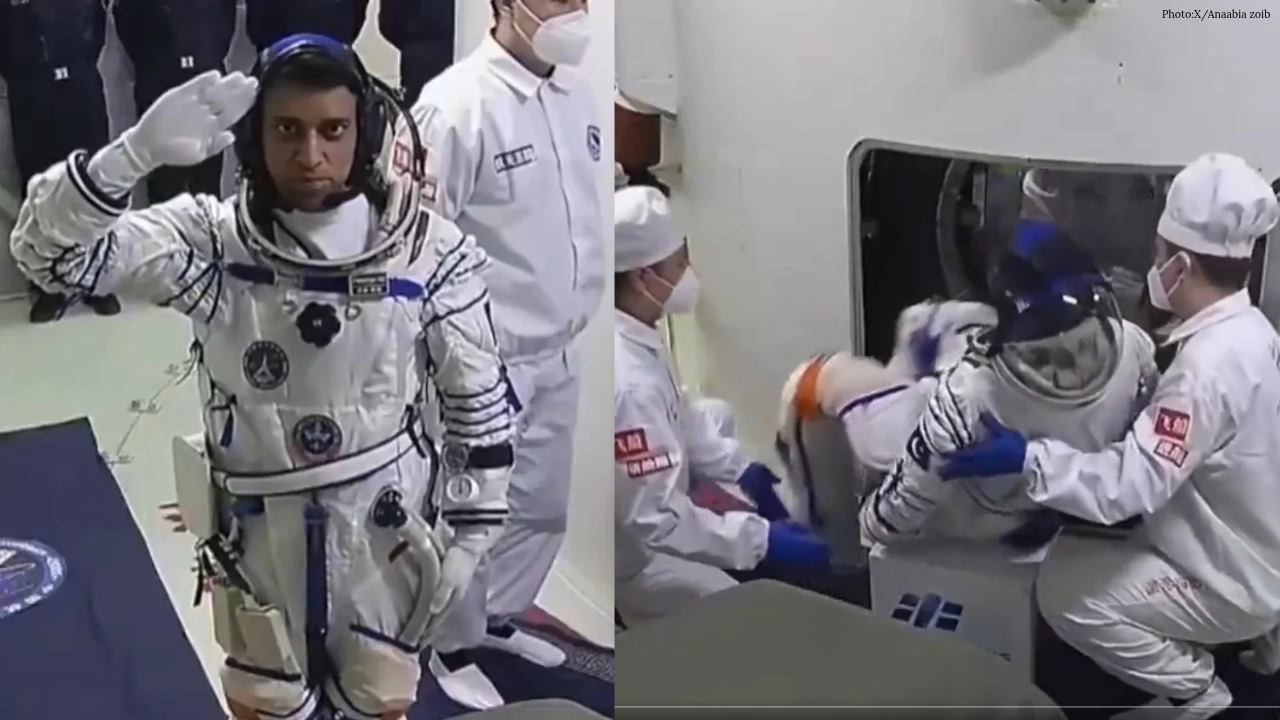

Elon Musk Promises Two SpaceX Shares to Every Child in the US
Elon Musk and SpaceX plan to give two shares to every eligible US child through Trump Accounts, crea

AB de Villiers Urges Cricket to Move Beyond Sandpapergate Scandal
AB de Villiers urges cricket to move beyond the Sandpapergate scandal while preserving the spirit of
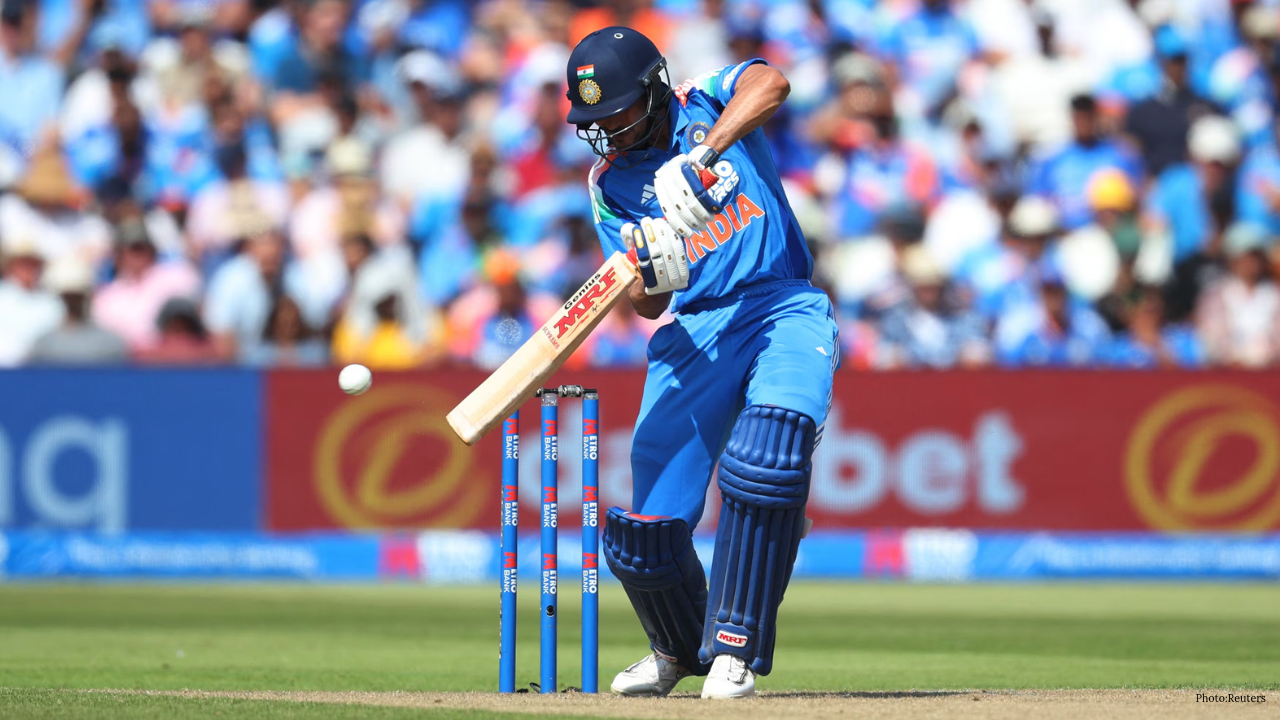
Shubman Gill Wants Bowler-Friendly Pitch for 2nd Test
Shubman Gill wants a bowler-friendly Christchurch pitch as India prepare to bounce back after a draw
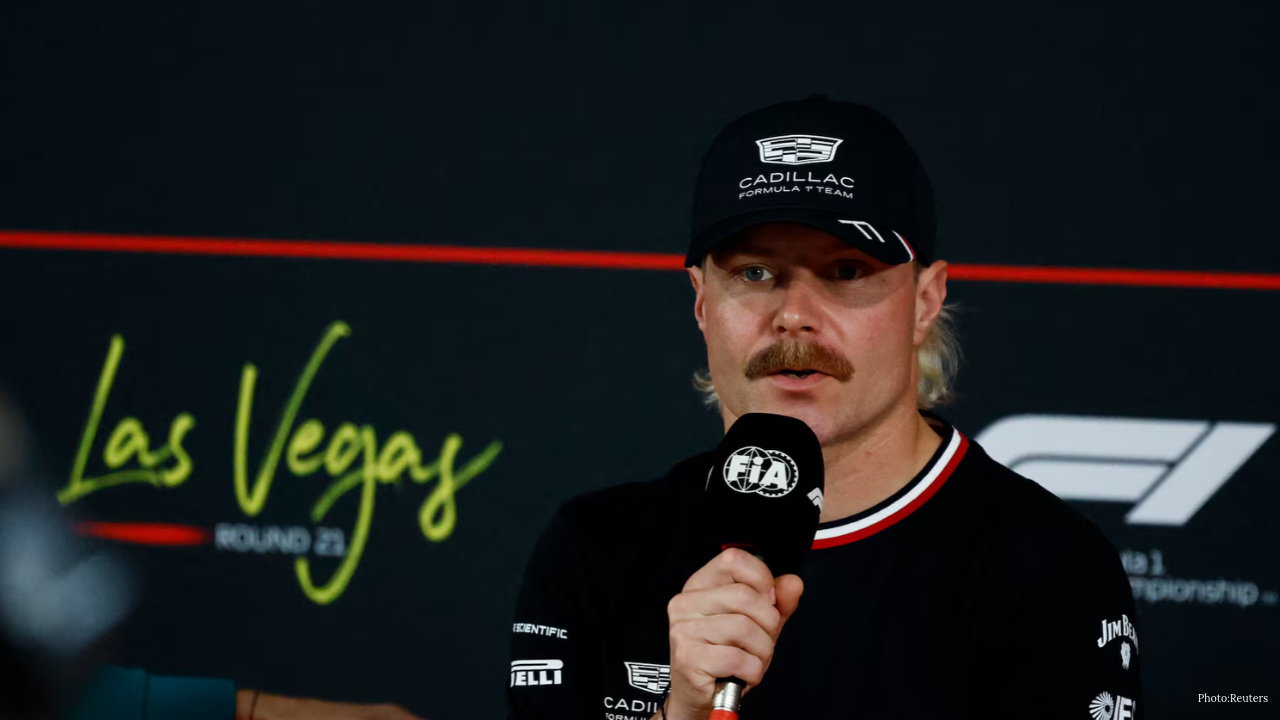
Cadillac Targets F1 Progress After Difficult Debut Season
Cadillac F1 retains Valtteri Bottas for 2027 as Dan Towriss focuses on team stability, performance a

GTA 6 Launches Worldwide After 13 Years With a New Vice City Story
GTA 6 arrives after 13 years with Jason and Lucia, a new Vice City world, immersive gameplay, major

Arda Guler Signs Six-Year Real Madrid Contract Extension Until 2032
Arda Guler signs a new six-year Real Madrid deal, extending his stay until 2032 after an impressive