
You have not yet added any article to your bookmarks!
Join 10k+ people to get notified about new posts, news and tips.
Do not worry we don't spam!
Post by : Anis Farhan
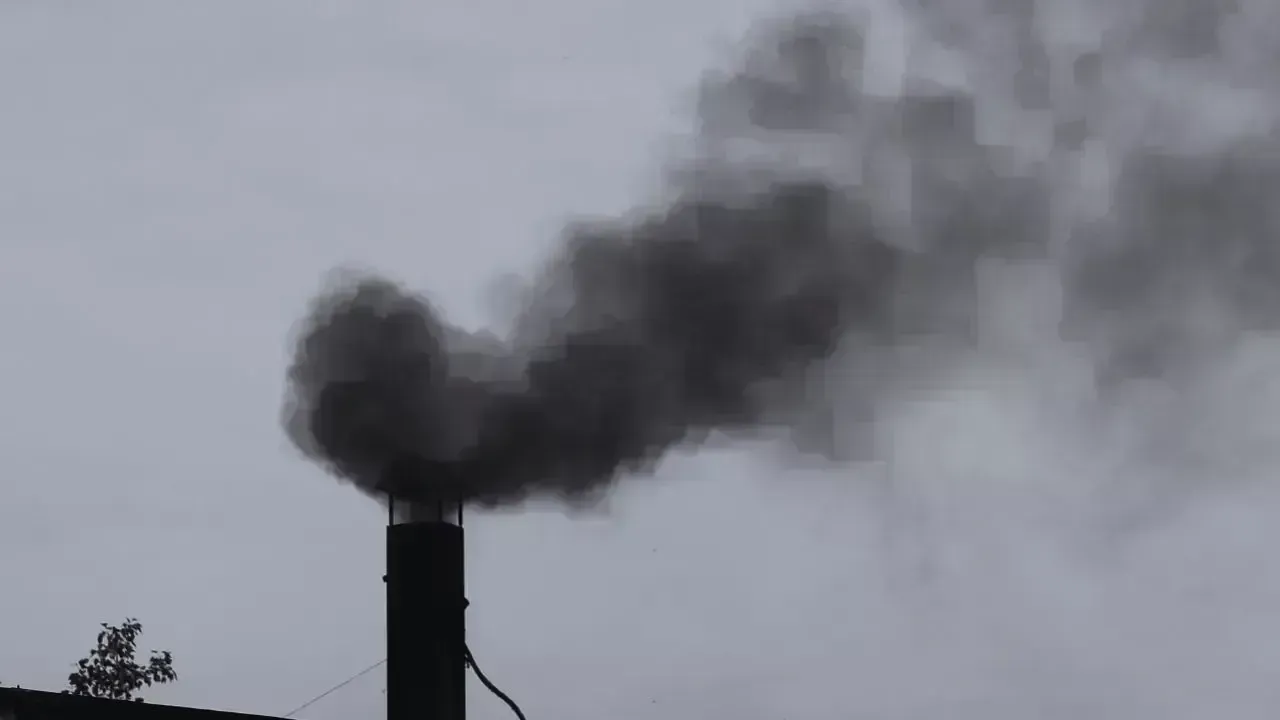
The year 2025 has delivered a significant wake-up call: global greenhouse gas emissions have climbed to their highest point on record. Despite repeated pledges, countless climate summits, and aggressive clean-energy investments, the world is still moving in the wrong direction.
This rise in emissions has deep implications. It challenges scientific pathways for limiting global warming, complicates national targets, and tests the credibility of current climate strategies. Countries that promised bold carbon cuts now face the daunting task of catching up — quickly.
But before determining whether climate goals remain realistic, it is crucial to understand why emissions continue to rise in a decade defined by renewable energy breakthroughs.
After cycles of slowdowns and partial recoveries across regions, economic activity surged in several major economies. Industrial output, transportation, and construction all expanded, increasing demand for fossil fuels. Many countries still rely heavily on coal, oil, and natural gas to stimulate economic activity during uncertain periods.
Developing nations face unique challenges. Their economies grow rapidly, populations expand, and infrastructure needs intensify. While clean-energy investment is rising, fossil fuels remain cheaper and more accessible in many regions. The reality is that development priorities often overshadow climate ambitions.
Geopolitical tensions, supply chain disruptions, and fluctuating commodity markets have made several countries prioritize energy security over clean-energy transitions. Stockpiling coal, expanding oil exploration, and reviving older power plants became short-term solutions to prevent outages.
Coal remains a major contributor to global emissions. Some countries promised rapid coal exits but slowed progress because of:
rising electricity demand
increased heatwaves placing strain on power grids
financial constraints on renewable projects
This dependence continues to undermine global climate commitments.
To keep warming below 1.5°C, global emissions needed to peak years ago. The 2025 record suggests the world is now significantly off track. Even with aggressive cuts, the remaining carbon budget is shrinking quickly.
Many nations announced net-zero goals for 2050, 2060, or 2070. These timelines are now in jeopardy because:
emissions are increasing faster than reductions
existing infrastructure locks in decades of fossil-fuel use
climate finance commitments remain unmet
Achieving net-zero requires sustained reductions, not temporary clean-energy spikes.
Higher emissions translate directly into stronger climate impacts:
intense heatwaves
erratic rainfall
stronger storms
rising sea levels
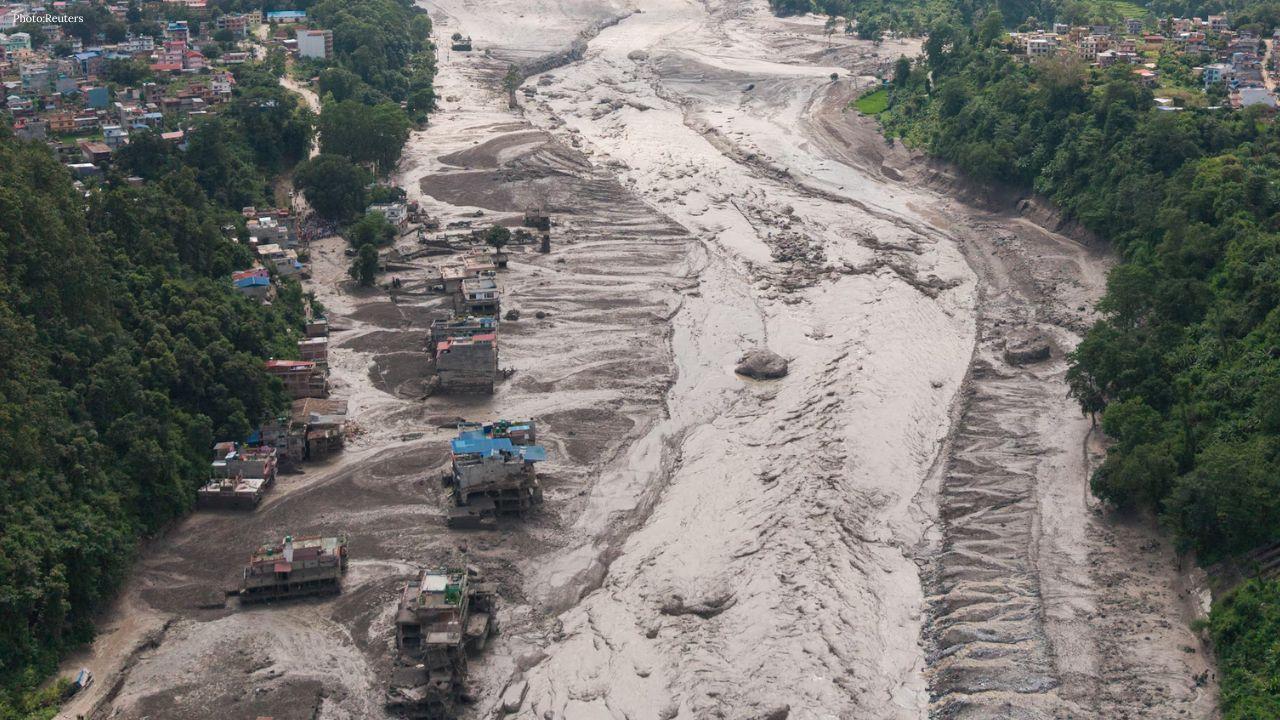
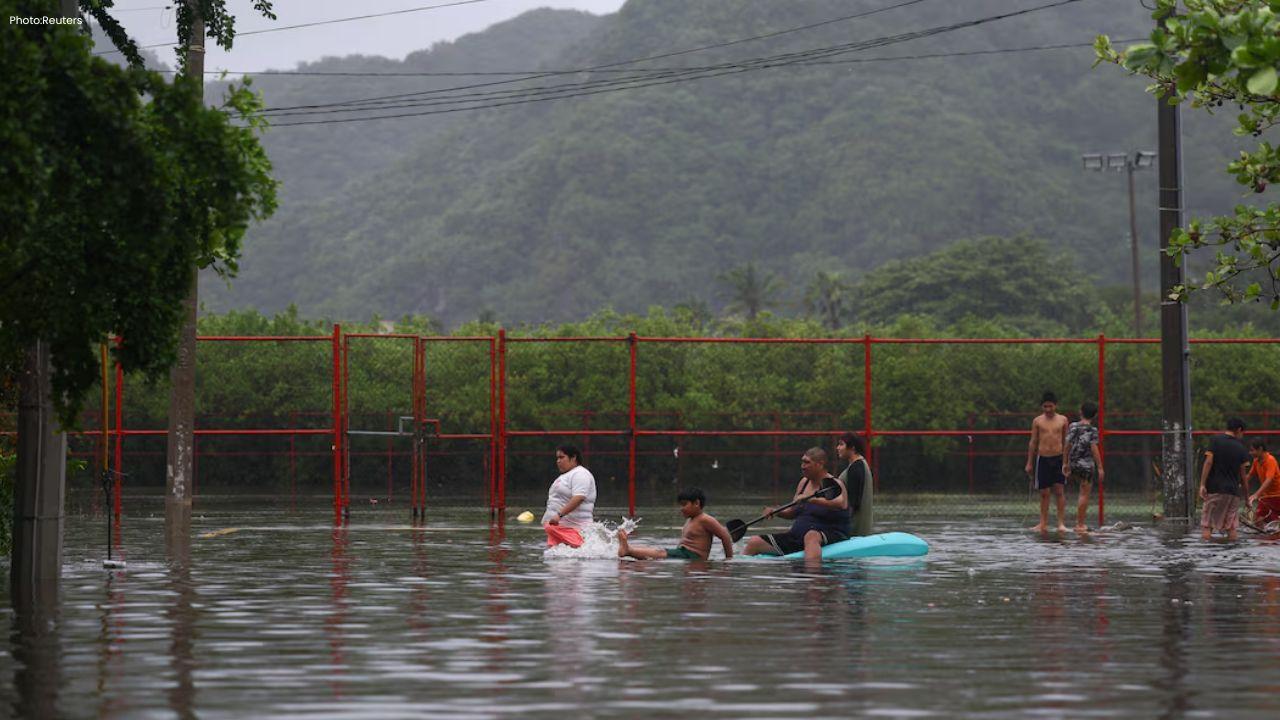
Communities worldwide are already facing climate-linked disasters at a faster pace than ever.
Solar, wind, and hydro capacity have all expanded significantly. Many regions now produce cheaper renewable power than fossil-fuel-based electricity. However, the challenge lies in scaling these technologies faster than rising demand.
EV sales have broken multiple records. Urban transportation is becoming cleaner, and many countries are phasing out combustion vehicles. Still, full decarbonization requires cleaner electricity grids and better charging infrastructure.
Global citizens are more aware of climate issues, pushing governments and industries to act. Youth movements, local activism, and corporate sustainability commitments continue shaping public policy.
However, awareness alone is not enough when emissions keep rising.
Many governments assume that upcoming technologies — like carbon capture or hydrogen fuel — will solve emissions later. This “future-fix” mindset delays immediate action.
Developing nations depend on international funding for clean-energy transitions. Pledges exist, but disbursements fall far short, stalling critical projects.
Even when policies exist, implementation often lags. Weak regulatory frameworks allow high-emission industries to continue business as usual.
Heavy industries — steel, cement, chemicals — remain difficult to decarbonize. Despite innovations, large-scale adoption is slow.
Governments now allocate more funds to recover from floods, storms, droughts, and wildfires. These costs strain budgets and divert resources from development priorities.
Insurance companies are adjusting to rising climate risks, making policies more expensive or unavailable in vulnerable areas.
Heatwaves, water scarcity, and shifting weather patterns reduce crop yields, affecting food prices and farmers’ incomes.
Extreme weather creates bottlenecks in manufacturing and logistics, increasing costs for companies and consumers.
Achieving the 1.5°C limit now requires unprecedented, immediate global emissions reductions. This means faster coal phaseouts, aggressive renewable deployment, and transformative energy reforms.
Limiting warming to 2°C will still require major action, but unlike the 1.5°C target, it remains within reach if countries intensify commitments immediately.
Existing commitments must be strengthened. Countries should shift from incremental improvements to comprehensive restructuring of energy systems.
Scaling solar and wind energy is one of the fastest ways to reduce emissions. Countries can accelerate progress by improving grid infrastructure and removing regulatory hurdles.
Electric vehicles, public transport enhancements, and cleaner fuel innovations can significantly lower emissions in cities.
Adopting green hydrogen, low-carbon manufacturing technologies, and carbon-capture tools can help industries reduce their footprint.
Protecting mangroves, regenerating forests, and enhancing soil carbon storage help offset emissions naturally.
Everyday actions help reduce demand-driven emissions:
reducing energy use
using public transport
choosing sustainable products
minimizing waste
Citizens can influence policy by advocating for renewable energy investment and supporting climate-friendly governance.
Communities must adapt to disasters by improving:
local resilience plans
water storage
early warning systems
Businesses contribute significantly to global emissions. Many large firms are adopting climate commitments, but implementation must accelerate.
Companies that innovate early in sustainability will gain long-term economic advantages as global markets shift toward green solutions.
Credible climate action requires measurable and verifiable progress, not vague net-zero pledges.
The record-high emissions of 2025 signal that time is running out. But they also highlight an opportunity. Humanity has the technology, scientific knowledge, and global awareness needed to steer away from the worst climate outcomes — if action becomes swift, coordinated, and ambitious.
Climate goals remain technically achievable, but only if governments, businesses, and citizens recognize the urgency of this moment. The next few years will determine whether global efforts succeed or fall short. The window to secure a safer climate future is narrow, but it is still open.
This article provides general climate insights and does not represent scientific or policy-specific advice. Climate outcomes depend on evolving research, international cooperation, and regional conditions.







Beauden Barrett Opens Up About Mental Struggles During All Blacks Exile
Beauden Barrett discusses his confidence struggles after missing six tests, his return against Austr

IMF Says AI Investment Supports Global Growth Despite Energy Shock
IMF says AI investment is supporting global growth near 3%, with Asian economies benefiting from ris

Will O'Rourke Ruled Out of New Zealand's India Series
New Zealand fast bowler Will O'Rourke will miss the India series with hamstring and calf injuries as

AI Companies Expected to Drive Most US Earnings Growth in Q3
AI companies are expected to drive US third-quarter earnings growth as investors assess tech profits

Money Market Funds See Record Inflows as Global Bond Selloff Intensifies
Global money market funds attract $153.81 billion as bond yields rise, inflation fears persist and i

Meta Bans TikTok Ads on Facebook and Instagram in Seven Countries
Meta has banned TikTok ads in seven countries, escalating competition over social media users, adver

