
You have not yet added any article to your bookmarks!
Join 10k+ people to get notified about new posts, news and tips.
Do not worry we don't spam!
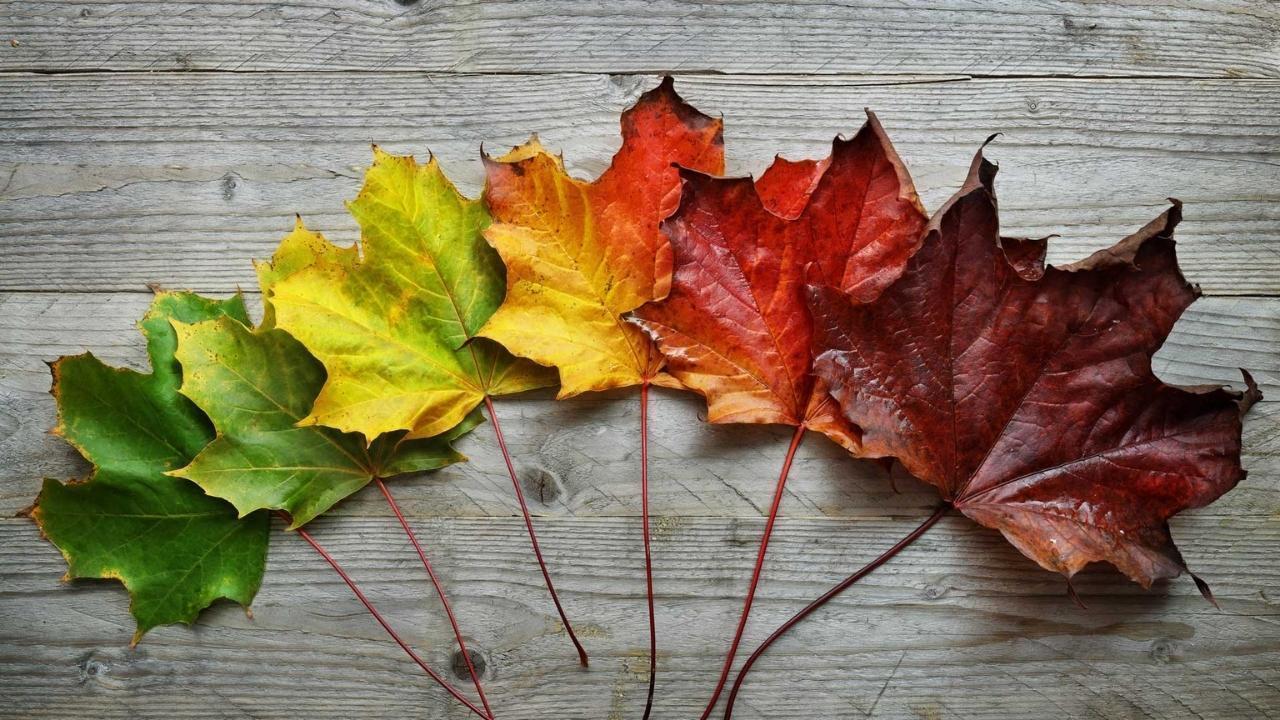
Post by : Anis Farhan
Autumn is famous for turning ordinary green landscapes into dramatic scenes of gold, orange and red. In many parts of the world, the arrival of cooler weather is marked not just by falling temperatures but also by trees that seem to change colour overnight. For children, it often feels like nature is painting the leaves for fun. For scientists, however, it is one of the clearest examples of how chemistry and biology work together in everyday life.
The colour shift in autumn leaves is not random, and it is not a “new colour” being added from outside. It is a chemical and biological process inside the leaf, shaped by sunlight, temperature, water supply and the way trees prepare for winter. The leaf’s colour change is essentially a visible sign of a tree shutting down one system and switching to another.
The key to understanding autumn colours lies in plant pigments — natural chemicals that absorb and reflect light. While green chlorophyll dominates most of the year, autumn reveals other pigments that were always present but hidden. In some cases, trees also produce fresh pigments in response to changing conditions, creating deeper reds and purples.
A leaf is not just a flat green decoration on a tree. It is a living, working structure designed for one main purpose: producing food for the plant.
Leaves act as solar-powered factories, converting sunlight into energy using a process called photosynthesis. This process allows plants to make glucose (a type of sugar) from carbon dioxide and water. Oxygen is released as a by-product.
Photosynthesis is the reason plants can grow without eating food the way animals do. It is also the reason forests, gardens and even tiny plants play such a huge role in Earth’s environment.
The most important pigment in photosynthesis is chlorophyll. Chlorophyll molecules sit inside leaf cells, mainly within structures called chloroplasts.
Chlorophyll is green because it absorbs mostly red and blue light and reflects green light. That reflected green light is what our eyes detect, making leaves appear green for most of the year.
Chlorophyll is not permanent. It breaks down over time and must be constantly replaced. During spring and summer, trees have enough sunlight and resources to keep producing fresh chlorophyll, maintaining the strong green colour.
Autumn begins a different chapter in a tree’s life cycle. Trees in temperate regions must prepare for winter, a season when sunlight is weaker, temperatures drop, and water in the soil may become difficult to access.
As days get shorter, trees receive a clear signal: winter is approaching. This shift in daylight length is one of the strongest triggers for autumn changes.
Trees begin to slow down photosynthesis and stop producing new chlorophyll. Without constant replacement, chlorophyll levels fall as the existing molecules break apart.
Once chlorophyll fades, other pigments that were hidden underneath begin to show.
Leaves contain more than one pigment. The reason we do not notice the others in summer is because chlorophyll is so dominant that it masks them.
When chlorophyll breaks down, the leaf’s “hidden palette” becomes visible.
The most important pigment groups revealed are:
Carotenoids (yellow and orange tones)
Anthocyanins (red and purple tones)
Each pigment plays a different role in the plant’s survival and energy management.
Carotenoids are pigments that give many fruits and vegetables their colour. They are responsible for the orange in carrots and the yellow in corn.
In leaves, carotenoids are present throughout the year. They help plants absorb extra light energy and protect leaf cells from damage caused by too much sunlight.
In summer, carotenoids are overshadowed by chlorophyll. But in autumn, as chlorophyll disappears, carotenoids remain — and the leaf begins to look yellow or orange.
This is why many trees, such as birch and aspen, often turn bright yellow.
Anthocyanins are pigments responsible for red, purple and sometimes deep blue colours in plants. They appear in strawberries, cherries, red cabbage and many flowers.
Unlike carotenoids, anthocyanins are often not present in large amounts during summer leaves. Many trees actually begin producing anthocyanins during autumn.
This is why some trees suddenly develop vivid reds and purples rather than just fading into yellow.
Scientists believe anthocyanins may help trees in several ways:
Protect leaves from sunlight damage during the shutdown phase
Help trees recover nutrients from leaves more efficiently
Act as a “chemical sunscreen” as chlorophyll disappears
Trees such as maples are famous for strong anthocyanin-driven reds.
Autumn colours are only one part of the story. The bigger goal for the tree is to safely drop leaves without losing valuable nutrients.
Leaves contain important materials like nitrogen, phosphorus and minerals. If a tree simply dropped leaves without preparation, it would waste these resources.
Instead, trees begin a process of nutrient recycling.
They break down chlorophyll and transport useful nutrients back into branches, trunk and roots. These stored nutrients help the tree survive winter and regrow new leaves in spring.
This recycling is one reason leaves change colour before falling.
As autumn progresses, trees form a special layer of cells at the base of each leaf stem. This is called the abscission layer.
This layer acts like a controlled breaking point. It slowly blocks the flow of water and nutrients into the leaf.
When the connection weakens enough, wind or the leaf’s own weight causes it to fall.
This process protects the tree by sealing the leaf scar, reducing water loss and preventing infections.
Not all trees change colour at the same time. Some remain green longer into autumn, while others change early.
This depends on several factors:
Tree species
Local temperature
Water availability
Soil nutrients
Exposure to sunlight
Sudden cold snaps
Some trees are genetically programmed to begin shutting down earlier. Others keep producing chlorophyll longer if conditions stay warm and bright.
People often say some years have “better autumn colours” than others. This is not just imagination. Weather conditions can strongly affect the intensity of leaf colours.
One of the best conditions for bright red leaves is a pattern of sunny days and cool nights.
Sunny days help the leaf keep producing sugars through photosynthesis. Cool nights slow the movement of sugars out of the leaf.
When sugar builds up in the leaf, it can encourage anthocyanin production, leading to stronger reds and purples.
Drought stress can cause leaves to drop early, sometimes before full colour develops. Too much rain and cloudy weather can also reduce colour intensity by limiting sunlight.
A sudden frost can damage leaves before the colour process completes. In such cases, leaves may turn brown and fall quickly.
Not all leaves become bright yellow or red. Some turn dull brown.
Brown colour is often caused by tannins. Tannins are chemical compounds found in many plants. They can protect leaves from insects and help slow decomposition after leaves fall.
Brown leaves can also be a sign that leaf cells were damaged, either by frost, drought, disease or wind.
In many cases, brown appears late, after other pigments have already faded.
Many people wonder why pine, fir and other evergreen trees do not show dramatic autumn colours.
Evergreens keep their needles year-round, though they still shed older needles gradually.
Their needles are adapted to survive cold weather, and they continue photosynthesis in small amounts even during winter.
Because evergreens do not shut down in the same way as deciduous trees, they do not break down chlorophyll all at once, and the green colour remains.
Autumn colour change can be understood as a three-step story:
The tree stops making chlorophyll as days shorten
Green fades, revealing yellow and orange carotenoids
Some trees produce anthocyanins, adding red and purple
Then, the tree forms an abscission layer, cuts off the leaf, and drops it.
The colour change is not just for beauty. It is part of survival.
Trees in cold climates face winter conditions where:
Water is harder to access
Sunlight is limited
Temperatures can damage leaf cells
Maintaining leaves becomes too costly
Dropping leaves helps trees conserve energy and reduce water loss. It also prevents leaf damage from snow and ice.
Autumn colours are a side effect of this shutdown process — but also a sign that the tree is managing its resources carefully.
Fallen leaves are not waste. They play an important role in ecosystems.
As leaves decompose, they return nutrients to the soil. They also provide:
Shelter for insects and small animals
Material for fungi and bacteria
Organic matter that improves soil structure
In forests, the yearly fall of leaves is one of the key cycles that keeps the ecosystem healthy.
Different trees tend to show different colour patterns due to pigment differences.
Birch
Aspen
Poplar
These trees show strong carotenoid colours.
Maple
Sweetgum
Some oak varieties
These trees often produce anthocyanins.
Many oaks
Beech
Some fruit trees
These trees may show combinations of yellow, orange, red and brown.
Autumn leaves are a natural chemistry lab that anyone can observe.
They demonstrate:
Pigments and light absorption
Chemical breakdown and recycling
Plant survival strategies
The role of weather and environment
It is one of the easiest ways for children and adults to see biology and chemistry happening in real time.
Autumn leaf colour change is not magic, but it is remarkable. It is the result of complex chemistry and biology working together as trees prepare for winter.
Chlorophyll fades as trees stop replacing it. Carotenoids reveal their yellows and oranges. Anthocyanins appear in some species, producing deep reds and purples. The tree then seals off the leaf through the abscission layer, allowing it to fall safely while conserving valuable nutrients.
What looks like a beautiful seasonal transformation is actually a survival plan — one that has evolved over millions of years. Every autumn, trees quietly perform this process again, turning forests into a living demonstration of nature’s chemistry.
Disclaimer:
This article is intended for educational and informational purposes only. It explains biological and chemical processes in plants and is not meant to replace academic textbooks or professional scientific guidance.










PM Modi Pays Tribute to Mahatma Gandhi, Urges People to Support Khadi
PM Modi pays tribute to Mahatma Gandhi on Gandhi Jayanti and urges citizens to support Khadi and the

Amazon Seeks to Offload $8 Billion in Nvidia Chips to Investors
Amazon plans to move $8 billion in Nvidia chips to investors, using a new financing model to strengt

Samsung Raises Galaxy S26 Prices as Memory Chip Costs Rise
Samsung raises Galaxy S26 prices in South Korea as rising memory chip costs put pressure on smartpho

Lewis Hamilton Calls Singapore Grand Prix One of F1's Toughest Races
Lewis Hamilton discusses the demanding Singapore Grand Prix and brings Plus44 and Almave to Singapor

Denmark's Pandora Opens World's Largest Jewellery Factory in Vietnam
Pandora opens its largest jewellery factory in Vietnam, expanding global production, strengthening s

Gautam Gambhir Questions Batting-Friendly Pitches After India's Record ODI Chase
Gautam Gambhir questions batting-friendly ODI pitches after India’s record chase, calling for a bett

