You have not yet added any article to your bookmarks!
Join 10k+ people to get notified about new posts, news and tips.
Do not worry we don't spam!
Post by : Anis Farhan
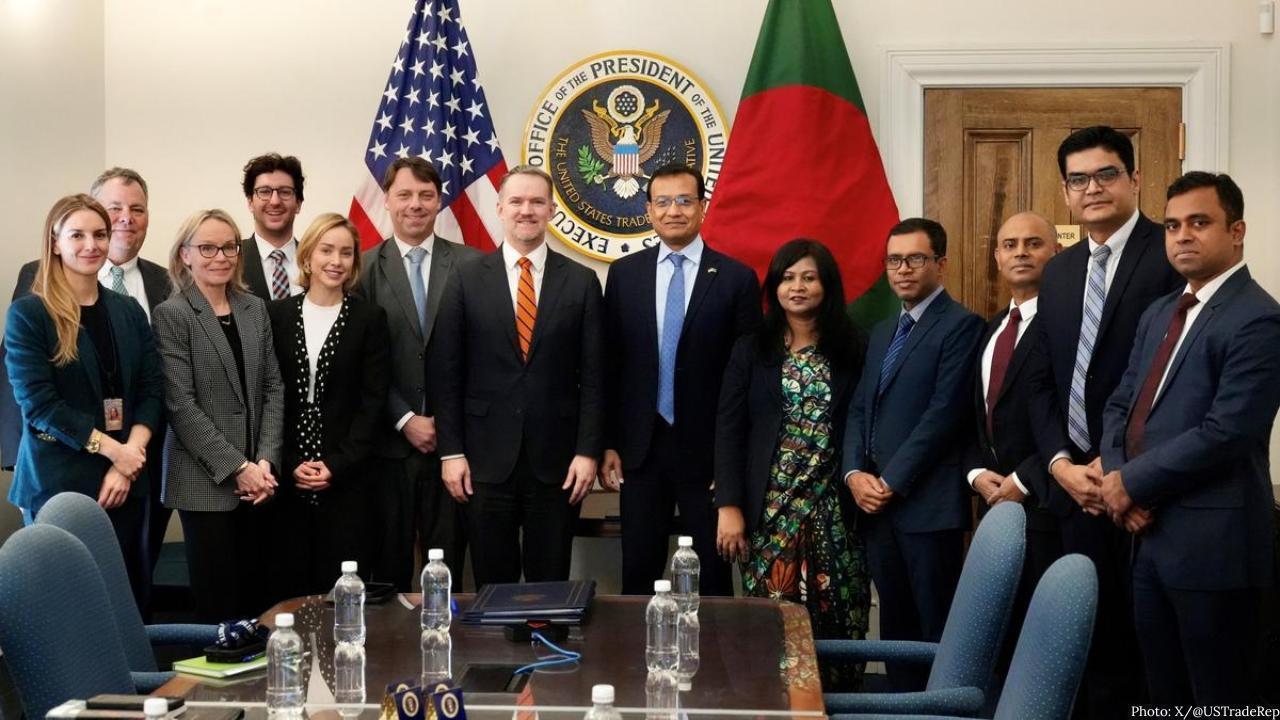
The United States and Bangladesh have reached a landmark trade agreement that will see U.S. tariffs on Bangladeshi exports cut to 19%, down from the previously negotiated 20%, authorities announced on Monday, marking a new chapter in economic ties between the two nations. The pact also includes zero-tariff treatment for select textile and apparel products imported into the U.S. when they are produced using American inputs, a key concession aimed at boosting Bangladesh’s garment sector — a vital component of its economy.
The agreement was finalised after nearly nine months of negotiations and comes just days ahead of Bangladesh’s general elections, which are scheduled to begin on February 12. Leaders from both sides described the accord as a step toward strengthening bilateral trade and further integrating the two economies.
Under the new terms, U.S. tariffs on Bangladeshi goods will be set at 19% on most products, slightly higher than the 18% rate India secured in its recent trade pact with the United States, but accompanied by provisions that allow certain Bangladeshi garments and textile exports to enter the U.S. duty-free if they incorporate U.S.-sourced cotton or man-made fibers.
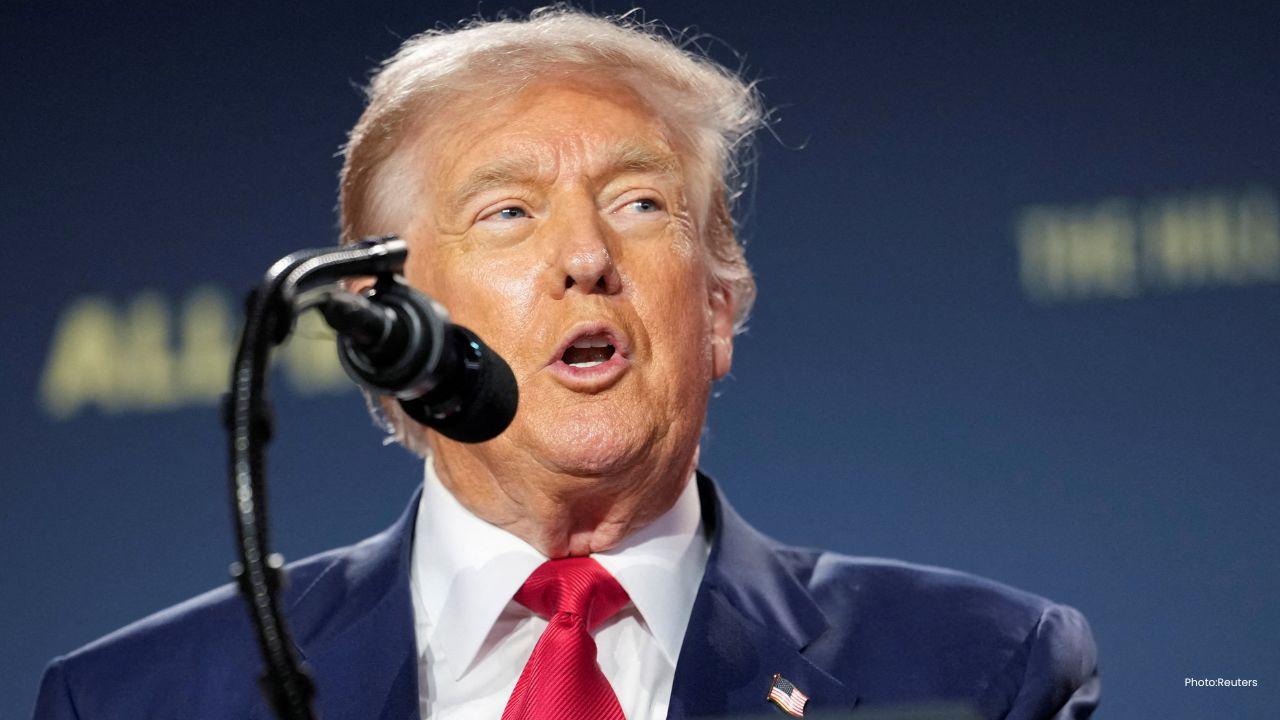
Last year, the U.S. government imposed “reciprocal” tariffs on Bangladeshi exports that reached as high as 37%, part of a broader tariff policy under President Donald Trump aimed at addressing what Washington described as trade imbalances with key partners. The tariffs were later negotiated down to 20% in August 2025 following preliminary trade discussions.
The new deal officially lowers that rate further to 19%, and outlines mechanisms that may grant zero percent tariff rates to specified categories of textiles and ready-made garments that use U.S. raw materials, such as cotton and man-made fiber.
This approach is part of a broader effort by Washington to encourage mutually beneficial trade relations, reduce barriers and create structured economic cooperation while also protecting American industry interests.
The Agreement on Reciprocal Trade between the United States and Bangladesh includes a number of significant elements that go beyond tariff reductions, reflecting cooperation on multiple pillars of trade and economic policy.
U.S. “reciprocal” tariffs on Bangladeshi exports are now fixed at 19%, down from a previous 20% rate.
A mechanism for zero percent tariffs will apply to certain textile and apparel goods produced with U.S. inputs, allowing duty-free exports within specified volumes tied to U.S. exports of cotton and related materials.
As part of the broader agreement, Bangladesh has pledged preferential market access for a wide range of U.S. industrial and agricultural products, including machinery, chemicals, energy products, dairy and soy, among others. The pact aims to deepen commercial ties by facilitating easier trade and investment between both nations.
The two countries have also committed to addressing and reducing non-tariff barriers, such as mutual recognition of safety standards and certifications for vehicles, medical devices and pharmaceuticals, as well as the removal of licensing requirements on certain imported goods.
Additional provisions include cooperation on digital trade facilitation, permitting free cross-border data flows, and supporting a permanent global moratorium on customs duties related to electronic transmissions — moves intended to modernise trade practices and reduce friction.
Bangladesh also agreed to strengthen enforcement of internationally recognised labor rights, curb forced or compulsory labour, adopt stronger environmental protections and improve enforcement of both labour and environmental laws — steps seen as crucial for securing access to developed markets like the United States.
Bangladesh’s garment industry, often described as the backbone of its export economy, accounts for around 80% of its export earnings and employs millions of workers, making preferential access to the U.S. market economically significant.
The zero-tariff provisions are expected to enhance competitiveness for Bangladeshi producers in the global textile market, particularly as the country faces stiff competition from other exporters such as India, Vietnam and Cambodia. Bangladesh’s ability to supply apparel to the U.S. without tariffs — so long as they are made with agreed-upon U.S. inputs — could strengthen its position as a leading garment exporter.
Economists and trade analysts say this preferential access could incentivise greater use of U.S. raw materials and fabrics, further integrating the two countries’ textile supply chains and potentially increasing U.S. exports of cotton and man-made fibers to Bangladesh.
The timing of the tariff reduction has drawn attention because it comes just days before Bangladesh’s national elections, where economic performance and job creation are expected to be key issues. Supporters of the deal argue that tariff relief and expanded export opportunities could boost investor confidence and contribute positively to the country’s economic outlook.
From a strategic perspective, the deal also aligns with broader regional trade dynamics. Earlier this month, the United States finalised a major trade agreement with India, which reduced tariffs on Indian goods to 18%, including substantial concessions on apparel and other sectors. While India’s rate is slightly lower than Bangladesh’s 19%, the zero-tariff provisions for specific products give Bangladesh a competitive edge in certain labour-intensive industries.
Critics in neighbouring countries, particularly India, have noted that Bangladesh’s tariff-free access for some garments may create challenges for Indian exporters, even as tariffs on Indian goods were reduced under their own bilateral pact with the U.S.
Exporters and industry bodies in Bangladesh have broadly welcomed the tariff reductions, describing them as a boost to export competitiveness and a sign of strengthened bilateral economic relations. Leaders in the textile and garment sector emphasise that lower trade barriers could attract further foreign investment and support long-term growth in the industry.
At the same time, analysts urge that sustained benefits will depend on Bangladesh’s efforts to continue reforms in labor rights, product quality and compliance with international trade standards — areas highlighted in the agreement’s non-tariff provisions.
Bangladesh’s interim government, led by Chief Adviser Muhammad Yunus, framed the deal as a positive development that reflects mutual respect and growing economic cooperation between Dhaka and Washington. Government officials emphasised that the arrangement could help stabilise the economy, increase export revenues and open doors for further commercial engagement.
In the United States, trade officials described the agreement as a structured framework for long-term economic partnership, supporting U.S. industry while promoting sustainable development in Bangladesh. Washington highlighted the deal’s alignment with broader trade goals, including addressing non-tariff barriers and fostering supply chain resilience.
While the tariff reduction and zero-duty provisions are widely seen as positive steps, both governments acknowledge that ongoing work will be required to implement certain aspects of the agreement, particularly regulatory alignment and compliance with labor and environmental standards.
Some trade experts also caution that while the reduced tariffs are an improvement, they remain higher than typical preferential access rates under some global trade agreements, leaving room for further negotiation and potential trade liberalisation in future rounds of talks. Nonetheless, the current deal represents a meaningful foundation for deeper economic ties and could pave the way for broader cooperation in areas like technology, infrastructure and agriculture.
Both sides have agreed to undertake necessary domestic procedures to bring the agreement into effect, with expectations that the new tariff regime will start to influence trade flows later this year. Economists predict that preferential access and streamlined trade mechanisms could contribute to increased exports from Bangladesh, particularly in its top-exporting sectors such as garments, textiles and ICT services.
For the United States, the tariff adjustment also reflects a calibrated shift toward more balanced bilateral trade frameworks that incorporate market access, regulatory cooperation and shared economic interests, even as broader global trade landscapes continue to evolve.
Disclaimer:
This article synthesises reporting from multiple verified news sources on the United States–Bangladesh reciprocal trade agreement and the resulting tariff adjustments. The situation remains subject to economic developments and implementation progress by respective governments.




George Russell Wins Dutch GP Sprint, Boosts Mercedes Morale
George Russell wins the Dutch GP Sprint from pole as Mercedes teammate Kimi Antonelli extends his F1

Australia 50/3 After Bangladesh Bowled Out for 64 in Second Test
Australia reached 50/3 after Bangladesh were bowled out for 64 in the second Test, with Mitchell Sta

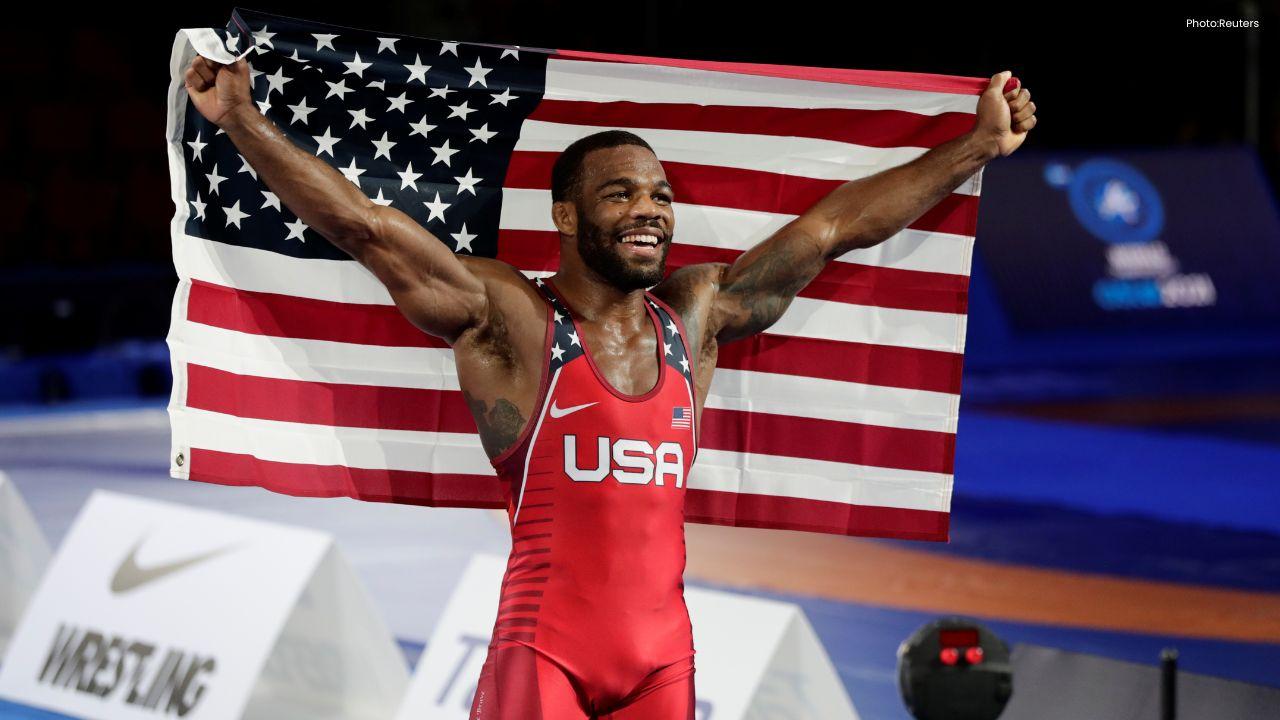
Jordan Burroughs Returns to Wrestling with 2028 Olympic Dream
Jordan Burroughs returns to wrestling with Real American Freestyle as the Olympic champion eyes a po

Lamborghini Catches Fire on Singapore's ECP, Causing Heavy Traffic
A Lamborghini caught fire on Singapore's ECP, causing heavy traffic and bus delays. No injuries were

Bangkok Airport Duty-Free Area Flooded by Pipe Burst
A burst water pipe flooded the duty-free shopping area at Bangkok's Suvarnabhumi Airport on July 16,
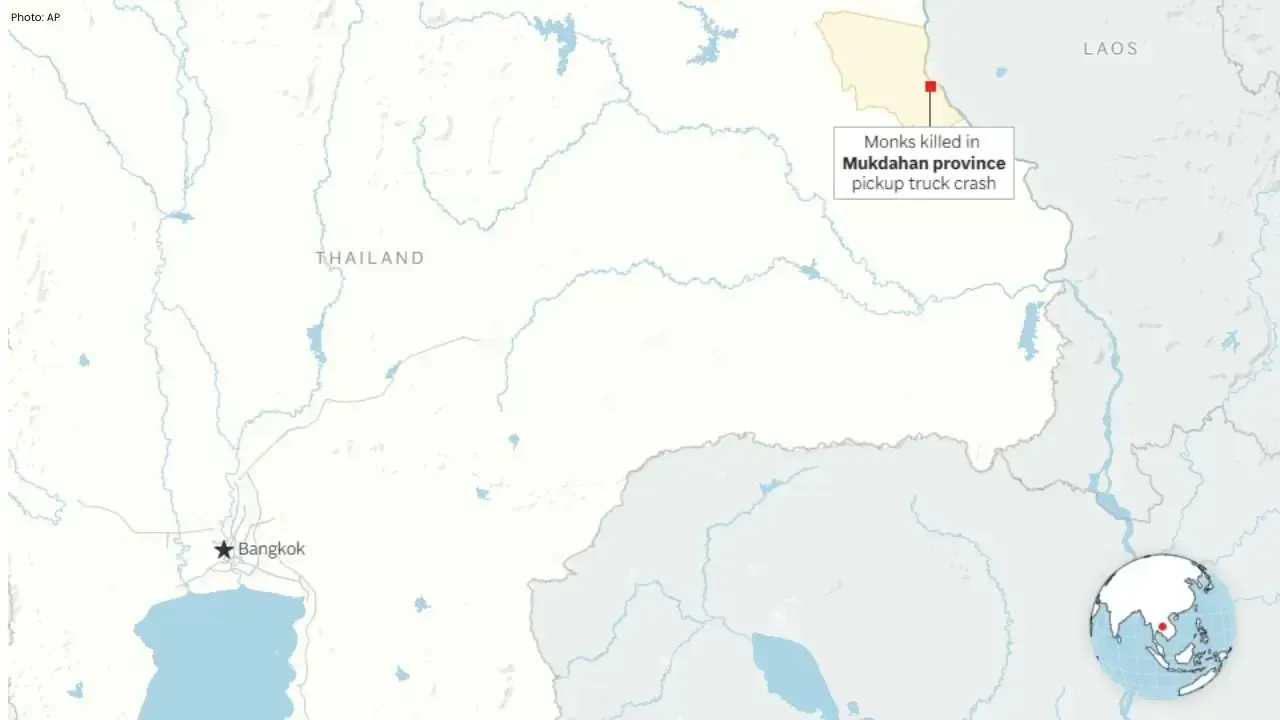
Nine Monks Killed in Thailand Pickup Truck Tragedy
An 11-year-old boy driving a pickup truck crashed into monks during a pilgrimage in northeastern Tha