
You have not yet added any article to your bookmarks!
Join 10k+ people to get notified about new posts, news and tips.
Do not worry we don't spam!
Post by : Anis Farhan
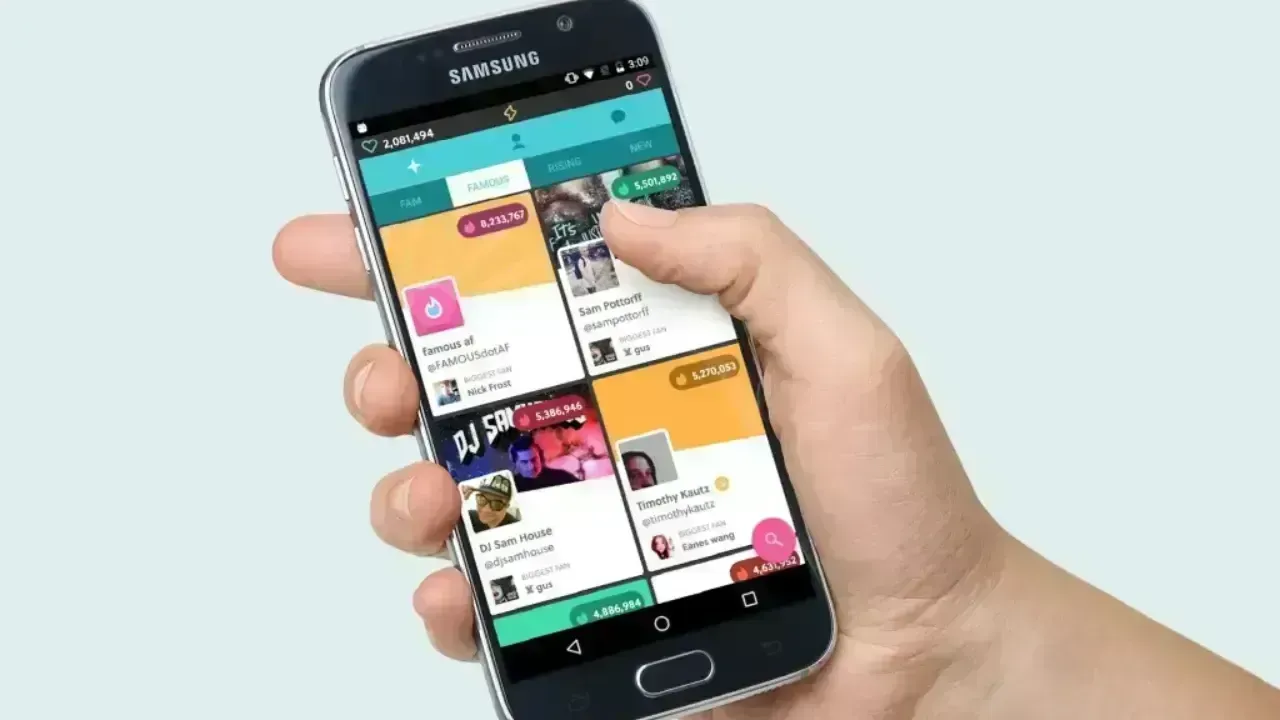
For years, apps competed on scale and speed. The more features an app offered, the more valuable it was perceived to be. In 2026, that mindset has changed. Search data shows that users are no longer impressed by complexity. Instead, they are actively searching for apps that feel calm, relevant, and respectful.
The most searched-for app feature in 2026 is not a flashy innovation. It is intelligent personalization with user control. People want apps that adapt to them without overwhelming them. They want relevance without surveillance, convenience without addiction, and automation without loss of agency.
This shift marks a turning point in digital product design.
Apps in the early 2020s followed a predictable pattern: constant updates, endless options, and aggressive engagement tactics. While these approaches drove usage metrics, they also created fatigue.
Search queries in 2026 increasingly include phrases related to “simpler app experience,” “less notifications,” and “custom app behavior.” This signals frustration with digital noise. Users are not asking for more functionality; they are asking for fewer, better-tuned interactions.
The unexpected part is how universal this demand has become. It spans productivity apps, social platforms, finance tools, wellness apps, and entertainment services alike.
Personalization in 2026 does not mean cosmetic themes or basic recommendations. Search behavior shows that users are looking for deeper behavioral alignment.
They want apps that understand context: time of day, usage patterns, energy levels, and intent. For example, users want productivity apps that adapt based on workload, not just deadlines. They want media apps that sense when they want focus versus relaxation.
Crucially, users want the ability to control this intelligence. Searches emphasize transparency, adjustability, and opt-in design. Personalization is only valuable when it feels collaborative, not imposed.
One of the most revealing aspects of 2026 search trends is the emphasis on control. Users are not rejecting smart features, but they are demanding authority over how those features operate.
Search queries include terms like “manual override,” “custom rules,” and “control app behavior.” This reflects growing awareness of algorithmic influence and a desire to reclaim autonomy.
People want to decide when an app adapts and when it stays neutral. They want to pause recommendations, mute automation, and set boundaries. The most desired app feature is not just intelligence—it is adjustable intelligence.
Few things illustrate this trend better than notification-related searches. In 2026, users are obsessively searching for better notification control.
They want apps that understand urgency, relevance, and timing. Instead of constant alerts, users want notifications that arrive only when they matter.
Search data shows demand for features like priority-based notifications, quiet modes that adapt automatically, and summaries instead of interruptions. This suggests that attention has become a scarce resource that users actively protect.
Apps that respect this are gaining trust. Those that don’t are being muted or deleted.
Another defining element of this trend is privacy. Users in 2026 are deeply aware that personalization often comes at the cost of data collection.
Search behavior reveals a strong preference for personalization that does not rely on invasive tracking. Queries often combine terms like “on-device intelligence,” “private personalization,” and “no data sharing.”
Users want apps that learn locally, explain what data is used, and allow easy deletion or reset. Trust has become a competitive advantage, not an afterthought.
This is why the most searched app feature is not just personalization, but privacy-conscious personalization.
What makes this trend remarkable is its universality. It is not limited to a single type of app.
Social apps face pressure to reduce algorithmic manipulation and give users control over feeds. Finance apps are expected to tailor insights without overwhelming users with alerts. Wellness apps must adapt to emotional states without becoming intrusive. Even entertainment apps are expected to respect mood and time.
The common expectation is that apps should feel less like machines demanding attention and more like tools that quietly support life.
Artificial intelligence plays a role in enabling this feature, but users are not searching for “AI apps” as much as they are searching for outcomes.
Search data suggests that people care less about how intelligence is implemented and more about how it feels. They want apps that anticipate needs without constant input, but they also want to understand and adjust that behavior.
This reflects a maturity in user expectations. AI is no longer a novelty. It is infrastructure. The feature users want is not AI itself, but humane AI.
Another reason this feature dominates search trends is the rise of digital wellbeing awareness. Users are increasingly conscious of how apps affect mood, focus, and mental health.
Searches often connect app features with terms like “less stress,” “better focus,” and “healthy usage.” This indicates that people are evaluating apps not just on utility, but on emotional impact.
Apps that allow users to shape their experience—by reducing stimulation, limiting engagement loops, and aligning with personal goals—are seen as healthier.
Traditional app design relied on averages. Features were built for typical users, with limited flexibility. In 2026, that approach no longer works.
Search behavior shows that users want apps that adapt to individual rhythms. Night owls, shift workers, parents, students, and retirees all want different experiences from the same app.
The most searched feature reflects this diversity. Personalization is no longer optional; it is essential for relevance.
This trend has major implications for the app economy. Engagement metrics alone are no longer reliable indicators of success. Users may prefer apps they use less often, but more meaningfully.
Search data suggests growing appreciation for apps that save time rather than consume it. This challenges traditional monetization models based on attention.
Developers who align with this expectation may build smaller but more loyal user bases. Trust, not addiction, becomes the currency.
One striking insight from 2026 is that users are not passively accepting app experiences. They are actively searching for better ones.
This indicates a gap between what apps offer and what users want. The most searched feature exists because it is not yet consistently delivered.
People are comparing apps, switching platforms, and seeking tools that give them more say. Search behavior reflects dissatisfaction, but also hope for improvement.
The dominance of this feature in search trends signals a broader design shift. Apps of the future will be judged not by how much they do, but by how well they fit into life.
Design priorities are moving toward calm interfaces, adaptive behavior, and transparent controls. Success will depend on listening to users rather than maximizing engagement.
The app that wins in 2026 is not the loudest or smartest, but the most considerate.
The unexpected nature of this trend lies in its simplicity. In an era of rapid technological advancement, users are asking for restraint.
They want apps that know when to step back. They want intelligence that feels supportive, not extractive. They want technology that adapts to humans, not the other way around.
Given the trajectory of digital saturation, this shift was inevitable. Search data simply reveals it more clearly than any survey or forecast.
The app feature every user is searching for in 2026 is intelligent, user-controlled personalization.
It combines relevance with restraint, automation with autonomy, and intelligence with trust. It reflects a maturing relationship between humans and technology.
As users become more discerning, apps must evolve accordingly. Those that listen will thrive. Those that ignore this shift risk becoming noise in an increasingly selective digital world.
Disclaimer:
This article is based on observed global search behavior and digital usage trends. App features, availability, and user experiences may vary by platform, region, and individual preference.








Google Signs 3.6-GW Power Deal With Constellation Energy in US
Google signs a 3.6-GW power deal with Constellation Energy, including nuclear power upgrades to supp

Harmanpreet Kaur Steps Down as India Captain Across All Formats
Harmanpreet Kaur steps down as India captain across all formats after a remarkable leadership journe

Michael Bracewell Chooses Casual Contract, Targets BBL Opportunity
Michael Bracewell moves to a casual contract as he eyes a BBL opportunity while remaining available

Tuchel Says Alex Scott Can Challenge Declan Rice for England Midfield Spot
Thomas Tuchel says Alex Scott can challenge Declan Rice for an England midfield place after his impr

Air Quality Turns Unhealthy in Central and Western Singapore Amid Haze
Singapore haze pushes PSI above 100 in central and western areas as smoke from regional hotspots rai

PM Modi Pays Tribute to Mahatma Gandhi, Urges People to Support Khadi
PM Modi pays tribute to Mahatma Gandhi on Gandhi Jayanti and urges citizens to support Khadi and the

