
You have not yet added any article to your bookmarks!
Join 10k+ people to get notified about new posts, news and tips.
Do not worry we don't spam!
Post by : Samjeet Ariff
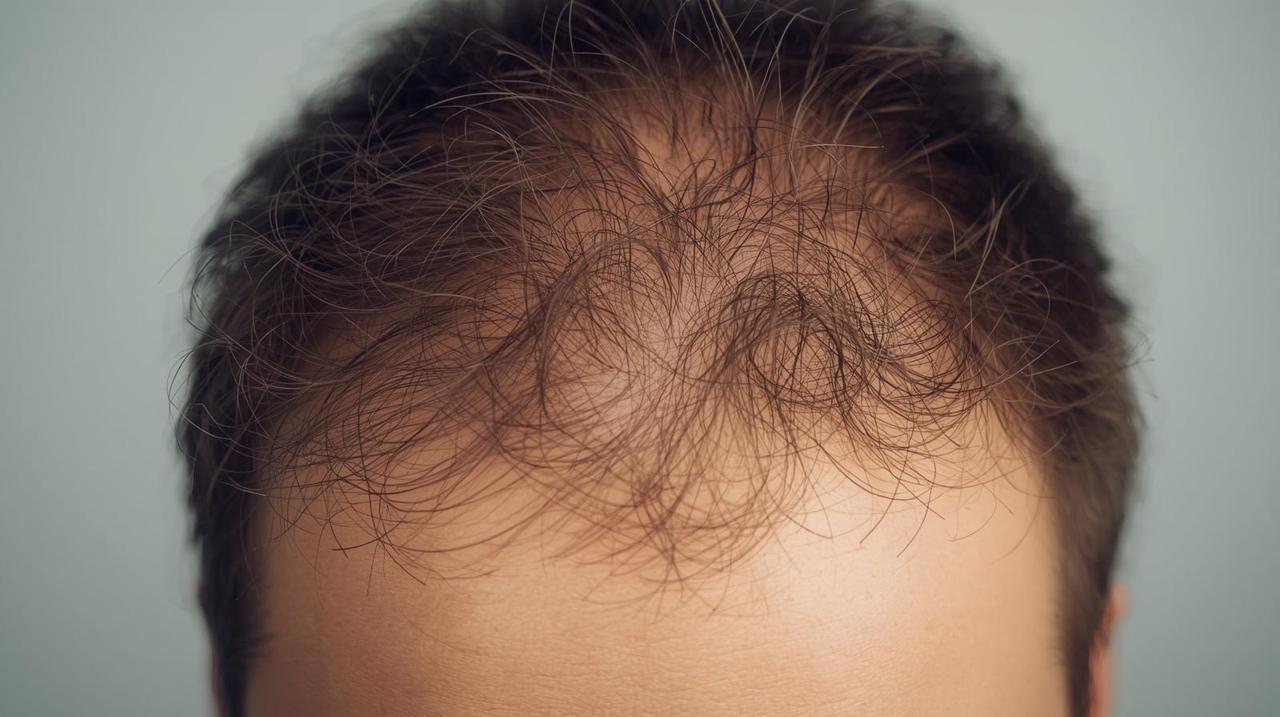
While hair fall can result from numerous factors—including stress, dietary habits, genetics, and hormonal changes—one crucial cause often goes unnoticed: hard water. If you're experiencing persistent hair fall, a parched scalp, or hair that feels rough despite diligent care, hard water's mineral content might be sabotaging your hair daily. Hard water is characterized by elevated levels of calcium and magnesium that cling onto your scalp and strands, undermining root strength, obstructing hair follicles, and hindering moisture absorption. This article explores how hard water contributes to hair fall, the signs to look out for, and effective measures to protect your mane.
The minerals found in hard water accumulate on the hair shaft and scalp, forming a barrier that prevents essential moisture and nutrients from entering.
Calcium buildup clogs hair follicles, while magnesium strips away natural oils, leading to dryness. The mineral residues can make hair rigid, resulting in breakage and contributing to increased scalp inflammation.
A compromised scalp means weakened hair growth cycles, further exacerbating shedding and thinning.
Many believe that their shampoos or health issues are the primary culprits, yet hard water presents specific symptoms.
Your hair may feel dry and straw-like even post-oiling. Breakage occurs easily during brushing, and an itchy or flaky scalp develops. If your shampoo struggles to lather, and your hair appears dull, especially if color-treated hair fades rapidly, you might be dealing with hard water problems.
Multiple indicators suggest hard water could be the underlying issue.
The mineral content clings to the exterior of hair follicles, causing the cuticle to remain open and rough.
Hair becomes porous and loses moisture quickly. Split ends increase due to constant friction, while nutrient absorption diminishes, weakening the hair from root to tip over time.
When calcium deposits block hair follicles, the ability for new, strong hair growth decreases.
The natural growth cycle may be impaired, leading to thinner new hair production. Some follicles may even shrink entirely, causing ongoing shedding.
Consequently, those in hard water regions frequently face ongoing thinning issues.
Identifying whether your water supply is hard is the first step before tackling the problem.
For a soap test, if the soap barely lathers and leaves a residue on your hands, your water is hard. Look for white mineral stains on fixtures or appliances, and if your hair remains coarse despite conditioning, these are signs you might have hard water.
While a lab water test or TDS meter can offer clarity, these indicators are often sufficient.
There's no need to overhaul your entire routine—minor changes can significantly enhance your hair health.
A quality filter removes harmful elements like chlorine, calcium, and magnesium, softening the water and reducing mineral deposits.
This long-term solution directly tackles water hardness at the source.
Incorporate rinses with apple cider vinegar or citric acid weekly to dissolve mineral buildup.
Select shampoos that include EDTA or chelating agents to help articulate buildup.
Since hard water deprives hair of moisture, invest in weekly deep conditioning masks to restore softness.
Oils like argan, sweet almond, or grapeseed create a barrier against mineral exposure.
Certain ingredients are especially valuable in mineral-laden environments.
Niacinamide for scalp health, EDTA for mineral removal, Vitamin E for moisture recovery, hyaluronic acid for hydration restoration, and coconut oil for its barrier properties.
These components contribute to rebuilding strength and enhancing hair quality.
While damaged hair restoration requires consistency, the effort pays off.
Clarify weekly to eliminate mineral deposits, frequently use hydration masks, limit heavy styling products that exacerbate buildup, and protect with leave-in conditioners.
Such a balanced regimen reduces breakage and fosters robust regrowth.
If hair fall continues despite improving water quality, an underlying issue may exist.
Hair falls in clumps. Bald patches appear. Scalp discomfort or excessive flakiness arises. Hair loss persists for more than three months.
A dermatologist can recommend advanced solutions like treatments, serums, or PRP therapy if warranted.
Hard water is a frequently underestimated culprit behind chronic hair loss, quietly harming your scalp, weakening roots, and drying strands over time. By recognizing early signs and employing suitable treatments—filters, clarifying solutions, intensive hydration routines—you can reverse much of the damage, reclaiming healthier hair. With ongoing care, recovery is possible, even in regions plagued by hard water.
This article offers general insights regarding hair health and the implications of hard water. It is not intended as a substitute for professional medical advice, diagnosis, or tailored dermatological treatments. Individual outcomes may vary based on hair type, water quality, and personal health conditions. Always consult a qualified healthcare professional for serious concerns.










Nvidia Pledges $250 Million for UK AI Safety Research
Nvidia will provide $250 million in computing resources over five years to support AI safety researc

Jacob Bethell Returns as England Name Squads for Australia Tour
England name ODI and T20 squads for the Australia tour, with Jacob Bethell returning from injury and

Beauden Barrett Opens Up About Mental Struggles During All Blacks Exile
Beauden Barrett discusses his confidence struggles after missing six tests, his return against Austr

IMF Says AI Investment Supports Global Growth Despite Energy Shock
IMF says AI investment is supporting global growth near 3%, with Asian economies benefiting from ris

Will O'Rourke Ruled Out of New Zealand's India Series
New Zealand fast bowler Will O'Rourke will miss the India series with hamstring and calf injuries as

AI Companies Expected to Drive Most US Earnings Growth in Q3
AI companies are expected to drive US third-quarter earnings growth as investors assess tech profits

