You have not yet added any article to your bookmarks!
Join 10k+ people to get notified about new posts, news and tips.
Do not worry we don't spam!
Post by : Samjeet Ariff
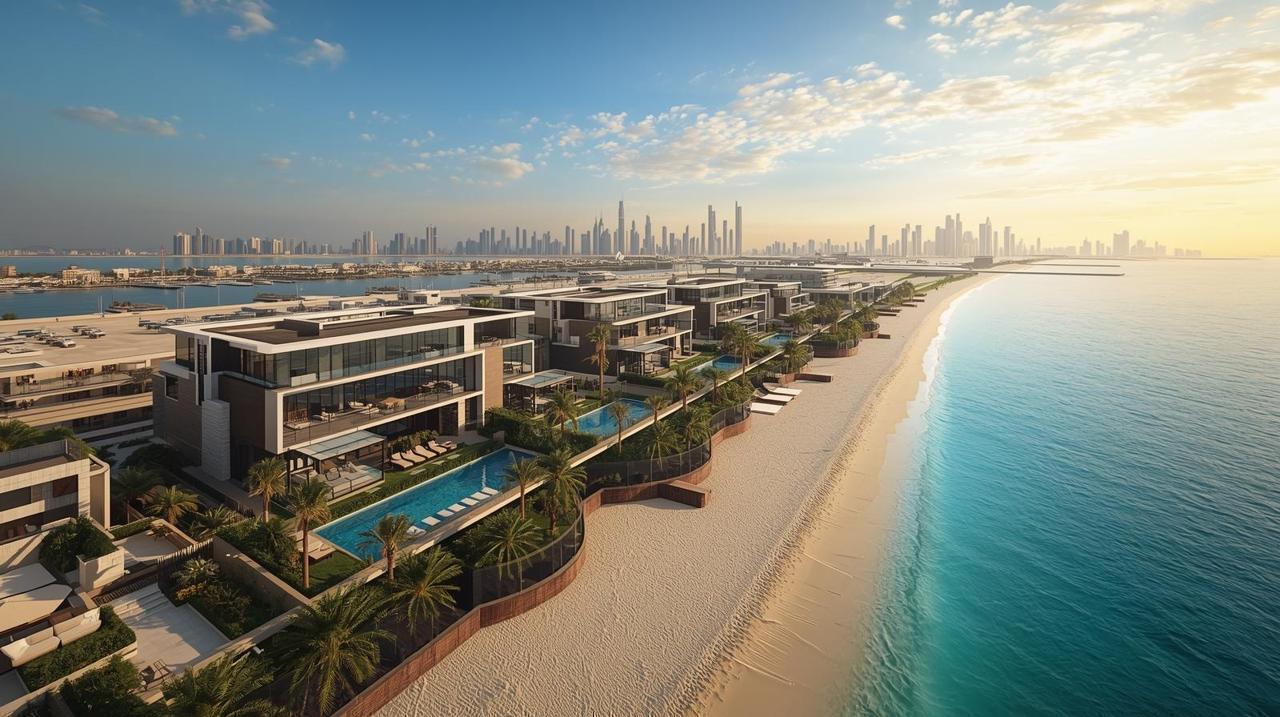
Dubai has long been associated with luxury, innovation, and world-class architecture. Yet, in 2026, one trend continues to dominate the real estate market—the rising demand for luxury waterfront properties. From the serene shores of Palm Jumeirah to the ultra-modern Dubai Marina and the upcoming Dubai Islands, investors and homeowners alike are seeking residences that offer more than just a place to live—they want a lifestyle defined by exclusivity, comfort, and scenic beauty.
So, what’s behind this growing demand, and why are waterfront homes becoming the crown jewel of Dubai’s property market? Let’s explore the factors fueling this trend.
Waterfront properties in Dubai offer a unique combination of tranquility and luxury. Residents enjoy stunning sea views, private beach access, and the feeling of living in a resort year-round.
Unlike traditional urban homes, waterfront residences bring a sense of calm and relaxation, creating a perfect balance between city energy and seaside serenity. With Dubai’s year-round sunshine and scenic coastline, living by the water isn’t just a dream—it’s a lifestyle choice for those who value peace, privacy, and prestige.
Over the past decade, Dubai has positioned itself as one of the world’s most stable and attractive real estate markets. The city’s transparent regulations, tax-free environment, and secure property ownership laws make it especially appealing to foreign investors.
Luxury waterfront properties, in particular, offer high resale value and strong rental returns due to their prime locations and limited supply. Areas like Palm Jumeirah, Bluewaters Island, and Dubai Creek Harbour have seen consistent appreciation, attracting high-net-worth individuals from Europe, Asia, and the Middle East.
One of the main drivers of price growth in Dubai’s waterfront segment is limited supply. The availability of prime beachfront land is shrinking, especially in established areas like Jumeirah Beach Residence and Palm Jumeirah.
Developers are now focusing on new waterfront projects, such as Dubai Islands, Emaar Beachfront, and Palm Jebel Ali, to meet the soaring global demand. As international investors continue to look for exclusive real estate opportunities, Dubai’s coastal developments are emerging as safe and rewarding investments.
The COVID-19 pandemic reshaped what people value in a home. Buyers now prioritize space, privacy, and access to nature—qualities that waterfront properties naturally offer.
With the rise of remote work and flexible lifestyles, many investors are purchasing second homes or relocating permanently to Dubai, drawn by its high quality of life, safety, and vibrant expatriate community. Waterfront properties provide the ideal environment for both productivity and relaxation, making them a perfect choice for modern living.
Dubai’s government continues to expand its coastline through mega projects that redefine luxury living. Developments like:
Emaar Beachfront: Combining urban convenience with private beach access.
Dubai Islands: Offering an integrated lifestyle with resorts, marinas, and luxury villas.
Palm Jebel Ali: Reviving one of the most iconic planned communities with sustainable and futuristic design.
These projects reflect Dubai’s vision to become the world’s leading coastal destination, blending modern infrastructure with natural beauty.
Today’s buyers aren’t just looking for luxury—they’re seeking eco-conscious and technologically advanced homes. Developers are responding with smart systems that optimize energy use, manage water efficiently, and ensure environmental sustainability.
From solar-powered villas to green-certified high-rises, waterfront communities in Dubai are aligning with the city’s sustainability goals under Vision 2040, ensuring that luxury living also means responsible living.
Waterfront homes in Dubai offer some of the highest rental yields in the luxury property segment, often exceeding 7–8% annually. Tourists and corporate tenants are willing to pay a premium for exclusive locations, scenic views, and private amenities.
For investors, this means steady income and long-term appreciation. As global confidence in Dubai’s market strengthens, waterfront properties remain a top-performing asset class.
Dubai’s cosmopolitan lifestyle continues to attract high-profile buyers from around the world—especially from Europe, India, Russia, and China. The introduction of Golden Visas and property-linked residency programs has made investing even more attractive.
These global investors aren’t just looking for returns; they’re seeking a second home in a safe, tax-efficient, and luxurious destination, making Dubai the obvious choice.
The demand for luxury waterfront properties in Dubai isn’t a passing trend—it’s a reflection of the city’s evolution into a global lifestyle destination. With limited supply, strong investor confidence, and world-class infrastructure, the appeal of seaside living is only growing stronger.
As we move through 2026, waterfront developments will continue to define Dubai’s skyline, blending innovation, elegance, and natural beauty in a way few cities in the world can match.
For investors and homeowners alike, one thing is clear—the future of Dubai real estate lies by the water.








G7 to Hold AI Cybersecurity Exercises to Protect Financial Systems
G7 finance leaders will conduct AI cybersecurity exercises to prepare for cyber attacks and protect

Spain's Diego Poncelet Sets Skateboarding World Speed Record
Spain's Diego Poncelet reaches 151.83 km/h in a record-breaking downhill skateboard run in Canada, s

Hyundai Recalls 94,622 US Vehicles Over Potential Fire Risk
Hyundai recalls 94,622 US vehicles over overheating seat motors. Check affected Genesis models, fire

Nvidia Pledges $250 Million for UK AI Safety Research
Nvidia will provide $250 million in computing resources over five years to support AI safety researc

Jacob Bethell Returns as England Name Squads for Australia Tour
England name ODI and T20 squads for the Australia tour, with Jacob Bethell returning from injury and

Beauden Barrett Opens Up About Mental Struggles During All Blacks Exile
Beauden Barrett discusses his confidence struggles after missing six tests, his return against Austr