You have not yet added any article to your bookmarks!
Join 10k+ people to get notified about new posts, news and tips.
Do not worry we don't spam!
Post by : Saif Rahman
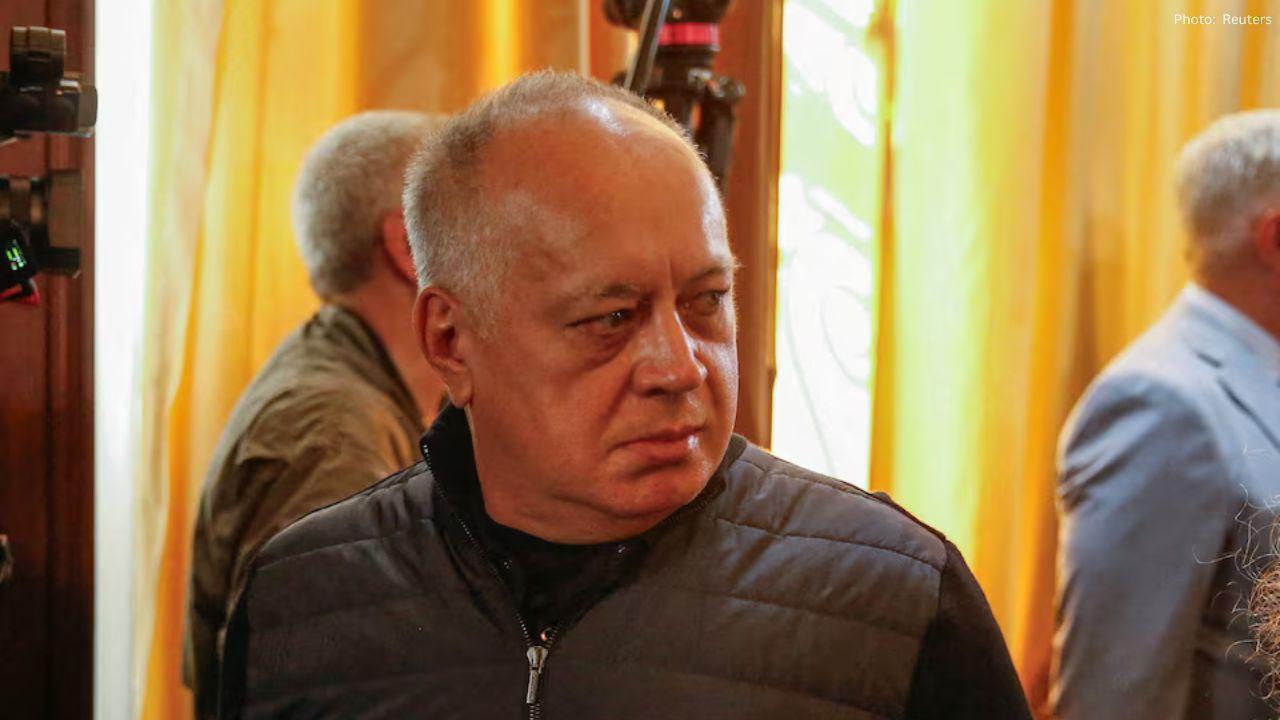
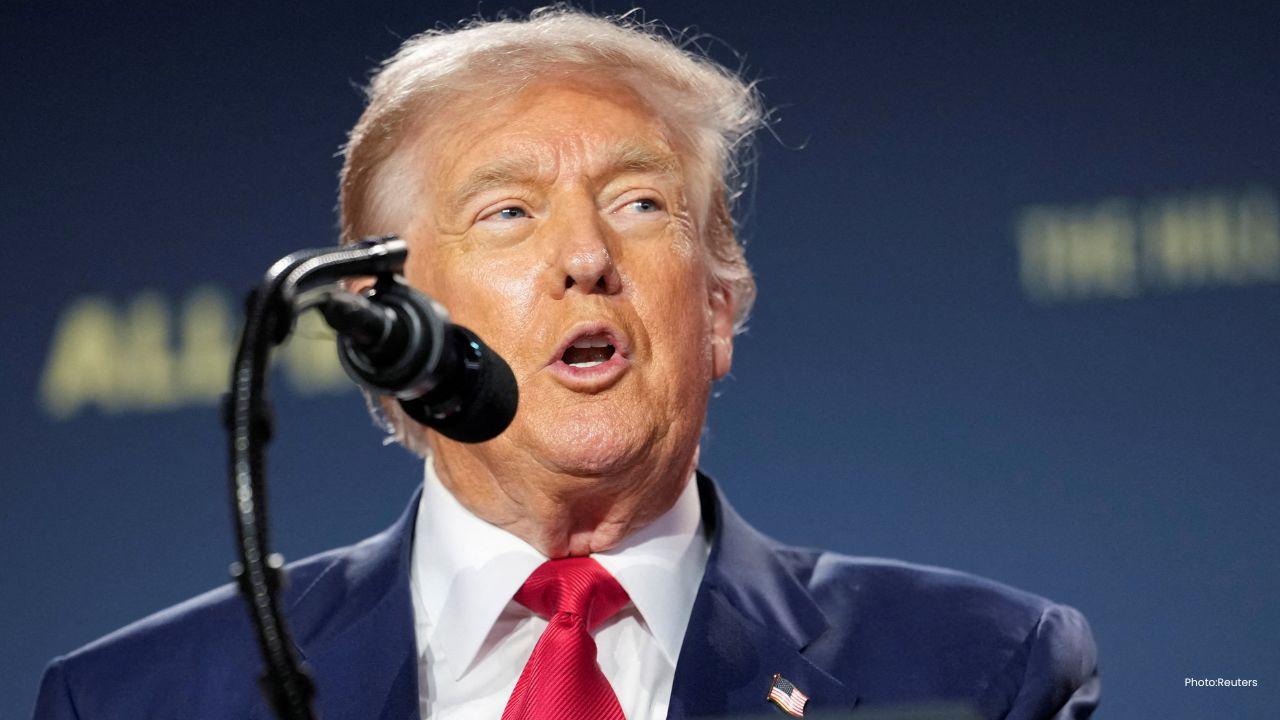
In light of President Nicolas Maduro's recent capture, the United States is concentrating its efforts on Venezuela's security authorities. Internal U.S. strategy sources indicate that the Trump administration has issued warnings to Interior Minister Diosdado Cabello, stressing dire repercussions if he does not support Interim President Delcy Rodriguez alongside Washington's expectations.
Cabello, a dominant figure overseeing Venezuela’s security forces, has a notorious track record of human rights violations and enforcing political agendas under Maduro's regime. U.S. officials perceive him as a dual threat—both a potential hurdle and a short-term ally to help sustain stability and avert chaos in the region. Likewise, Defense Minister Vladimir Padrino, facing U.S. drug trafficking charges, is acknowledged as pivotal for cooperation essential to ward off a power void.
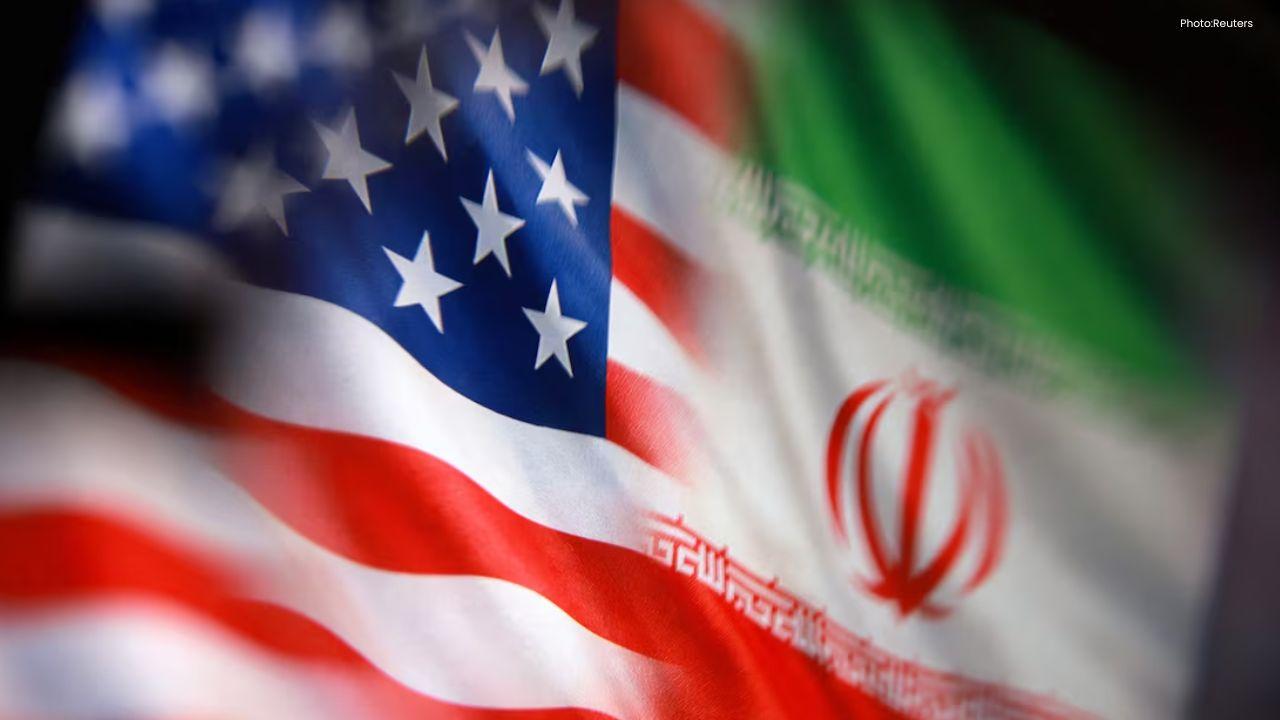
The White House advocates for swift advancements on issues that align with U.S. interests. These initiatives focus on safeguarding Venezuela’s oil infrastructure, cracking down on drug trafficking operations, expelling Cuban security personnel, and lessening ties with Iran. Indications suggest that the administration is employing a mix of threats and financial incentives, such as the possible seizure of offshore assets, to drive compliance.
U.S. officials are wary of deploying ground forces, as this could incite turmoil from pro-government groups, known as colectivos, that may react violently to a sudden removal of Cabello or Padrino. Instead, Washington is counting on the loyalty of Maduro's remaining circle to stabilize the nation during this turbulent period.
Although Maduro's ousting was rapid, Venezuela's situation teeters on the edge of instability. Given their historical rivalry, the collaboration between Cabello and Rodriguez within the ruling Socialist Party raises concerns about effective cooperation. The U.S. is banking on Rodriguez, who is perceived as a technocrat eager to engage with Washington, to serve as a critical player in navigating the transition.
Experts caution that this strategy is fraught with risks. While it may allow for short-term control and access to Venezuela's vast oil resources, critics argue this approach might come across as neo-colonialist and breaches international law. The United Nations has previously reported on human rights violations linked to Venezuelan security forces, lending credence to the complications of depending on figures like Cabello for maintaining order.
At present, the U.S. approach prioritizes leverage and diplomacy over direct military involvement, focusing on stabilizing Venezuela while safeguarding its strategic interests. The effectiveness of Washington's balancing act concerning coercion, cooperation, and oil access remains to be seen, but officials have made it clear that Rodriguez and pivotal security personnel are essential to attaining their aspirations.



China’s Tiangong Sets New 400m Record at Robot Olympics
China’s Tiangong robot sets a new 400m record at the Robot Olympics, beating a South African robot i

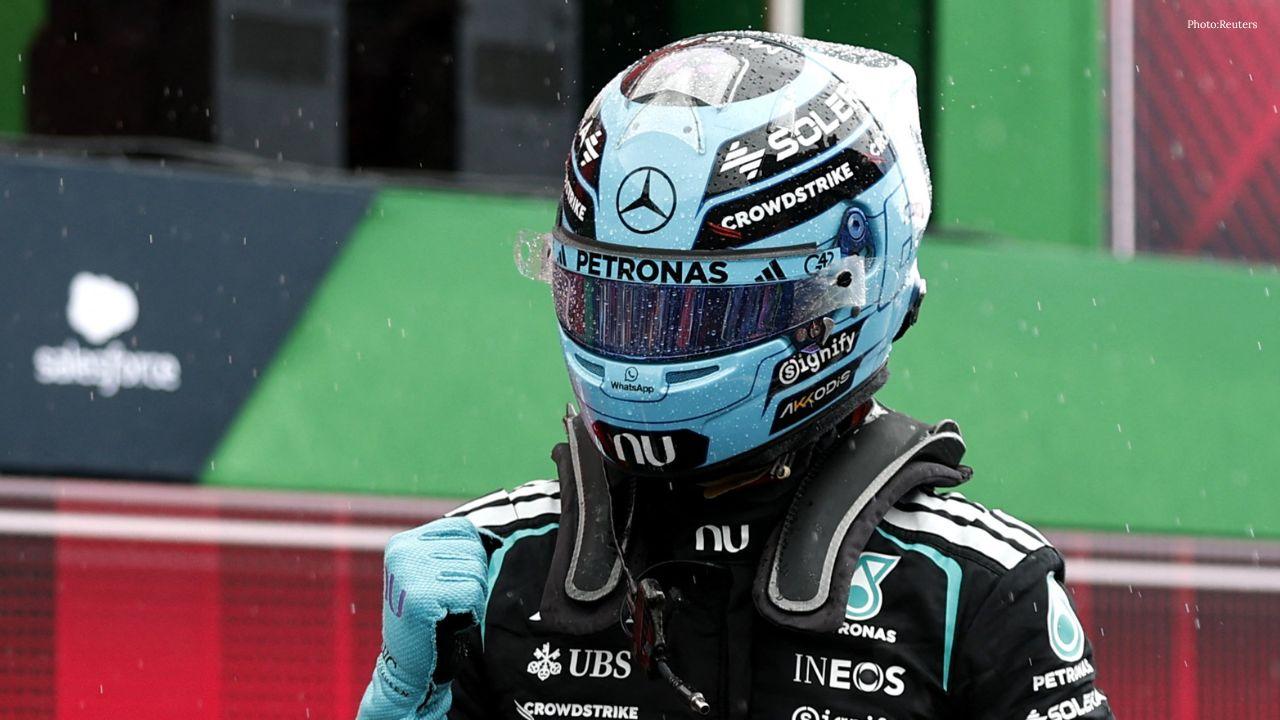
George Russell Wins Dutch GP Sprint, Boosts Mercedes Morale
George Russell wins the Dutch GP Sprint from pole as Mercedes teammate Kimi Antonelli extends his F1

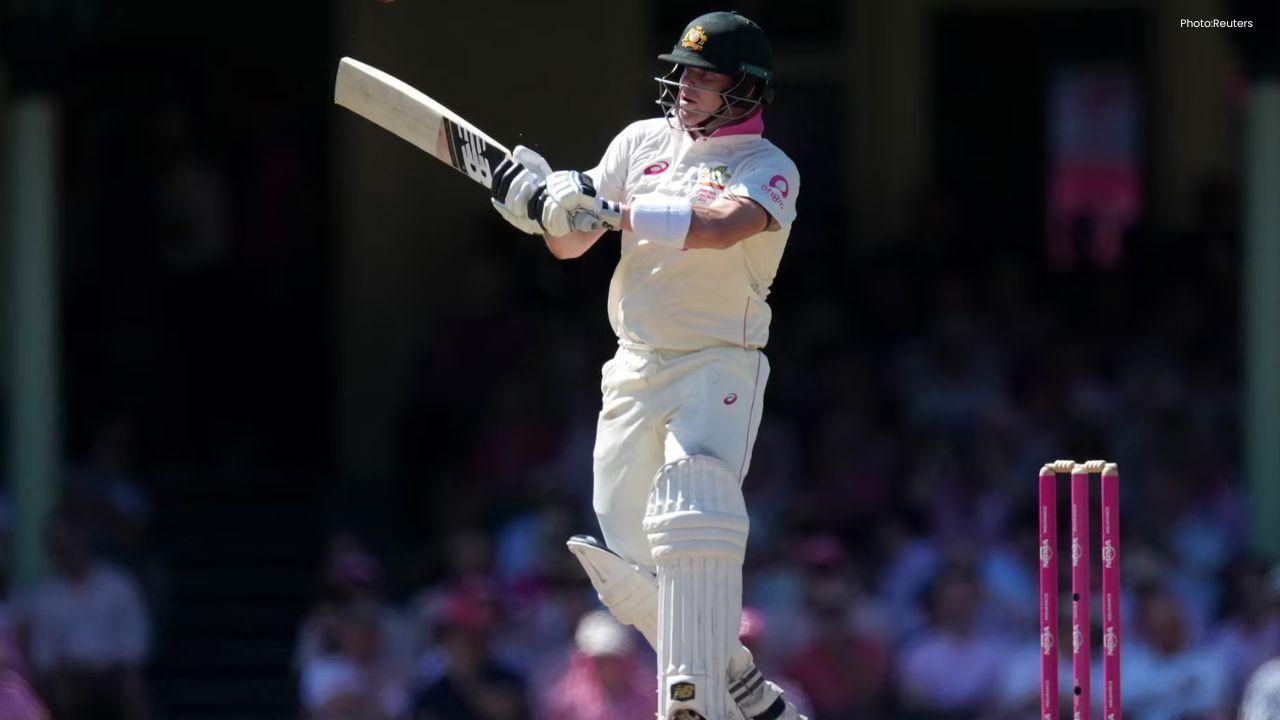
Australia 50/3 After Bangladesh Bowled Out for 64 in Second Test
Australia reached 50/3 after Bangladesh were bowled out for 64 in the second Test, with Mitchell Sta
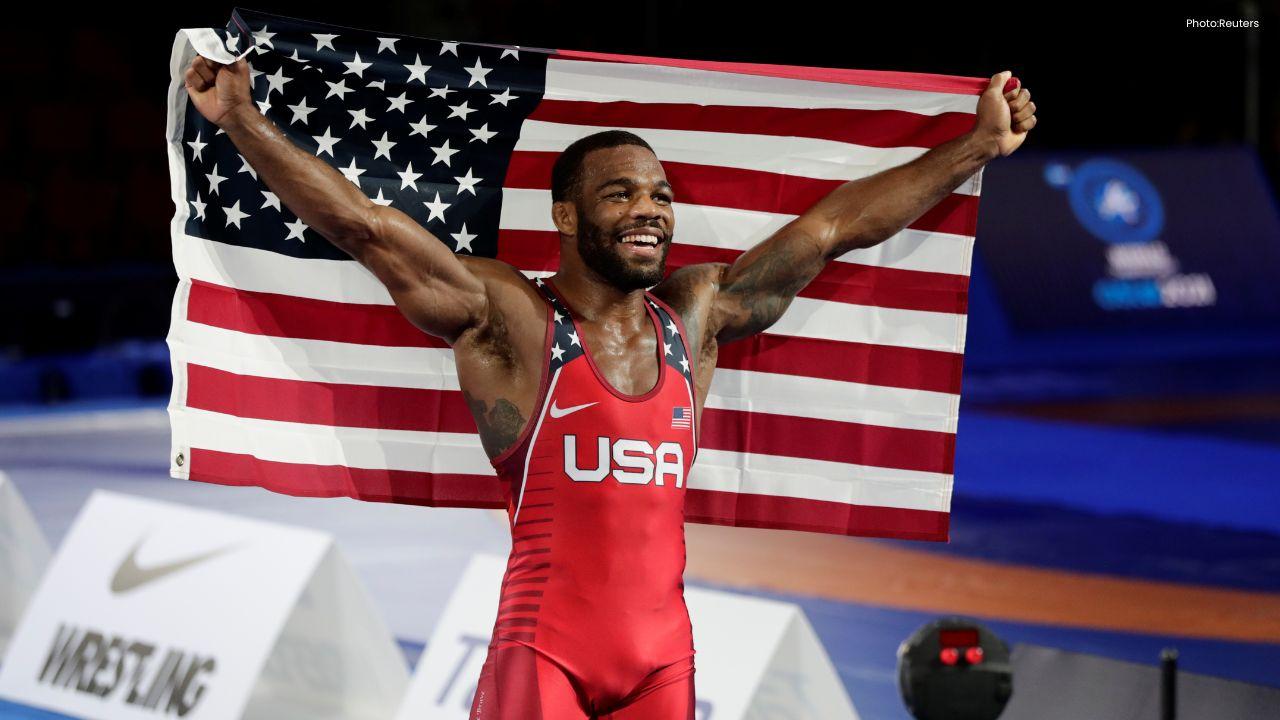
Jordan Burroughs Returns to Wrestling with 2028 Olympic Dream
Jordan Burroughs returns to wrestling with Real American Freestyle as the Olympic champion eyes a po

Lamborghini Catches Fire on Singapore's ECP, Causing Heavy Traffic
A Lamborghini caught fire on Singapore's ECP, causing heavy traffic and bus delays. No injuries were

Bangkok Airport Duty-Free Area Flooded by Pipe Burst
A burst water pipe flooded the duty-free shopping area at Bangkok's Suvarnabhumi Airport on July 16,