You have not yet added any article to your bookmarks!
Join 10k+ people to get notified about new posts, news and tips.
Do not worry we don't spam!
Post by : Saif Rahman
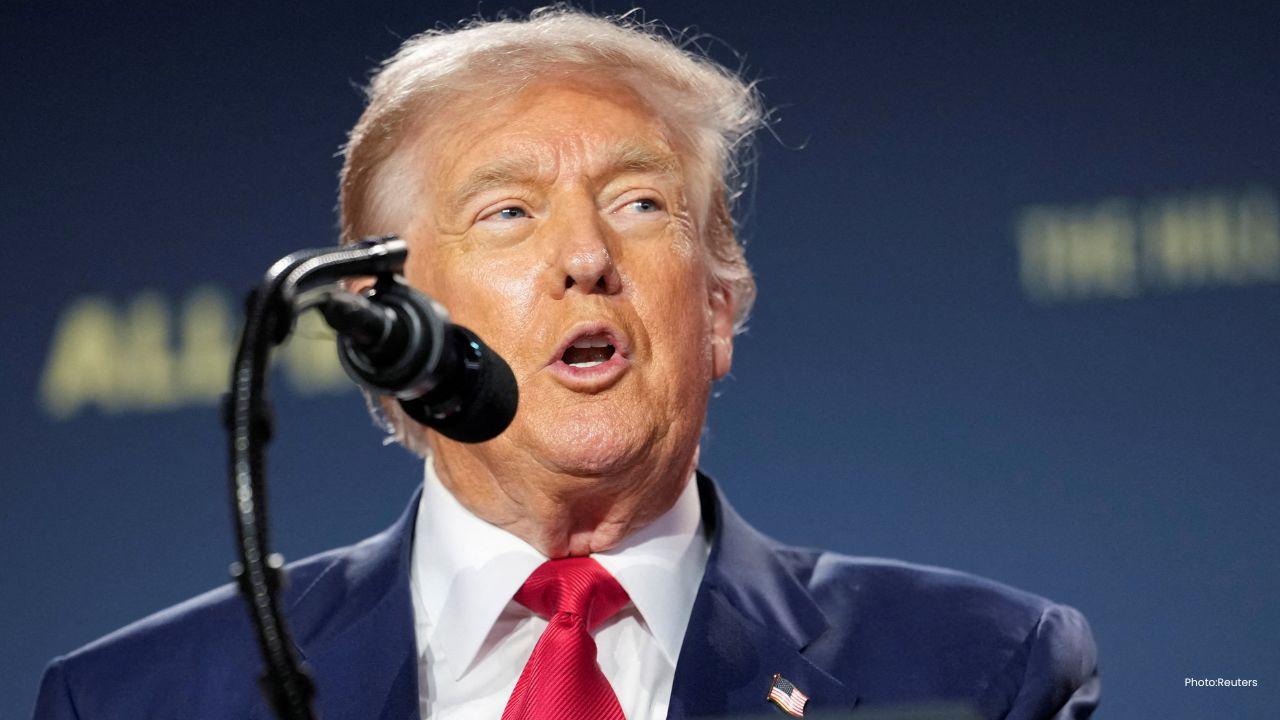
President Donald Trump has backed away from his warning about hefty tariffs on European nations over the Greenland issue, exhibiting a noticeable shift after a tense period. This change of heart followed fruitful discussions with NATO leaders surrounding future Arctic security agreements, alleviating concerns about a major conflict between the U.S. and Europe.
Previously, Trump indicated he would impose 10% tariffs on Denmark and seven other European nations unless negotiations commenced regarding U.S. control over Greenland, aiming for increases up to 25% by June if his demands were unmet. European leaders collectively dismissed the notion of Greenland being up for sale, emphasizing its connection to Denmark.
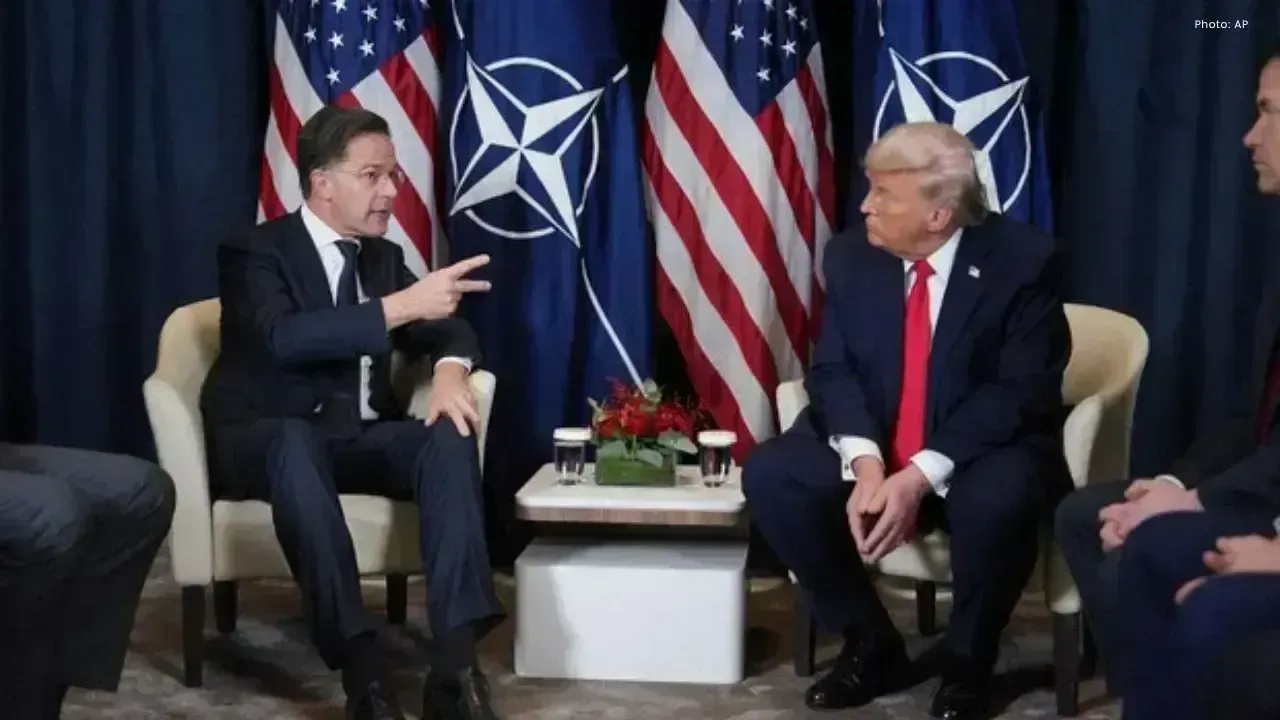
In a statement on social media, Trump announced his reversal, revealing a framework established in meetings with NATO’s secretary general for future Arctic collaboration. While details were scarce, he confirmed ongoing conversations regarding a new U.S. missile defense initiative known as the Golden Dome, aimed at placing weapons in space, with an estimated cost of $175 billion.
According to European officials, one proposal under consideration involves enhancing the U.S. military footprint in Greenland through additional bases. Currently, Greenland holds a significant American military installation, with officials claiming its strategic importance in monitoring Russian and Chinese activities in the Arctic. The inclusion of this proposal remains uncertain within the framework mentioned by Trump.
Trump’s previous history of tariff threats followed by retraction has raised eyebrows. After earlier intentions to impose broad import duties, he softened his position following market backlash. However, his recent remarks stirred greater alarm as they seemingly undermined NATO, one of the world's foremost military alliances.
During his speech at the World Economic Forum in Davos, Trump stated that the U.S. has significantly contributed to European security over the years, framing Greenland as a minor expectation in return. While he assured he wouldn’t forcibly take the island, he cautioned that the U.S. would remember those who did not cooperate. Such statements unsettled European leaders, amplifying fears of a potential rift within NATO.
In response, NATO Secretary General Mark Rutte reaffirmed the alliance’s commitment to stand by the United States in the event of an attack. Following this reassurance, Trump announced the cancellation of anticipated tariffs. Denmark's Foreign Minister welcomed this development, interpreting it as a relief against the backdrop of unresolved trade tensions.
Trump maintains that his interest in Greenland roots in national security, highlighting its increasing significance amid growing global Arctic presence. Meanwhile, Denmark and its NATO partners have consistently emphasized that Danish sovereignty over Greenland is non-negotiable.
The atmosphere in Greenland mirrored the tension, with local authorities encouraging citizens to prepare for potential crises. They issued guidance for accumulating supplies for five days, amidst some inhabitants expressing that Trump’s rhetoric felt unsettling despite skepticism about any concrete action. Many considered his comments disrespectful toward Greenland's populace.
Financial markets responded positively to Trump’s decision to withdraw the tariff threat, rebounding from prior declines. U.S. officials also expressed relief, concerned that escalating disputes could hinder broader foreign policy endeavors and strain alliances.
Although Trump aimed to focus on domestic economic topics during his Davos address, his comments about Greenland overshadowed the intended topics, with several misstatements where he confused Greenland with Iceland drawing criticism and confusion. Despite the tariff reversal, the incident underscores how swiftly global tensions can escalate when trade disputes intersect with security issues.
Currently, Trump’s decision has temporarily alleviated pressure in U.S.-European relations, yet uncertainties about future Arctic security discussions and the extent of U.S. ambitions in the area linger. This episode underscores the delicate balance between diplomacy, national security, and mutual trust in an evolving global landscape.
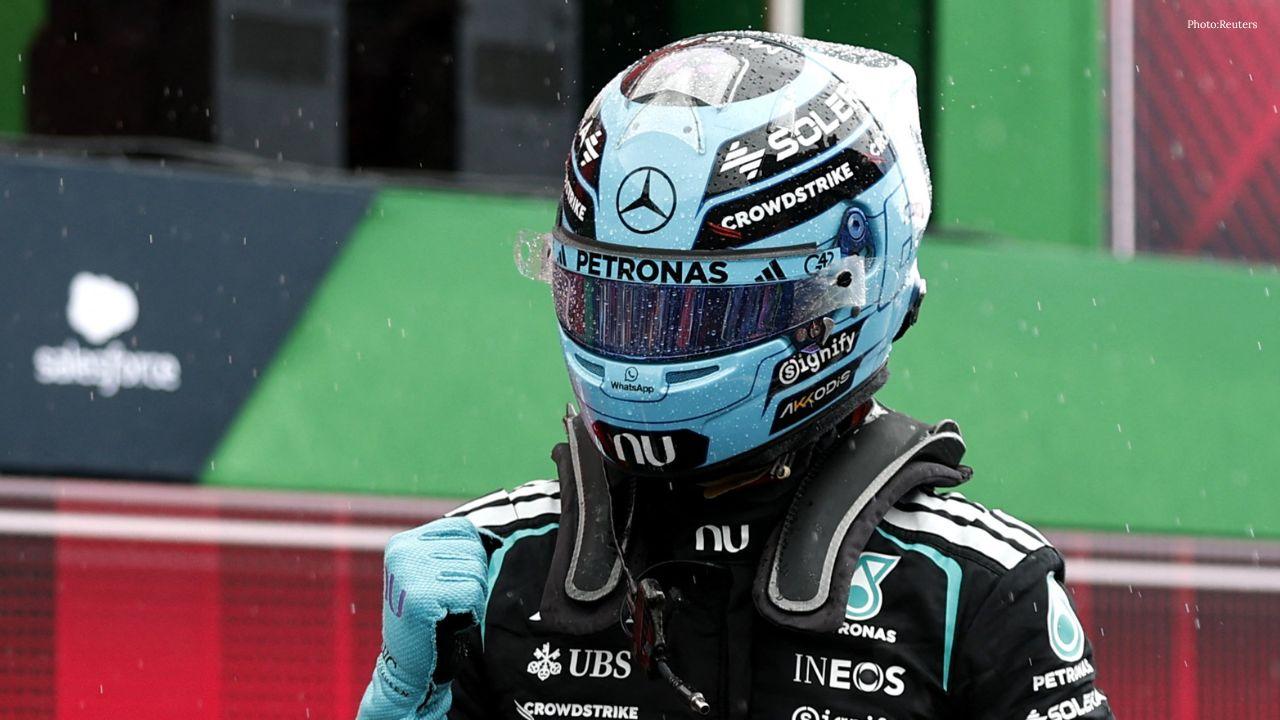


George Russell Wins Dutch GP Sprint, Boosts Mercedes Morale
George Russell wins the Dutch GP Sprint from pole as Mercedes teammate Kimi Antonelli extends his F1

Australia 50/3 After Bangladesh Bowled Out for 64 in Second Test
Australia reached 50/3 after Bangladesh were bowled out for 64 in the second Test, with Mitchell Sta

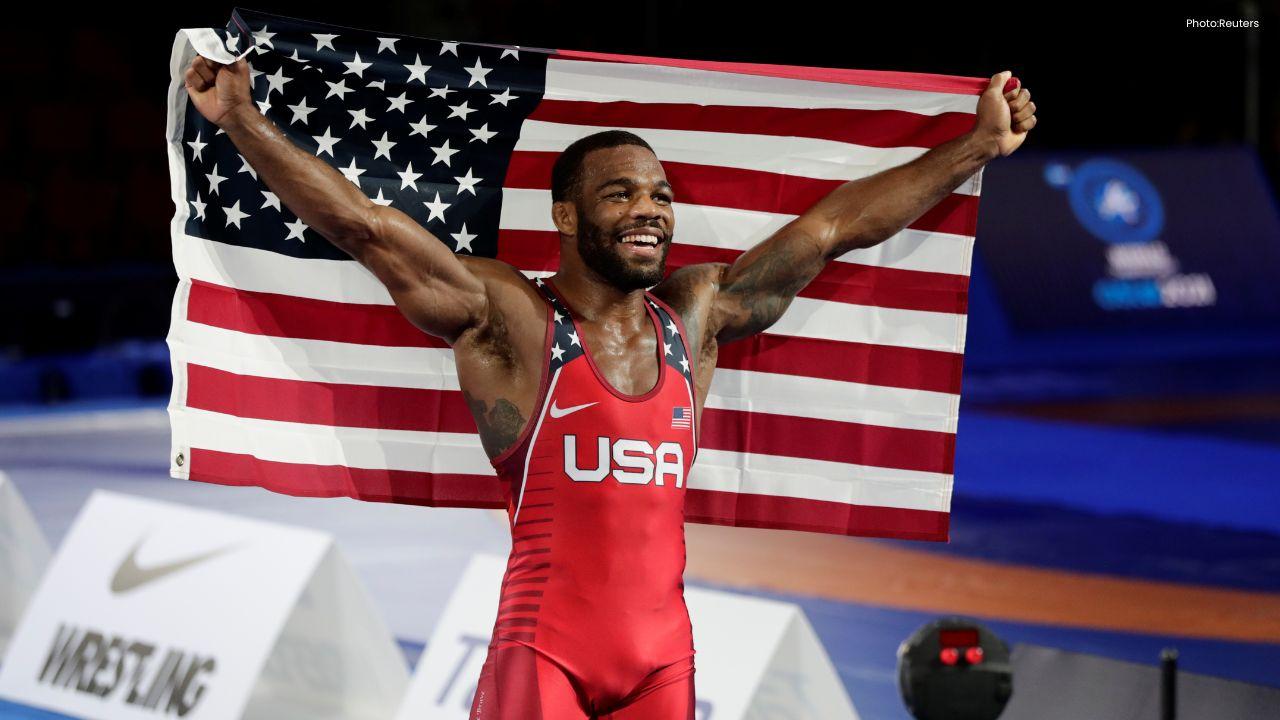
Jordan Burroughs Returns to Wrestling with 2028 Olympic Dream
Jordan Burroughs returns to wrestling with Real American Freestyle as the Olympic champion eyes a po

Lamborghini Catches Fire on Singapore's ECP, Causing Heavy Traffic
A Lamborghini caught fire on Singapore's ECP, causing heavy traffic and bus delays. No injuries were

Bangkok Airport Duty-Free Area Flooded by Pipe Burst
A burst water pipe flooded the duty-free shopping area at Bangkok's Suvarnabhumi Airport on July 16,
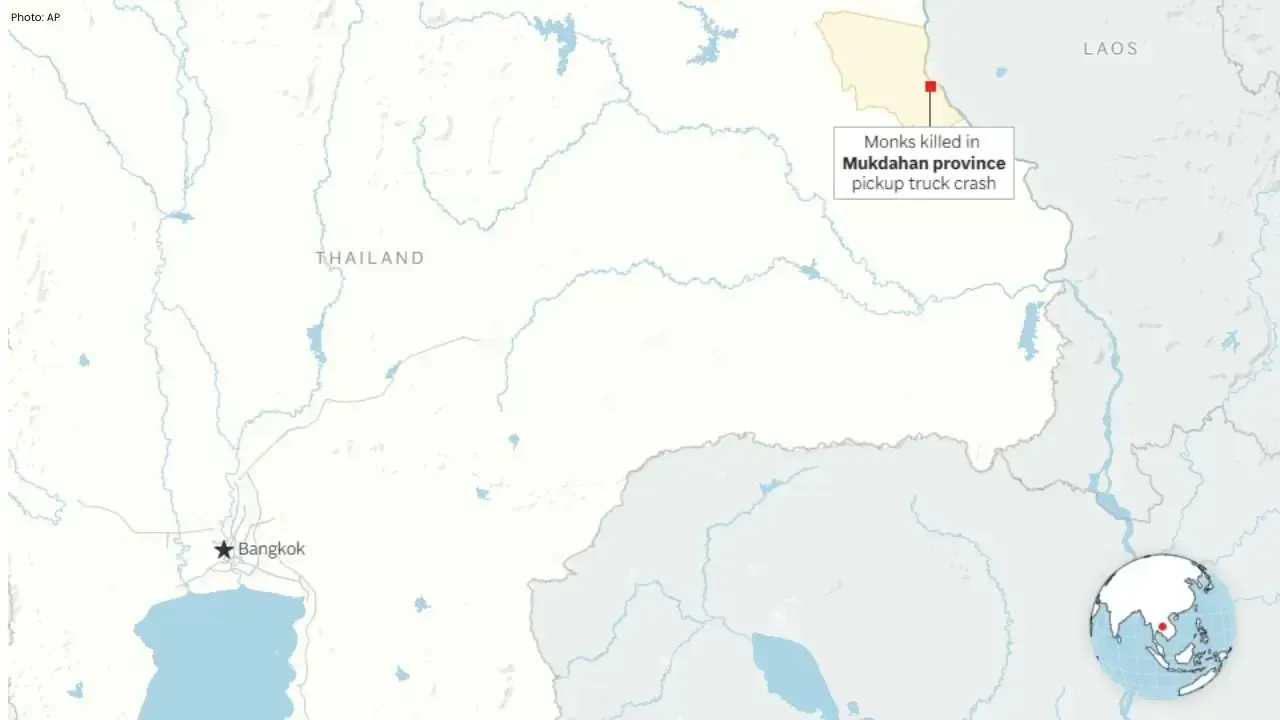
Nine Monks Killed in Thailand Pickup Truck Tragedy
An 11-year-old boy driving a pickup truck crashed into monks during a pilgrimage in northeastern Tha