
You have not yet added any article to your bookmarks!
Join 10k+ people to get notified about new posts, news and tips.
Do not worry we don't spam!

Post by : Rameen Ariff
U.S. President Donald Trump is undertaking a dramatic redesign of the White House with a lavish, gold-accented ballroom that has sparked controversy over demolition, permits, and soaring expenses. The initiative includes the destruction of the historic East Wing, home to the First Lady’s office since 1942, thereby altering a significant part of American history.
Originally projected at $100 million, the ballroom project’s costs have ballooned to $300 million in just over a year that echoes the high-profile infrastructure endeavors seen in India. Analysts highlight that the commencement of construction without the requisite approvals and the use of bulldozers to raze historical buildings underscore a concerning trend similar to Indian mega-projects.
Typically, any construction work in the White House requires the National Capital Planning Commission's green light. However, it has been reported that Trump's ballroom project bypassed these necessary approvals, with unilateral decisions leading to significant changes. This lack of authorization draws parallels with Indian infrastructure initiatives, where permits are often overlooked and construction starts prematurely.
The East Wing that has now been demolished has been the working hub for 14 First Ladies, including notable figures like Michelle Obama and Hillary Clinton. Its demolition has raised eyebrows in presidential history as the upcoming ballroom will extend to 90,000 square feet, accommodating nearly 1,000 guests for political gatherings and fundraising events.
Initially asserting that he would fund the project individually, Trump has since accepted contributions from prominent companies like Amazon, Google, and Meta, along with wealthy private sponsors. This scenario invites criticisms reminiscent of Indian mega-projects, where rising financial commitments and the intricacies of private funding often lead to contentious outcomes.
While the White House ballroom is touted as a project to cement legacy and provide a statement of opulence, critics are skeptical of demolishing a historical building, ignoring proper procedures, and experiencing rampant budget inflation in such a short span. This initiative illustrates Trump's unique method of handling construction: ambitious, unconventional, and fraught with controversy.
From bulldozers on the White House grounds to surging costs and overlooked approvals, the White House ballroom embodies the defining traits of Indian-style construction projects—daring, swift, and imbued with political implications.








Michael Bracewell Chooses Casual Contract, Targets BBL Opportunity
Michael Bracewell moves to a casual contract as he eyes a BBL opportunity while remaining available

Tuchel Says Alex Scott Can Challenge Declan Rice for England Midfield Spot
Thomas Tuchel says Alex Scott can challenge Declan Rice for an England midfield place after his impr

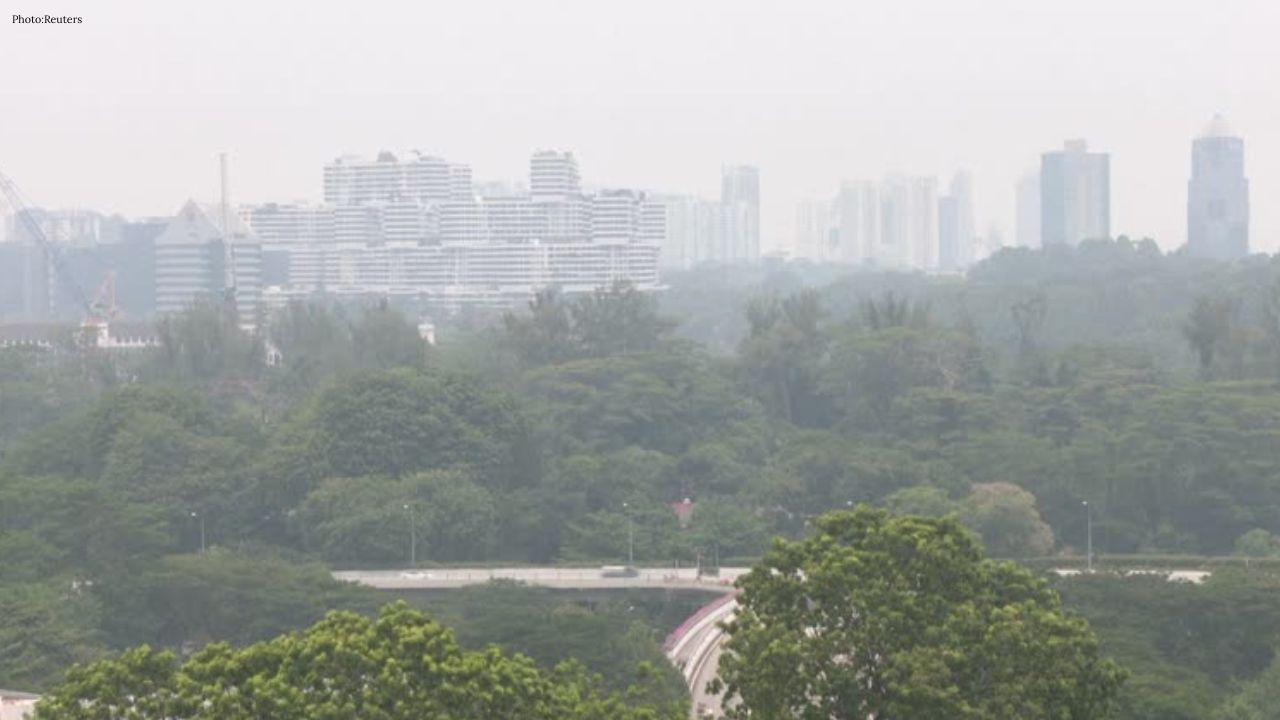
Air Quality Turns Unhealthy in Central and Western Singapore Amid Haze
Singapore haze pushes PSI above 100 in central and western areas as smoke from regional hotspots rai

PM Modi Pays Tribute to Mahatma Gandhi, Urges People to Support Khadi
PM Modi pays tribute to Mahatma Gandhi on Gandhi Jayanti and urges citizens to support Khadi and the

Amazon Seeks to Offload $8 Billion in Nvidia Chips to Investors
Amazon plans to move $8 billion in Nvidia chips to investors, using a new financing model to strengt

Samsung Raises Galaxy S26 Prices as Memory Chip Costs Rise
Samsung raises Galaxy S26 prices in South Korea as rising memory chip costs put pressure on smartpho

