You have not yet added any article to your bookmarks!
Join 10k+ people to get notified about new posts, news and tips.
Do not worry we don't spam!
Post by : Saif Rahman
The apprehension of Venezuelan President Nicolas Maduro by US forces has sparked a wave of international reactions, placing immense pressure on China's diplomatic approach. This incident raises critical discussions about the legitimacy of global powers' actions without United Nations endorsement.
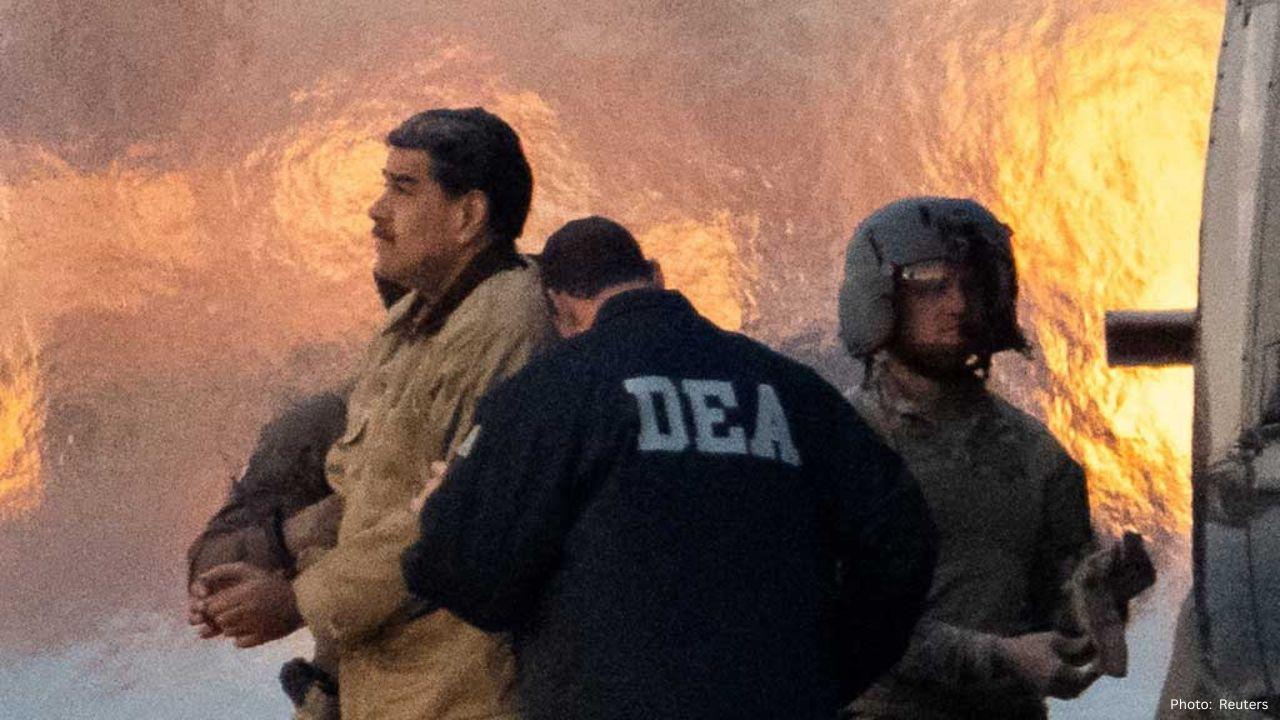
According to reports, US personnel detained Maduro in Venezuela, bringing him to New York to face drug-related allegations. Disturbing images of him blindfolded and restrained have left many nations taken aback. In a US courtroom, Maduro declared his innocence. The legality of the US operation quickly became a focal point at the UN Security Council.
China voiced strong disapproval, accusing the US of acting unlawfully. Foreign Minister Wang Yi stated that no nation possesses the authority to behave as the world’s enforcer or judge. He reiterated the importance of respecting national sovereignty and security according to international law.
China adheres to a longstanding principle of non-intervention, opposing any military or political meddling in another nation’s matters unless authorized by the UN Security Council. Due to this stance, China frequently rebukes unauthorized military actions. The takeover of Maduro puts this principle to the test and compels China to demonstrate its resolve on the global stage.
Colombia’s call for an urgent UN meeting, with support from China and Russia, pushed this issue into the spotlight. At the session, China expressed astonishment and deep disapproval of the US's conduct. Chinese delegates cautioned that resorting to military force for political resolutions often brings about greater unrest instead of peace. The UN Secretary-General also warned that such actions could set a precarious precedent moving forward.
Experts note that China is pivotal in molding global perspectives against the US's actions. While Beijing may be unable to extend military or direct economic support to Venezuela presently, it can leverage its diplomatic influence to unite developing nations and apply pressure through multilateral institutions.
The situation is particularly delicate, as Venezuela is a significant ally for China in Latin America. Their partnership has flourished for years, particularly since the era of former leader Hugo Chavez, who strengthened ties with Beijing. After Chavez’s passing, Maduro upheld this alliance. China has made substantial investments in Venezuela's oil sector and infrastructure, especially amid Western sanctions crippling the Venezuelan economy.
This relationship has been mutually beneficial, as Venezuela has backed China’s global initiatives and often aligned with Beijing’s stances on various issues worldwide. Therefore, Maduro's arrest represents not only a legal or political challenge but also a setback for China’s image as a reliable partner ready to defend its allies.
The crisis also raises alarm among other Latin American nations that have rallied around China in recent years. Many of these countries joined China's security and cooperation platforms in hopes of protection from outside interference. Now, they might reconsider if China can genuinely shield them in the face of unilateral US actions.
Chinese President Xi Jinping has called for a collective respect for international law and adherence to UN principles, urging major powers to exemplify responsible conduct, though avoiding direct criticism of the US. This illustrates China’s strategic balancing act, blending strong rhetoric with diplomatic prudence.
Simultaneously, the US has maintained a tough stance toward regional nations such as Colombia, Mexico, and Cuba. This increases apprehensions that military intervention may resurface as a diplomatic tool rather than relying on negotiation.
The Maduro case presents a crucial test for China, challenging its assertion that global issues can be resolved without relying on force or succumbing to Western hegemony. How Beijing navigates this incident, especially in the UN, will influence its stature as a global influencer and protector of international standards.
This development transcends Venezuela, reigniting timeworn discussions about authority, legality, and equity in global relations. As the world closely observes, the repercussions could redefine how nations react when global norms are stretched to their breaking point.
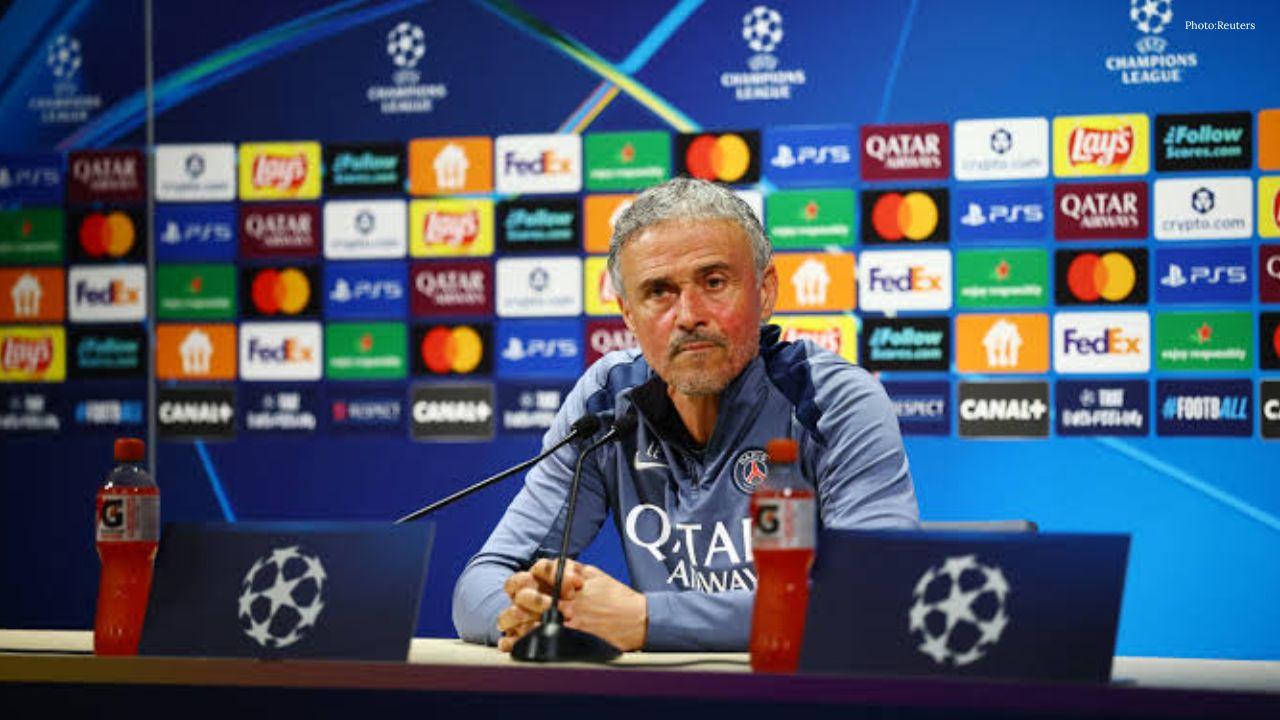

PSG Coach Luis Enrique Urges Players to Step Outside Comfort Zone
PSG coach Luis Enrique says players must leave their comfort zone and keep improving as the club tar

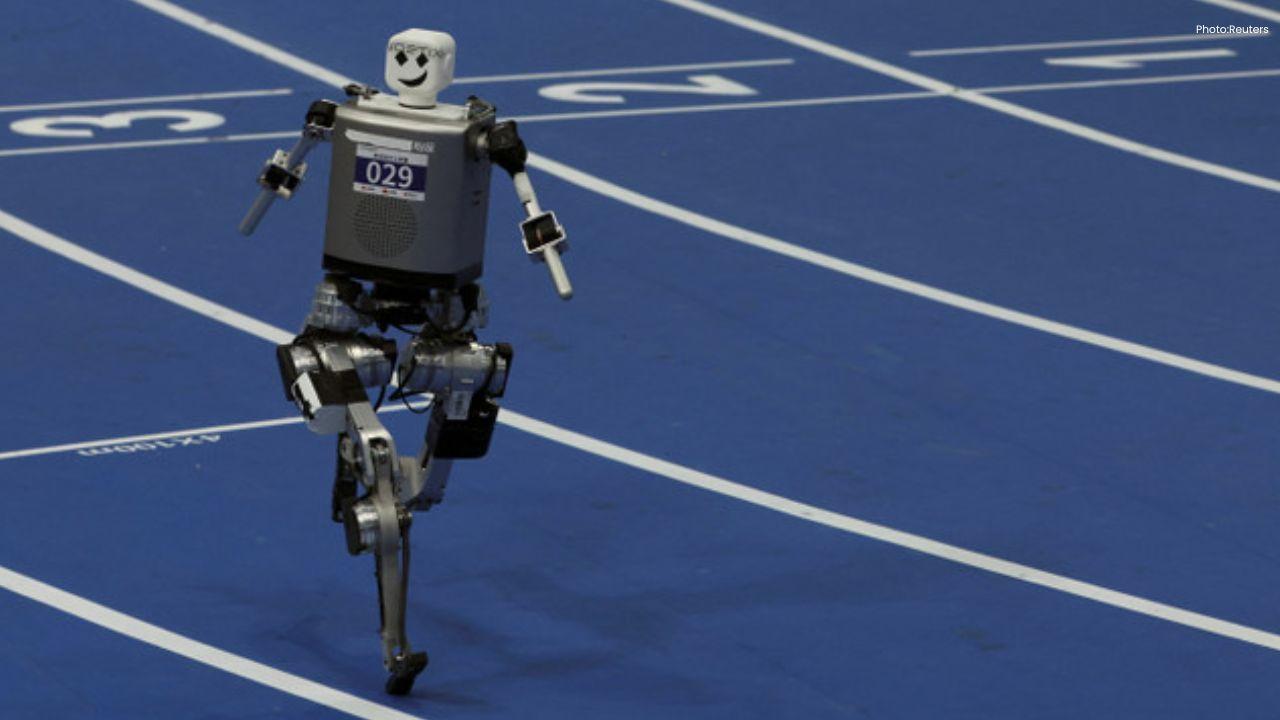
China’s Tiangong Sets New 400m Record at Robot Olympics
China’s Tiangong robot sets a new 400m record at the Robot Olympics, beating a South African robot i

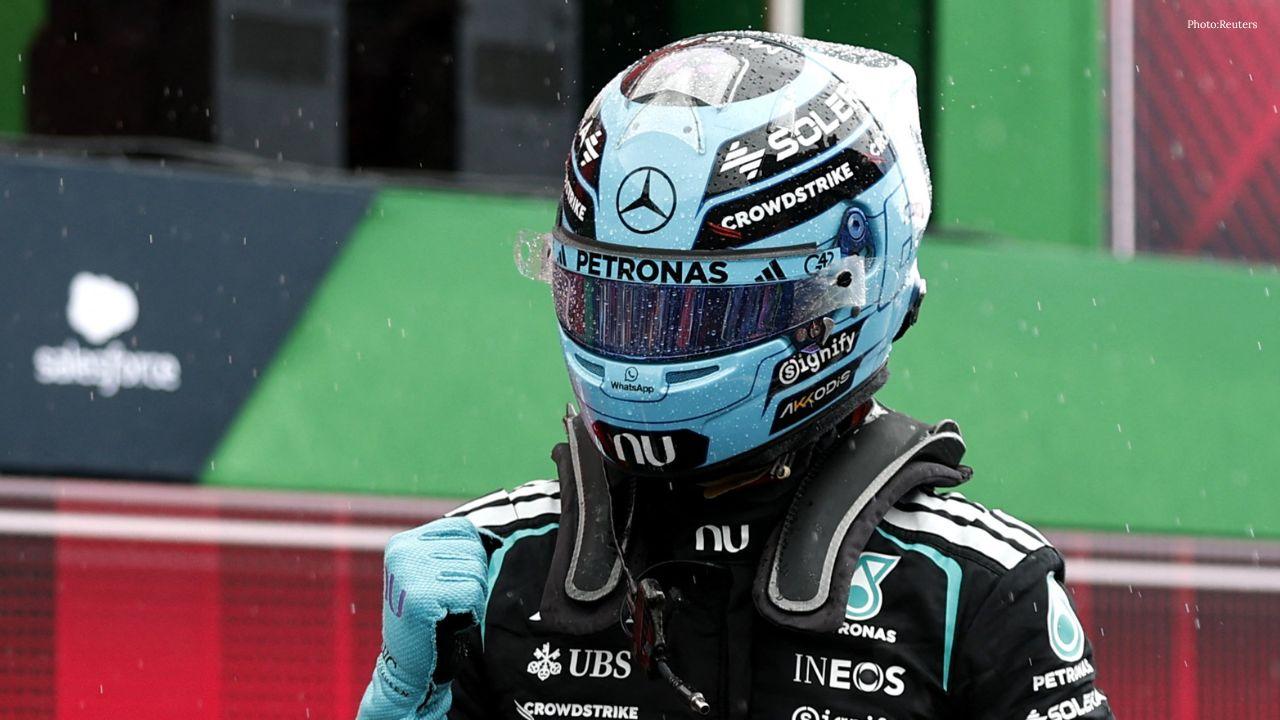
George Russell Wins Dutch GP Sprint, Boosts Mercedes Morale
George Russell wins the Dutch GP Sprint from pole as Mercedes teammate Kimi Antonelli extends his F1
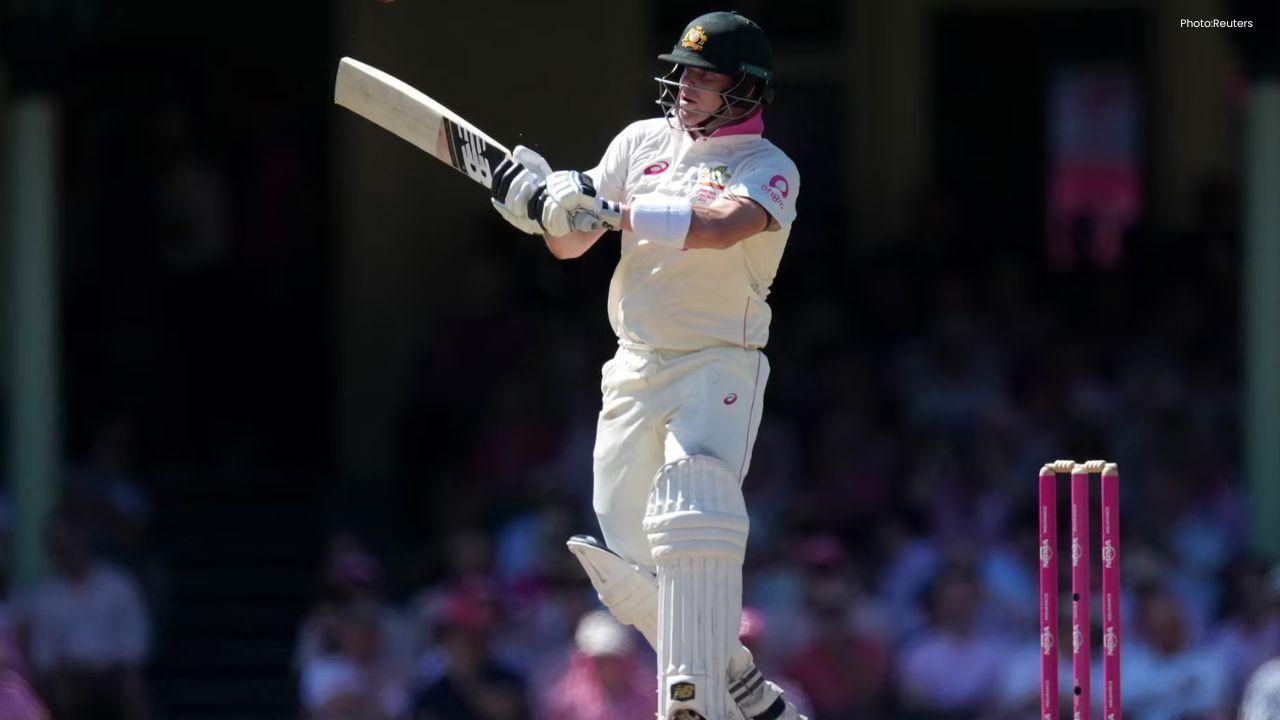
Australia 50/3 After Bangladesh Bowled Out for 64 in Second Test
Australia reached 50/3 after Bangladesh were bowled out for 64 in the second Test, with Mitchell Sta
Jordan Burroughs Returns to Wrestling with 2028 Olympic Dream
Jordan Burroughs returns to wrestling with Real American Freestyle as the Olympic champion eyes a po
Lamborghini Catches Fire on Singapore's ECP, Causing Heavy Traffic
A Lamborghini caught fire on Singapore's ECP, causing heavy traffic and bus delays. No injuries were