
You have not yet added any article to your bookmarks!
Join 10k+ people to get notified about new posts, news and tips.
Do not worry we don't spam!
Post by : Shakul
Tensions in the Middle East escalated once again after the United States carried out airstrikes on Iranian military installations following the reported downing of an American MQ-1 Predator drone. The latest exchange of attacks has raised fresh concerns about the stability of the already fragile ceasefire that has been under negotiation between Washington and Tehran in recent weeks.
According to the United States Central Command, American forces targeted Iranian radar facilities, drone control stations, and military infrastructure located near Geruk and on Qeshm Island. US officials stated that the operation was a direct response to what they described as aggressive Iranian actions against an American surveillance drone operating over international waters.
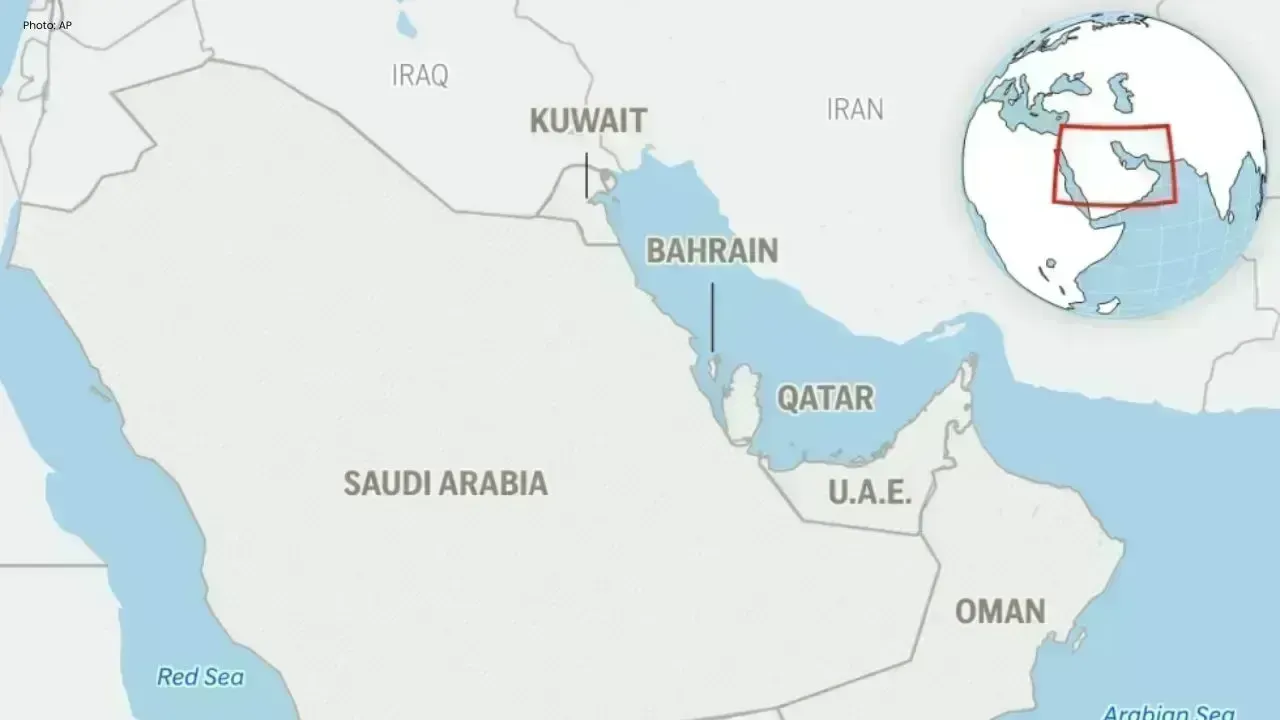
Iran acknowledged launching retaliatory military action following the strikes. Iranian state media reported that a telecommunications facility was hit during the American operation. Shortly afterward, authorities in Kuwait announced that their air defense systems had intercepted incoming drones and missiles, preventing potential damage and ensuring public safety.
The incident has intensified fears that diplomatic efforts aimed at extending the ceasefire agreement could collapse. While both Washington and Tehran continue to publicly support negotiations, military confrontations on the ground have complicated the path toward a lasting agreement. Regional observers warn that continued exchanges could trigger a wider security crisis across the Gulf.
Adding to the uncertainty is the ongoing disruption in the Strait of Hormuz, one of the world's most critical energy corridors. Iran continues to maintain restrictions affecting maritime traffic through the strategic waterway, causing pressure on global oil, natural gas, and fertilizer supplies. International markets remain sensitive to developments in the region due to the Strait’s importance for global trade.
The broader regional situation also remains tense. Fighting involving Israel, Lebanon, and Hezbollah continues alongside the US-Iran confrontation. Security analysts believe these overlapping conflicts increase the risk of miscalculation and further military escalation across the Middle East.
Despite the growing tensions, US President Donald Trump expressed optimism regarding diplomatic efforts. In public remarks, he indicated that discussions with Iran remain active and suggested that both sides are interested in reaching a mutually beneficial agreement. However, the latest military exchanges demonstrate that significant challenges remain before any long-term settlement can be achieved.










PM Modi Pays Tribute to Mahatma Gandhi, Urges People to Support Khadi
PM Modi pays tribute to Mahatma Gandhi on Gandhi Jayanti and urges citizens to support Khadi and the

Amazon Seeks to Offload $8 Billion in Nvidia Chips to Investors
Amazon plans to move $8 billion in Nvidia chips to investors, using a new financing model to strengt

Samsung Raises Galaxy S26 Prices as Memory Chip Costs Rise
Samsung raises Galaxy S26 prices in South Korea as rising memory chip costs put pressure on smartpho

Lewis Hamilton Calls Singapore Grand Prix One of F1's Toughest Races
Lewis Hamilton discusses the demanding Singapore Grand Prix and brings Plus44 and Almave to Singapor

Denmark's Pandora Opens World's Largest Jewellery Factory in Vietnam
Pandora opens its largest jewellery factory in Vietnam, expanding global production, strengthening s

Gautam Gambhir Questions Batting-Friendly Pitches After India's Record ODI Chase
Gautam Gambhir questions batting-friendly ODI pitches after India’s record chase, calling for a bett

