You have not yet added any article to your bookmarks!
Join 10k+ people to get notified about new posts, news and tips.
Do not worry we don't spam!
Post by : Meena Ariff
The United States has decided to cancel or limit visas for several officials from Africa, the Caribbean, Brazil, and Cuba. The move is linked to a Cuban program that sends doctors and medical workers overseas, which Washington says is being used as a form of forced labor.
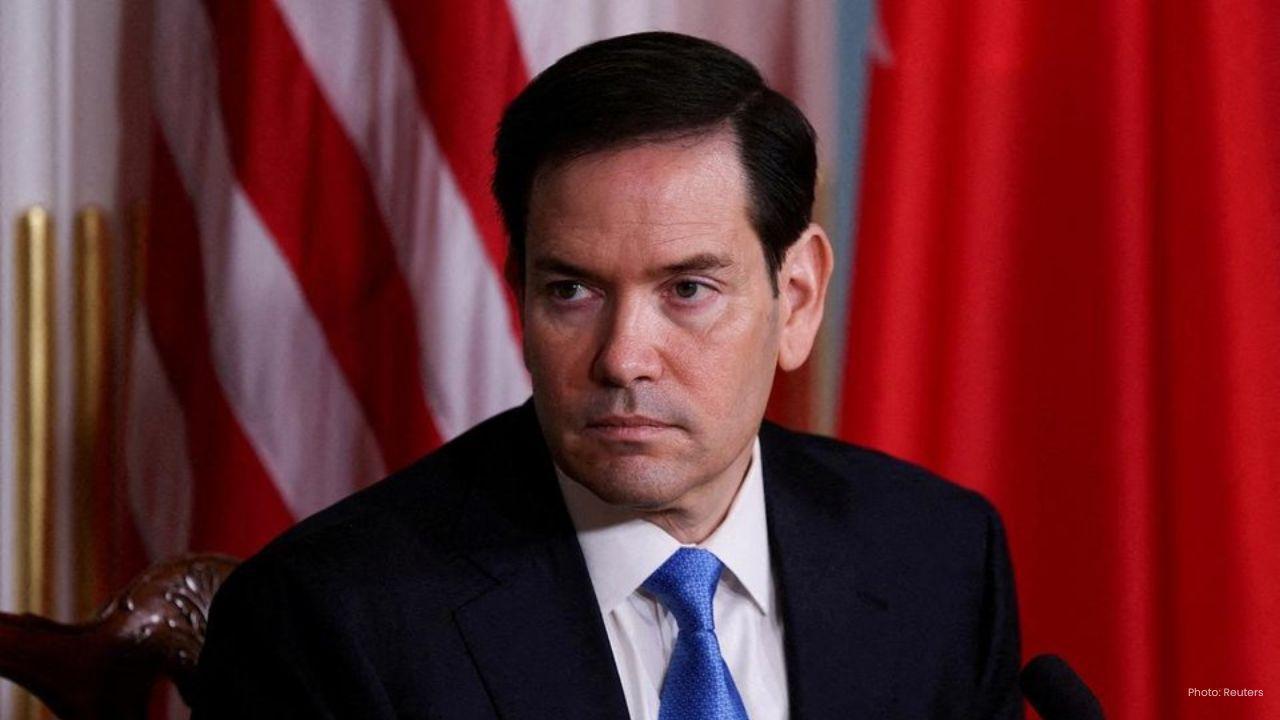
On Wednesday, US Secretary of State Marco Rubio announced that Brazilian Ministry of Health official Mozart Julio Tabosa Sales and former Pan American Health Organization (PAHO) official Alberto Kleiman were among those whose visas have been revoked.
Rubio did not give the names of other officials affected, but confirmed they were from countries in Africa, as well as from Cuba and Grenada.
The Controversial Cuban Program
The Cuban government has been sending doctors abroad since the Cuban Revolution in 1959. These medical missions have treated millions of patients in countries across Latin America, Africa, and Asia. Cuba says the program is a symbol of its solidarity with poorer nations.
However, the United States accuses Cuba of exploiting its medical workers by taking most of the money paid by host countries and keeping the doctors under strict control while abroad. Washington calls it a form of "forced labor" and says it deprives Cubans at home of needed medical care.
Rubio described the program as one in which “medical professionals are rented out to other countries at high prices, with most of the money going to Cuban authorities instead of the doctors.” He said the US will work to stop this and urged countries to pay doctors directly.
Cuba and Allies Push Back
Cuba strongly rejected the US accusations. Johana Tablada, Cuba’s deputy director for US affairs, said on the social media platform X that “Cuba’s medical cooperation will continue.” She accused Rubio of targeting healthcare services for people in need and claimed his political priorities were misplaced.
Caribbean leaders have also spoken out against US claims, saying the Cuban program has helped their nations meet healthcare needs, especially in rural and poor communities.
Brazil Defends Its Program
One of the programs criticized by Rubio is Mais Médicos or “More Doctors,” launched in Brazil in 2013. Under this program, thousands of Cuban doctors were sent to work in remote areas of Brazil where there were few or no medical professionals.
In 2018, Cuba ended its participation in the program after disagreements with Brazil’s then-government. But Brazilian Health Minister Alexandre Padilha said his government will not give in to what he called “unreasonable attacks” on the initiative.
Padilha said that the program brought vital medical care to millions of Brazilians and rejected the US effort to link it to labor abuse.
Role of PAHO Under Scrutiny
Rubio also accused the Pan American Health Organization—a branch of the World Health Organization covering the Americas—of helping to arrange the Cuban medical program in Brazil without following Brazilian laws and while avoiding US sanctions.
He said PAHO acted as a middleman between Cuba and Brazil to bypass legal requirements. According to Rubio, this allowed the program to operate without proper oversight and let Cuba collect large payments for its doctors.
A History of US Actions Against the Program
The United States has been critical of Cuba’s overseas medical program for many years. In February, the US expanded visa restrictions to include officials believed to be connected to the scheme.
The Trump administration had already taken a hard line on Cuba, reversing earlier steps by the Obama administration that had sought to improve relations. The current US policy aims to put economic and diplomatic pressure on the Cuban government, which is facing one of its worst economic crises in decades.
Washington argues that ending what it sees as "forced labor" in the medical program will weaken Cuba’s foreign currency earnings, which are a major source of income for the island.
The Cuban View
Cuba says the money earned from these medical contracts helps fund its free national healthcare system and education services. It denies that doctors are forced to participate, saying they volunteer and are paid according to agreements made with the host countries.
Cuban officials also accuse the US of trying to damage a program that provides essential healthcare to poor regions that would otherwise be without medical services.
Regional Reactions
The reaction from across Latin America and the Caribbean has been mixed. While some governments support the US position, others see the Cuban program as valuable and accuse Washington of using political motives to target Cuba.
Caribbean nations such as Grenada have benefited from Cuban medical teams for decades. In many small island states, Cuban doctors make up a significant part of the healthcare workforce. Leaders in the region have said they will continue working with Cuba despite US pressure.
What Happens Next
With the new visa restrictions, affected officials will not be able to enter the United States. Washington hopes this move will push other governments to rethink their participation in the Cuban medical program.
However, Cuban leaders have made it clear that they will not stop sending doctors abroad. The program is not only an important source of revenue but also a central part of Cuba’s image as a nation that helps others.
Analysts believe this issue will remain a point of tension between the US and countries that cooperate with Cuba’s medical missions.
For now, both sides remain firm in their positions—Washington calling it forced labor, and Havana calling it solidarity in action.






Josh Kerr and Jakob Ingebrigtsen Set for 1,500m Rivalry Rematch
Josh Kerr and Jakob Ingebrigtsen will renew their 1,500m rivalry at the Ultimate Championship in Bud

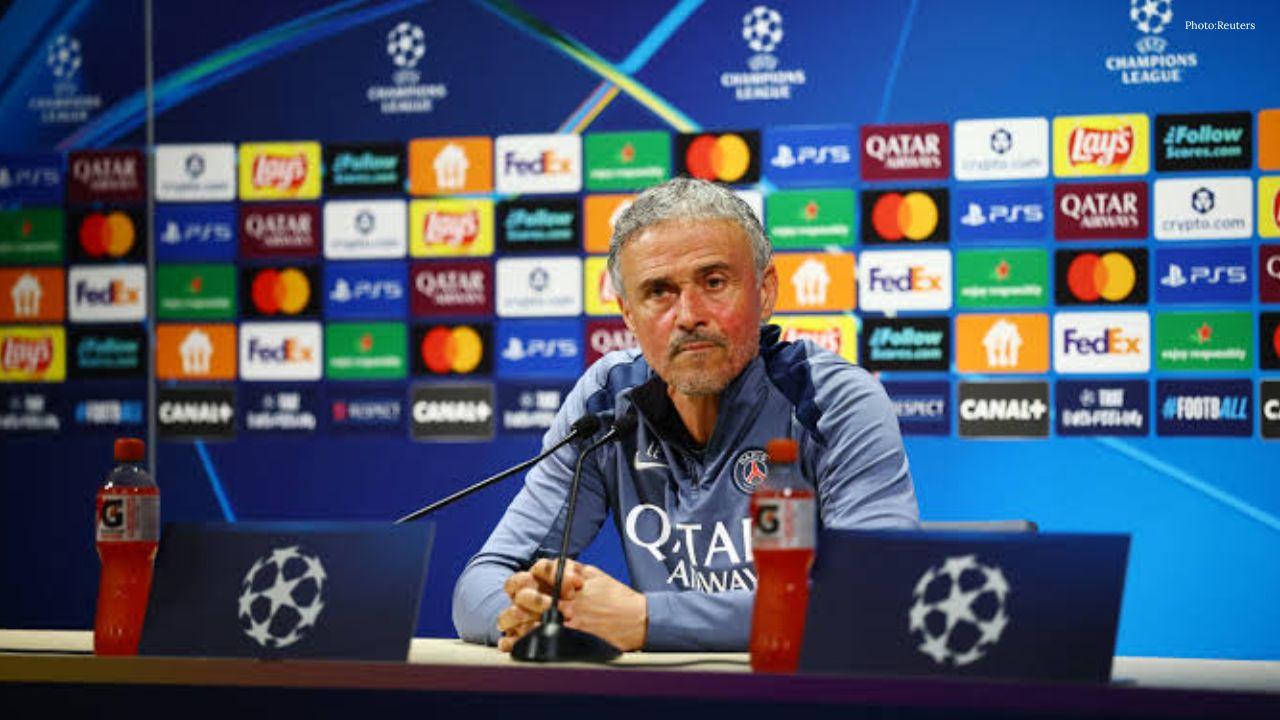
PSG Coach Luis Enrique Urges Players to Step Outside Comfort Zone
PSG coach Luis Enrique says players must leave their comfort zone and keep improving as the club tar

China’s Tiangong Sets New 400m Record at Robot Olympics
China’s Tiangong robot sets a new 400m record at the Robot Olympics, beating a South African robot i

George Russell Wins Dutch GP Sprint, Boosts Mercedes Morale
George Russell wins the Dutch GP Sprint from pole as Mercedes teammate Kimi Antonelli extends his F1

Australia 50/3 After Bangladesh Bowled Out for 64 in Second Test
Australia reached 50/3 after Bangladesh were bowled out for 64 in the second Test, with Mitchell Sta

Jordan Burroughs Returns to Wrestling with 2028 Olympic Dream
Jordan Burroughs returns to wrestling with Real American Freestyle as the Olympic champion eyes a po