
You have not yet added any article to your bookmarks!
Join 10k+ people to get notified about new posts, news and tips.
Do not worry we don't spam!
Post by : Saif Rahman
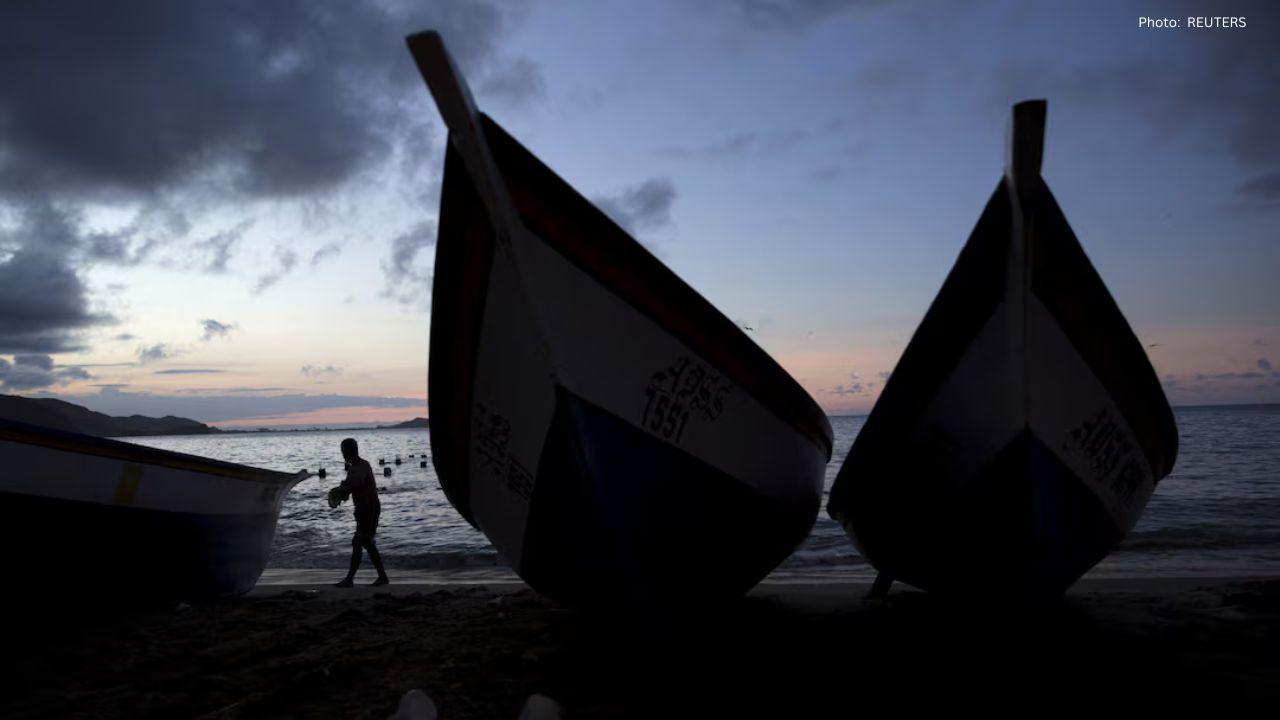
In Venezuela's northeastern state of Sucre, residents are grappling with heightened fear and anxiety after a series of U.S. strikes targeting alleged drug boats. Since these military actions commenced, many locals report an influx of security forces, intelligence agents, and government loyalists. The once tranquil life near the Caribbean coast has transformed into one of constant watchfulness, fear, and apprehension about the future.
The U.S. has conducted operations over several months aimed at dismantling drug trade networks, claiming over 80 fatalities among cartel members off Venezuela's shores and in the Pacific. This includes casualties from Sucre, a region closely located to Trinidad and Tobago. As one of the nation’s poorest zones, approximately 60% of its population relies on government employment for their livelihoods.
Officials from the U.S. assert that these strikes aim to curtail the influence of criminal organizations, reportedly tied to Venezuela’s President Nicolás Maduro. Meanwhile, Maduro’s administration has denied links to drug trafficking, accusing the U.S. of attempting to impose political change to seize Venezuela’s valuable oil reserves.
Families affected by the strikes express disarray amid the bombings. Two individuals, wishing to remain anonymous for fear of reprisals, recounted how members of the police and the SEBIN intelligence agency visited their homes soon after the attacks, conducting searches and warning them against online discussions about their lost relatives. With no official updates, explanations, or bodies to lay to rest, they navigate a landscape of grief and confusion.
In Guiria, a coastal town, locals have witnessed a surge in security presence since mid-September, amplifying in recent weeks. Patrols from SEBIN, armed forces, the national police, and military intelligence have become commonplace. While some officers are in uniforms, many operate in plain clothes with unmarked vehicles, creating a pervasive sense of unease.
The DGCIM, sanctioned by the U.S. and under scrutiny by the International Criminal Court, faces accusations of human rights violations, including torture and extrajudicial killings. SEBIN has a long history of targeting journalists and dissenters, raising alarms about civil liberties in the region.
Community leaders in Guiria note that patrols are now a frequent and omnipresent reality. Previously, security forces had a lighter touch, but their current intensity has altered the landscape significantly.
A local shopkeeper remarked that many patrols now include “colectivos,” which are groups of government supporters on motorcycles that accompany police on surveillance operations. Despite a calm facade, the relentless scrutiny instills a profound sense of dread among residents. Checkpoints have also emerged, often lacking clarity about which group is orchestrating them.
Guiria’s already fragile economy has further deteriorated since the strikes, with heavy reliance on smuggling and informal exchanges with Trinidad and Tobago. Locals report a complete halt of boat traffic to the islands, resulting in a freeze of migrant movement and trade. The recent minor economic activities stem from small government bonuses, but overall, financial circulation remains stagnant.
In Carupano, another coastline city, a resident observed the DGCIM establishing a command outpost in a local hotel in Rio Caribe. The uptick in security has resulted in quieter public spaces, with many opting to remain indoors. Residents are acutely aware that some individuals in civilian attire may be intelligence agents, prompting them to steer clear of sensitive discussions.
The situation in Sucre mirrors a larger trend across Venezuela, where surveillance and intelligence operations have deeply infiltrated the daily lives of citizens. Amid fear, silence, and economic hardship, the atmosphere hangs heavy. Once vibrant with fishing and trade, this region now grapples with instability, longing for relief, yet bracing for more oppression.
Consequently, the ramifications of the U.S. boat strikes extend beyond the ocean, reshaping daily existence, tightening governmental oversight, and leaving families mourning without closure. For Sucre's inhabitants, an uncertain future looms, with the constant dread of scrutiny ingraining itself into the fabric of their lives.










PM Modi Pays Tribute to Mahatma Gandhi, Urges People to Support Khadi
PM Modi pays tribute to Mahatma Gandhi on Gandhi Jayanti and urges citizens to support Khadi and the

Amazon Seeks to Offload $8 Billion in Nvidia Chips to Investors
Amazon plans to move $8 billion in Nvidia chips to investors, using a new financing model to strengt

Samsung Raises Galaxy S26 Prices as Memory Chip Costs Rise
Samsung raises Galaxy S26 prices in South Korea as rising memory chip costs put pressure on smartpho

Lewis Hamilton Calls Singapore Grand Prix One of F1's Toughest Races
Lewis Hamilton discusses the demanding Singapore Grand Prix and brings Plus44 and Almave to Singapor

Denmark's Pandora Opens World's Largest Jewellery Factory in Vietnam
Pandora opens its largest jewellery factory in Vietnam, expanding global production, strengthening s

Gautam Gambhir Questions Batting-Friendly Pitches After India's Record ODI Chase
Gautam Gambhir questions batting-friendly ODI pitches after India’s record chase, calling for a bett

