You have not yet added any article to your bookmarks!
Join 10k+ people to get notified about new posts, news and tips.
Do not worry we don't spam!

Post by : Saif Rahman
On Monday, Venezuela’s government bonds experienced a significant upswing after the United States took President Nicolás Maduro into custody. This unexpected political development has altered investor sentiment regarding Venezuela’s financial future, particularly its longstanding debt troubles.
Since defaulting on its debt in 2017, Venezuela has struggled to access global markets. The country's financial downturn stemmed from poor management, declining oil production, and stringent sanctions, causing the government and PDVSA to cease payments to investors. Consequently, Venezuelan bonds traded at suppressed prices, mirroring widespread skepticism about repayment prospects.
However, optimism surged following the announcement of Maduro’s detention by U.S. forces during an operation in Caracas. Investors are now hopeful for substantial political changes, which could result in a new administration interested in reopening communications with creditors.
As a direct outcome, bonds issued by the Venezuelan government and PDVSA surged by approximately 20% during the early European trading sessions, with some specific bonds appreciating by up to 8 cents on the dollar within a few hours. Analysts indicated that this positive momentum could persist if a clear pathway emerges for new leadership and economic reforms.
Prominent banks observed that Venezuela’s bonds had already shown notable increases over the past year, nearly doubling in value during 2025 amid growing opposition to Maduro’s regime. On Monday, the rise pushed long-term bonds upward, nearing 40 cents on the dollar for the first time in several years.
Investors are now pivoting their focus towards the potential of a comprehensive debt restructuring. Defaulted bonds from both Venezuela and PDVSA amount to approximately $60 billion. When accounting for other outstanding obligations, including loans and legal disputes, the total foreign debt is estimated to be between $150 billion and $170 billion.
Engaging in such a restructuring process won’t be straightforward, as it will likely include lengthy negotiations with numerous creditors, complex legal hurdles, and challenging decisions regarding potential investor recoveries. Nevertheless, Maduro's capture has rekindled hopes that long-stalled negotiations might finally get underway.
Additionally, attention is turning to Venezuela’s oil sector, which harbors the largest proven oil reserves globally but has seen a severe decline in production. A political shift could usher in foreign investment and increased output, which could provide much-needed capital for debt servicing.
Overall, the bond rally underscores how swiftly markets can react to shifts in political landscapes. Despite the lingering uncertainties, investors are increasingly optimistic that Venezuela may be poised to turn a page after enduring a prolonged period of turmoil and seclusion.






PSG Coach Luis Enrique Urges Players to Step Outside Comfort Zone
PSG coach Luis Enrique says players must leave their comfort zone and keep improving as the club tar

China’s Tiangong Sets New 400m Record at Robot Olympics
China’s Tiangong robot sets a new 400m record at the Robot Olympics, beating a South African robot i

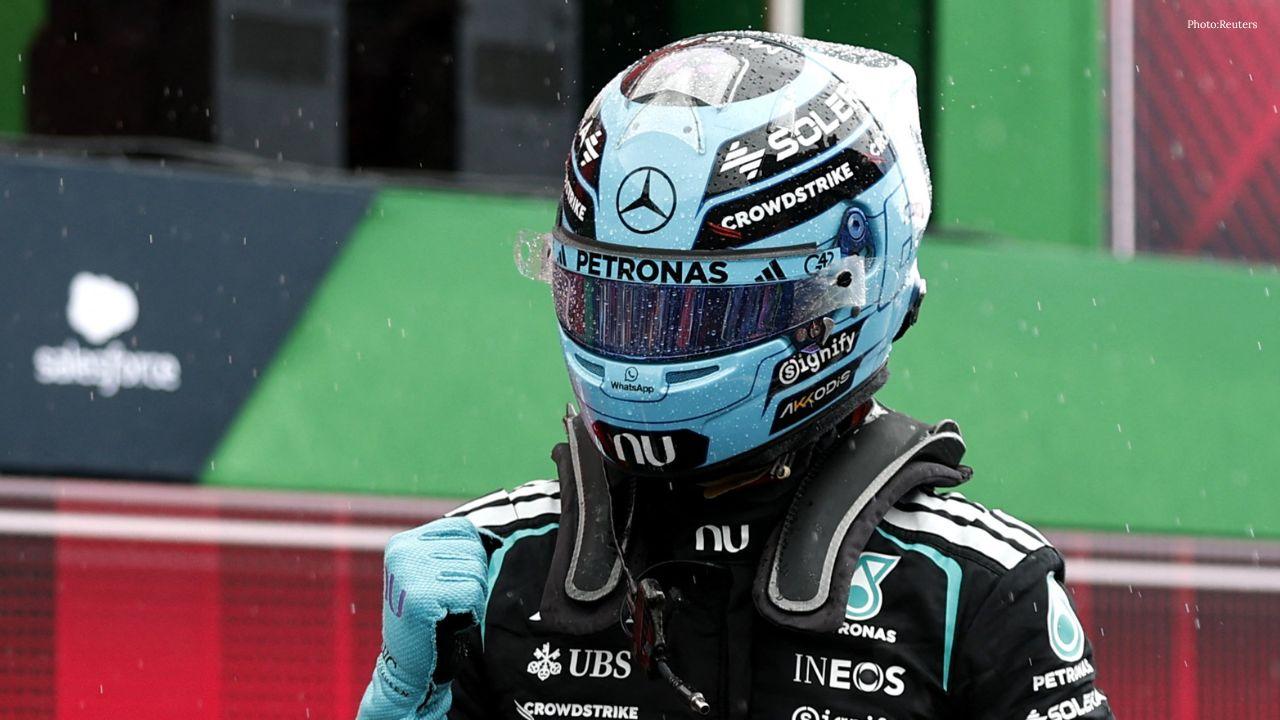
George Russell Wins Dutch GP Sprint, Boosts Mercedes Morale
George Russell wins the Dutch GP Sprint from pole as Mercedes teammate Kimi Antonelli extends his F1
Australia 50/3 After Bangladesh Bowled Out for 64 in Second Test
Australia reached 50/3 after Bangladesh were bowled out for 64 in the second Test, with Mitchell Sta

Jordan Burroughs Returns to Wrestling with 2028 Olympic Dream
Jordan Burroughs returns to wrestling with Real American Freestyle as the Olympic champion eyes a po

Lamborghini Catches Fire on Singapore's ECP, Causing Heavy Traffic
A Lamborghini caught fire on Singapore's ECP, causing heavy traffic and bus delays. No injuries were