
You have not yet added any article to your bookmarks!
Join 10k+ people to get notified about new posts, news and tips.
Do not worry we don't spam!
Post by : Anis Farhan
AI image enhancers are no longer niche tools used only by photographers or graphic designers. In 2026, they’ve become mainstream utilities — downloaded by students, influencers, small business owners, job seekers, real estate agents, and even everyday smartphone users.
The reason is simple: people now live in a world where images matter more than ever. Your profile photo, your product listing, your presentation visuals, your YouTube thumbnail, and your brand identity all rely on high-quality images. And the bar for what counts as “good quality” has risen sharply.
At the same time, the average person doesn’t want to spend hours learning complex editing software. They want instant results, and they want them in one click. AI image enhancers deliver exactly that — which is why they’re becoming the most downloaded tools in 2026.
The demand for AI image enhancers didn’t appear overnight. It has been building for years. But 2026 is the tipping point because three trends are happening simultaneously:
People share more visuals than ever
The internet rewards high-quality images
AI enhancement has become fast, cheap, and extremely accurate
Earlier versions of image upscalers were often unreliable. They over-sharpened faces, made skin look plastic, or introduced weird artifacts. In 2026, those issues are far less common because modern AI models understand textures, lighting, depth, and facial structure with far better accuracy.
A few years ago, professional-looking images were mainly produced by:
photographers
studio editors
graphic designers
marketing teams
In 2026, AI image enhancers have changed the economics completely.
Now a small café owner can take a basic smartphone photo of their menu, run it through an enhancer, and get something that looks like it belongs in a branded campaign.
A student can enhance an old passport photo and make it presentable for a resume.
A real estate broker can improve property photos without hiring an editor.
This democratization is one of the biggest drivers of downloads.
One reason AI enhancers are spreading rapidly is because they unlock “impossible edits.”
People are shocked by what these tools can do:
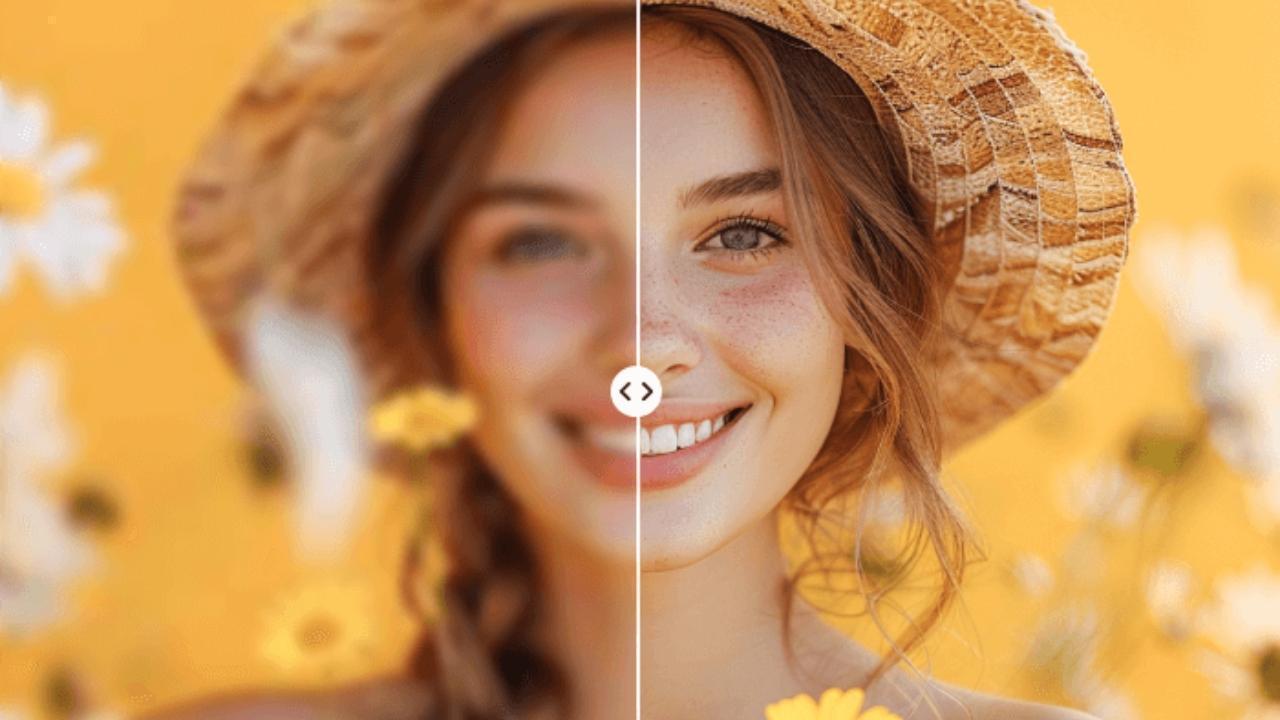
Family photos from the 1990s or early phone cameras can now be restored into something clear enough to print.
Instead of just brightening an image (which makes it noisy), AI can intelligently reduce grain while preserving detail.
Traditional upscaling stretches pixels. AI upscaling recreates missing detail using learned patterns.
Social media often ruins images. AI enhancers can clean up blocky artifacts.
This “magic effect” makes users share the tool with friends — driving downloads even faster.
Social platforms in 2026 are visually brutal. Whether it’s Instagram, YouTube, LinkedIn, or even WhatsApp Status — the content that gets attention looks polished.
Even normal users now feel pressure to post images that are:
sharp
bright
high resolution
aesthetically pleasing
AI enhancers have become the easiest way to upgrade content before posting. That’s why many of the most downloaded AI enhancer apps in 2026 are actually marketed as “social tools,” not editing tools.
In 2026, content creation is no longer a side hustle for a small group. It’s a major economic lane.
There are creators for:
fitness
travel
food
fashion
gaming
finance
education
AI tutorials
And every one of these categories depends heavily on visuals.
Creators don’t just want better images — they need them to stay relevant.
AI image enhancers are now used for:
thumbnail sharpening
face enhancement
lighting correction
background cleanup
image resizing for different platforms
When creators download and recommend these tools, it creates a chain reaction.
It sounds ironic, but better cameras are actually increasing demand for AI enhancers.
Why?
Because modern smartphone cameras capture ultra-high detail — and that makes imperfections more visible.
People notice:
uneven lighting
skin texture issues
blur from movement
noise in indoor photos
So instead of accepting a “good enough” image, users enhance it.
In short: the better the cameras get, the more people want their images to look flawless.
In the 2016–2020 era, filters were the big trend. People used them to add color tones and mood.
In 2026, enhancement is the new filter.
Instead of changing the mood, people want to improve reality:
clearer skin
sharper eyes
brighter background
better contrast
more professional lighting
The goal is not artistic styling — it’s polished realism.
That’s why these tools appeal to a wider audience than traditional editing apps ever did.
AI image enhancers are not just for personal photos. Businesses in 2026 are adopting them aggressively, especially small and mid-sized businesses.
Product images decide sales. Enhancers help sellers make photos sharper and cleaner.
Menus, food shots, and posters now look professionally edited without paying a studio.
Clearer property photos lead to more inquiries.
From portfolio images to profile branding, freelancers are using enhancers to stand out.
The rise of micro-businesses and online selling is directly increasing downloads.
A quiet trend in 2026 is the return of printed photo products:
photo frames
wedding albums
custom gifts
memory books
personalized calendars
But printing demands high resolution.
People are using AI enhancers to upscale old family photos for printing, especially:
wedding pictures from older cameras
childhood photos
scanned prints
low-resolution images from social media
This is one of the most emotional use cases — and it’s a major reason why people download these apps even if they never edit photos otherwise.
In 2026, many people don’t even realize they’re using AI image enhancement.
Because enhancement is now integrated into:
smartphone galleries
messaging apps
cloud storage tools
e-commerce platforms
social media apps
camera apps
However, standalone AI enhancers still dominate downloads because users want:
more control
better output
batch processing
watermark-free exports
high-resolution downloads
The “built-in” options often feel limited, pushing people to download dedicated apps.
Traditional photo editing requires:
adjusting sliders
understanding lighting
knowing contrast vs exposure
using masks and layers
AI enhancers reduce the process to:
upload
click enhance
download
That’s why they appeal to everyone, including people who hate editing.
In fact, many users in 2026 treat AI enhancers like utilities — the way people use PDF converters or file compressors.
Another underrated reason for the popularity: trust.
In 2026, people want their images to look better, but they don’t want them to look fake.
The best AI enhancers are winning because they produce:
natural faces
realistic textures
balanced lighting
subtle sharpening
Users are choosing enhancers that don’t scream “edited.”
This is especially important on professional platforms like LinkedIn and job portals, where overly retouched photos can hurt credibility.
A major cultural shift in 2026 is nostalgia.
People are restoring:
childhood photos
wedding albums
old travel pictures
family archives
AI image enhancers make restoration accessible, and it’s creating a wave of emotional sharing online.
Many of the most viral posts in 2026 are:
“Before vs After” restorations
“My parents’ wedding photo restored”
“Old passport photo enhanced”
“Grandfather’s photo brought back to life”
This emotional virality directly translates into downloads.
Most top AI enhancers in 2026 run on:
subscriptions
credits
pay-per-export models
Users often complain about it, but they still pay because:
the results feel worth it
it saves time
it replaces expensive software
it replaces professional services
AI enhancement has become a “low-cost luxury.”
AI enhancement tools are evolving rapidly, and the next wave is already forming.
In the near future, users can expect:
Photos enhanced instantly as you take them.
Not just frames — entire videos cleaned, sharpened, and upscaled.
AI trained on your face to enhance you consistently without distortion.
Fixing missing areas, damaged prints, and torn images more naturally.
AI image enhancers are becoming the most downloaded tools in 2026 because they solve a modern problem: people need high-quality visuals constantly, but they don’t have the time, skill, or budget for professional editing.
From social media creators and online sellers to students and families restoring memories, these tools have become essential.
In many ways, AI enhancers are following the path of calculators, grammar checkers, and navigation apps — they started as optional, and then quietly became something everyone uses.
Disclaimer:
This article is for informational purposes only. It does not endorse any specific AI application or service. Users should review privacy policies and data handling practices before uploading personal images to third-party platforms.










PM Modi Pays Tribute to Mahatma Gandhi, Urges People to Support Khadi
PM Modi pays tribute to Mahatma Gandhi on Gandhi Jayanti and urges citizens to support Khadi and the

Amazon Seeks to Offload $8 Billion in Nvidia Chips to Investors
Amazon plans to move $8 billion in Nvidia chips to investors, using a new financing model to strengt

Samsung Raises Galaxy S26 Prices as Memory Chip Costs Rise
Samsung raises Galaxy S26 prices in South Korea as rising memory chip costs put pressure on smartpho

Lewis Hamilton Calls Singapore Grand Prix One of F1's Toughest Races
Lewis Hamilton discusses the demanding Singapore Grand Prix and brings Plus44 and Almave to Singapor

Denmark's Pandora Opens World's Largest Jewellery Factory in Vietnam
Pandora opens its largest jewellery factory in Vietnam, expanding global production, strengthening s

Gautam Gambhir Questions Batting-Friendly Pitches After India's Record ODI Chase
Gautam Gambhir questions batting-friendly ODI pitches after India’s record chase, calling for a bett

