You have not yet added any article to your bookmarks!
Join 10k+ people to get notified about new posts, news and tips.
Do not worry we don't spam!

Post by : Saif Rahman
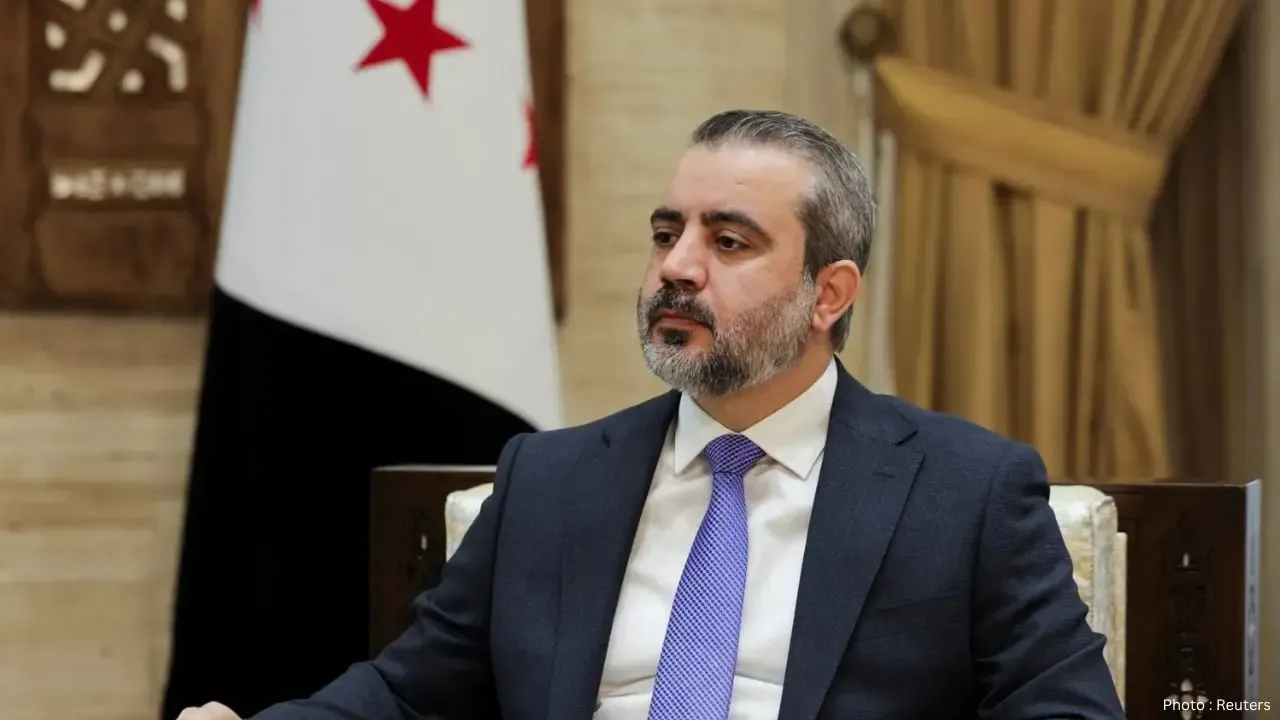
The situation in Yemen has taken an alarming turn following the unexpected arrival of Aidarous al-Zubaidi, a prominent leader of the southern separatists, in Abu Dhabi, as announced by the Saudi-led coalition. His sudden departure and absence from crucial discussions in Riyadh have sparked serious concerns regarding the peace process and escalating tensions among Yemen's regional supporters.
As reported by the coalition, al-Zubaidi, chair of the Southern Transitional Council (STC), made his way by boat to Somaliland, then flew to Mogadishu, Somalia. Following this, he reportedly took a flight to a military airport in Abu Dhabi, which was allegedly monitored by UAE officers. However, it's unclear whether al-Zubaidi remained on the aircraft upon its landing, fueling confusion and skepticism regarding this incident.
This unfolding situation coincides with a delicate period for Yemen, which has endured a protracted war lasting over ten years, marked by violence, famine, and political instability. The coalition, comprising Saudi Arabia and the UAE, intervened in Yemen to support the internationally recognized government against the Iran-aligned Houthi movement that seized the capital, Sanaa, in 2014.
Nevertheless, recent developments indicate a dwindling unity within the coalition. Tensions have surfaced between Saudi Arabia and the UAE, the two dominant nations involved in the conflict, particularly regarding the crisis in southern Yemen. While Saudi Arabia aligns with the central government, the UAE has consistently backed the STC, which advocates for either autonomy or independence for southern Yemen.
Established in 2017 with substantial UAE support, the STC has emerged as a formidable force in the south, joining the government coalition but still facing unresolved hostilities. A recent takeover of significant southern territories by STC forces has altered the power dynamics, leading to disagreements between Saudi Arabia and the UAE.
Al-Zubaidi’s absence from the Riyadh talks further complicates an already fragile situation. These discussions aimed to ease escalating tensions and mitigate conflict. His mysterious whereabouts left the coalition speculating, and soon after, the STC claimed he was in Aden managing military and security actions, yet this announcement did little to alleviate concerns.
The coalition also revealed that the aircraft flying from Mogadishu did not transmit its identification system while navigating the Gulf of Oman, switching it back on just before landing in Abu Dhabi. Such maneuvers often suggest military or sensitive missions, which has heightened suspicion. The coalition mentioned that the aircraft resembled those commonly utilized in conflict zones like Libya, Ethiopia, and Somalia.
No prompt reaction has been issued by the UAE regarding these claims, nor has the STC provided additional insight, allowing rumors and uncertainties to proliferate and complicating diplomatic efforts.
For Yemen, the pressing question is the next steps. Ongoing disputes between Saudi Arabia and the UAE could undermine stabilization efforts. Diverging regional ambitions may prolong Yemen's enduring conflict, with ordinary citizens, who have already suffered immensely from violence, famine, and displacement bearing the brunt of the hardships.
This incident underscores a harsh reality of the Yemen conflict: it is not solely an internal civil war but also a battleground influenced by regional powers and rivalries. Without consensus among these external players, peace will remain elusive. Al-Zubaidi’s enigmatic trip to Abu Dhabi may represent a singular event, yet it reveals profound fractures that could expand unless immediate measures are taken to encourage dialogue and cooperative efforts.






China’s Tiangong Sets New 400m Record at Robot Olympics
China’s Tiangong robot sets a new 400m record at the Robot Olympics, beating a South African robot i

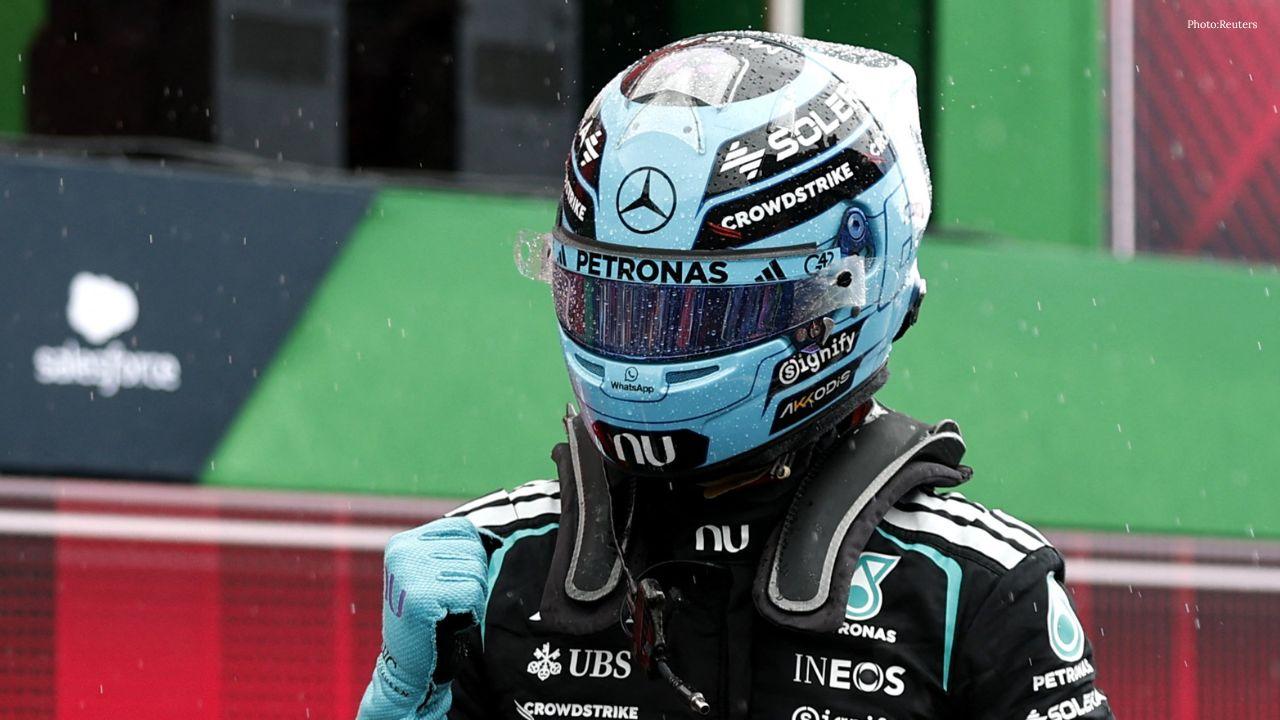
George Russell Wins Dutch GP Sprint, Boosts Mercedes Morale
George Russell wins the Dutch GP Sprint from pole as Mercedes teammate Kimi Antonelli extends his F1

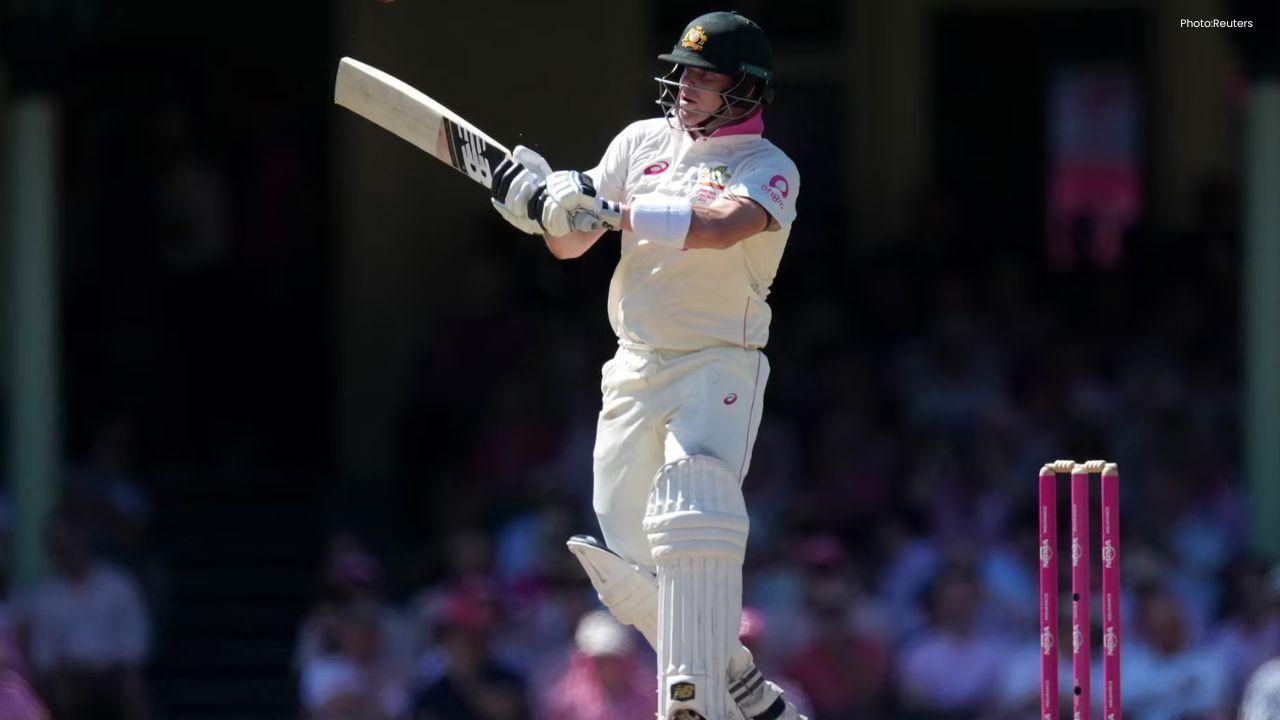
Australia 50/3 After Bangladesh Bowled Out for 64 in Second Test
Australia reached 50/3 after Bangladesh were bowled out for 64 in the second Test, with Mitchell Sta

Jordan Burroughs Returns to Wrestling with 2028 Olympic Dream
Jordan Burroughs returns to wrestling with Real American Freestyle as the Olympic champion eyes a po

Lamborghini Catches Fire on Singapore's ECP, Causing Heavy Traffic
A Lamborghini caught fire on Singapore's ECP, causing heavy traffic and bus delays. No injuries were

Bangkok Airport Duty-Free Area Flooded by Pipe Burst
A burst water pipe flooded the duty-free shopping area at Bangkok's Suvarnabhumi Airport on July 16,