You have not yet added any article to your bookmarks!
Join 10k+ people to get notified about new posts, news and tips.
Do not worry we don't spam!
Post by : Saif Rahman
The enduring conflict in Yemen has reached a pivotal moment as the southern separatists declare intentions to seek independence from the north, hinting at a potential referendum within two years. This development comes amid persistent clashes in crucial regions, notably the Hadramout province, highlighting the rift among Gulf allies backing Yemen's official government.
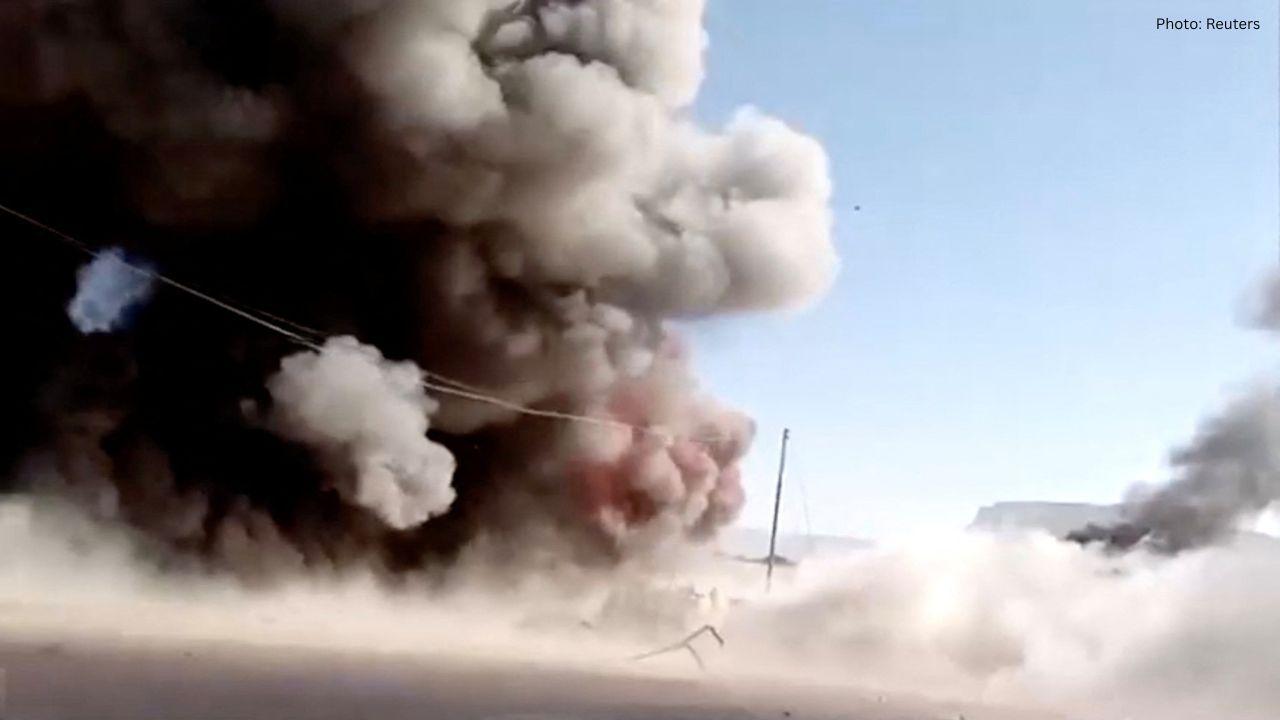
The Southern Transitional Council (STC), supported by the UAE, has articulated its desire to break away from northern Yemen. This represents the most definitive stance from the southern faction, asserting its goal of full independence. Concurrently, Saudi-supported forces are engaged in efforts to reclaim territories taken by the STC, particularly important military bases in Hadramout.
Hadramout holds substantial relevance, being a province that borders Saudi Arabia and steeped in cultural and historical importance. The STC's recent takeover of the area raised alarm bells for Saudi authorities, triggering airstrikes and military maneuvers aimed at regaining control. Both Saudi and local military units are entangled in the ongoing violence, while the STC has signaled its willingness to counter any aggression effectively.
This conflict underscores the escalating tensions between Saudi Arabia and the UAE—two Gulf nations that have previously united in support of Yemen's internationally recognized authorities. Recently, the UAE undertook the withdrawal of its troops after Saudi Arabia advocated for their exit. Although this move momentarily eased tensions, persistent disagreements regarding strategy and territorial control remain to complicate the current dynamics.
Yemen remains fragmented after over a decade of warfare, with the north predominantly under the control of the Iran-supported Houthi movement, whereas the south comprises an array of factions including the STC and forces aligned with governmental and Gulf supporters. This territorial division has fostered a tenuous power dynamic, with competing groups fighting for dominion over essential resources such as ports, airports, and oil fields.
In a bid to mediate the escalating conflict, Saudi Arabia has prompted discussions among southern factions. Yemen's presidential council has proposed a platform in Riyadh for representatives from all southern groups, aiming to pursue a peaceful resolution. However, the plan remains nascent, and it remains uncertain whether the STC or its counterparts will engage with this initiative.
The ongoing turmoil continues to disrupt daily life in the southern regions of Yemen. Operations at Aden International Airport, a vital connection for areas not under Houthi control, have been suspended amidst uncertainty about air traffic regulations. This has throttled civilian movement and trade, exacerbating the hardships faced by a populace already suffering from prolonged conflict and economic distress.
The STC's announcement and the recent fighting manifest the fragile balance of peace in Yemen, further complicated by regional geopolitics. The push for independence in the south may resonate with some local populations but risks exacerbating violence and further straining relations among Gulf allies. With key players like Saudi Arabia and the UAE harboring varied interests, the situation bears significant implications for regional stability and global oil markets.
As Yemen encounters yet another cycle of conflict, the path forward will necessitate diplomacy, restraint, and open dialogues. Achieving any resolution will rely on careful negotiations among local actors and the Gulf nations supporting them. The forthcoming months will shape whether the southern separatists' aspirations will usher in a peaceful journey toward autonomy or further inflame an already precarious crisis.




PSG Coach Luis Enrique Urges Players to Step Outside Comfort Zone
PSG coach Luis Enrique says players must leave their comfort zone and keep improving as the club tar

China’s Tiangong Sets New 400m Record at Robot Olympics
China’s Tiangong robot sets a new 400m record at the Robot Olympics, beating a South African robot i

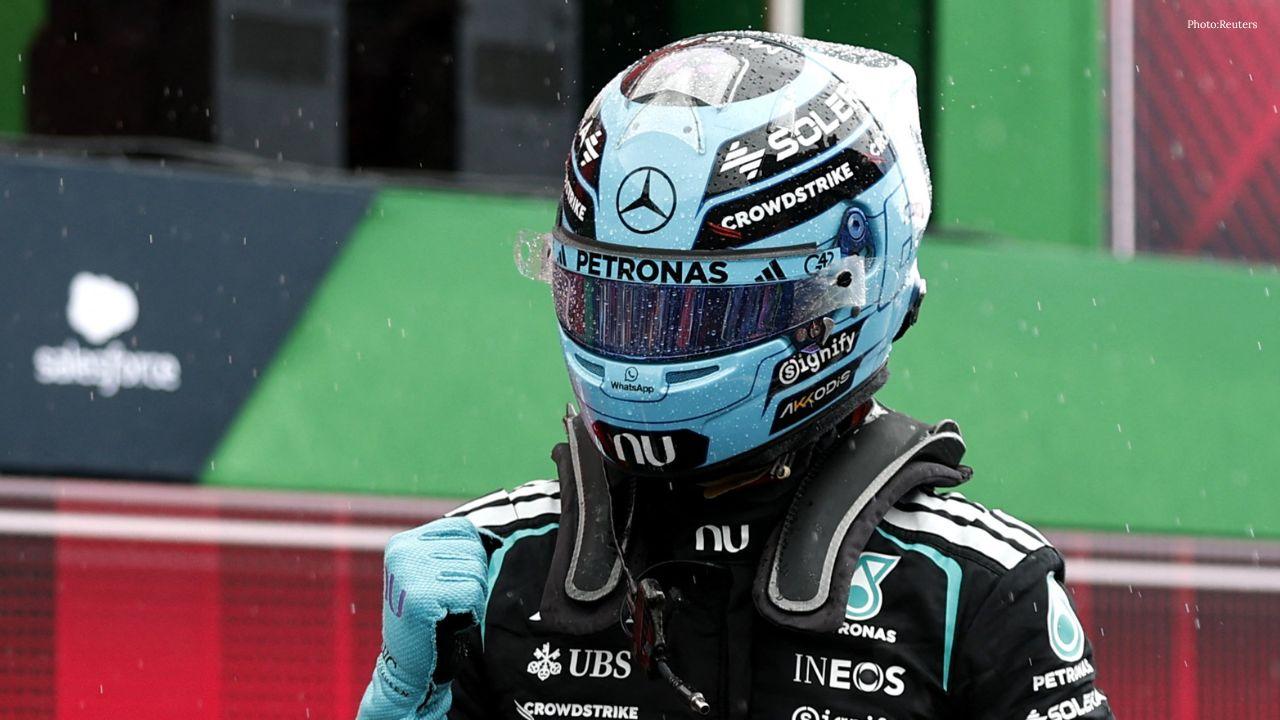
George Russell Wins Dutch GP Sprint, Boosts Mercedes Morale
George Russell wins the Dutch GP Sprint from pole as Mercedes teammate Kimi Antonelli extends his F1
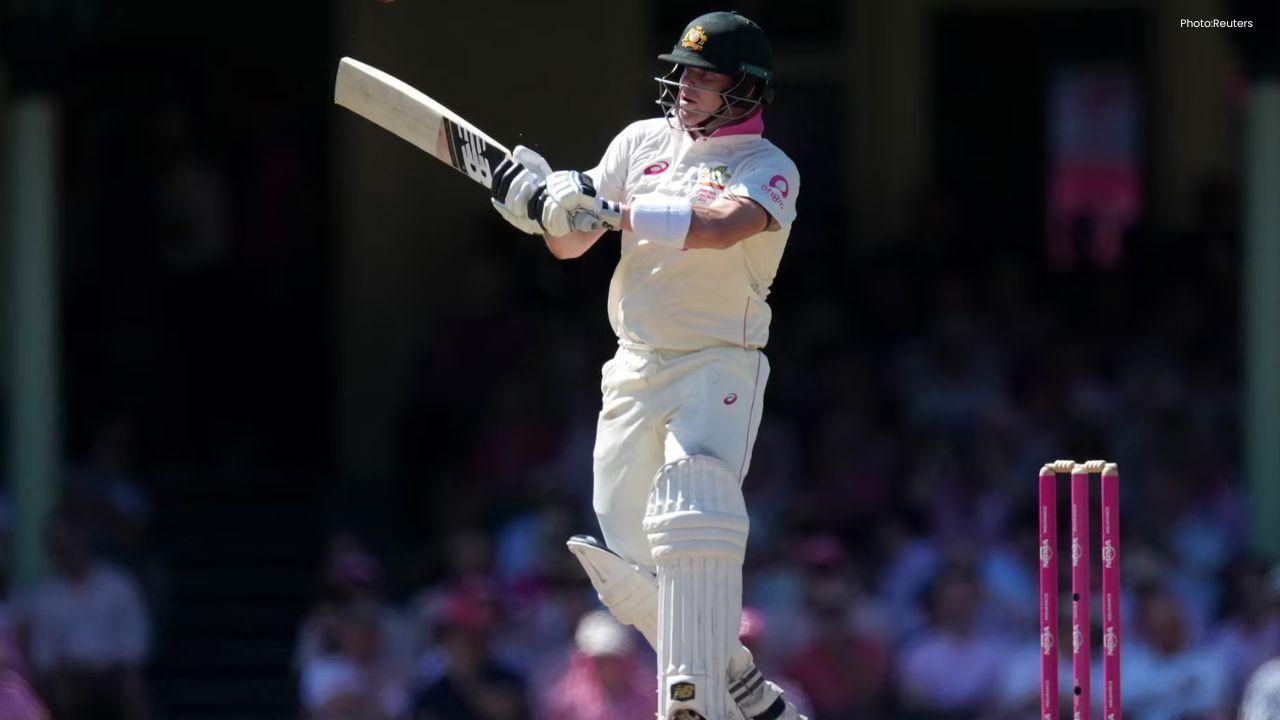
Australia 50/3 After Bangladesh Bowled Out for 64 in Second Test
Australia reached 50/3 after Bangladesh were bowled out for 64 in the second Test, with Mitchell Sta

Jordan Burroughs Returns to Wrestling with 2028 Olympic Dream
Jordan Burroughs returns to wrestling with Real American Freestyle as the Olympic champion eyes a po

Lamborghini Catches Fire on Singapore's ECP, Causing Heavy Traffic
A Lamborghini caught fire on Singapore's ECP, causing heavy traffic and bus delays. No injuries were