
You have not yet added any article to your bookmarks!
Join 10k+ people to get notified about new posts, news and tips.
Do not worry we don't spam!
Post by : Rohit Dhiman
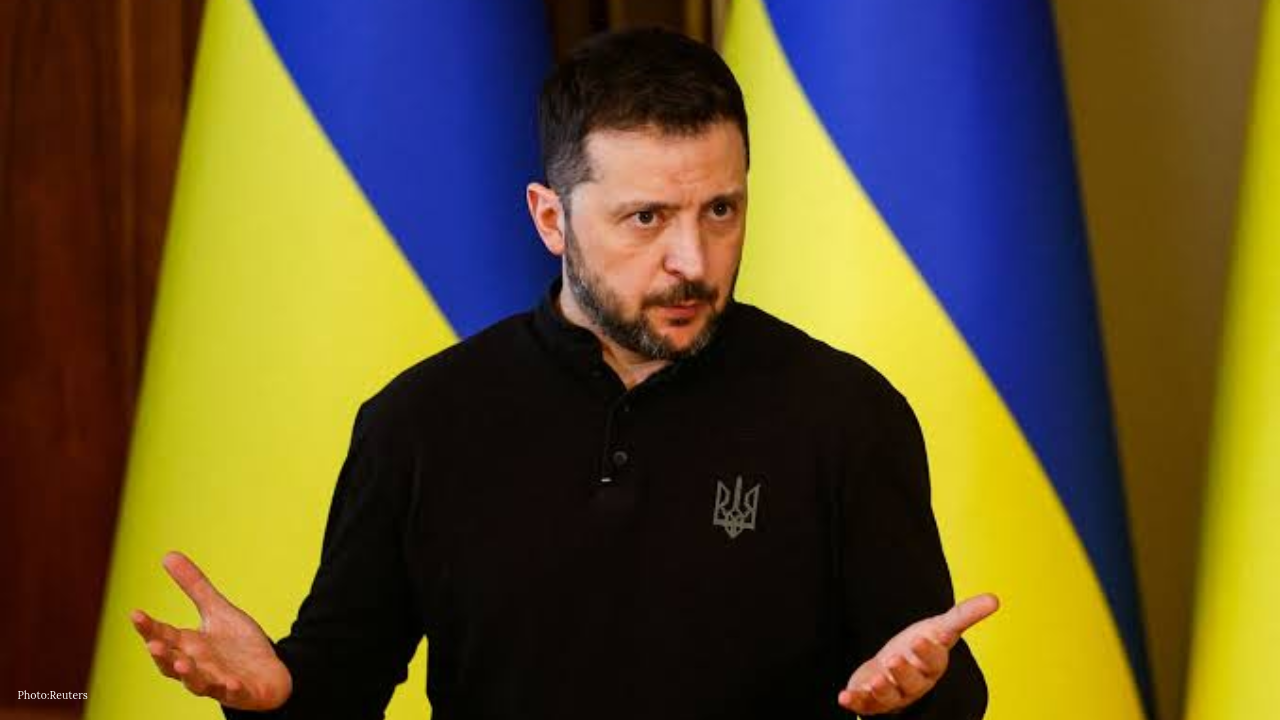
Ukrainian President Volodymyr Zelenskyy has openly challenged the language used by US President Donald Trump while describing his relationship with Russian President Vladimir Putin. Speaking to CNN in an interview broadcast on November 20, Zelenskyy said that Putin was an enemy of Ukraine and described him as a killer because of Russia's ongoing military campaign. His comments came one day after Trump met Putin in Shenzhen, China, on November 19, 2026. During the encounter, Trump publicly referred to the Russian president as his friend, creating a sharp contrast with Ukraine's position towards the Kremlin leadership. Responding to a question about Trump's description of Putin, Zelenskyy said that the American president could decide how he wanted to address the Russian leader. However, he made it clear that Ukraine viewed Putin very differently. Zelenskyy's response highlighted the gap between Washington's diplomatic engagement with Moscow and Kyiv's demand for stronger international pressure on Russia.
The controversy gained further attention after Trump spoke to reporters at the White House on Friday, November 20.During the press conference, the US president praised his personal relationships with both Vladimir Putin and Chinese President Xi Jinping. He suggested that maintaining strong relations with the leaders of two major global powers could provide strategic advantages for the United States. Trump said that he had excellent relationships with Putin and Xi Jinping and described these connections as positive for American security. When reporters specifically asked whether he considered Putin a friend of the United States, Trump avoided speaking on behalf of the entire country. Instead, he focused on his personal relationship with the Russian president, arguing that their positive communication gave America additional strength. His remarks reflected his preference for maintaining direct communication with international leaders, including those whose governments have major disagreements with Washington. However, the comments also raised questions about how the United States intends to balance diplomatic engagement with Russia and its commitments towards Ukraine.
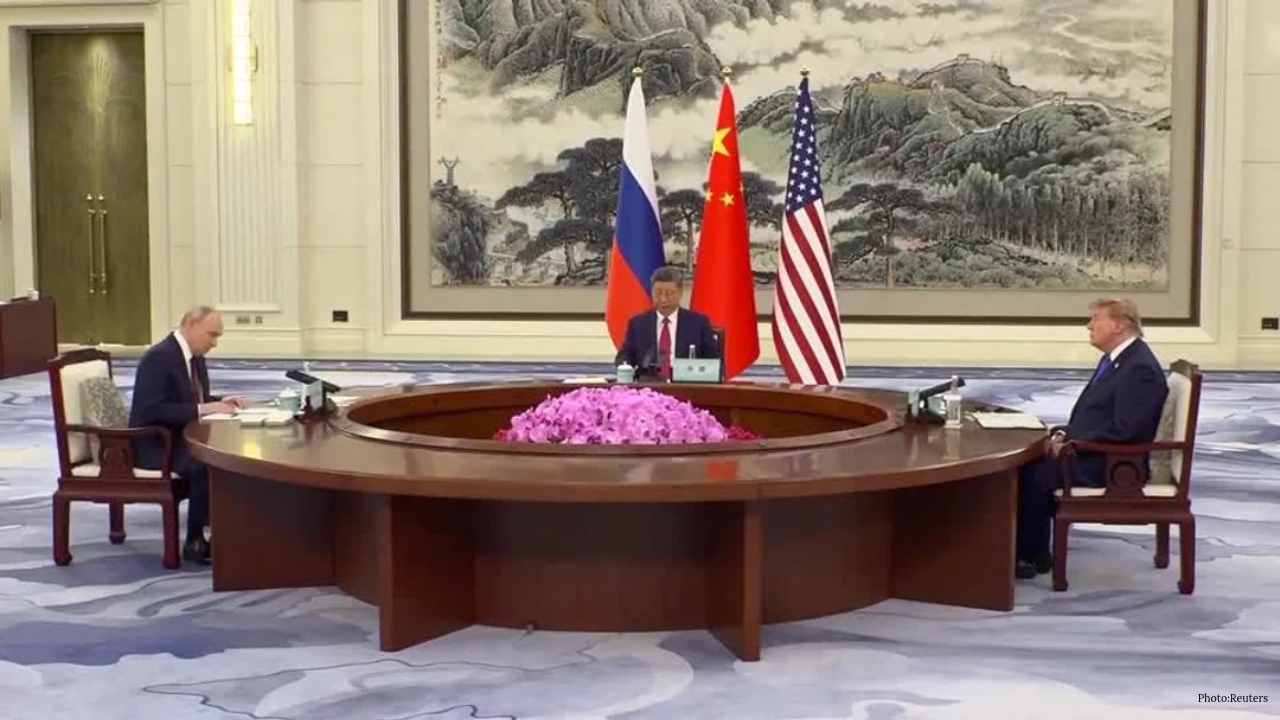
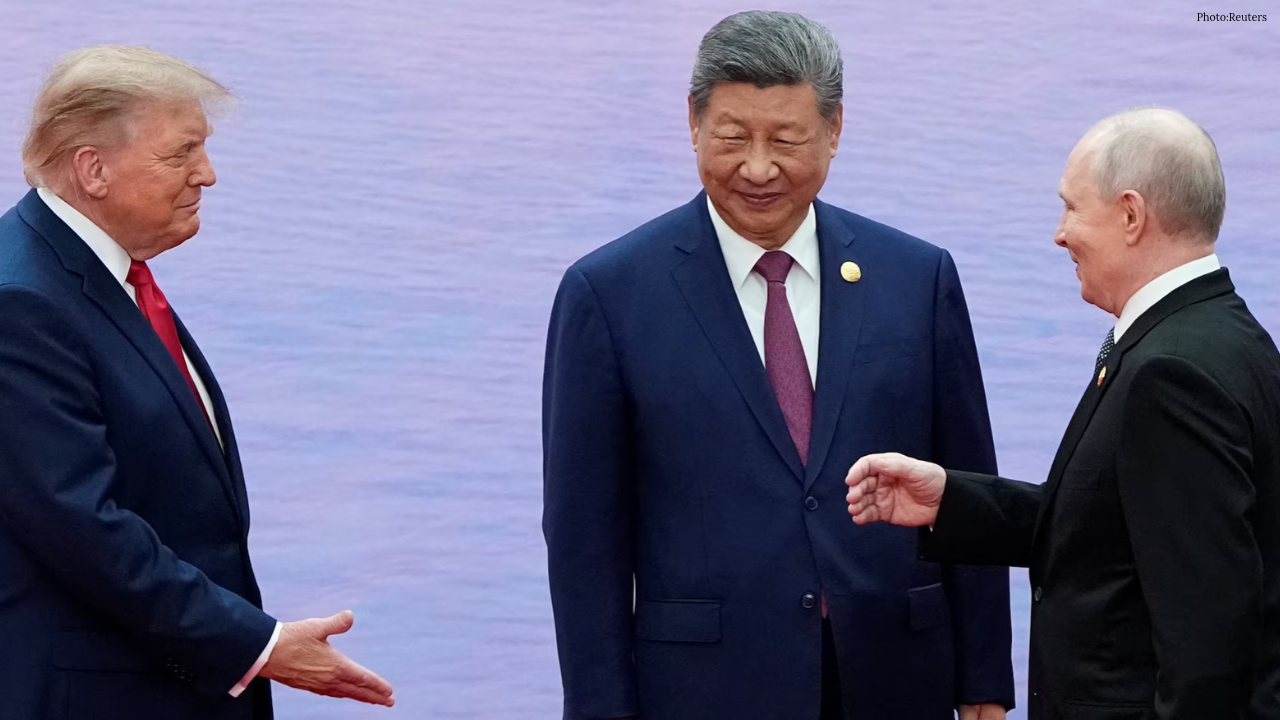
The meeting between Trump and Putin in China was particularly significant because it marked their first face-to-face encounter since August 2025. The two leaders met in Shenzhen during a high-level diplomatic gathering that also involved Chinese President Xi Jinping. As Trump entered the meeting venue, he pointed towards Putin and referred to him as his friend. The Russian president responded in English, saying, "Nice to meet you." The exchange was brief, but it attracted considerable international attention because of the continuing war between Russia and Ukraine. The meeting provided another opportunity for Washington and Moscow to communicate directly at the highest political level. Trump has repeatedly expressed confidence that his personal relationship with Putin could help create conditions for negotiations and potentially bring an end to the war. Russia, meanwhile, continues to maintain its military objectives in Ukraine, while Kyiv insists that any diplomatic settlement must protect its sovereignty and territorial integrity. The Shenzhen encounter therefore became an important moment in the wider discussion about the future of US-Russia relations and the possibility of a negotiated settlement.
Ukraine's strong reaction to Trump's comments cannot be separated from the military conflict that began in February 2022. On February 24, 2022, Russian forces launched a full-scale invasion of Ukraine, expanding a conflict that had already been ongoing in eastern Ukraine since 2014. The invasion triggered one of Europe's most serious security crises in decades. Millions of Ukrainians were displaced, cities suffered extensive destruction and both countries experienced significant military losses. The conflict has also affected international energy markets, global food supplies, defence spending and diplomatic relationships between major powers. Ukraine has repeatedly accused Russia of attacking civilian areas and essential infrastructure, including residential buildings, electricity facilities and transportation networks. Moscow has continued its military campaign despite international sanctions and diplomatic efforts aimed at stopping the fighting. For Zelenskyy, the human and economic consequences of the war remain central to Ukraine's position. This is why he believes friendly diplomatic language towards Putin could send the wrong message while Russian military operations continue.
One of the most important aspects of Zelenskyy's interview was his concern about the possible consequences of Trump's language. The Ukrainian president suggested that describing Putin as a friend could make the Russian leader feel less isolated internationally. He argued that when political leaders publicly speak about Putin in friendly terms, the Kremlin may not feel the same level of diplomatic pressure that would otherwise encourage it to change course. Zelenskyy's concern is that Russia could interpret such gestures as an indication that its international position is improving without making significant concessions over Ukraine. For Kyiv, international pressure remains an important part of its strategy to prevent further Russian advances and encourage negotiations on terms that protect Ukrainian interests. This pressure can take different forms, including economic sanctions, restrictions on trade, diplomatic isolation and military assistance to Ukraine. The Ukrainian leadership wants its international partners to ensure that diplomatic engagement with Moscow does not come at the expense of Ukraine's security.
Read Also: Kim Jong Un Visits Factories After Trump Meeting Fails to Materialise
Despite criticising Trump's friendly language towards Putin, Zelenskyy did not dismiss the possibility of working with the American administration. In fact, he indicated that the United States remains one of the most influential potential mediators in negotiations between Kyiv and Moscow. According to Zelenskyy, Washington has significant political, economic and diplomatic tools that could be used to influence Russia's decisions. He also referred to China's potential role in the process, although he expressed uncertainty about Beijing's willingness to become actively involved in efforts to end the war. Zelenskyy's comments reflected a difficult diplomatic reality for Ukraine. On one hand, Kyiv needs continued international support to strengthen its position against Russia. On the other hand, the Ukrainian government recognises that direct communication between Washington and Moscow could play an important role in any future peace negotiations. The challenge for Ukraine is to ensure that its interests remain central to discussions between the world's major powers.
Another important factor behind the current diplomatic tensions is the change in American policy towards Ukraine following Trump's return to the White House in January 2025. Under former President Joe Biden, Washington was Kyiv's principal international military supporter, providing extensive weapons, financial assistance and diplomatic backing. The Trump administration has adopted a different approach, with less emphasis on approving large new aid packages and greater focus on negotiations aimed at ending the conflict. Some previously approved assistance has continued to reach Ukraine, while the administration has also used arrangements under which NATO allies finance purchases of American military equipment for Kyiv. According to the Congressional Research Service, the United States had committed more than $62.8 billion in defence articles and services to Ukraine between February 2022 and June 2026. The level of new assistance and the way military support is delivered have changed under the current administration. This policy shift has increased the importance of European countries in supporting Ukraine's defence requirements. For Zelenskyy, maintaining American involvement remains essential because the United States has considerable influence over international diplomacy, defence supplies and economic pressure on Russia.
The relationship between Washington and Moscow is closely watched by European governments because the outcome of the Russia-Ukraine conflict will have long-term consequences for European security. Countries bordering Russia and Ukraine have repeatedly expressed concerns about the possibility of further military escalation. European governments have also increased their defence spending and strengthened cooperation in response to the changing security environment. A diplomatic agreement between Russia and Ukraine could potentially reduce tensions across the continent. However, European leaders have stressed that any settlement must provide credible security arrangements for Ukraine. There is also concern that an agreement reached without meaningful Ukrainian participation could leave unresolved disputes and create further instability. Trump's direct engagement with Putin therefore carries significance beyond the relationship between the two presidents. It could influence the future of NATO, European security cooperation and the balance of power across the region.
Trump's approach is based partly on the belief that direct communication between political leaders can help overcome diplomatic obstacles. His relationship with Putin has been a recurring part of his efforts to establish negotiations between Russia and Ukraine. However, the previous diplomatic attempts between Moscow and Kyiv demonstrate how difficult it is to find common ground. The central disagreements include the future of occupied Ukrainian territories, security guarantees, military arrangements, international sanctions and the question of Ukraine's long-term relationship with Western institutions. Russia and Ukraine continue to hold significantly different positions on these issues. Zelenskyy's latest remarks indicate that Ukraine wants any negotiations to be backed by meaningful pressure on Moscow rather than relying exclusively on personal relationships between leaders. For now, Trump is continuing to speak positively about his relationship with Putin, while Zelenskyy is making it clear that Ukraine does not share that assessment. The contrasting statements have brought the complicated relationship between the United States, Russia and Ukraine back into the international spotlight.

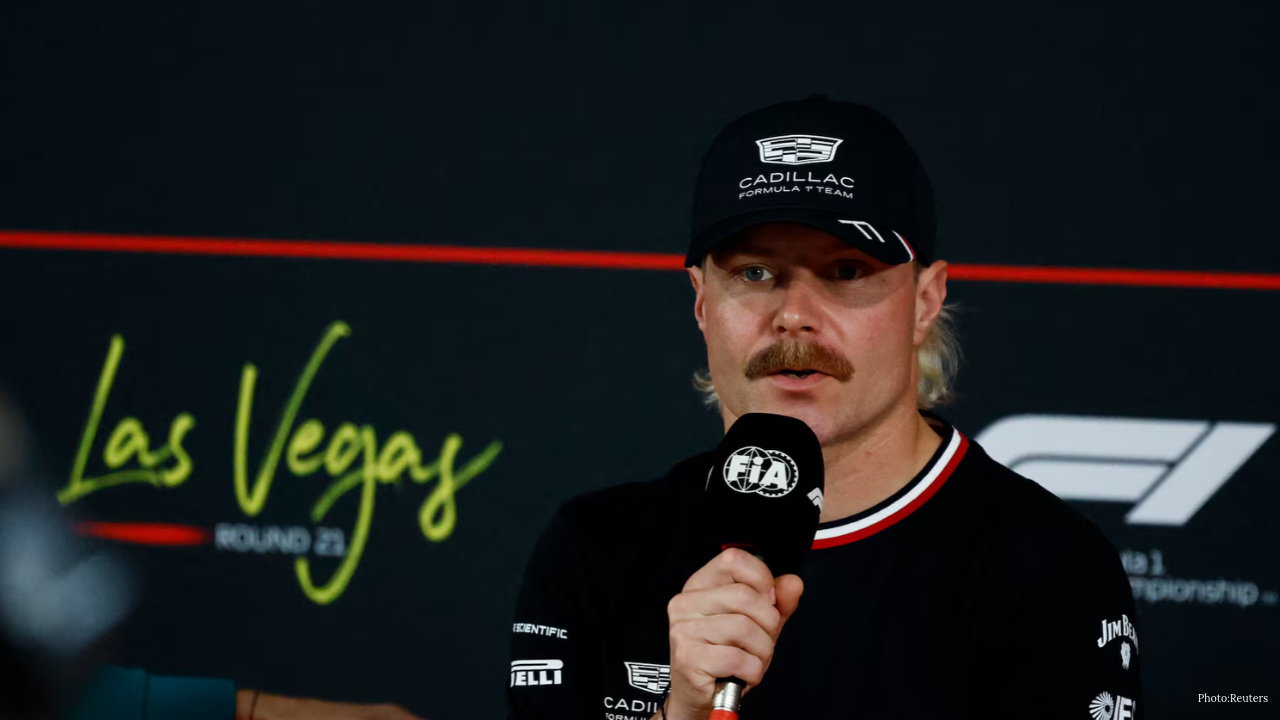


Cadillac Targets F1 Progress After Difficult Debut Season
Cadillac F1 retains Valtteri Bottas for 2027 as Dan Towriss focuses on team stability, performance a

GTA 6 Launches Worldwide After 13 Years With a New Vice City Story
GTA 6 arrives after 13 years with Jason and Lucia, a new Vice City world, immersive gameplay, major

Arda Guler Signs Six-Year Real Madrid Contract Extension Until 2032
Arda Guler signs a new six-year Real Madrid deal, extending his stay until 2032 after an impressive

APEC Members Emphasise Safe and Responsible Use of Artificial Intelligence
APEC members discuss responsible AI use, digital innovation and data governance as China and the US
Union of European Clubs Challenge UEFA and EFC Over EU Competition Rules
UEC files an EU competition complaint against UEFA and EFC, challenging club representation, governa
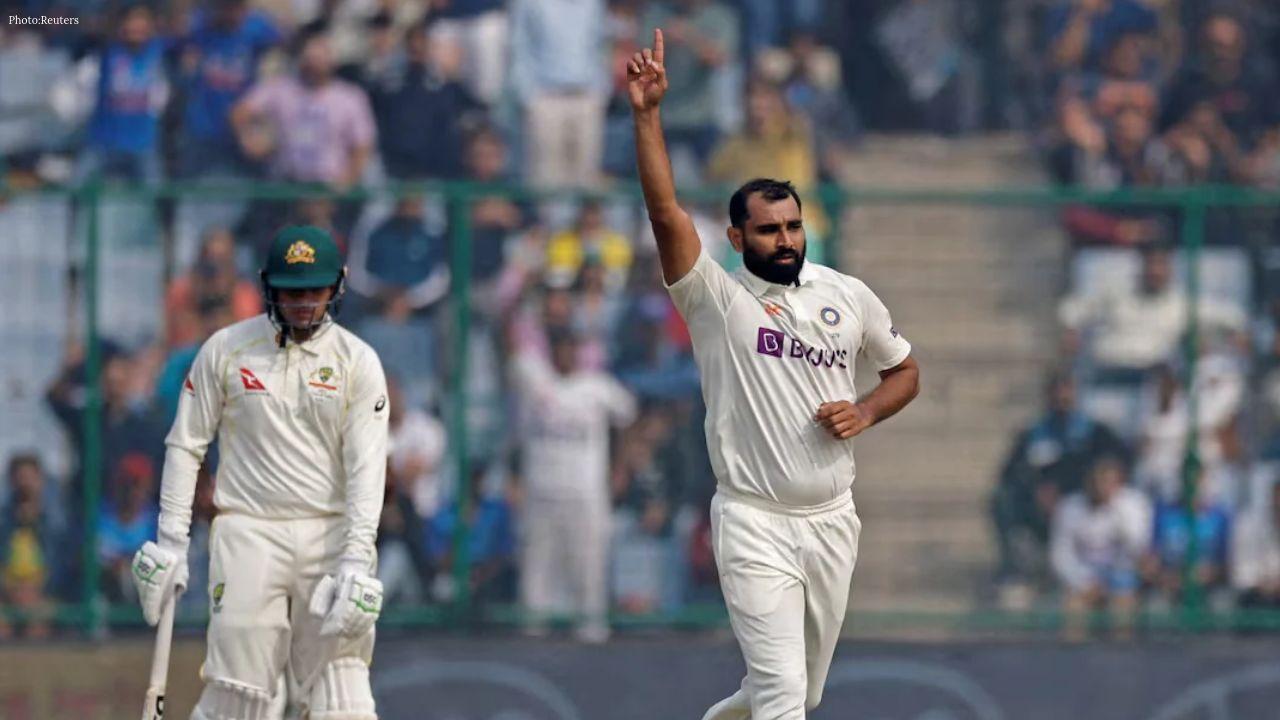
Mohammed Shami Retires From Test Cricket, Eyes White-Ball Career
Mohammed Shami retires from Test cricket after 13 years, with 229 wickets. He will continue playing