
You have not yet added any article to your bookmarks!
Join 10k+ people to get notified about new posts, news and tips.
Do not worry we don't spam!
Post by : Rohit Dhiman
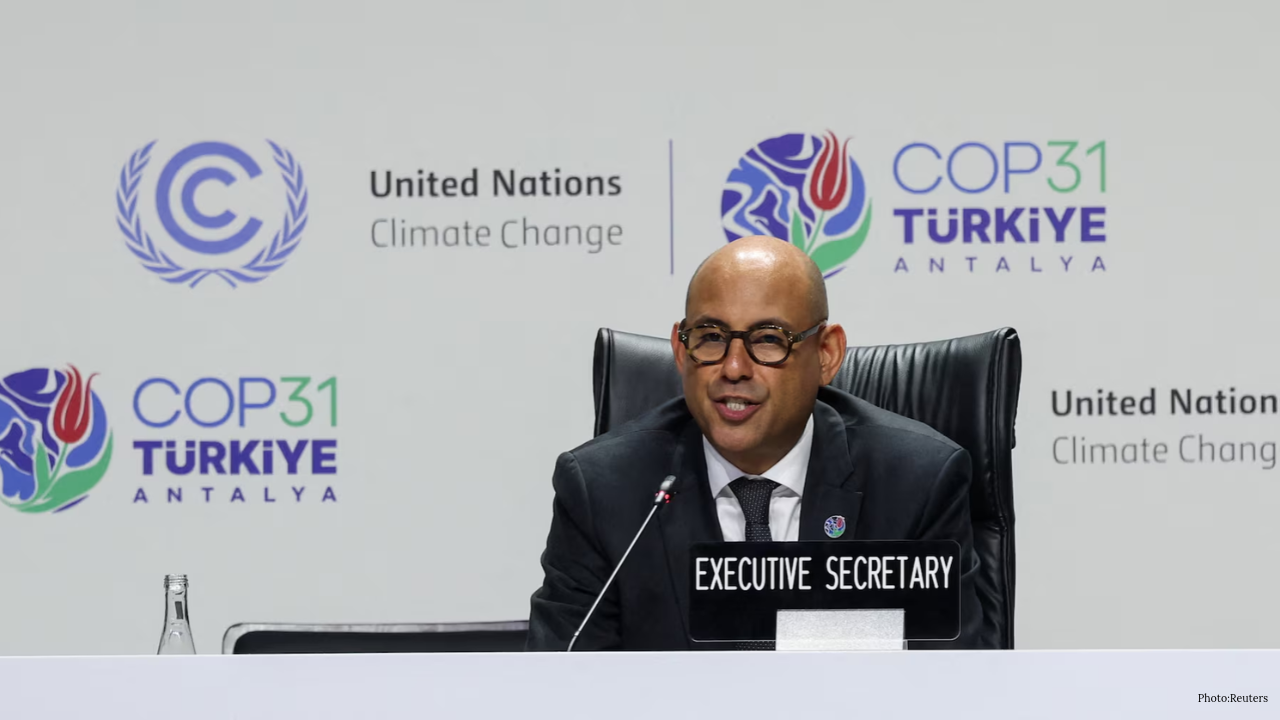
The United Nations climate negotiations at COP31 have entered a crucial stage, with representatives from nearly 200 countries struggling to reach a common position on some of the world's most pressing environmental challenges. The two-week summit, being held in Antalya, Türkiye, is approaching its scheduled conclusion on November 20, 2026. However, major disagreements over fossil fuels, financial assistance and future climate commitments have created uncertainty about whether countries will be able to finalise an agreement on time. The latest negotiations have exposed significant differences between nations over how quickly the global economy should move away from coal, oil and natural gas. Although an earlier draft agreement included language supporting faster action to reduce dependence on these energy sources, a revised version released by Australia on Thursday removed direct references to fossil fuels. The change has become one of the biggest points of disagreement at the summit. Several countries and climate campaigners believe that excluding fossil fuels from the proposed agreement weakens the international response to global warming. With negotiations continuing under intense diplomatic pressure, delegates are attempting to find language that can secure support from countries with very different economic and energy priorities.
The future of fossil fuels has emerged as a central issue during COP31. Coal, oil and natural gas remain major sources of energy across the world, but their use is also closely linked to greenhouse gas emissions responsible for rising global temperatures. At the COP28 summit in Dubai in 2023, countries agreed to begin transitioning away from fossil fuels in energy systems. However, the agreement did not establish specific national targets or binding timelines for completing that transition. Since then, disagreements have continued over how the commitment should be implemented. Oil-producing countries and several economies that depend heavily on conventional energy have resisted stronger language that could accelerate the reduction of fossil fuel consumption. The latest COP31 draft has brought these differences back into focus. France's Ecological Transition Minister Monique Barbut criticised the removal of references to oil, gas and coal, describing their absence as a serious setback. Australian Climate Minister Chris Bowen, who is overseeing the negotiations alongside Türkiye, has indicated that discussions will continue until countries can establish a clear consensus.
While discussions about fossil fuels remain difficult, Türkiye has promoted another approach to accelerating the global energy transition. The host country has encouraged governments to support a voluntary commitment aimed at increasing the share of global final energy demand met through electricity to 35 per cent by 2035. The proposal focuses on expanding the use of electricity across different sectors of the economy, including transportation, industry and other activities that currently rely heavily on conventional fuels. The latest draft agreement acknowledges that electrifying the global economy could deliver important benefits. These include improving energy security, reducing dependence on imported fossil fuels and lowering greenhouse gas emissions. However, the proposal has also raised questions among several participating countries. Their concern is that increasing electricity consumption alone does not necessarily guarantee lower emissions. If additional electricity is generated through coal-fired or gas-powered facilities, greater electrification could continue to depend on the same high-emission energy sources that climate negotiations are attempting to address. French officials have therefore stressed the importance of ensuring that electrification is supported by clean energy rather than simply increasing electricity production from conventional fuels.
Read Also: Cadillac Targets F1 Progress After Difficult Debut Season
Another area of disagreement concerns carbon capture, utilisation and storage technology. These technologies are designed to capture carbon dioxide emissions from industrial facilities and other sources before they enter the atmosphere. The captured carbon can then be stored or used in different industrial applications. Some countries support expanding these technologies as part of a broader strategy to reduce emissions, particularly in industries where completely eliminating carbon pollution can be difficult. However, critics argue that excessive reliance on carbon capture could divert investment and political attention away from more direct measures, such as reducing fossil fuel consumption and expanding renewable energy. Concerns about the wording of the latest draft have also been raised by Vanuatu's Climate Minister Ralph Regenvanu, who questioned the attention given to the technology in the proposed text. The disagreement reflects a broader debate over which technologies should receive priority in international climate policies and whether technological solutions can complement, rather than replace, direct emissions reductions.
Scientific evidence and the future direction of climate assessments have also become important subjects during the negotiations. The latest draft agreement highlights the importance of the Intergovernmental Panel on Climate Change (IPCC), the United Nations body responsible for assessing scientific research on global warming and its consequences. However, countries remain divided over the timing of the organisation's next major assessment reports. Dozens of nations want the upcoming IPCC assessments to be available before the global review of emissions-reduction efforts scheduled for 2028. They believe updated scientific findings would help governments evaluate their progress and identify areas where stronger action is required. Other countries, including Saudi Arabia and India, have supported postponing the reports until 2029. The disagreement is significant because scientific assessments provide an important foundation for international climate decisions. Their timing could influence how governments evaluate existing commitments and prepare future policies. The draft agreement also expresses deep concern about the growing risk of exceeding the 1.5-degree Celsius temperature threshold established under the 2015 Paris Agreement.
Financial support for countries vulnerable to climate change remains another major obstacle to reaching a final agreement. Developing nations have repeatedly argued that they need significantly greater financial assistance to prepare for climate-related disasters, strengthen infrastructure and protect communities facing environmental risks. Many of these countries contribute relatively little to historical global emissions but experience severe consequences from rising temperatures, floods, droughts and other extreme weather events. Wealthier nations, meanwhile, have expressed concerns about increasing financial commitments, pointing to domestic budget pressures. They have also argued that major emerging economies, including China, should contribute more towards international climate funding. The latest COP31 draft proposes additional discussions aimed at tripling financial support for climate adaptation by 2035. However, the document has removed a US$120 billion funding target that developing countries had been seeking. This difference has become a significant concern because adaptation funding is essential for countries that need to improve flood protection, strengthen agricultural systems, develop water management infrastructure and prepare for extreme weather events.
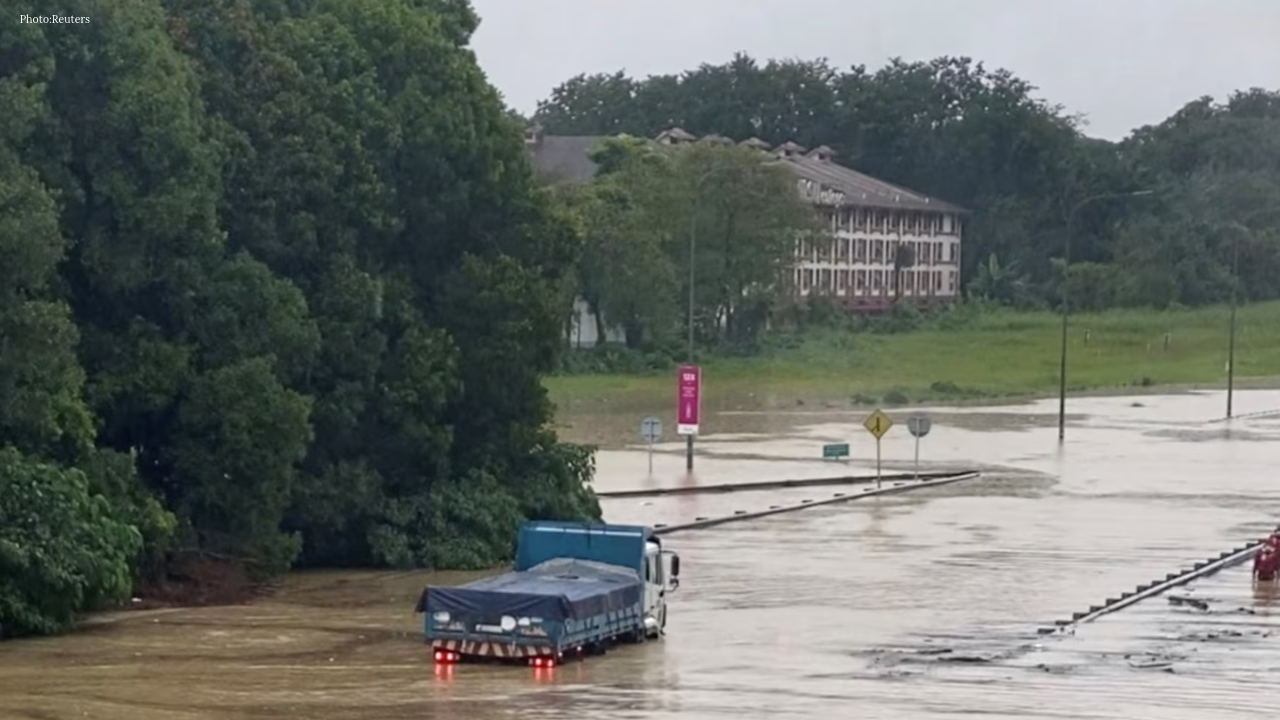
The COP31 negotiations are taking place against a backdrop of increasingly visible climate-related challenges across different regions. Recent heatwaves in Europe and devastating floods in Nepal have reinforced concerns about the human and economic consequences of extreme weather. The developing El Niño phenomenon has added another layer of uncertainty to global climate conditions. A strong El Niño can influence temperatures and rainfall patterns in different parts of the world, potentially increasing the severity of certain weather extremes. These developments have strengthened calls for governments to move beyond broad climate promises and introduce practical measures that can reduce risks. For countries already dealing with floods, extreme heat, agricultural disruption and water shortages, international climate agreements are closely connected to public safety, economic stability and long-term development. The discussions in Antalya are therefore taking place at a time when the consequences of climate change are becoming increasingly difficult for governments and communities to ignore. Iran War and Oil Price Uncertainty Complicate Climate Discussions
The war in Iran and the resulting shock to oil prices have introduced additional concerns about energy security and the reliability of global fuel supplies. Countries are increasingly weighing their climate commitments against the need to maintain affordable and stable energy supplies. For economies that remain heavily dependent on oil and gas, sudden changes in energy markets can create economic pressure and influence decisions about energy policy. This situation has made discussions about moving away from fossil fuels even more complicated. While many governments recognise the need to reduce emissions, they also want to ensure that the transition does not create serious disruptions to industrial production, electricity supply or economic activity. The challenge is to develop energy policies that can balance environmental responsibilities with national energy requirements.
With the negotiations entering their final stage, attention is now focused on whether participating countries can reach a common position on the outstanding issues. The main areas requiring further discussion include the future of fossil fuels, the expansion of clean electricity, the role of carbon capture technology, the timing of scientific assessments and financial assistance for climate adaptation. Australia's revised draft has provided a basis for continued negotiations, but the removal of direct references to fossil fuels and the absence of the funding target sought by developing nations have created fresh disagreements. As nearly 200 countries attempt to bridge their differences, reaching a consensus remains a difficult diplomatic task. The outcome of COP31 could influence how governments approach energy production, emissions reduction and climate adaptation in the coming years. More importantly, the negotiations will test whether the international community can translate previous climate commitments into measurable action at a time when the risks associated with global warming continue to grow. For now, the world is waiting to see whether the Antalya summit can deliver a meaningful agreement or whether the unresolved differences will push the negotiations beyond their scheduled deadline.





Cadillac Targets F1 Progress After Difficult Debut Season
Cadillac F1 retains Valtteri Bottas for 2027 as Dan Towriss focuses on team stability, performance a

GTA 6 Launches Worldwide After 13 Years With a New Vice City Story
GTA 6 arrives after 13 years with Jason and Lucia, a new Vice City world, immersive gameplay, major

Arda Guler Signs Six-Year Real Madrid Contract Extension Until 2032
Arda Guler signs a new six-year Real Madrid deal, extending his stay until 2032 after an impressive

APEC Members Emphasise Safe and Responsible Use of Artificial Intelligence
APEC members discuss responsible AI use, digital innovation and data governance as China and the US

Union of European Clubs Challenge UEFA and EFC Over EU Competition Rules
UEC files an EU competition complaint against UEFA and EFC, challenging club representation, governa

Mohammed Shami Retires From Test Cricket, Eyes White-Ball Career
Mohammed Shami retires from Test cricket after 13 years, with 229 wickets. He will continue playing