
You have not yet added any article to your bookmarks!
Join 10k+ people to get notified about new posts, news and tips.
Do not worry we don't spam!
Post by : Mikael Ariff
For years, chicken breast has been regarded as the go-to food for those focused on muscle building or maintaining a healthy diet. Low in fat and versatile, it's a staple in many meal plans. However, it's not the supreme protein source many assume it to be.
A cooked chicken breast contains around 31 grams of protein per 100 grams. While this is commendable, there are several other foods—some plant-based, some dairy, and some seafood—that actually provide more protein and additional nutrients important for overall well-being.
As individuals seek healthier and more diverse dietary options, these high-protein contenders are gaining traction. Check out four foods that surpass chicken breast in the protein stakes.
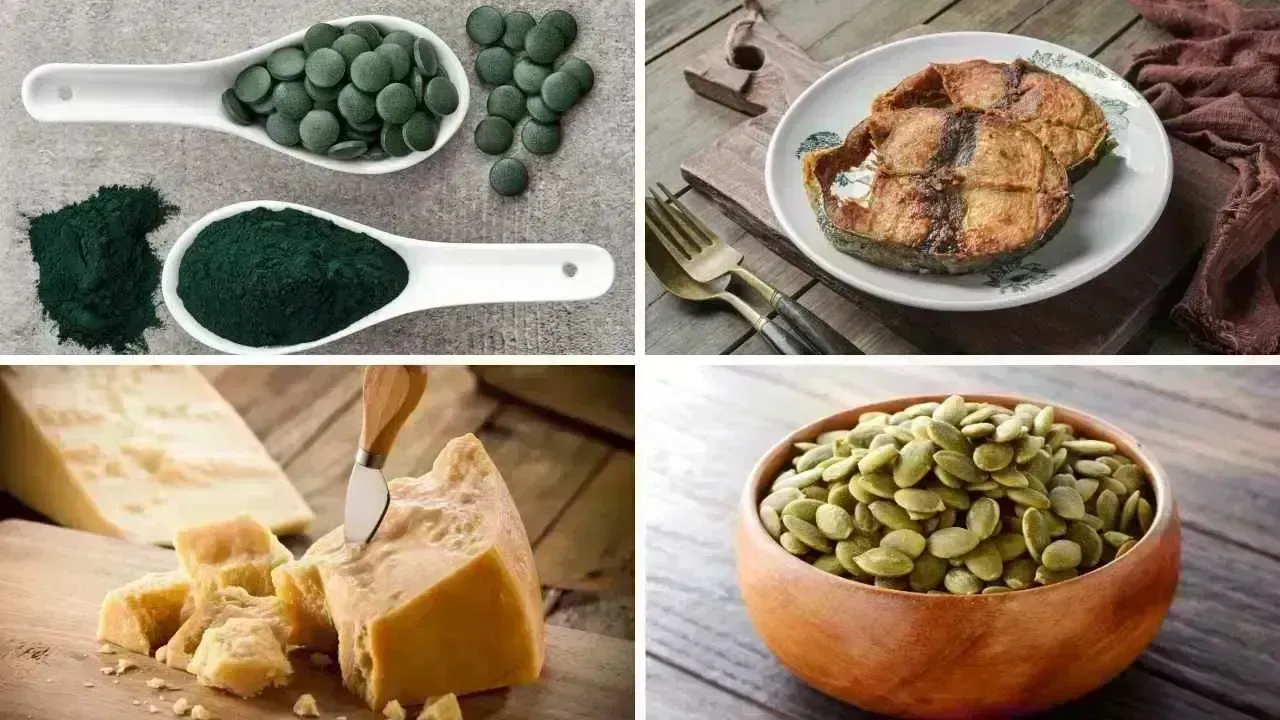
Spirulina, a blue-green algae, is often added to smoothies or juices. Though it may not appear glamorous, its nutritional profile is remarkable.
In dried form, spirulina offers approximately 57 grams of protein per 100 grams, which is almost twice the protein found in chicken.
About 57g protein per 100g
Rich source of iron, magnesium, and calcium
High in antioxidants that enhance immunity
Promotes stamina and energy
Easily blends into drinks or breakfast bowls
A teaspoon each day can significantly boost your nutritional intake, making it a favorite among athletes.
Parmesan cheese is acclaimed for its rich flavor; few realize it is also one of the highest-protein cheeses available. It contains 38–40 grams of protein per 100 grams, surpassing chicken breast.
38–40g protein per 100g
Excellent source of calcium for bone strength
Long shelf life and easy to store
Enhances the flavor of dishes in small quantities
Provides easily absorbable high-quality protein
Though salty, it’s a dependable protein source when used sparingly.
A single can of tuna contains about 36 grams of protein per 100 grams, making it more protein-rich than chicken. When water-packed, it's also low in fat.
Approximately 36g protein per 100g
Aids muscle recovery post-exercise
Convenient — no cooking required
Contains omega-3 fatty acids for cardiovascular health
Ideal for meal preparation and quick lunches
Tuna is perfect in salads, sandwiches, or rice bowls for a quick, nutritious meal.
Though small, pumpkin seeds are nutritionally potent. They yield 30–37 grams of protein per 100 grams, sometimes on par with or exceeding chicken's protein levels.
30–37g protein per 100g
Rich in magnesium, zinc, and healthy fats
Beneficial for skin, hair, heart health, and immunity
Easy to snack on or mix into meals
Excellent for vegetarians and vegans
They can be enjoyed roasted, sprinkled on salads, or blended in smoothies.
Today's nutrition seekers desire variety and smarter food options. Here are the driving forces behind the rising popularity of these foods:
Deliver more protein in smaller servings
Provide essential vitamins and minerals
Support flexible or plant-based diets
Mitigate reliance on a single protein source like chicken
Enhance dietary variety and overall quality
Integrating varied protein sources fosters better digestion and long-term wellness.
No drastic changes are needed; minor integrations suffice.
Blend into juices, smoothies, or wellness drinks
Incorporate into energy bars or breakfast mixes
Sprinkle on pastas, salads, or soups
Enhance omelets with added protein
Craft tuna sandwiches or wraps
Mix into salads or rice dishes
Snack on them for a crunchy treat
Sprinkle on yogurt, oats, salads, or smoothies
Small daily actions can enhance your protein intake naturally.
While chicken breast remains a reliable protein choice, several options like spirulina, parmesan cheese, canned tuna, and pumpkin seeds provide comparable or greater protein along with additional nutrients that support energy, immunity, and overall health.
By including these foods in your diet, you can achieve greater variety, improved nutrition, and enhanced physical strength—whether your aim is muscle growth, weight loss, or simply healthier eating.
This article is intended for general nutrition awareness. Individual protein requirements differ based on age, health, activity level, and dietary needs. Always consult with a certified healthcare professional or dietitian before making significant dietary changes, especially for those with allergies, medical conditions, or unique dietary needs. Choose food types and portion sizes that best suit your health.









Beauden Barrett Opens Up About Mental Struggles During All Blacks Exile
Beauden Barrett discusses his confidence struggles after missing six tests, his return against Austr

IMF Says AI Investment Supports Global Growth Despite Energy Shock
IMF says AI investment is supporting global growth near 3%, with Asian economies benefiting from ris

Will O'Rourke Ruled Out of New Zealand's India Series
New Zealand fast bowler Will O'Rourke will miss the India series with hamstring and calf injuries as

AI Companies Expected to Drive Most US Earnings Growth in Q3
AI companies are expected to drive US third-quarter earnings growth as investors assess tech profits

Money Market Funds See Record Inflows as Global Bond Selloff Intensifies
Global money market funds attract $153.81 billion as bond yields rise, inflation fears persist and i

Meta Bans TikTok Ads on Facebook and Instagram in Seven Countries
Meta has banned TikTok ads in seven countries, escalating competition over social media users, adver

