You have not yet added any article to your bookmarks!
Join 10k+ people to get notified about new posts, news and tips.
Do not worry we don't spam!
Post by : Anis Farhan
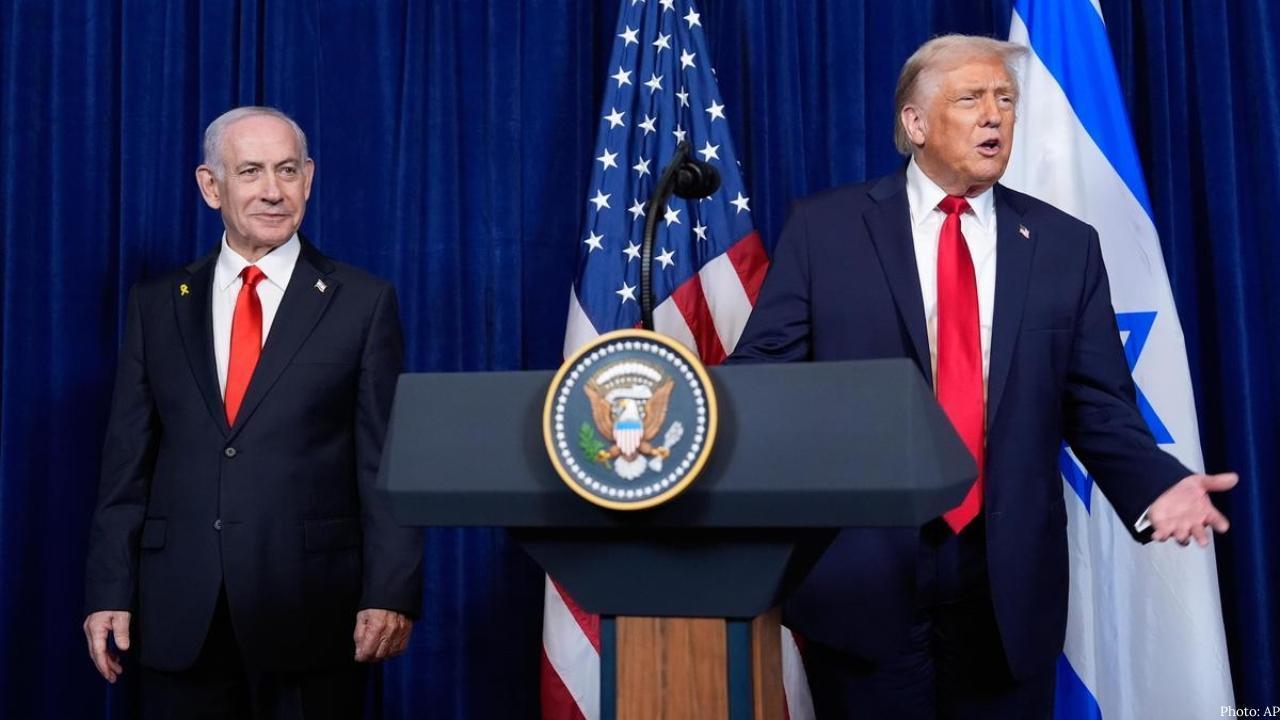
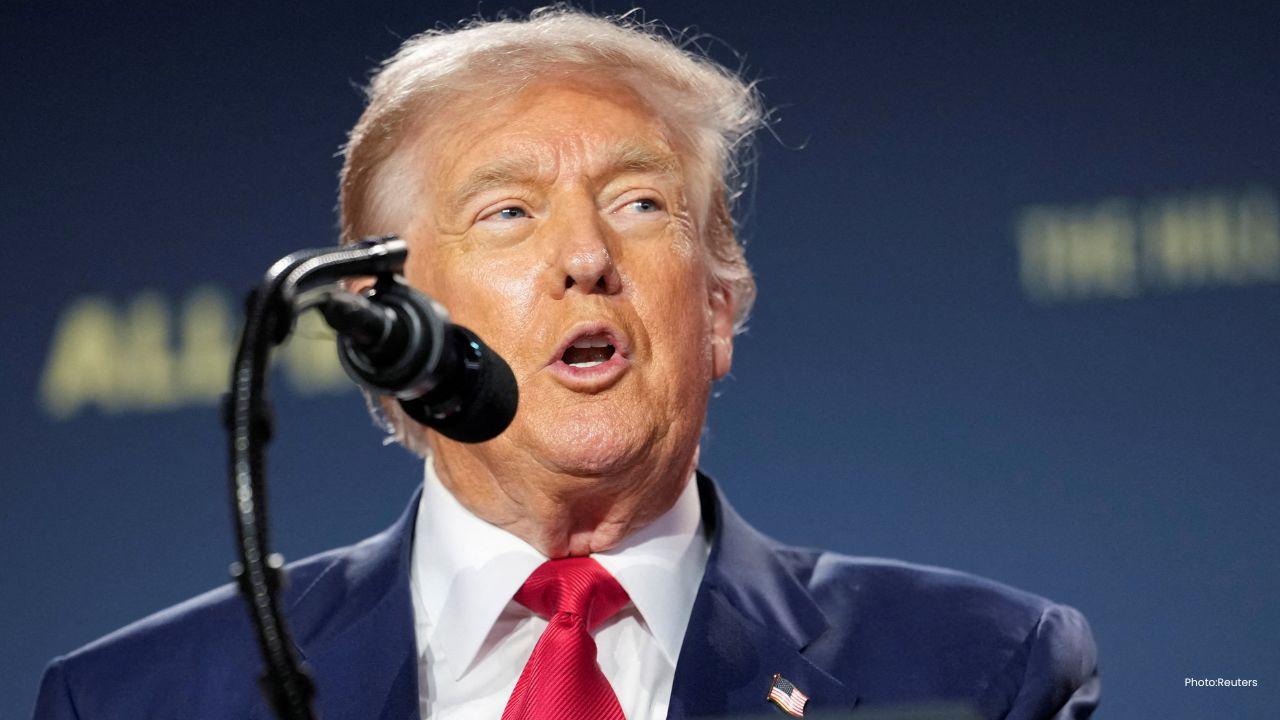
Israeli Prime Minister Benjamin Netanyahu will meet U.S. President Donald Trump in Washington this week with Iran’s ballistic missile programme and regional ambitions set to dominate discussions, officials from both countries said. The meeting, scheduled for Wednesday, aims to shape the direction of ongoing negotiations between the United States and Iran as diplomatic efforts resume in the Middle East.
Netanyahu’s office stressed that any future agreement with Tehran should include significant curbs on Iran’s missile arsenal and its support for militant groups across the region, a position shared by senior Israeli defence officials who view Iran’s growing capabilities as an existential threat.
The talks come amid a renewed push for diplomacy between the United States and Iran following indirect nuclear discussions held earlier in Oman. While the focus of official talks has been on Iran’s nuclear activities, Israel has made clear it wants the U.S. to extend negotiations to missile limitations as well.
The meeting between Netanyahu and Trump occurs against the backdrop of ongoing U.S.–Iran negotiations, which saw representatives of both countries convene earlier in Oman in an effort to revive diplomatic engagement over Iran’s nuclear programme. Tehran has insisted these talks focus solely on its nuclear activities and not on broader military or missile issues, a stance that contrasts sharply with Israeli demands.
Israel has long viewed Iran’s ballistic missile capabilities as a core security concern. With missiles capable of carrying conventional or potentially nuclear warheads over long distances — including as far as parts of Europe, according to some intelligence claims — Israeli leaders argue that any deal that excludes missile restrictions would fall short of ensuring long-term regional stability.
Netanyahu has called for a comprehensive approach that not only halts nuclear enrichment but also curbs Iran’s missile production and support for armed groups such as Hezbollah and Hamas, often described in Israeli statements as part of the “Iranian axis.”
Diplomats from the U.S. and Iran have held indirect nuclear talks in Oman, marking the first substantive negotiations since a period of heightened tensions earlier this year. Iranian negotiators have described meetings as a “good start,” but stress that discussions should focus on nuclear programmes only, rejecting the inclusion of missile or defence issues.
By contrast, the United States has signalled that it seeks broader concessions from Iran, including limits on ballistic missiles, reduced regional interference and a halt to support for proxy militant forces. These expanded demands are seen as aimed at addressing the full spectrum of Iranian military influence, rather than just its nuclear intentions.
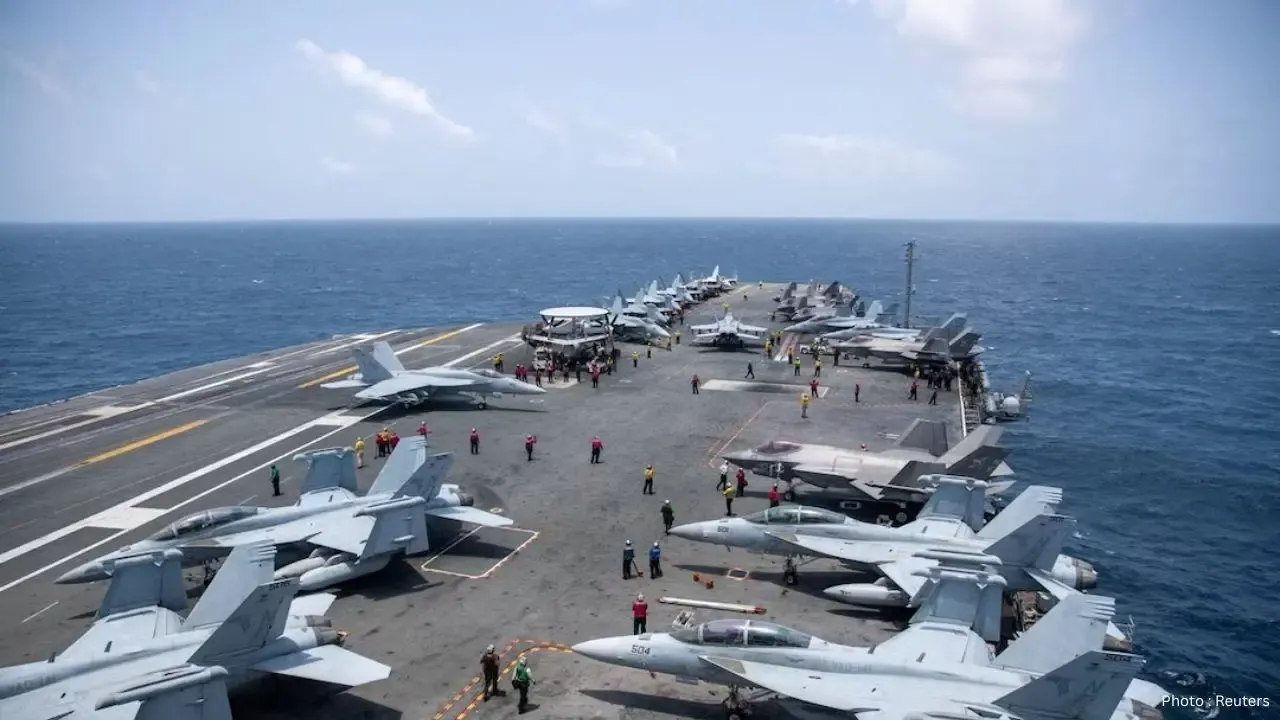
The Trump administration has reinforced its military presence in the region amid diplomatic talks, a move observers say underscores Washington’s seriousness about deterring any Iranian escalation even while pursuing negotiations.
Netanyahu’s push to include Iran’s missile programme on the negotiation agenda reflects deep-rooted security concerns in Israel. Iranian missile capabilities have expanded significantly over recent years, with missiles reportedly capable of striking deep within Israeli territory. For Israeli defence strategists, these missiles pose an existential threat that must be addressed alongside nuclear risks.
Analysts note that Iran’s refusal to negotiate on missile limitations has been a longstanding point of contention in diplomacy. Iranian officials frequently describe their missile forces as defensive in nature, not subject to negotiation, and central to national sovereignty.
This disconnect in priorities between Israel, the United States and Iran has complicated efforts to find common ground and could shape the content and tone of discussions between Netanyahu and Trump this week.
The timing of the meeting also comes amid broader diplomatic efforts involving other regional intermediaries. Oman, for example, has hosted indirect U.S.–Iran talks and continues to serve as a venue for tentative diplomatic outreach. Meanwhile, U.S. military deployments in the Middle East serve both as a deterrent and as leverage in negotiations, reflecting the delicate balance between diplomacy and pressure.
Some Israeli officials have gone further, warning that if negotiations do not sufficiently address Iran’s missile programme and regional proxy activities, Israel might consider unilateral action against Tehran — a scenario that could dramatically escalate tensions and risk broader conflict.
The potential for military escalation remains a serious concern for regional actors and international observers, particularly given prior confrontations. In June 2025, Israel launched extensive strikes against Iranian nuclear facilities, and Iran responded with a barrage of ballistic missiles, underscoring the volatility of the broader security environment.
The decision by Netanyahu to accelerate his visit to Washington also carries political implications at home. Facing ongoing legal challenges and political pressures, Netanyahu’s close alignment with Trump and his stance on Iran may bolster his diplomatic credentials among supporters while demonstrating strong leadership on national security issues.
For President Trump, the meeting provides an opportunity to reinforce U.S. leadership in Middle East diplomacy and to clarify Washington’s position on Iran — a long-standing flashpoint in American foreign policy. Trump’s approach reflects a blend of diplomatic engagement and readiness to use military leverage as circumstances require.
Governments and analysts around the world are closely watching the developments, recognising that any shift in U.S.–Iran relations has far-reaching implications. A successfully broadened deal that includes missile limitations might reduce the threat of an arms race in the Middle East and establish a more comprehensive security framework. At the same time, failure to address key differences could prolong tensions and limit progress in diplomatic efforts.
European and Gulf states, among others, have expressed varying degrees of support for negotiations but also emphasise the necessity of addressing regional security concerns holistically. The outcome of the Netanyahu–Trump meeting may influence ongoing discussions in Muscat and future diplomatic engagements across the Middle East.
As Netanyahu and Trump prepare to sit down this week, several outcomes are possible:
Broadening negotiations: If the U.S. agrees to press Iran on missile limitations alongside nuclear issues, a more expansive deal could emerge, though Tehran’s acceptance remains uncertain.
Focused nuclear agreement: Talks could continue centred on limiting enrichment without directly addressing ballistic missiles, maintaining diplomatic progress but leaving major contentions unresolved.
Escalation risk: If dialogue stalls or Tehran rejects broader demands, Israel might signal or pursue unilateral action, heightening tensions and risking wider conflict.
Diplomats from all sides acknowledge that sustained engagement and clear communication will be essential to avoiding missteps that might inflame regional volatility.
Disclaimer:
This article is based on multiple verified news reports and analysis of the developing diplomatic situation involving Israel, the United States and Iran. The situation may evolve rapidly as negotiations and regional dynamics continue to unfold





George Russell Wins Dutch GP Sprint, Boosts Mercedes Morale
George Russell wins the Dutch GP Sprint from pole as Mercedes teammate Kimi Antonelli extends his F1

Australia 50/3 After Bangladesh Bowled Out for 64 in Second Test
Australia reached 50/3 after Bangladesh were bowled out for 64 in the second Test, with Mitchell Sta

Jordan Burroughs Returns to Wrestling with 2028 Olympic Dream
Jordan Burroughs returns to wrestling with Real American Freestyle as the Olympic champion eyes a po

Lamborghini Catches Fire on Singapore's ECP, Causing Heavy Traffic
A Lamborghini caught fire on Singapore's ECP, causing heavy traffic and bus delays. No injuries were

Bangkok Airport Duty-Free Area Flooded by Pipe Burst
A burst water pipe flooded the duty-free shopping area at Bangkok's Suvarnabhumi Airport on July 16,
Nine Monks Killed in Thailand Pickup Truck Tragedy
An 11-year-old boy driving a pickup truck crashed into monks during a pilgrimage in northeastern Tha