You have not yet added any article to your bookmarks!
Join 10k+ people to get notified about new posts, news and tips.
Do not worry we don't spam!
Post by : Meena Ariff
As the holiday shopping season approaches, major retailers and tech companies are presenting innovative AI tools designed to simplify gift buying and capture more online sales. While these technologies are still gaining traction, they promise shoppers personalized recommendations, enhanced price tracking, and seamless order placements through conversational interactions.
Companies like Walmart, Amazon, and Google have advanced their offerings beyond basic digital assistants introduced in previous years. The latest tools can analyze product data, recognize user preferences, gauge prices, and even finalize purchases, all within a single platform. Google has added a notable feature that allows its automated assistant to call local stores to check item availability, saving customers from the hassle of multiple calls.
Salesforce projects that around $73 billion in global consumer spending from the Tuesday before Thanksgiving to Cyber Monday will be influenced by these digital shopping tools, an increase from $60 billion the previous year. This figure encompasses everything from quick product searches to customized gift recommendations seen on retail websites. Still, analysts predict that the impact on shopping behavior might be gradual, as many retailers are yet to adopt these advanced solutions and shoppers remain loyal to traditional search methods. Nonetheless, experts believe this rollout lays the groundwork for wider adoption in the future.
A significant shift is evident as shoppers can now bypass keyword queries entirely. New tools interpret natural language descriptions, delivering tailored results instantly without the need for excessive clicks or filters. Research assistants are being developed to create personalized shopping guides that include product listings, reviews, prices, and a shopper’s past behaviors, particularly beneficial for complex categories like electronics, home appliances, and specialty beauty products.
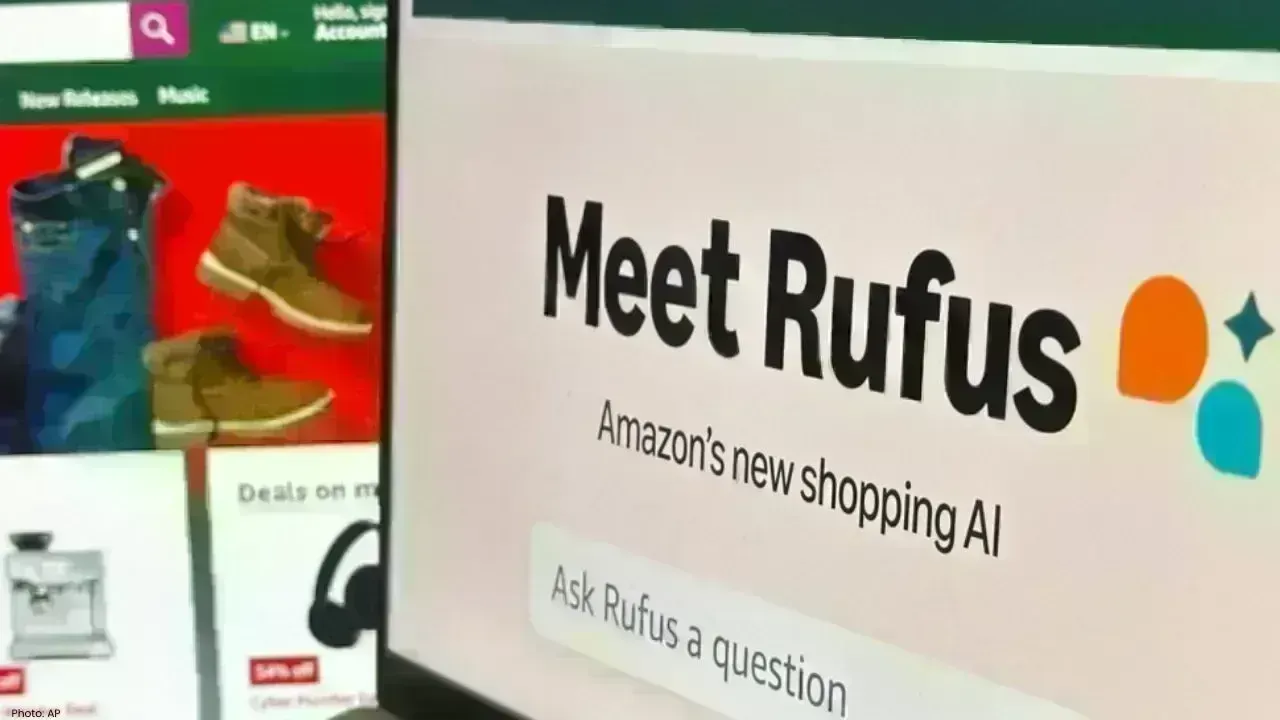
Amazon's assistant, Rufus, has improved its capacity to remember details from prior conversations, such as family composition or favorite hobbies, allowing for better recommendations. It also considers browsing habits, past purchases, and user feedback. Google has enhanced its shopping interface, enabling users to describe their exact needs—like a cozy sweater suitable for New York’s winter, perfect for skirts or jeans. The system then scours millions of listings to provide suggestions alongside price and feature comparison charts. Walmart’s assistant, Sparky, curates recommendations for specific events and aggregates insights from thousands of reviews. Target has introduced a festive gift finder in its app that responds to user inputs regarding age, interests, and hobbies.
Price-monitoring tools, already familiar to shoppers, are also receiving significant upgrades. Amazon has launched a 90-day price history tracker for many of its products, allowing users to set notifications for when items reach desired price points. Google has refined its long-established tracker with enhanced filtering options, including monitoring by color, size, or variations. Meanwhile, Microsoft’s Copilot tool added its own price tracking feature earlier this year. Analysts anticipate these enhancements will nudge retailers towards more competitive pricing during the holiday season.
In addition to smarter searches and pricing, companies are streamlining the shopping journey from browsing to checkout. New features facilitate purchasing items directly within the platform, eliminating the need to switch apps for products from Etsy and various Shopify brands. Walmart aims to integrate most of its online catalog into this fluid checkout process, though the current system only allows one item to be purchased at a time. Target has similarly incorporated features enabling customers to add multiple items to a single cart before being redirected to its app to finalize transactions.
Amazon is exploring auto-purchasing options for shoppers who opt-in while setting price alerts. If an item hits the selected price, the system automatically places the order, providing the customer with a brief window to cancel if desired. Additionally, the company is testing a feature to redirect shoppers to external retailers when specific brand-name products aren't available on Amazon. Google has introduced a “buy for me” setting allowing purchases via Google Pay when prices match the shopper’s criteria. Current participating merchants include Wayfair, Chewy, Quince, and select Shopify stores. Another Google feature enables automated calls to local retailers to check inventory or gather product information, identifying itself during the call; stores may decline this service. This feature is currently being utilized for categories like toys, beauty products, and electronics.










Study Warns Using AI for Medical Advice Is ‘Dangerous’ as Users Get Inaccurate Health Guidance
A major new study reveals that artificial intelligence (AI) chatbots and tools may give misleading o

Top Sci-Fi Movies Streaming on Netflix This February: Must-Watch Picks for Genre Fans
A curated news-style guide to the best science fiction films currently available on Netflix in Febru

BCCI Central Contracts Shake-Up: Kohli, Rohit Moved to Grade B as Board Reshapes 2025–26 List
Virat Kohli and Rohit Sharma have been placed in Grade B in the BCCI’s 2025–26 central contract list

Dalal Street Spotlight: Top 10 Stocks Investors Are Watching as Markets Open on a High
Indian stock markets begin the week with strong momentum, and several blue-chip and mid-cap stocks a

Market Movers Today: Key Stocks Set To Watch In Indian Markets
Indian equity markets are poised for active trading as several major companies, including Bharti Air

Milan Welcomes the World: Inside the Grand Opening Ceremony of the 2026 Winter Olympics
The 2026 Winter Olympics opening ceremony in Milan marked a defining moment for global sport, blendi