
You have not yet added any article to your bookmarks!
Join 10k+ people to get notified about new posts, news and tips.
Do not worry we don't spam!
Post by : Samjeet Ariff
Disclaimer: This article is for educational and informational purposes only. It does not constitute legal, financial, or professional business advice. Always consult qualified experts before making important startup decisions.
Every successful startup begins with one thing: an idea.
But ideas alone don’t build companies — execution does.
Many entrepreneurs get stuck between inspiration and action. They have a concept but don’t know how to validate it, build it, fund it, or launch it into a competitive market. This guide breaks down the entire startup launch process into clear, practical, and beginner-friendly steps so you can go from idea to reality with confidence.
A startup becomes successful when it solves a meaningful problem for a specific group of people. Start by asking:
What exact problem am I solving?
Who faces this problem most frequently?
Why is the current solution not enough?
A strong startup begins with clarity, not assumptions.
Never spend money building a product that the market does not want. Validation helps you confirm real demand.
Ways to validate your startup idea:
Conduct small surveys or online polls
Interview potential customers
Create a simple landing page describing your solution
Run small ads to test interest
Offer a basic version of the product (MVP) to a test group
If people show willingness to pay or participate, your idea has potential.
Your startup is not for everyone — it is for a specific customer segment.
Identify:
Age group
Location
Income level
Pain points
Buying behavior
How they currently solve the problem
Understanding your audience helps you build a product they will actually use.
An MVP is the simplest version of your product that solves the core problem.
Examples:
A basic mobile app with essential features
A simple service offering
A working prototype
A low-cost version of the full product
The goal is not perfection — it is testing, learning, and improving.
Your startup must answer one question:
How will you make money?
Possible business models include:
Subscription
One-time purchase
Freemium
Commission-based
Marketplace model
Service-based revenue
Choose the model that best fits your product and audience.
Branding makes you memorable even before you grow. Focus on:
A clear brand name
A simple, modern logo
A crisp value proposition
A consistent tone of communication
A basic website or landing page
Good branding builds trust from day one.
Many startups ignore this step until it becomes a problem.
Key tasks include:
Registering your business
Obtaining required licenses
Opening a business bank account
Setting up bookkeeping and accounting
Protecting intellectual property (if needed)
A strong legal structure protects your startup’s future.
You don’t need a big team — you need the right one.
Common early-stage roles:
Technical or product developer
Marketing and growth strategist
Sales or business development lead
Operations manager
Choose people who bring skills you lack and share your vision.
Your product must reach the right people at the right time.
Essential components:
Pricing strategy
Distribution channels
Marketing plan (SEO, social media, ads, partnerships)
Brand positioning
Launch timeline
A clear GTM plan increases your chances of a successful launch.
Not every startup requires investment.
Before raising money, consider:
Can you bootstrap?
Do you need funds for technology, hiring, or marketing?
Are you ready to give up equity?
Funding options include:
Personal savings
Angel investors
Venture capital
Crowdfunding
Grants and government schemes
Revenue-based financing
Raise money only when it helps you grow faster — not to fix poor planning.
Launching is just the beginning.
Now you must analyze what works — and what doesn’t.
Track:
User feedback
Customer retention
Cost of acquiring customers
Profit margins
Usage patterns
Sales performance
Use this data to improve your product and refine your strategy.
Successful startups evolve based on real-world behavior, not assumptions.
Most major startups — Instagram, Slack, YouTube — pivoted from their original ideas.
Pivot when you notice:
Customers want a different feature
The market demand shifts
Your current direction isn’t scalable
A better opportunity becomes clear
Being flexible is just as important as being persistent.
Launching a startup is a journey filled with learning, challenges, and constant adaptation. The idea is only the starting point — the real success lies in validation, execution, and consistent improvement.
When you take a structured approach, stay focused on the customer, and build step-by-step, your chances of launching a successful, scalable, and impactful startup multiply.








Spain's Diego Poncelet Sets Skateboarding World Speed Record
Spain's Diego Poncelet reaches 151.83 km/h in a record-breaking downhill skateboard run in Canada, s

Hyundai Recalls 94,622 US Vehicles Over Potential Fire Risk
Hyundai recalls 94,622 US vehicles over overheating seat motors. Check affected Genesis models, fire

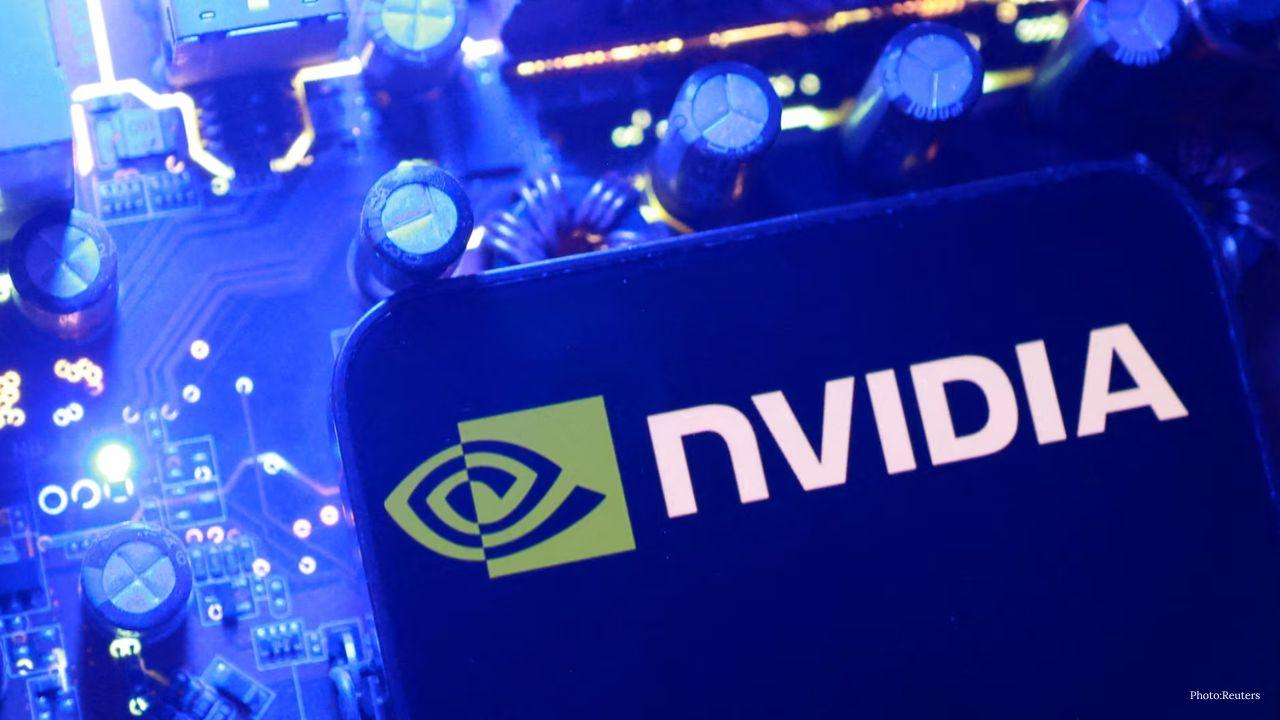
Nvidia Pledges $250 Million for UK AI Safety Research
Nvidia will provide $250 million in computing resources over five years to support AI safety researc

Jacob Bethell Returns as England Name Squads for Australia Tour
England name ODI and T20 squads for the Australia tour, with Jacob Bethell returning from injury and

Beauden Barrett Opens Up About Mental Struggles During All Blacks Exile
Beauden Barrett discusses his confidence struggles after missing six tests, his return against Austr

IMF Says AI Investment Supports Global Growth Despite Energy Shock
IMF says AI investment is supporting global growth near 3%, with Asian economies benefiting from ris

