You have not yet added any article to your bookmarks!
Join 10k+ people to get notified about new posts, news and tips.
Do not worry we don't spam!
Post by : Saif Rahman
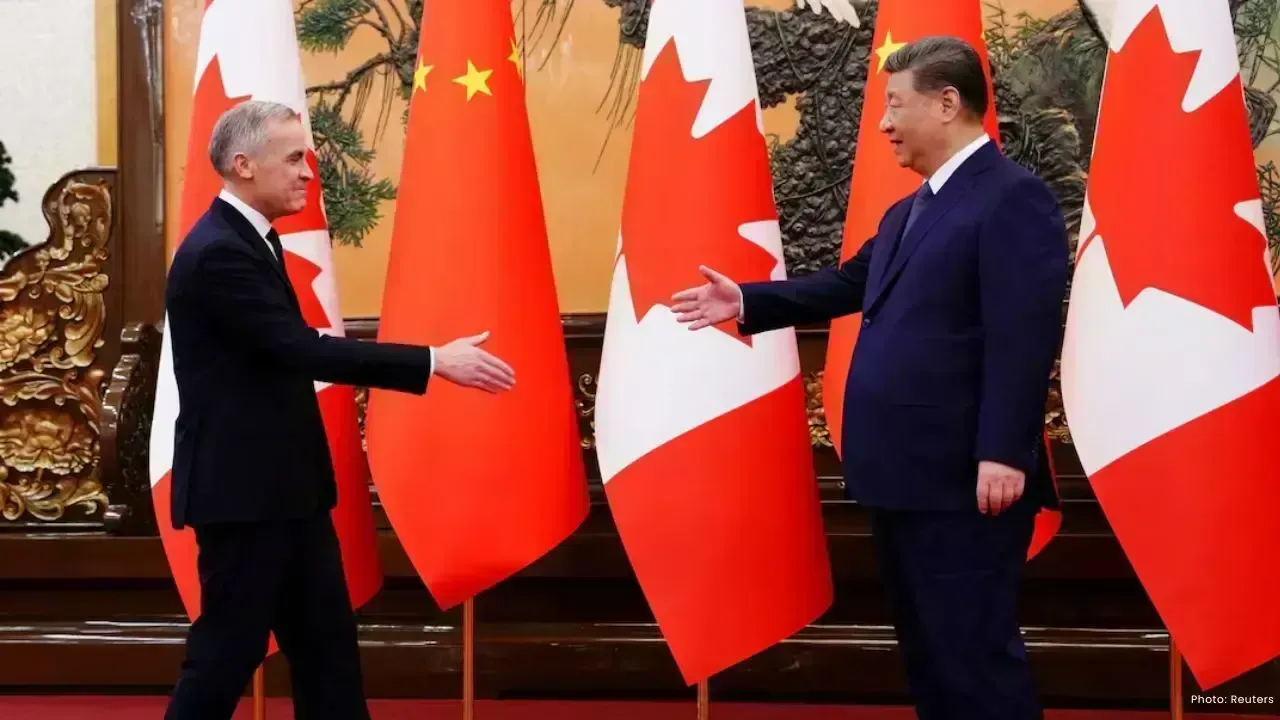
During a historic visit to Beijing, Canadian Prime Minister Mark Carney and Chinese President Xi Jinping unveiled a groundbreaking strategic partnership expected to yield “historic” benefits for both nations. This visit marks the first by a Canadian prime minister since 2017 and signifies a renewed commitment to strengthening ties with China, which is Canada’s second-largest trading partner following the U.S.
Carney highlighted that this partnership emerges during a time of global “division,” pinpointing agriculture, agri-food, energy, and finance as crucial areas for potential growth. He expressed his belief that these sectors could unlock both immediate and lasting advancements, reinforcing the economic and diplomatic connections between the two nations.
Welcoming the partnership, President Xi expressed eagerness to collaborate with Canada and emphasized their mutual responsibilities to the global community. This alliance comes at a time when China deals with trade challenges with the U.S., particularly under the Trump administration's policies.
This new alignment follows uncertainty in the global economy, with Canada aiming to diversify its trade relations amidst U.S. tariffs on its products and comments suggesting that Canada could become the 51st state. Likewise, China, also facing tariffs from the U.S., hopes to establish cooperation with a G7 member country.
Analysts suggest this move could alter the international economic landscape, indicating that the U.S.-led decoupling from China may not be universally accepted, including by its closest allies. However, experts caution that Canada is likely to maintain its strategic bond with the U.S. due to its deep-rooted security and intelligence ties.
Despite a promising outlook, obstacles persist. Canada imposed tariffs on Chinese electric vehicles in 2024, citing competitive disadvantages for its manufacturers—a move that prompted China to retaliate with tariffs on over $2.6 billion worth of Canadian agricultural goods, including canola oil. This back-and-forth led to a noted decline in Canada’s exports to China.
Authorities believe that resolving these trade tensions is essential for the partnership to realize its fullest potential. If successful, the cooperation could enhance trade, energy alliances, and financial integration, yielding benefits for consumers and businesses alike.
In conclusion, Carney’s trip underscores a resolve for constructive dialogue and pragmatic economic partnerships, marking a significant yet cautious advance toward enhanced Canada-China relations amid global economic competition and evolving alliances.



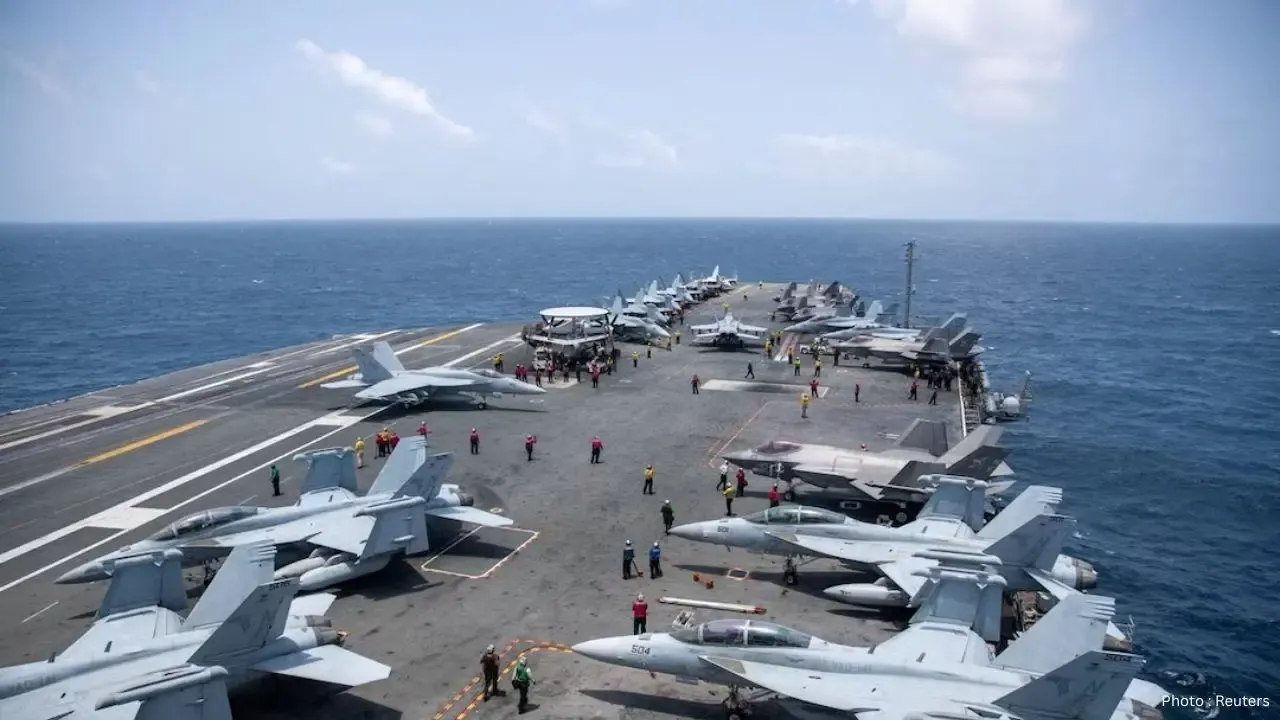



George Russell Wins Dutch GP Sprint, Boosts Mercedes Morale
George Russell wins the Dutch GP Sprint from pole as Mercedes teammate Kimi Antonelli extends his F1

Australia 50/3 After Bangladesh Bowled Out for 64 in Second Test
Australia reached 50/3 after Bangladesh were bowled out for 64 in the second Test, with Mitchell Sta

Jordan Burroughs Returns to Wrestling with 2028 Olympic Dream
Jordan Burroughs returns to wrestling with Real American Freestyle as the Olympic champion eyes a po

Lamborghini Catches Fire on Singapore's ECP, Causing Heavy Traffic
A Lamborghini caught fire on Singapore's ECP, causing heavy traffic and bus delays. No injuries were

Bangkok Airport Duty-Free Area Flooded by Pipe Burst
A burst water pipe flooded the duty-free shopping area at Bangkok's Suvarnabhumi Airport on July 16,
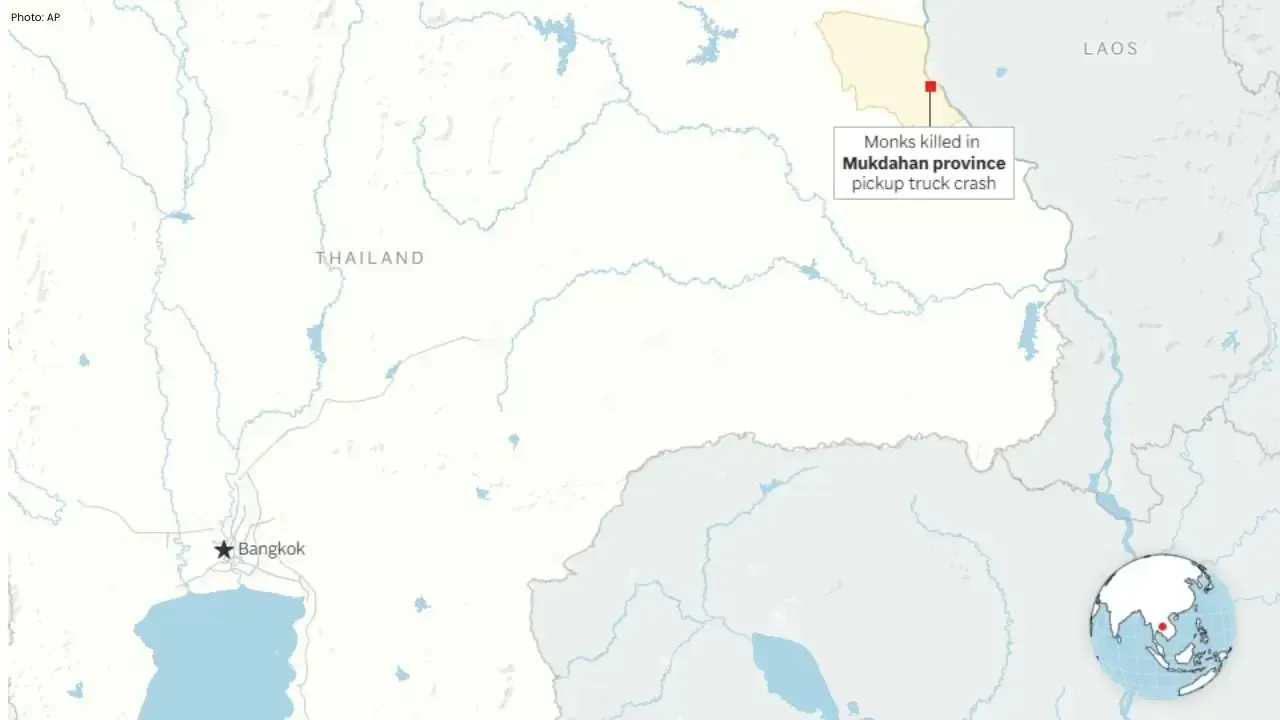
Nine Monks Killed in Thailand Pickup Truck Tragedy
An 11-year-old boy driving a pickup truck crashed into monks during a pilgrimage in northeastern Tha