You have not yet added any article to your bookmarks!
Join 10k+ people to get notified about new posts, news and tips.
Do not worry we don't spam!
Post by : Anis Farhan
Fashion has always moved in cycles, but rarely has a throwback returned with the force and speed seen in recent years. Styles once dismissed as outdated or cringe are now front-row staples, filling wardrobes, runways, and social feeds across the world. What was once hidden at the back of closets has re-emerged as a statement of individuality, rebellion, and comfort.
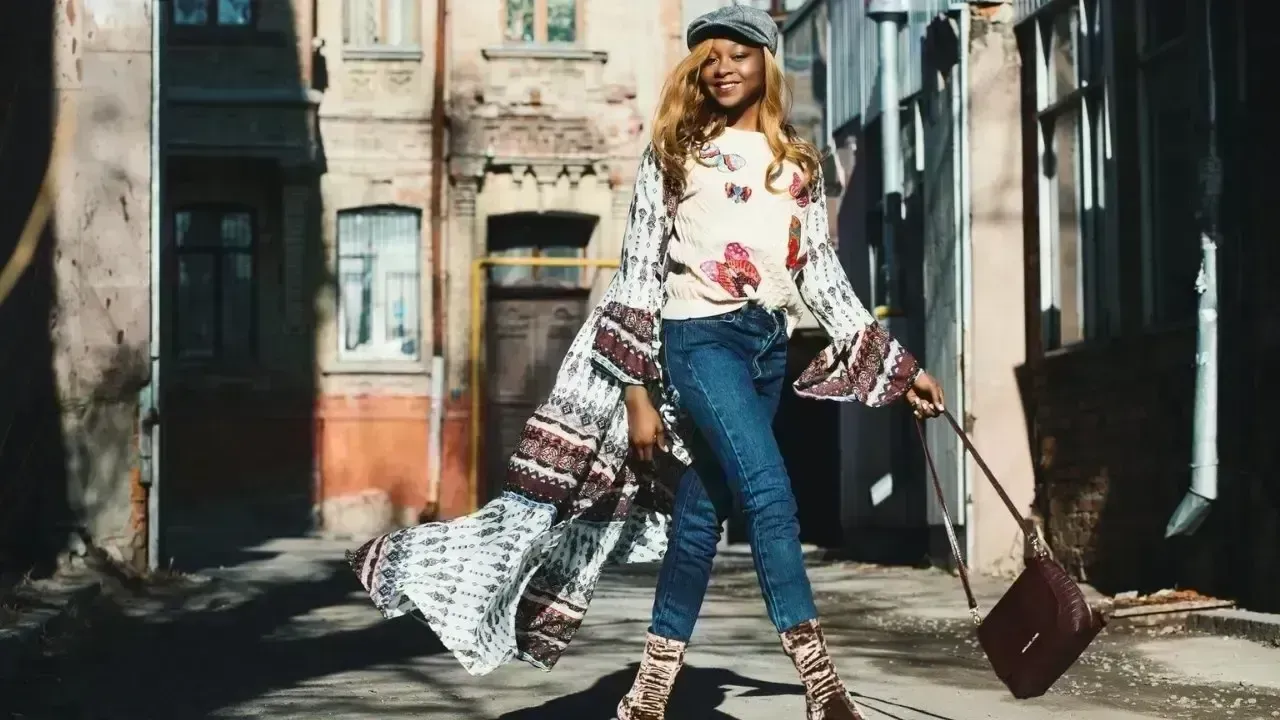
In 2026, the viral fashion throwback dominating trends is not limited to one era. Instead, it draws heavily from the late 1990s, early 2000s, and early 2010s — periods once considered transitional, experimental, and even unfashionable. Low-rise denim, cropped silhouettes, baggy jeans, logo-heavy tees, cargo pants, mini skirts, chokers, metallic accents, and oversized sunglasses are no longer ironic choices. They are mainstream again.
This revival is not accidental. It reflects deeper cultural shifts shaped by nostalgia, digital culture, generational identity, and a collective desire for authenticity in a world that feels increasingly curated and fast-paced.
Fashion throwbacks are not new, but what sets this revival apart is how quickly it spread and how widely it was accepted. Within months, styles from decades past moved from niche subcultures to global popularity, embraced by designers, influencers, celebrities, and everyday consumers alike.
Unlike earlier revivals that were filtered through luxury fashion houses, this one began organically. Social media platforms became living archives of past aesthetics, allowing users to rediscover, reinterpret, and remix old styles in real time.
What started as curiosity soon evolved into a full-scale cultural movement.
The late 1990s and early 2000s represent a time before constant digital surveillance, algorithmic pressure, and online burnout. For many, these eras symbolize freedom, experimentation, and less polished self-expression.
Even for those too young to remember them firsthand, these decades feel approachable and playful. Fashion from this period does not demand perfection. It allows mismatching, layering, and visible personality.
In an era of hyper-curated feeds, this imperfection feels refreshing.
Social media did more than amplify the throwback trend — it created it. Short-form videos, aesthetic edits, and outfit recreations turned forgotten looks into viral sensations.
Users began:
Recreating childhood outfits
Thrifting vintage pieces
Styling old trends in modern ways
Sharing before-and-after fashion transformations
Algorithms rewarded familiarity and relatability, pushing nostalgic content to the forefront. The result was a collective rediscovery of fashion history, driven not by designers but by everyday people.
Gen Z has emerged as the most influential generation in shaping modern fashion, and their embrace of throwback styles is deliberate.
For them:
Fashion is about identity, not status
Trends are meant to be remixed, not followed
Thrifted and vintage items hold cultural value
By adopting styles from past decades, Gen Z challenges traditional fashion hierarchies. They blur lines between luxury and streetwear, old and new, polished and raw.
This generation treats fashion like a visual language, borrowing symbols from the past to express modern emotions.
While Gen Z popularised the revival, millennials sustained it.
For millennials, these throwback styles:
Represent teenage and early adult years
Evoke memories tied to music, movies, and pop culture
Offer emotional comfort in uncertain times
Revisiting familiar fashion allows millennials to reconnect with a simpler version of themselves, even as life responsibilities grow heavier.
This shared emotional connection across generations has given the trend longevity.
One of the strongest indicators of the throwback trend is denim. Styles once abandoned have returned with confidence:
Baggy jeans
Straight-leg cuts
Low-rise silhouettes
Distressed and washed finishes
Denim now prioritises comfort and attitude over strict tailoring, reflecting a broader shift toward relaxed fashion.
Minimalism has taken a step back as bold logos, graphic tees, and visible branding re-enter everyday fashion. These elements serve as cultural markers, instantly referencing a specific era or influence.
Rather than subtle luxury, people are choosing expressive pieces that tell a story.
Accessories have played a crucial role in cementing the throwback revival:
Shoulder bags
Chunky belts
Tinted sunglasses
Hair clips and headbands
Platform footwear
These small details instantly transform modern outfits into nostalgic statements, making the trend accessible without full wardrobe overhauls.
Modern fashion often feels overly produced. Throwback styles offer relief from that pressure.
They:
Encourage experimentation
Reduce fear of judgement
Celebrate individuality
Reject rigid beauty standards
In a time when self-image is constantly scrutinised online, wearing imperfect, nostalgic fashion feels like reclaiming control.
Fashion never exists in isolation. Music, films, and television have played a massive role in reviving throwback aesthetics.
Reboots, documentaries, and anniversary content have reintroduced past eras to younger audiences. Meanwhile, older audiences revisit familiar styles with renewed appreciation.
Fashion becomes a bridge between generations, uniting viewers through shared visual memory.
Another reason the throwback trend has stuck is sustainability.
Thrifting and second-hand fashion:
Reduce environmental impact
Make fashion more affordable
Add uniqueness to personal style
Old trends lend themselves naturally to vintage shopping. Rather than buying fast-fashion reproductions, many consumers seek authentic pieces from earlier decades.
This aligns nostalgia with ethical consumption, strengthening the movement’s credibility.
This trend is not limited to one country or culture. From Indian street fashion to European vintage markets and American campus style, throwback fashion has gone global.
Each region adds its own twist:
Local fabrics
Cultural references
Climate adaptations
This adaptability allows the trend to feel personal rather than imposed.
Interestingly, designers did not initiate this revival. They responded to it.
As throwback styles gained traction online, fashion houses and labels incorporated them into collections. Runways began reflecting what people were already wearing.
This reversal of influence marks a shift in fashion power — from top-down authority to bottom-up creativity.
Psychologically, humans gravitate toward familiarity during times of uncertainty. Fashion, being a visual form of self-expression, reflects this instinct.
Throwback styles:
Reduce decision fatigue
Provide emotional reassurance
Create a sense of belonging
Wearing something recognisable feels grounding when the world feels unpredictable.
In the past, trends demanded novelty. In 2026, trends reward reinterpretation.
Being fashionable now means:
Styling old pieces in new ways
Mixing eras without rules
Prioritising comfort and authenticity
This shift has democratized fashion, making it less about purchasing power and more about creativity.
The success of this viral throwback suggests that future trends will likely:
Recycle existing styles rather than invent new ones
Value personal storytelling over mass appeal
Embrace slower, more meaningful fashion cycles
Rather than chasing the next big thing, fashion may focus on revisiting and refining what already exists.
Not everyone wants to fully relive a past era, and that’s okay. The beauty of this trend lies in flexibility.
You can:
Incorporate one nostalgic accessory
Pair vintage denim with modern silhouettes
Mix old graphics with contemporary basics
The goal is balance, not costume.
Unlike earlier nostalgia waves driven by designers or celebrities, this revival is collective. It belongs to the people wearing it, styling it, and sharing it online.
That ownership makes it resilient. Even as individual elements fade, the underlying mindset remains.
The viral fashion throwback dominating 2026 is not about returning to the past. It is about reclaiming authenticity in a world that often feels overproduced.
By revisiting old styles, people are finding comfort, creativity, and confidence. They are redefining what it means to be fashionable, replacing perfection with personality and trend-chasing with self-expression.
In the end, this resurgence proves a simple truth: fashion doesn’t disappear. It waits — until the world is ready to wear it again.
Disclaimer:
This article is intended for informational and cultural analysis purposes only. Fashion trends and interpretations may vary based on region, culture, and individual preference.









Danaher to Launch AI-Powered Autonomous Research Lab in 2027
Danaher plans an AI research lab for 2027, combining robotics and automation to speed up drug discov

Musk Welcomes German Support for Tesla Driver Assistance Tech as EU Approval Push Continues
Elon Musk welcomes Germany's backing for Tesla FSD as the company seeks EU approval amid speed, safe

Microsoft and Nvidia CEOs to Unveil AI Laptop at San Francisco Event
Microsoft and Nvidia showcase a new AI laptop with RTX Spark chips as they push powerful local AI co

Man to face charges over perfume thefts at Changi Airport
A 47-year-old man faces charges over perfume theft at Changi Airport after six items worth nearly S$

Google Signs 3.6-GW Power Deal With Constellation Energy in US
Google signs a 3.6-GW power deal with Constellation Energy, including nuclear power upgrades to supp

Harmanpreet Kaur Steps Down as India Captain Across All Formats
Harmanpreet Kaur steps down as India captain across all formats after a remarkable leadership journe