You have not yet added any article to your bookmarks!
Join 10k+ people to get notified about new posts, news and tips.
Do not worry we don't spam!
Post by : Meena Ariff
Taiwan has signaled a major shift in its global technology strategy by announcing plans to build a strong and long-term strategic partnership with the United States in the rapidly expanding field of artificial intelligence. The move follows a new trade understanding that includes tariff reductions and a commitment by Taiwan to increase investment in the U.S. economy.
Vice Premier Cheng Li-chiun said on Friday that artificial intelligence has become a top priority for Taiwan’s future growth and international cooperation. She noted that closer collaboration with the United States could deliver significant economic and technological benefits to both sides, especially as global competition in AI continues to intensify.
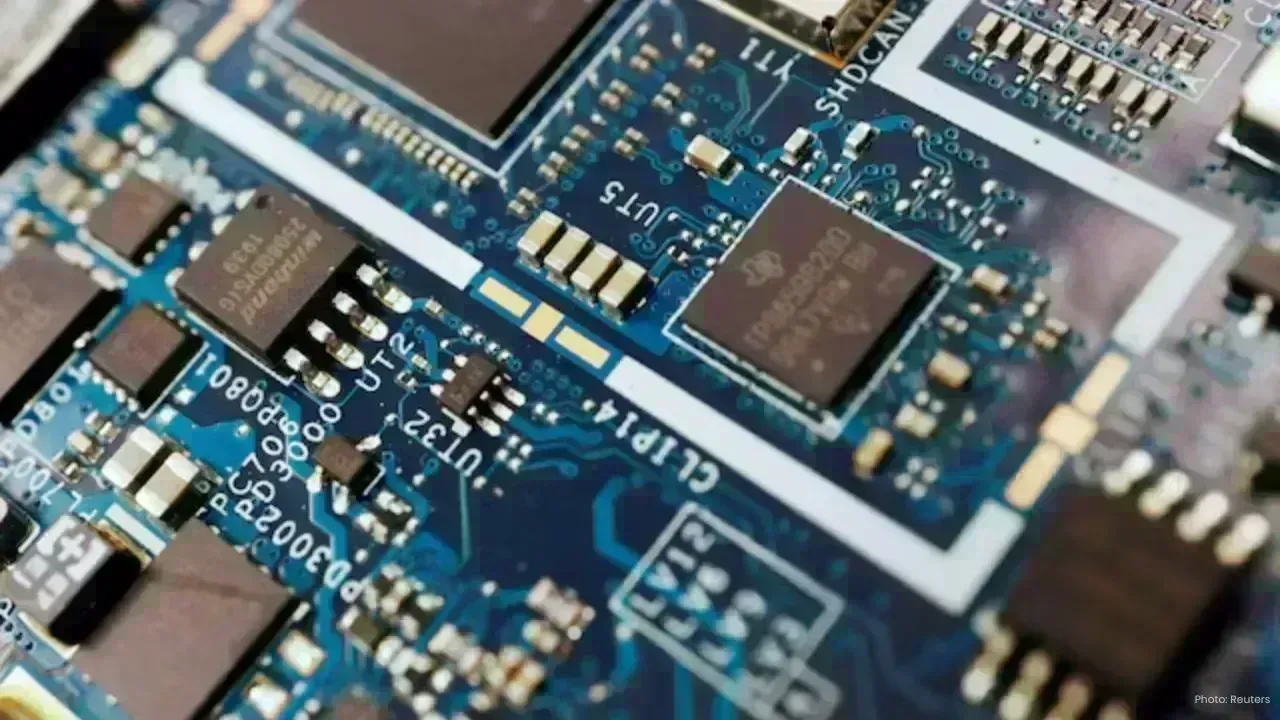
Taiwan’s leadership believes its world-class semiconductor industry places it in a unique position to support America’s push to become a global leader in artificial intelligence technology. Taiwanese chipmakers are among the most advanced in the world, producing high-performance semiconductors that power AI systems, cloud computing platforms, electric vehicles, smartphones, and modern defense technologies.
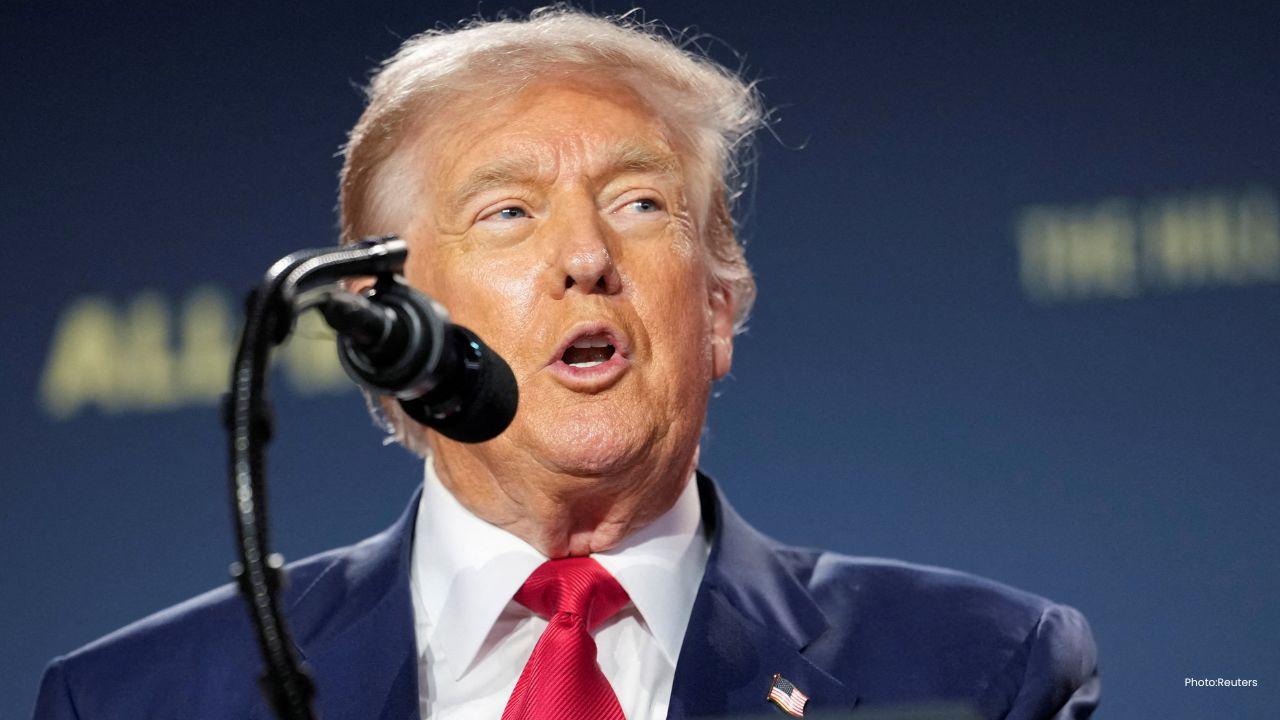
Cheng’s remarks come as the administration of U.S. President Donald Trump increases pressure on foreign semiconductor companies to expand manufacturing operations inside the United States. Washington has made domestic production of advanced chips a key national priority, particularly those used in artificial intelligence, citing concerns over supply chain security and dependence on overseas factories.
U.S. officials have repeatedly warned that disruptions in global chip supply chains could threaten economic stability and national security. As a result, the Trump administration has urged major producers, especially from Asia, to invest more heavily in U.S.-based manufacturing facilities.
Taiwan appears ready to respond. Cheng said the government understands U.S. concerns about economic security and supply reliability and is prepared to work closely with American partners. This cooperation includes increased investment, technology sharing, and support for building advanced semiconductor manufacturing capacity within the United States.
Under the recent trade arrangement, Taiwan agreed to measures that lower tariffs and ease trade barriers between the two economies. In exchange, Taiwanese technology firms are expected to expand their footprint in the U.S. by constructing new factories, setting up research and development centers, and creating thousands of high-skilled jobs.
The push aligns with Washington’s broader strategy to bring critical technology production back home. AI chips, which are essential for machine learning, data centers, and next-generation software, are seen as too important to rely solely on foreign supply chains.
Taiwan’s government believes cooperation, rather than rivalry, offers the best path forward. Cheng emphasized that by combining Taiwan’s manufacturing expertise with U.S. innovation strength and market demand, both sides can gain a competitive advantage in the global artificial intelligence race.
Artificial intelligence has become a central focus for governments worldwide as it reshapes industries such as healthcare, finance, manufacturing, transportation, and national defense. Control over AI hardware and software is increasingly viewed as a key driver of future economic growth and geopolitical influence.
For Taiwan, strengthening AI ties with the United States also carries strategic significance beyond economics. The island faces ongoing political and military pressure from China, which claims Taiwan as part of its territory. Deeper economic and technological cooperation with Washington is seen in Taipei as a way to strengthen mutual trust and reinforce long-term political support.
Although Cheng did not disclose specific investment figures, she made it clear that Taiwan’s commitment would be both substantial and long-lasting. She said Taiwanese companies are ready to respond to U.S. policy signals and expand production of advanced AI chips on American soil.
Industry experts say the strategy could help both sides address key challenges. The United States would gain greater control over critical technology supply chains, while Taiwan would secure a stable and supportive environment for its companies to expand and diversify globally.
Still, challenges remain. Building advanced semiconductor fabrication plants is extremely costly and can take several years to complete. These projects also require a highly skilled workforce, reliable energy supplies, and strong infrastructure. Taiwanese firms will need close coordination with U.S. federal and state governments to overcome these hurdles.
Despite these obstacles, Taiwanese officials remain optimistic. Cheng said Taiwan’s decades of experience in chip manufacturing, combined with U.S. leadership in innovation and research, creates a solid foundation for success in artificial intelligence.
She added that the partnership will go beyond manufacturing alone. Future cooperation could include joint AI research projects, development of new applications, setting global technology standards, academic exchanges, and deeper collaboration between tech companies in both countries.
The move reflects a broader global trend in which trade policy, advanced technology, and national security are increasingly interconnected. Artificial intelligence, in particular, has emerged as a symbol of future power, influence, and economic leadership.
By positioning itself as a key AI partner to the United States, Taiwan hopes to secure a central role in the global artificial intelligence ecosystem. Officials believe that stronger cooperation will support long-term economic growth, technological leadership, and closer political ties in the years ahead.
In essence, Taiwan’s push for a strategic AI partnership with the United States marks an important moment in the reshaping of global technology alliances. Through tariff cuts, increased investment, and shared innovation goals, both sides aim to build a more secure, competitive, and AI-driven future.




George Russell Wins Dutch GP Sprint, Boosts Mercedes Morale
George Russell wins the Dutch GP Sprint from pole as Mercedes teammate Kimi Antonelli extends his F1

Australia 50/3 After Bangladesh Bowled Out for 64 in Second Test
Australia reached 50/3 after Bangladesh were bowled out for 64 in the second Test, with Mitchell Sta

Jordan Burroughs Returns to Wrestling with 2028 Olympic Dream
Jordan Burroughs returns to wrestling with Real American Freestyle as the Olympic champion eyes a po

Lamborghini Catches Fire on Singapore's ECP, Causing Heavy Traffic
A Lamborghini caught fire on Singapore's ECP, causing heavy traffic and bus delays. No injuries were

Bangkok Airport Duty-Free Area Flooded by Pipe Burst
A burst water pipe flooded the duty-free shopping area at Bangkok's Suvarnabhumi Airport on July 16,
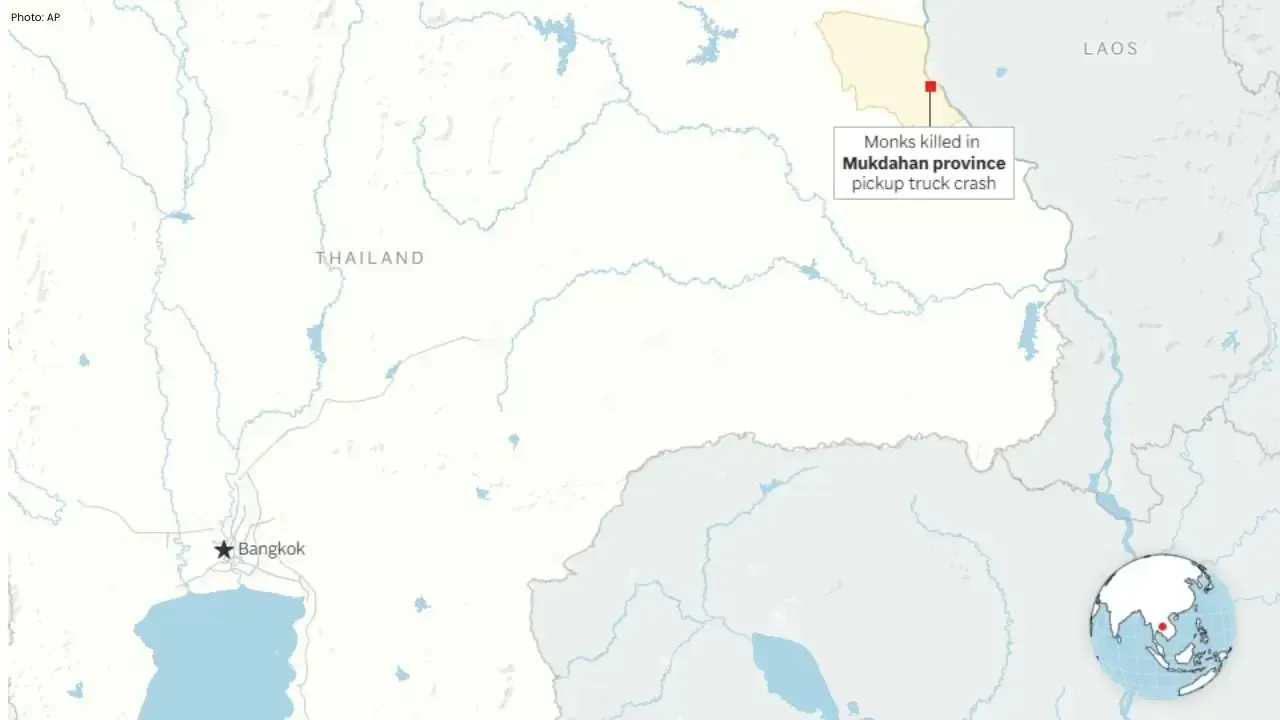
Nine Monks Killed in Thailand Pickup Truck Tragedy
An 11-year-old boy driving a pickup truck crashed into monks during a pilgrimage in northeastern Tha