You have not yet added any article to your bookmarks!
Join 10k+ people to get notified about new posts, news and tips.
Do not worry we don't spam!
Post by : Saif Rahman
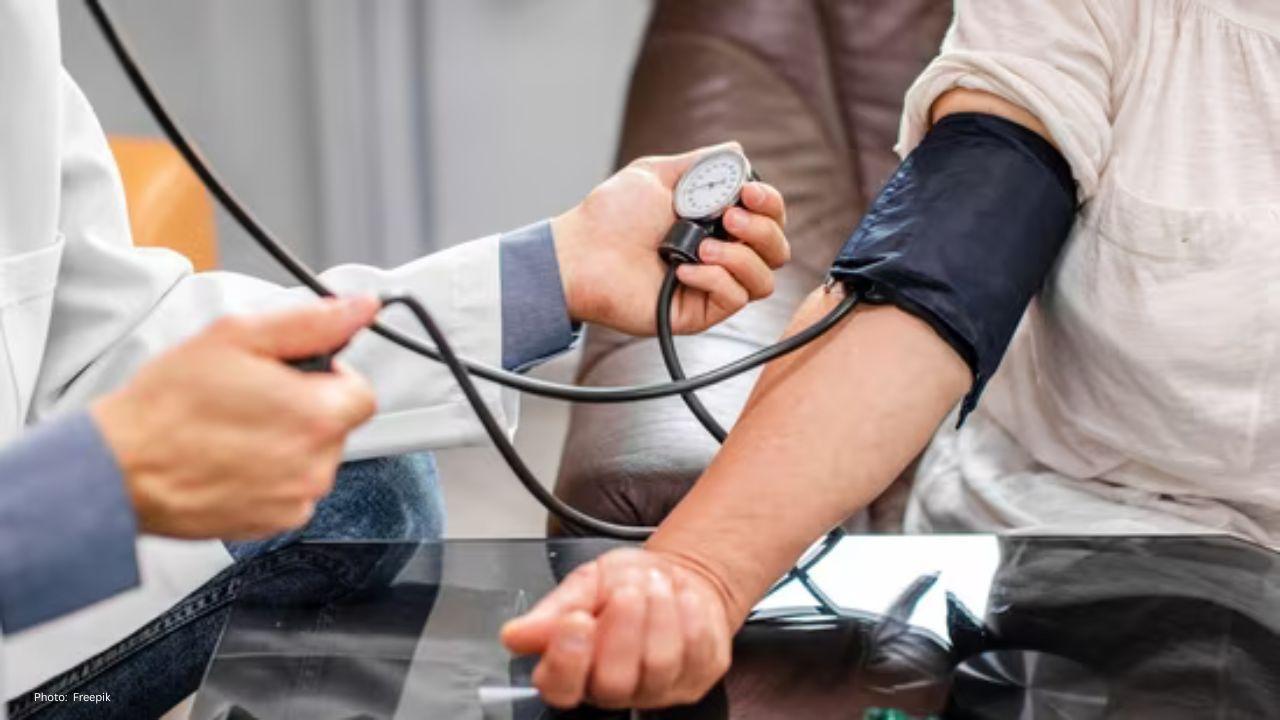
Dr. Evan Levine, a prominent cardiologist at Mount Sinai Hospital in New York, has issued a crucial warning regarding high blood pressure, medically known as hypertension. With over three decades of experience, he points out that many individuals lack awareness of this condition's true indicators. Surprisingly, the most common symptom is often the absence of symptoms altogether.
According to Dr. Levine, people frequently postpone medical visits, waiting for discomfort to prompt them. However, high blood pressure typically doesn't produce obvious signs, which is why it’s referred to as the “silent killer.” Individuals may appear healthy while the condition silently harms their heart, blood vessels, and kidneys.
Nonetheless, some may exhibit symptoms when their blood pressure spikes. Dr. Levine highlighted several warning signs, including headaches that may present as pressure at the forehead or the back of the head. Blurred vision is another potential symptom, especially when fatigued. Chest pain can occur as the heart strains to circulate blood, while some may experience shortness of breath even during mild activities.
Though not everyone experiences nosebleeds, they can signal high blood pressure, as can frothy or bubbly urine, indicating possible kidney issues.
The troubling reality is that many individuals suffering from high blood pressure feel perfectly normal, which makes the condition exceptionally perilous. Without timely intervention, it could result in serious health crises, including strokes, heart attacks, or heart failure.
Dr. Levine advocates for regular blood pressure checks, regardless of one’s health status. Annual visits to a clinic or hospital are crucial, and for those unable to often see a doctor, home blood pressure monitors can be invaluable.
Early detection can be life-saving. If caught early, manageable lifestyle changes, such as regular exercise, reduced salt intake, increased consumption of fruits and vegetables, proper hydration, and medication when necessary, can help protect heart health.
This common health issue often affects individuals who lead sedentary lifestyles, consume a diet rich in fast food, or experience high levels of stress. However, small lifestyle adjustments and continuous monitoring can greatly reduce the risks.








Malaysia Blocks Grok AI Over Sexualized Image Misuse
Malaysia restricts access to Grok AI after misuse for sexualized, non-consensual images, pending str

Thailand Exports to Grow 2–4% in 2026, Driven by Foreign Investment
Thailand’s exports are projected to grow 2–4% this year, largely due to foreign investment, raising

Greenville Officer Wounded in Sudden Ambush, Suspect Dies in Shootout
A Greenville police officer was wounded in an ambush-style shooting. Deputies later killed the suspe

ISRO Launches Anvesha Spy Satellite in Key PSLV Comeback Mission
ISRO’s PSLV returns to flight with EOS-N1, deploying the Anvesha spy satellite and 15 payloads, mark

Landfill Collapse in Cebu Kills Four, Dozens Missing as Rescue Continues
A massive landfill collapse in Cebu City has left four dead and dozens missing as rescuers race agai

Netanyahu Says Israel Aims to End US Military Aid Within 10 Years
Israeli PM Benjamin Netanyahu says Israel plans to gradually stop relying on US military aid within