You have not yet added any article to your bookmarks!
Join 10k+ people to get notified about new posts, news and tips.
Do not worry we don't spam!
Post by : Saif Rahman
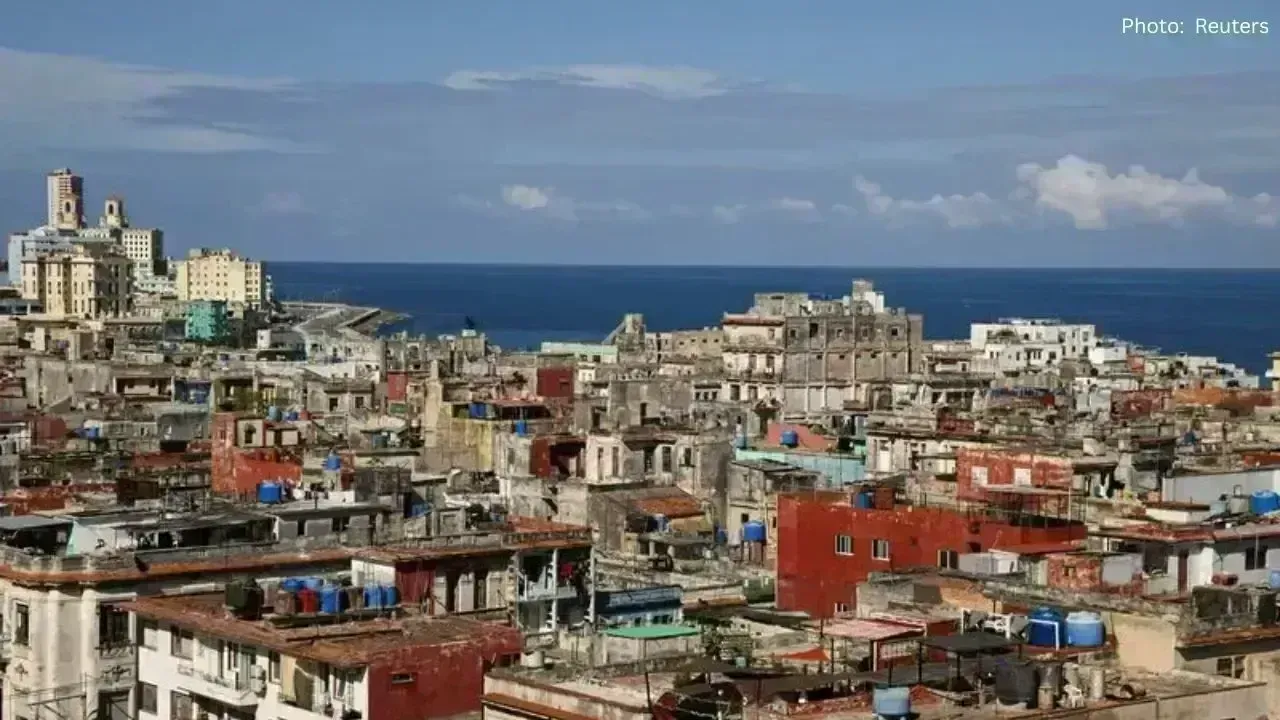
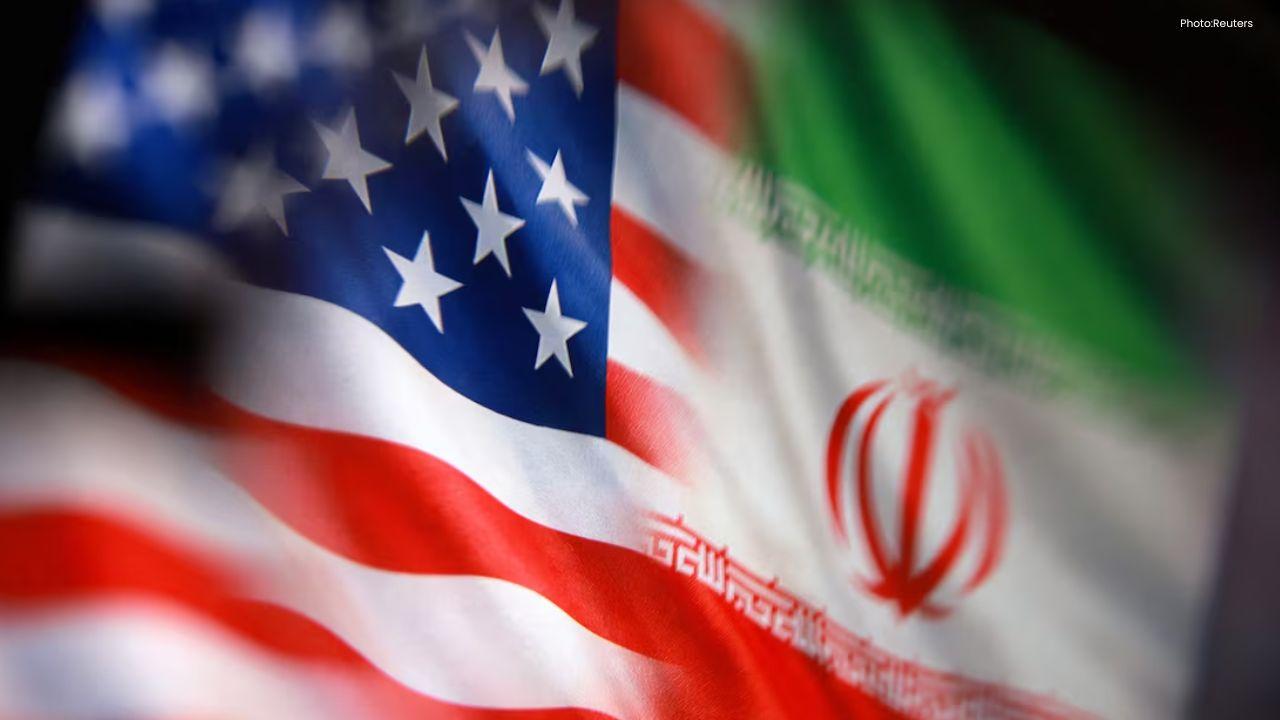
Cuba has firmly responded to U.S. President Donald Trump’s declaration that the island will no longer receive oil or financial aid from Venezuela. His comments have heightened tensions between the long-standing adversaries.
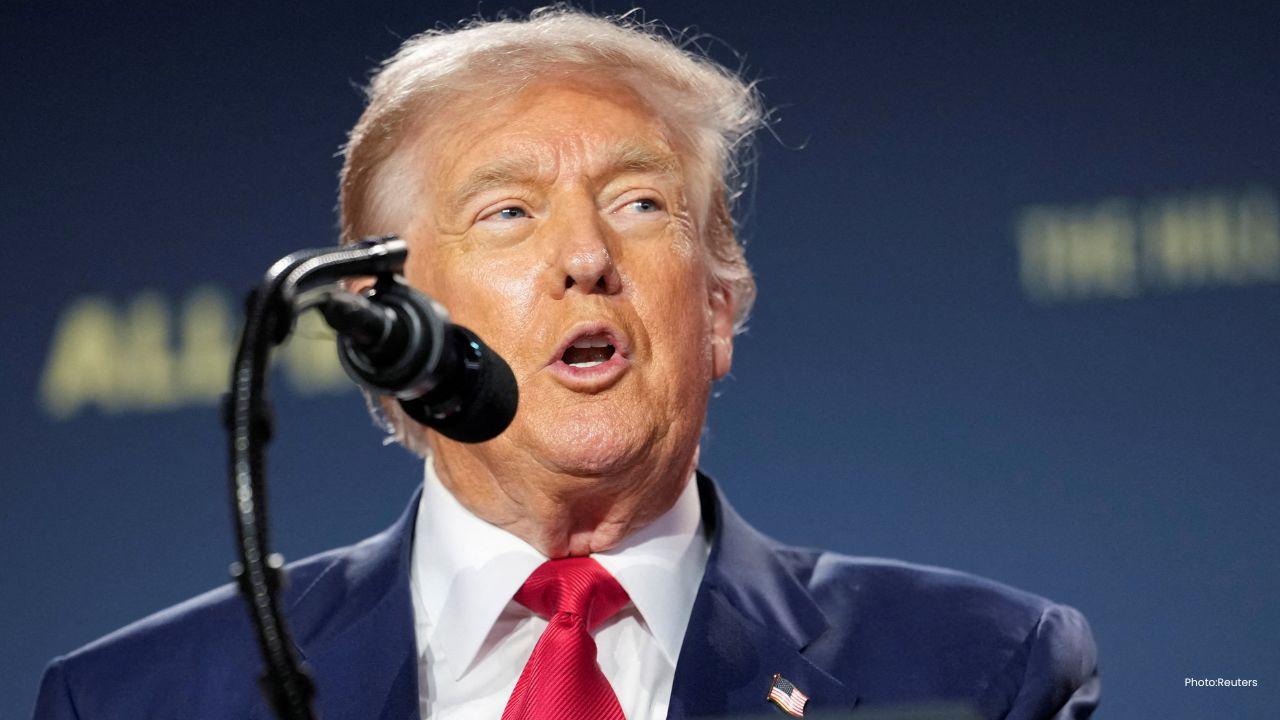
In a social media post, Trump declared there would be “zero” oil and funds directed to Cuba from Venezuela, emphasizing Cuba's reliance on Caracas for years. He cautioned the island’s government to formulate a deal with the U.S. before it was “too late,” yet he offered no specifics about the potential agreement.
Cuba’s leadership wasted no time dismissing Trump’s remarks. President Miguel Díaz-Canel asserted that the U.S. lacks the authority to coerce Cuba or dictate its actions. He emphasized Cuba's independence and sovereignty while accusing Washington of enduring assaults via sanctions and political pressure for over sixty years. Díaz-Canel affirmed that Cuba would defend its position at all costs.
Venezuela has historically been Cuba's main supplier of oil, providing around 26,500 barrels of crude and fuel daily last year, meeting nearly half of Cuba's oil requirements. However, shipping data indicates that since early January, no Venezuelan oil shipments have reached Cuba following a stringent oil blockade imposed after U.S. forces captured Venezuelan President Nicolás Maduro.
Meanwhile, reports are emerging that the United States and Venezuela are negotiating a significant oil deal, potentially supplying up to 50 million barrels of Venezuelan oil to the U.S., with proceeds redirected into U.S.-controlled accounts. This development signifies a notable shift in U.S.-Venezuelan relations and exerts further pressure on Cuba, which has heavily depended on Venezuelan energy resources.
Cuban Foreign Minister Bruno Rodríguez asserted that Cuba reserves the right to procure fuel from any nation that is willing to engage in trade. He refuted claims suggesting Cuba receives monetary benefits in exchange for providing security services around the globe. Although Cuba has not disclosed detailed information about its security alignment with Venezuela, it did acknowledge that Cuban personnel were casualties in a recent U.S. operation there.
Life on the island has already become increasingly challenging, with heavy dependence on imported fuel for energy and transportation. The decline in oil supplies has led to frequent blackouts nationwide, leaving many residents without electricity for extended periods. The shortages of food, fuel, and medicine have heightened public discontent, prompting many Cubans to emigrate in recent years.
Recently, Mexico has emerged as a modest alternative oil supplier. Mexican President Claudia Sheinbaum mentioned that while shipments have not increased, changing dynamics in Venezuela have positioned Mexico as a vital source of fuel for Cuba, though its supply remains inadequate to fully substitute Venezuelan oil.
Intelligence assessments from the U.S. indicate that Cuba's economy is under considerable pressure, particularly within agriculture and tourism sectors. While the interruption of Venezuelan oil could complicate governance, these reports do not entirely corroborate Trump’s assertion that Cuba is nearing collapse.
Among the Cuban populace, opinions are divided. Some are willing to endure more hardship, while others call for immediate reform, citing daily challenges such as lengthy power outages and bare shelves as indicators that the status quo is unsustainable.
From an editorial perspective, Trump’s remarks signify a further escalation in U.S. strategies toward Cuba. Although intensified pressure may exacerbate economic difficulties, history suggests that threats seldom yield durable resolutions. This situation underscores the necessity for dialogue and pragmatic policy directions rather than continued confrontations.
As Cuba confronts escalating difficulties, the upcoming months will be pivotal. The manner in which Havana responds to diminished oil supplies and mounting U.S. pressure will significantly influence the island's future and regional power dynamics.



George Russell Wins Dutch GP Sprint, Boosts Mercedes Morale
George Russell wins the Dutch GP Sprint from pole as Mercedes teammate Kimi Antonelli extends his F1

Australia 50/3 After Bangladesh Bowled Out for 64 in Second Test
Australia reached 50/3 after Bangladesh were bowled out for 64 in the second Test, with Mitchell Sta

Jordan Burroughs Returns to Wrestling with 2028 Olympic Dream
Jordan Burroughs returns to wrestling with Real American Freestyle as the Olympic champion eyes a po
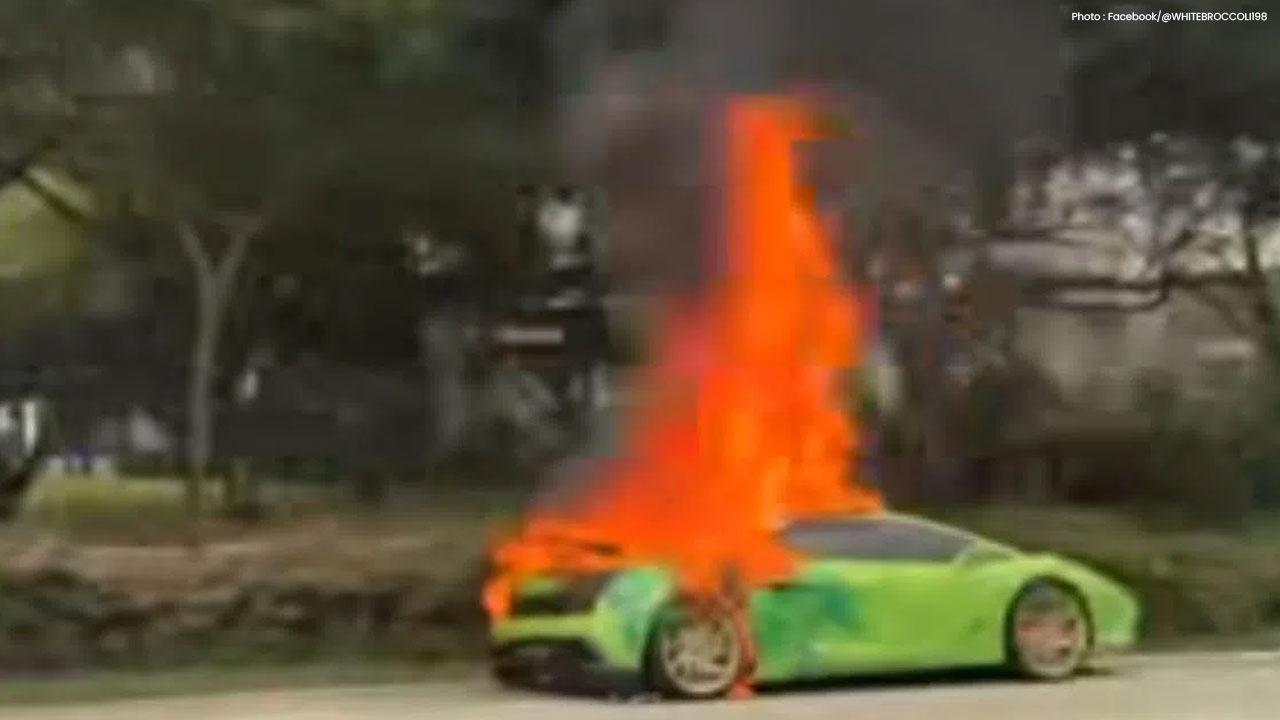
Lamborghini Catches Fire on Singapore's ECP, Causing Heavy Traffic
A Lamborghini caught fire on Singapore's ECP, causing heavy traffic and bus delays. No injuries were

Bangkok Airport Duty-Free Area Flooded by Pipe Burst
A burst water pipe flooded the duty-free shopping area at Bangkok's Suvarnabhumi Airport on July 16,
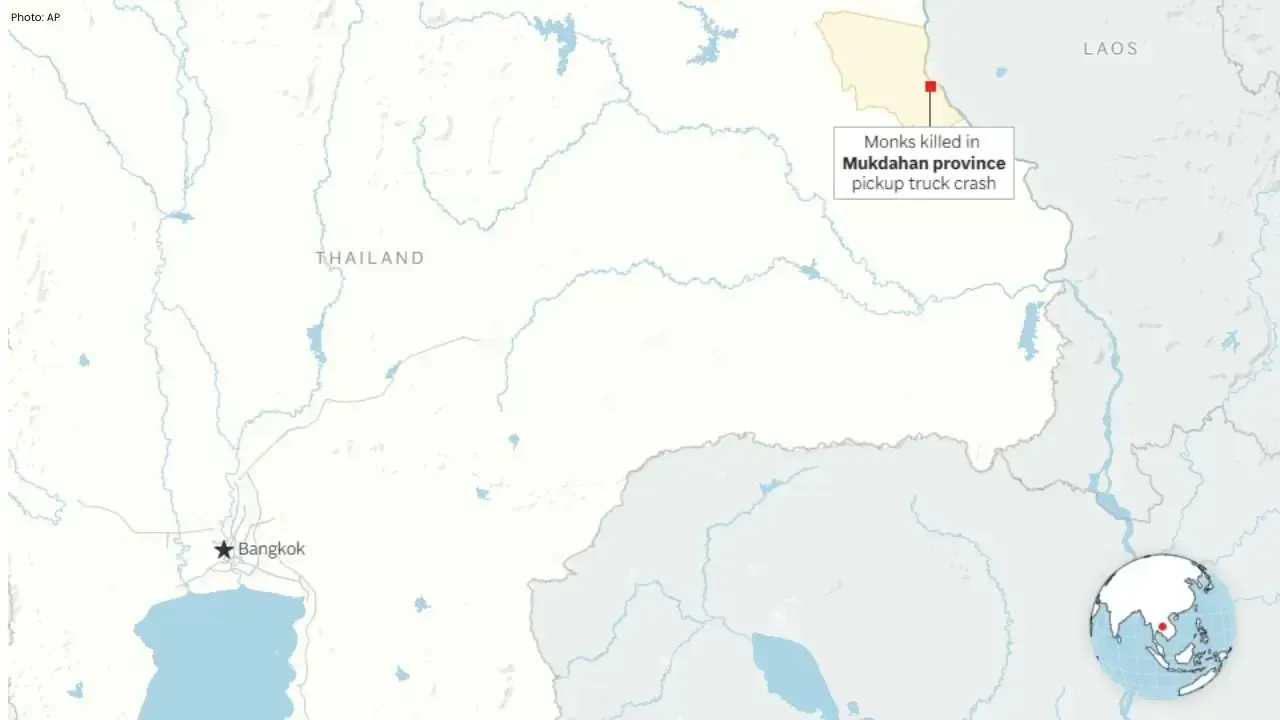
Nine Monks Killed in Thailand Pickup Truck Tragedy
An 11-year-old boy driving a pickup truck crashed into monks during a pilgrimage in northeastern Tha