You have not yet added any article to your bookmarks!
Join 10k+ people to get notified about new posts, news and tips.
Do not worry we don't spam!
Post by : Meena Ariff
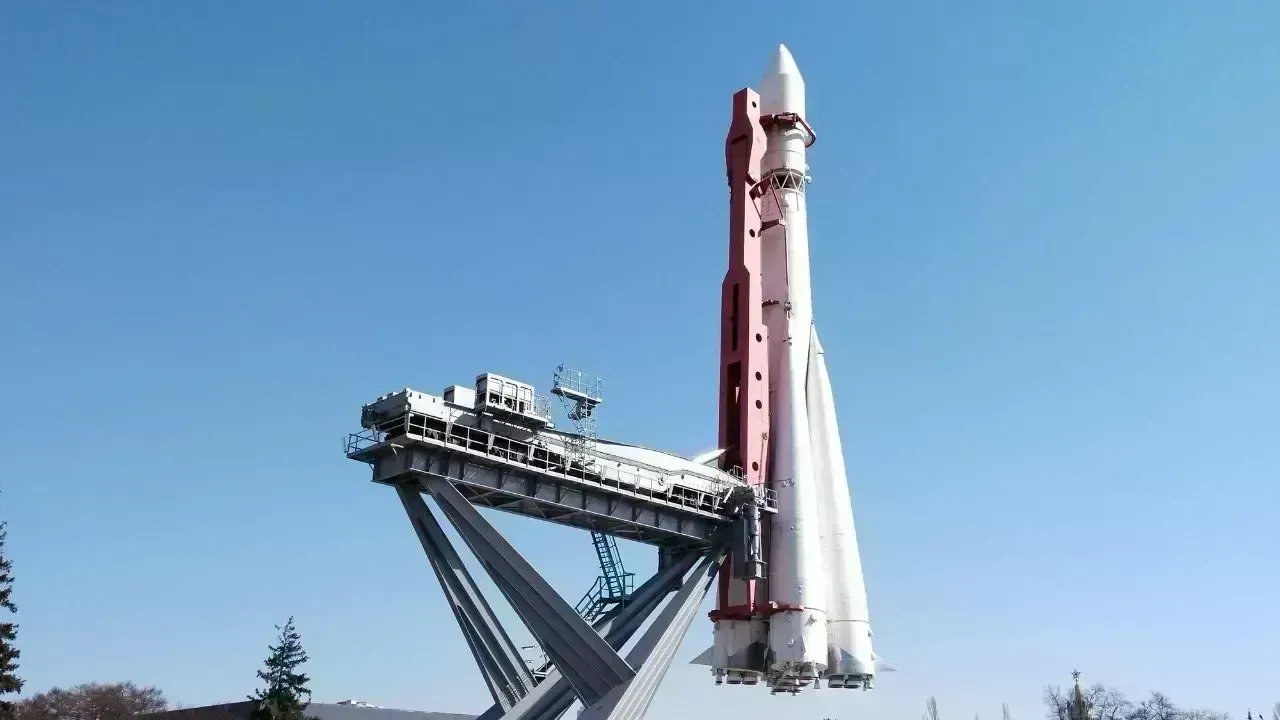
India’s space programme reached a crucial milestone on Monday as the Indian Space Research Organisation (ISRO) launched its 64th Polar Satellite Launch Vehicle (PSLV) mission, PSLV-C62, carrying a mix of strategic and commercial payloads into orbit. The rocket lifted off from the Satish Dhawan Space Centre in Sriharikota at 10:18 am, marking a vital return to flight after last year’s setback.
At the heart of the mission is Anvesha, a highly classified surveillance satellite developed by the Defence Research and Development Organisation (DRDO). Designed with advanced imaging technology, Anvesha is expected to significantly enhance India’s intelligence, surveillance, and reconnaissance capabilities by enabling high-resolution mapping and precise monitoring of strategic locations.
The mission also carried EOS-N1 along with 15 co-passenger satellites. According to ISRO, EOS-N1 and 14 other satellites were planned for deployment into a Sun-Synchronous Orbit, while the Kestrel Initial Demonstrator (KID) satellite was placed on a controlled re-entry trajectory for technology validation purposes.
ISRO Chairman Dr V Narayanan confirmed that a deviation was detected during the third stage of the launch vehicle. He stated that engineers are currently analysing flight data and that a detailed assessment will be shared after a thorough review. While stopping short of declaring the mission a complete success, he emphasised that all systems are being closely evaluated.
Beyond its strategic significance, the launch marks a turning point for India’s private space industry. For the first time, a single Indian private company—Hyderabad-based Dhruva Space—contributed seven satellites to a PSLV mission. This underscores the growing role of private enterprises in satellite manufacturing, launch services, and space-based solutions.
The launch is especially important as it follows the PSLV mission failure in May 2025, which was attributed to an anomaly in the rocket’s third stage. Monday’s flight was therefore closely watched by the global space community as a test of reliability for India’s most trusted launch vehicle.
Industry experts view the mission as a confidence-building step, not only for ISRO but also for international customers and domestic startups looking to leverage India’s cost-effective launch ecosystem. The collaboration between ISRO, DRDO, and private firms highlights a shifting model where innovation and execution are increasingly shared.
As India continues to expand its presence in defence, commercial, and exploratory space missions, PSLV-C62 stands as a symbol of recovery, resilience, and the evolving strength of the country’s space ecosystem.






Starc Compares Australia's Tough Year to McIlroy's Major Sweep
Mitchell Starc says Australia winning three away Test series and the World Cup would match Rory McIl

France’s Sesterce Plans $11 Billion AI Data Centre in Finland
Sesterce plans a $11 billion AI data centre in Finland, with major expansion, green energy plans and

Danaher to Launch AI-Powered Autonomous Research Lab in 2027
Danaher plans an AI research lab for 2027, combining robotics and automation to speed up drug discov

Musk Welcomes German Support for Tesla Driver Assistance Tech as EU Approval Push Continues
Elon Musk welcomes Germany's backing for Tesla FSD as the company seeks EU approval amid speed, safe

Microsoft and Nvidia CEOs to Unveil AI Laptop at San Francisco Event
Microsoft and Nvidia showcase a new AI laptop with RTX Spark chips as they push powerful local AI co
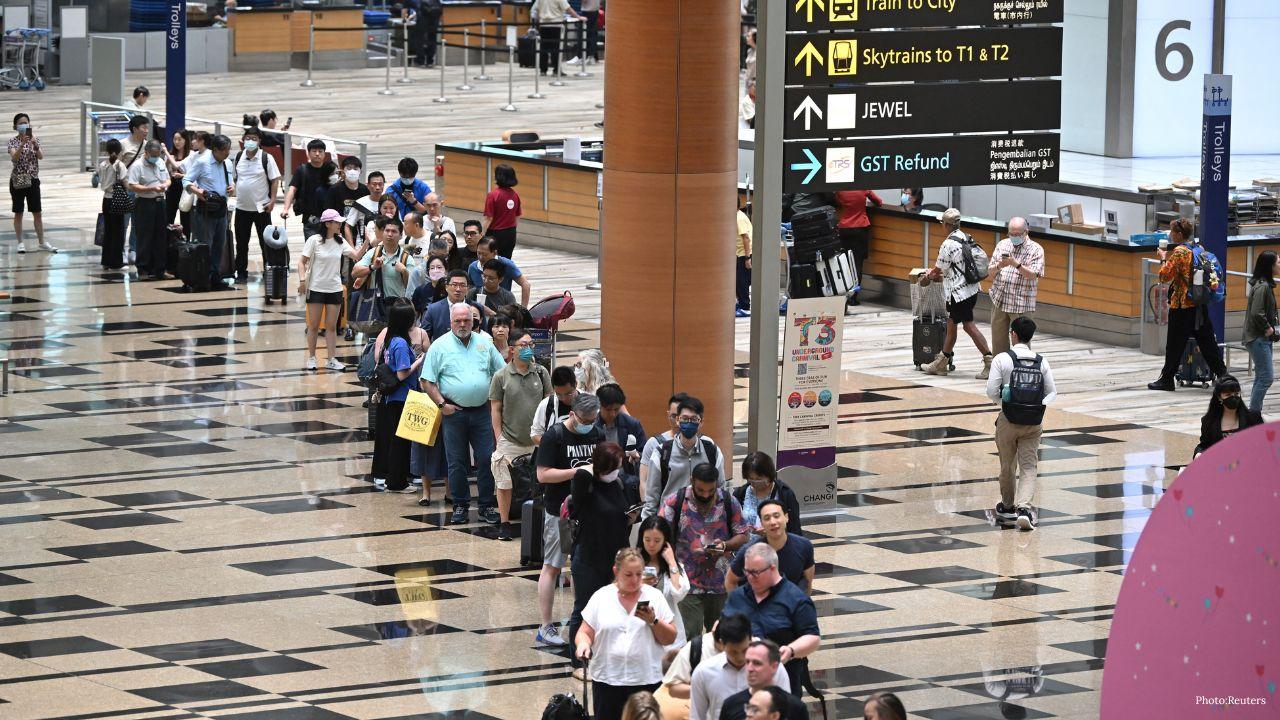
Man to face charges over perfume thefts at Changi Airport
A 47-year-old man faces charges over perfume theft at Changi Airport after six items worth nearly S$