You have not yet added any article to your bookmarks!
Join 10k+ people to get notified about new posts, news and tips.
Do not worry we don't spam!
Post by : Saif Rahman
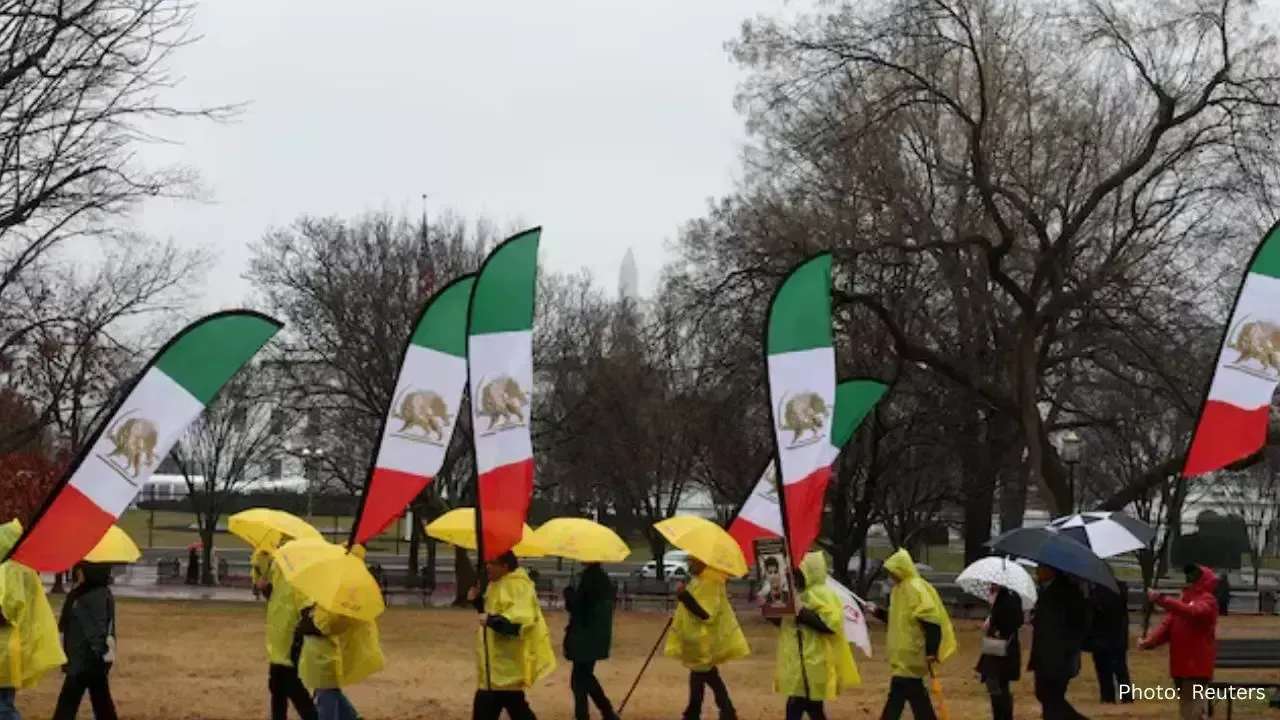
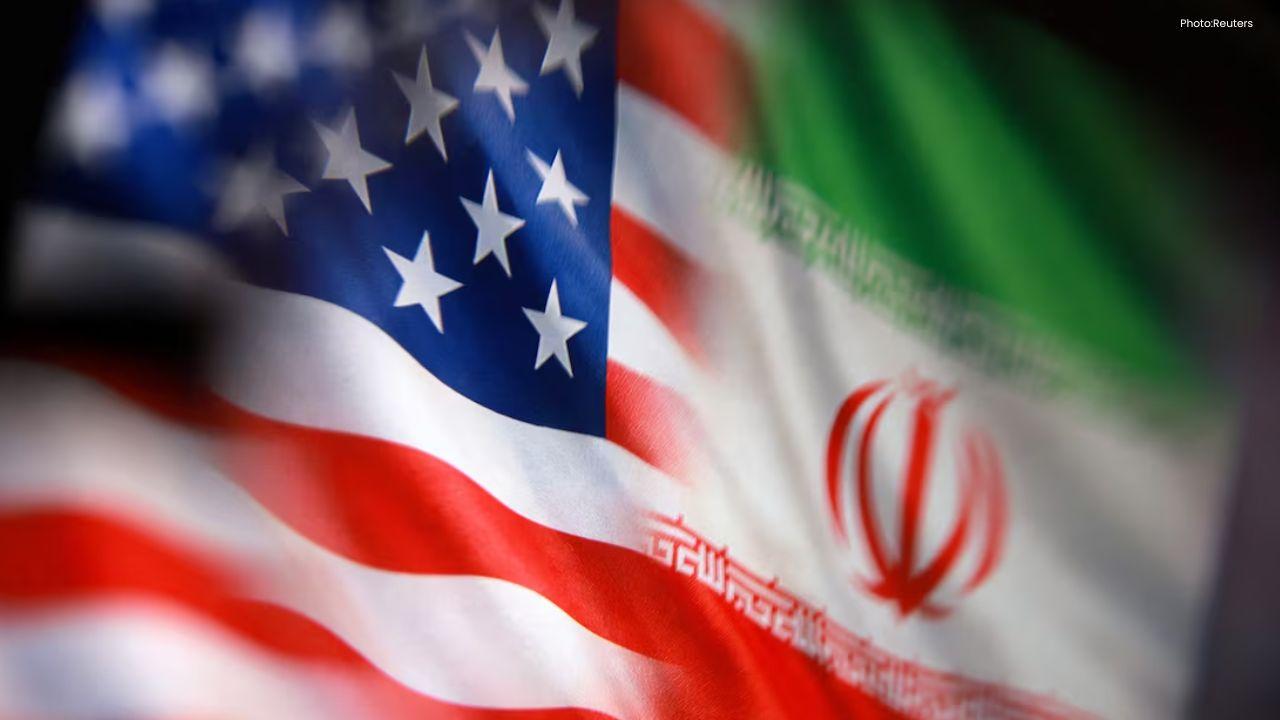
As widespread anti-government demonstrations erupt across Iran, discussions intensify in the United States regarding the appropriate response from Washington. Although President Donald Trump has not dismissed the possibility of military intervention, numerous senators from both parties are advocating for caution, suggesting that military action could have unintended consequences.
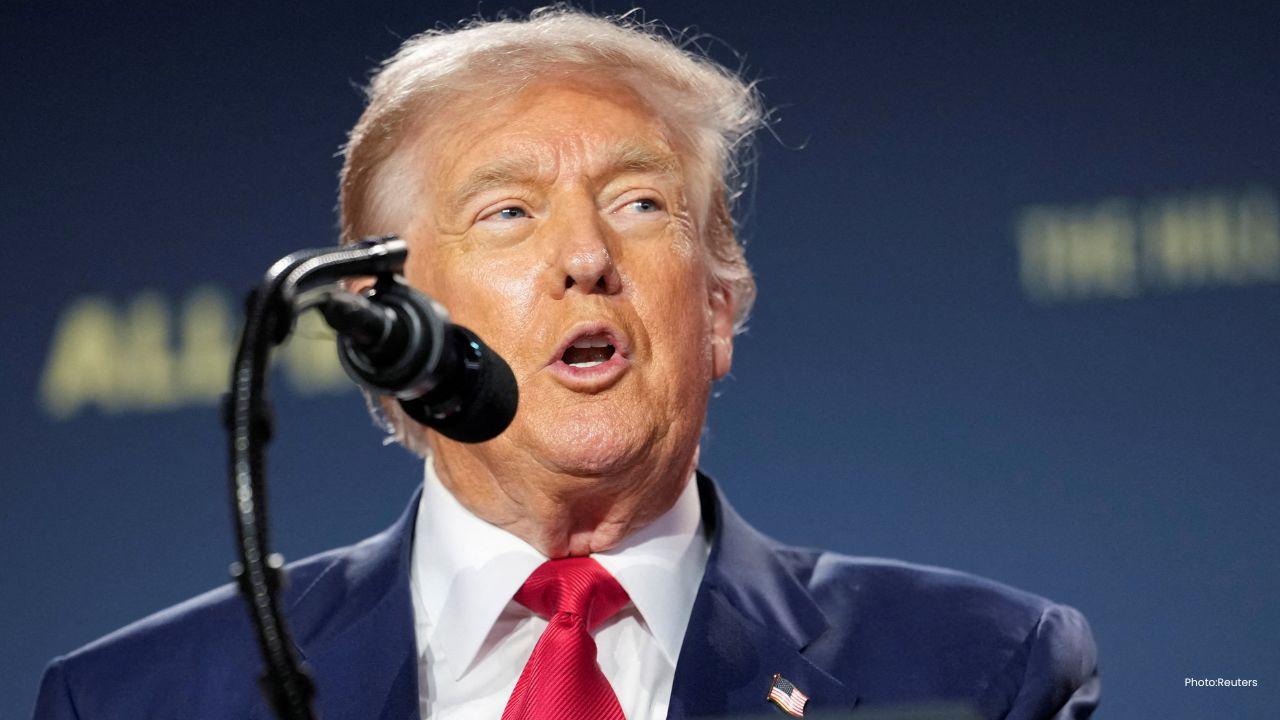
Iran is currently witnessing its most significant protests in recent years. The government attributes these disturbances to foreign adversaries, pledging to defend the existing regime. In light of these events, President Trump has indicated that U.S. intervention might be on the table, yet no specific strategy has been disclosed.
On Sunday, two senior lawmakers articulated their opposition to a hasty military response. Republican Senator Rand Paul cautioned that bombing Iran may not yield the anticipated outcomes. He expressed fears that military strikes could empower the Iranian government by redirecting public resentment toward an external foe.
Democratic Senator Mark Warner echoed these sentiments, highlighting that military actions could forge unity among Iranians against the United States in ways the Iranian leadership has not accomplished on its own. He reminded listeners of the U.S.'s involvement in Iran's 1953 coup, which he claimed further destabilized the region and facilitated the rise of the contemporary Islamic regime.
Warner recommended focusing on diplomatic strategies and collaborations with international allies to influence Iran constructively without exacerbating the situation.
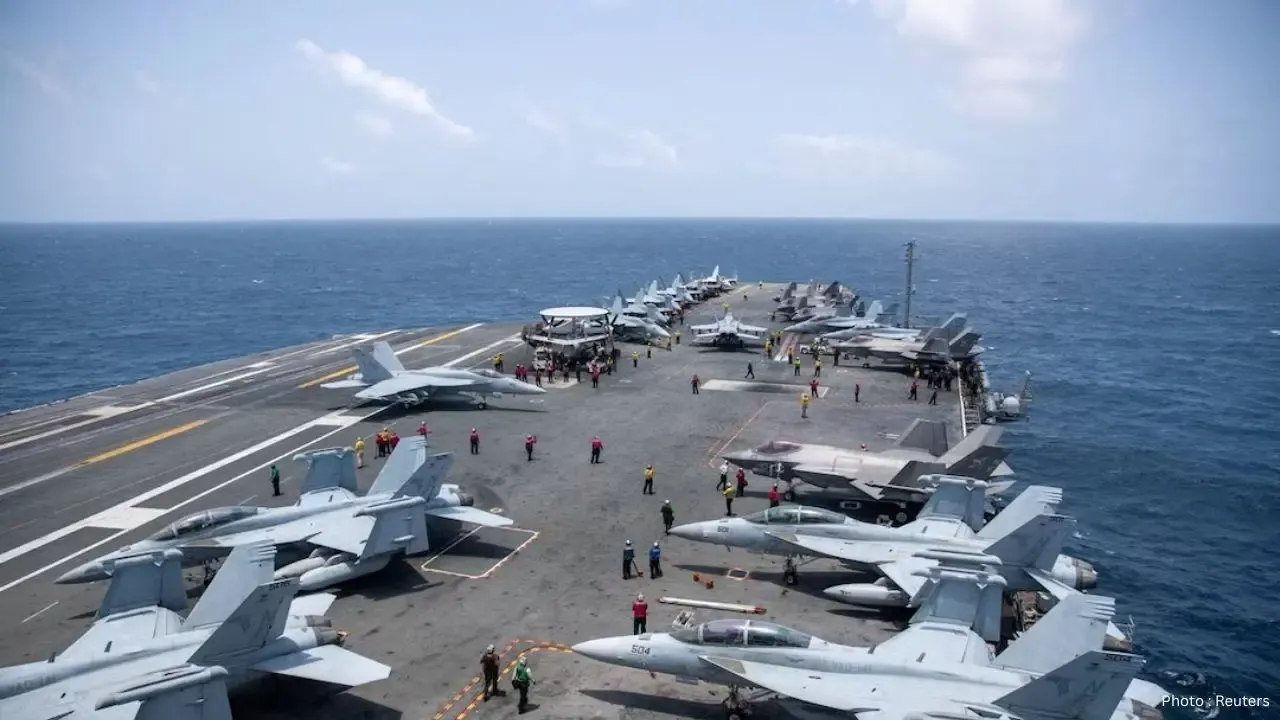
Reports indicate that U.S. military and diplomatic personnel are preparing to present various options to President Trump, including cyber tactics and potential military operations. Meanwhile, Iran has signaled that it would target U.S. military installations if attacked, escalating concerns about a broader conflict.
Contrastingly, not all legislators are in favor of a cautious approach. Republican Senator Lindsey Graham has advocated for robust support for Iranian demonstrators and direct threats against the Iranian leadership. He contends that decisive measures are necessary to halt violence against civilians and foster change.
In addition, Reza Pahlavi, the son of Iran's former shah, expressed his willingness to return to Iran to assist in a democratic transition. Speaking from the U.S., he emphasized that Iranians deserve free elections and the autonomy to determine their future without fear.
From an editorial standpoint, this debate underscores a well-known dilemma in U.S. foreign policy. Although military force can result in prompt action, it carries inherent risks and long-term ramifications. Historical precedents suggest that outside interference in Iran has not always led to stability or democratic governance.
Simultaneously, inaction also poses risks, particularly when citizens are subjected to oppression and violence. The critical question for the United States is how to advocate for human rights and democratic principles without transforming an internal crisis into a global conflict.
The range of opinions from senators across party lines indicates a widespread understanding of these potential pitfalls. As the situation in Iran unfolds, careful deliberation, international collaboration, and honoring the aspirations of the Iranian populace will be paramount.
The forthcoming days may significantly influence U.S. policy towards Iran for years to come. The choices leaders make regarding either restraint or aggression will undoubtedly have enduring consequences that extend well beyond the region.
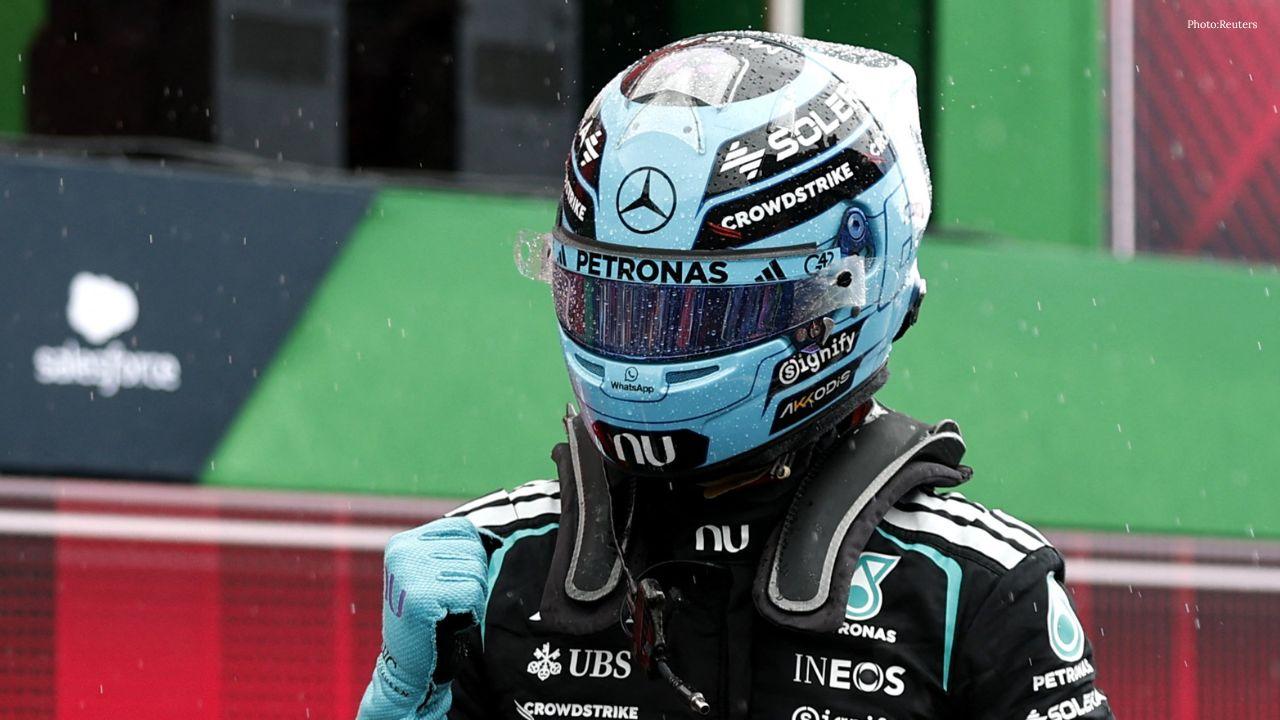



George Russell Wins Dutch GP Sprint, Boosts Mercedes Morale
George Russell wins the Dutch GP Sprint from pole as Mercedes teammate Kimi Antonelli extends his F1

Australia 50/3 After Bangladesh Bowled Out for 64 in Second Test
Australia reached 50/3 after Bangladesh were bowled out for 64 in the second Test, with Mitchell Sta

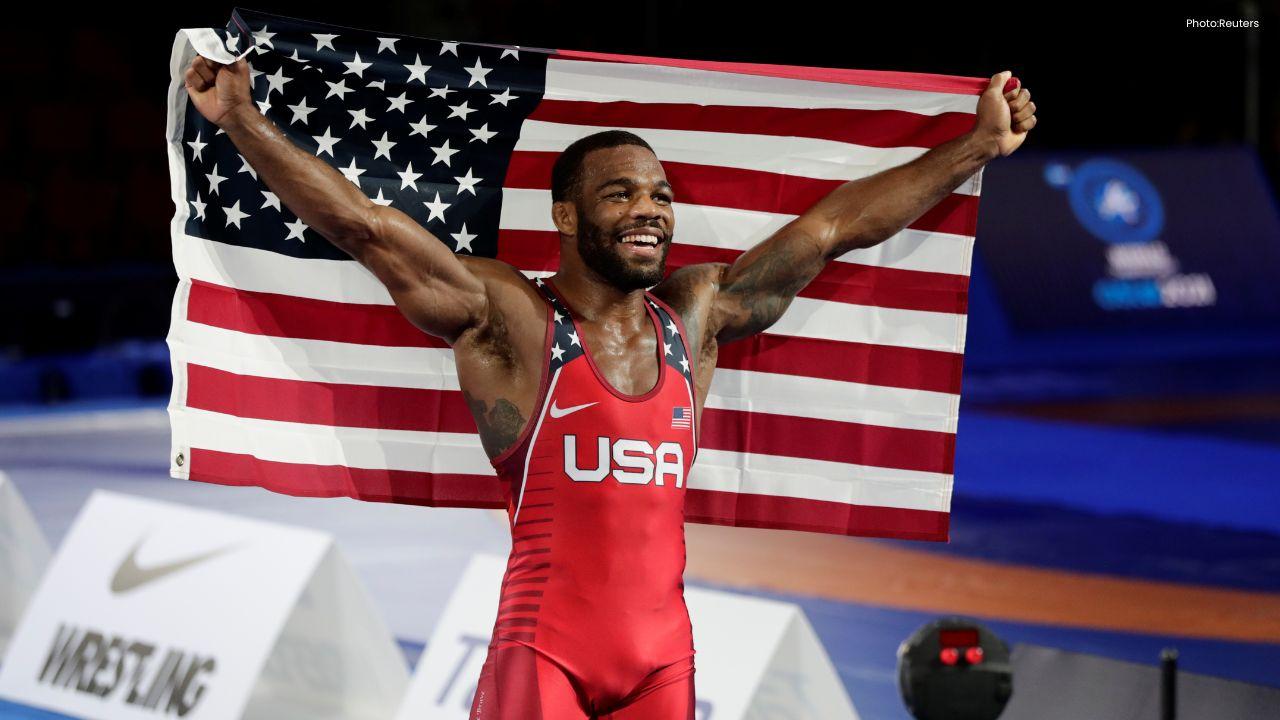
Jordan Burroughs Returns to Wrestling with 2028 Olympic Dream
Jordan Burroughs returns to wrestling with Real American Freestyle as the Olympic champion eyes a po
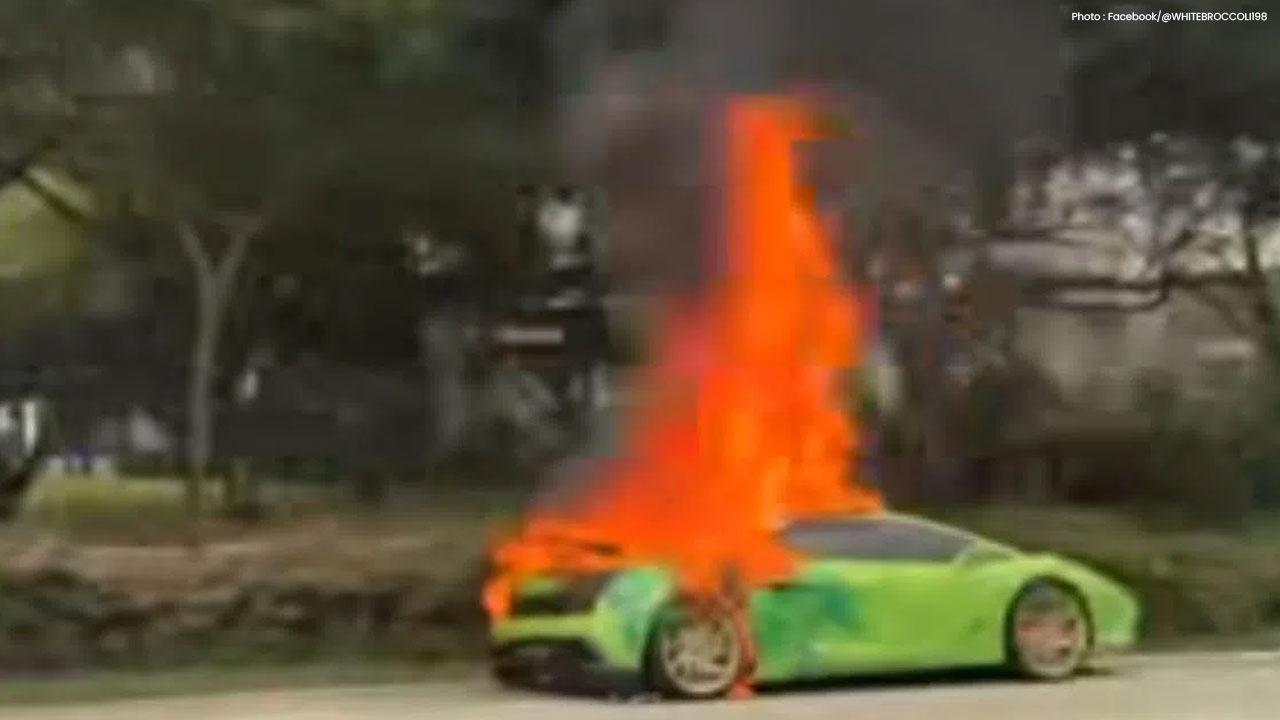
Lamborghini Catches Fire on Singapore's ECP, Causing Heavy Traffic
A Lamborghini caught fire on Singapore's ECP, causing heavy traffic and bus delays. No injuries were

Bangkok Airport Duty-Free Area Flooded by Pipe Burst
A burst water pipe flooded the duty-free shopping area at Bangkok's Suvarnabhumi Airport on July 16,
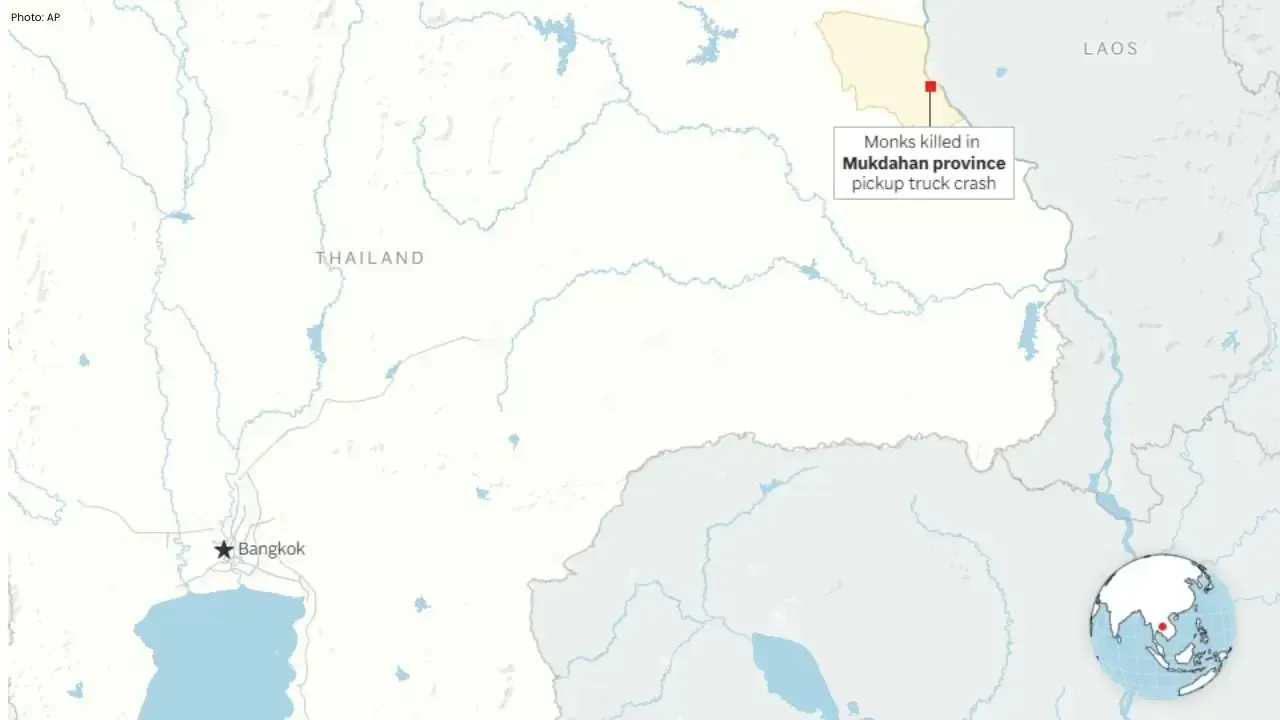
Nine Monks Killed in Thailand Pickup Truck Tragedy
An 11-year-old boy driving a pickup truck crashed into monks during a pilgrimage in northeastern Tha