
You have not yet added any article to your bookmarks!
Join 10k+ people to get notified about new posts, news and tips.
Do not worry we don't spam!
Post by : Meena Ariff
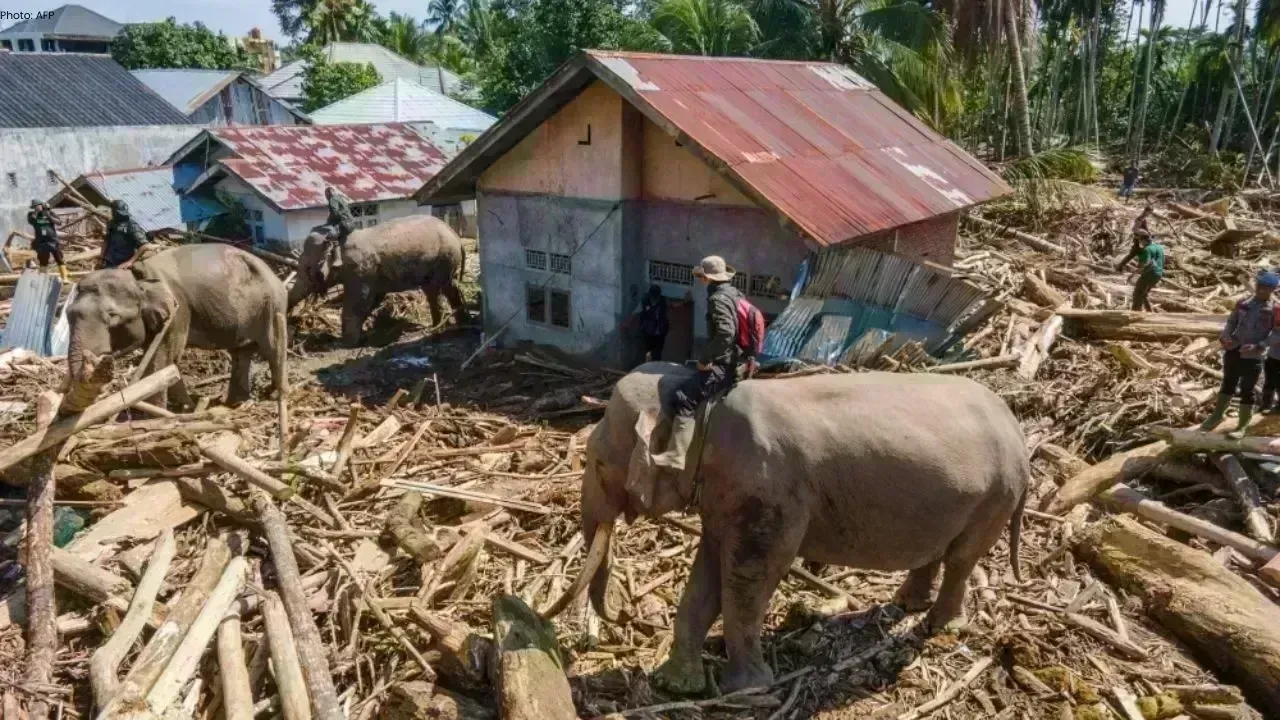
Following weeks of relentless rain and tropical storms, Indonesia and Sri Lanka are experiencing catastrophic flooding and landslides, leading to a tragic increase in the death toll and widespread crises.
In Indonesia, authorities have reported 950 deaths with 274 individuals still unaccounted for across the Aceh, North Sumatra, and West Sumatra regions. At least 5,000 people have sustained injuries due to the flooding and landslides. Aceh's governor, Muzakir Manaf, highlighted the critical shortages of vital supplies saying, “We lack everything, particularly medical staff. Basic needs are pressing.”
The destruction of critical infrastructure, including hospitals, schools, and bridges, has isolated numerous communities. The national disaster mitigation agency (BNPB) has projected reconstruction costs at approximately 51.82 trillion rupiah ($3.1 billion). In Banda Aceh, citizens have faced long lines for essentials such as drinking water and fuel, while the prices of basic goods have soared.
Meanwhile, Sri Lanka is still recovering from Cyclone Ditwah, which has claimed 627 lives and affected over two million people—close to 10% of the nation's population. The Disaster Management Centre (DMC) has warned of ongoing heavy monsoon rains, raising concerns about further landslides, with forecasts predicting over five centimeters of rain in several areas.
In response to the crisis, Sri Lanka's military has deployed 38,500 personnel for relief efforts, nearly doubling initial responses, and 31,116 individuals have been rescued. President Anura Kumara Dissanayake announced a comprehensive recovery initiative, which includes financial aid of 10 million rupees ($33,000) per family for relocating and rebuilding homes, alongside assistance for necessities such as food and bedding. However, the government has admitted it needs international financial support for reconstruction, especially after the economic challenges faced in 2022.
Even though seasonal monsoon rains are vital for agriculture in South and Southeast Asia, climate change is exacerbating the unpredictability and severity of rainfall, resulting in more frequent and devastating floods.
The authorities in both nations are still striving to deliver essential supplies and medical care while also working to restore infrastructure. There is an urgent need for international aid to avert further loss and alleviate the ongoing distress.










PM Modi Pays Tribute to Mahatma Gandhi, Urges People to Support Khadi
PM Modi pays tribute to Mahatma Gandhi on Gandhi Jayanti and urges citizens to support Khadi and the

Amazon Seeks to Offload $8 Billion in Nvidia Chips to Investors
Amazon plans to move $8 billion in Nvidia chips to investors, using a new financing model to strengt

Samsung Raises Galaxy S26 Prices as Memory Chip Costs Rise
Samsung raises Galaxy S26 prices in South Korea as rising memory chip costs put pressure on smartpho

Lewis Hamilton Calls Singapore Grand Prix One of F1's Toughest Races
Lewis Hamilton discusses the demanding Singapore Grand Prix and brings Plus44 and Almave to Singapor

Denmark's Pandora Opens World's Largest Jewellery Factory in Vietnam
Pandora opens its largest jewellery factory in Vietnam, expanding global production, strengthening s

Gautam Gambhir Questions Batting-Friendly Pitches After India's Record ODI Chase
Gautam Gambhir questions batting-friendly ODI pitches after India’s record chase, calling for a bett

