You have not yet added any article to your bookmarks!
Join 10k+ people to get notified about new posts, news and tips.
Do not worry we don't spam!
Post by : Saif Rahman
President Donald Trump’s Gaza ceasefire plan has embarked on a pivotal second phase, instilling a mix of cautious optimism and significant unease. The White House asserts this phase could redefine Gaza’s future and the broader Middle East, yet the vagueness surrounding specific details prompts skepticism about its feasibility.
The announcement came from Trump’s Middle East envoy, Steve Witkoff, who indicated that this phase will emphasize establishing a transitional Palestinian governing committee, initiating reconstruction, and the challenging task of disarming Hamas. While these objectives sound promising, the plan lacks clarity on implementation, enforcement, and timeline.
Trump’s 20-point ceasefire plan, sanctioned by the U.N. Security Council, is designed to end Hamas’ governance in Gaza and replace it with a demilitarized zone under international oversight. Success could lead to Gaza's reconstruction, improved relations between Israel and Arab nations, and a possible pathway to Palestinian independence. However, failure could entrap Gaza in prolonged instability.
Although the ceasefire commenced in October, effectively halting two years of intense conflict, the initial phase remains incomplete. Both Israel and Hamas accuse each other of ceasefire violations. Reports from Gaza health officials indicate that Israeli military actions have led to numerous Palestinian casualties since the truce began. While Israel maintains that its Operations responsive to perceived threats, Palestinians argue that these actions target civilians. Furthermore, Hamas continues to hold the remains of an Israeli hostage, prompting Prime Minister Benjamin Netanyahu to declare any progress contingent upon their return.
Netanyahu has characterized the formation of the Palestinian governing committee as merely symbolic, raising doubts about Israel’s genuine commitment to advancing the plan.
The proposed Palestinian committee is expected to oversee Gaza’s daily administration with U.S. assistance, composed of independent Palestinian experts instead of political figures. However, the announcement fell short of disclosing the committee’s members or its authority. Mediating nations have suggested that it might be led by Ali Shaath, a former official, yet public confidence will remain fragile if the committee is perceived as weak or overly influenced by external forces.
While Hamas claims its willingness to dissolve its civil administrative structures upon the committee's initiation, it has provided no assurances regarding the disbanding of its military wing, a key concern that threatens to derail the plan. Their unwillingness to fully disarm could hinder reconstruction efforts, prolong Israeli withdrawals, and escalate the risk of resuming hostilities.
The oversight of this process will rest with a newly formed “Board of Peace,” comprising international leaders led by Trump. This board is tasked with supervising the ceasefire, reconstruction, and regulatory reforms within the Palestinian Authority. However, the complete roster of its members remains unconfirmed, leaving its ability to balance the conflicting interests of Israel, Hamas, aid agencies, and regional players in question.
Trump’s strategy also includes the establishment of an International Stabilization Force aimed at ensuring security and training Palestinian police. However, this force has yet to materialize, and pivotal aspects such as its command structure and engagement protocols in response to Hamas remain unresolved. Hamas has already voiced its intent to resist any moves towards disarmament, while Israel expresses reluctance to rely on foreign forces for security.
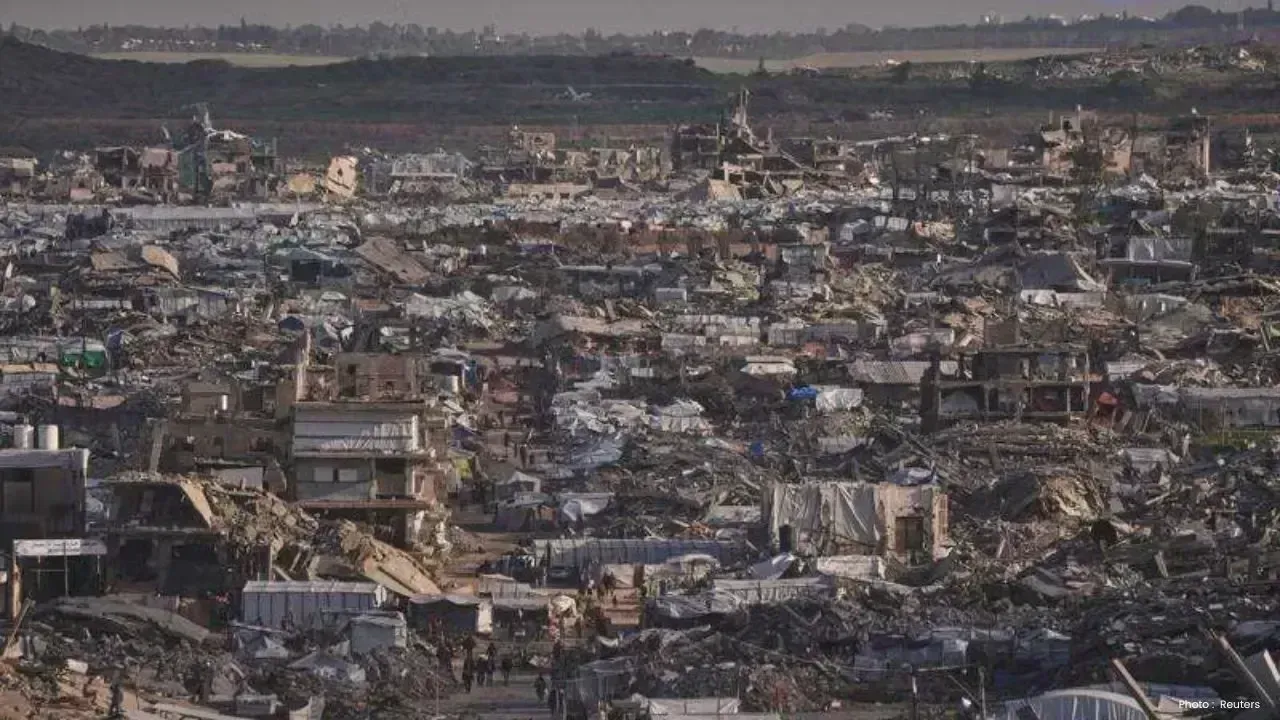
Rebuilding efforts in Gaza pose yet another significant obstacle. The infrastructure has been ravaged, the majority of the two million residents are displaced, and unemployment rates soar. The United Nations estimates that reconstruction will demand about $70 billion, yet no transparent funding strategy has been presented, casting doubts on the timeline and feasibility of these efforts.
The pace of Israeli troop withdrawals also remains uncertain. Israel currently exercises control over a substantial portion of Gaza and stipulates that future withdrawals hinge on progress towards demilitarization. There are no concrete schedules, and Israel may refrain from additional pullbacks if it perceives ongoing security threats.
The plan also advocates reforming the Palestinian Authority and drafting conditions for future statehood. Palestinian officials insist reforms are underway, but Israel vehemently opposes establishing a Palestinian state and dismisses any potential role for the authority in Gaza. Without a credible political path ahead, support for the plan among the Palestinian public may dwindle rapidly.
Trump’s ceasefire initiative lays out an ambitious vision, yet aspirations alone are insufficient. Absent of defined timelines, prior commitments, and mutual trust among the conflicting parties, the second phase risks falling into stagnation or collapse. The future of Gaza hinges on whether diplomatic endeavors can navigate the longstanding issues of conflict, distrust, and unfulfilled promises.
The upcoming weeks will be crucial as the plan progresses, determining whether this effort culminates in enduring peace and recovery or leads Gaza back to uncertainty, hardship, and violence.
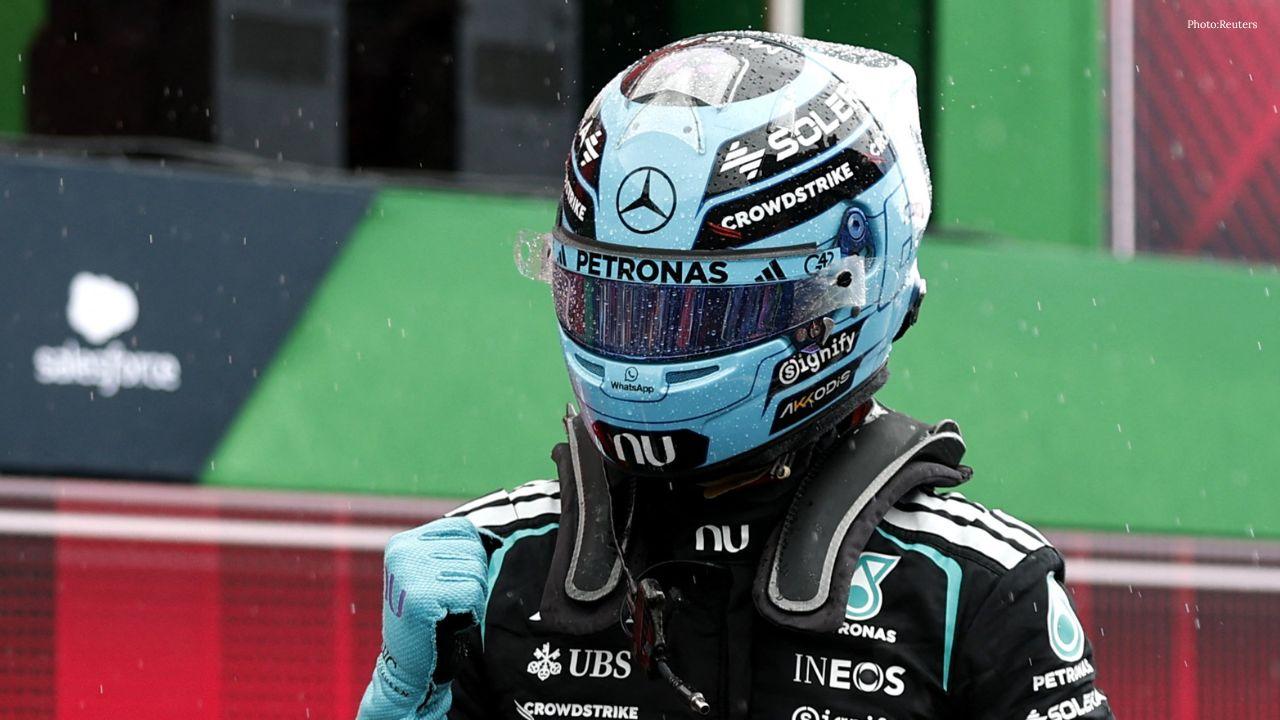

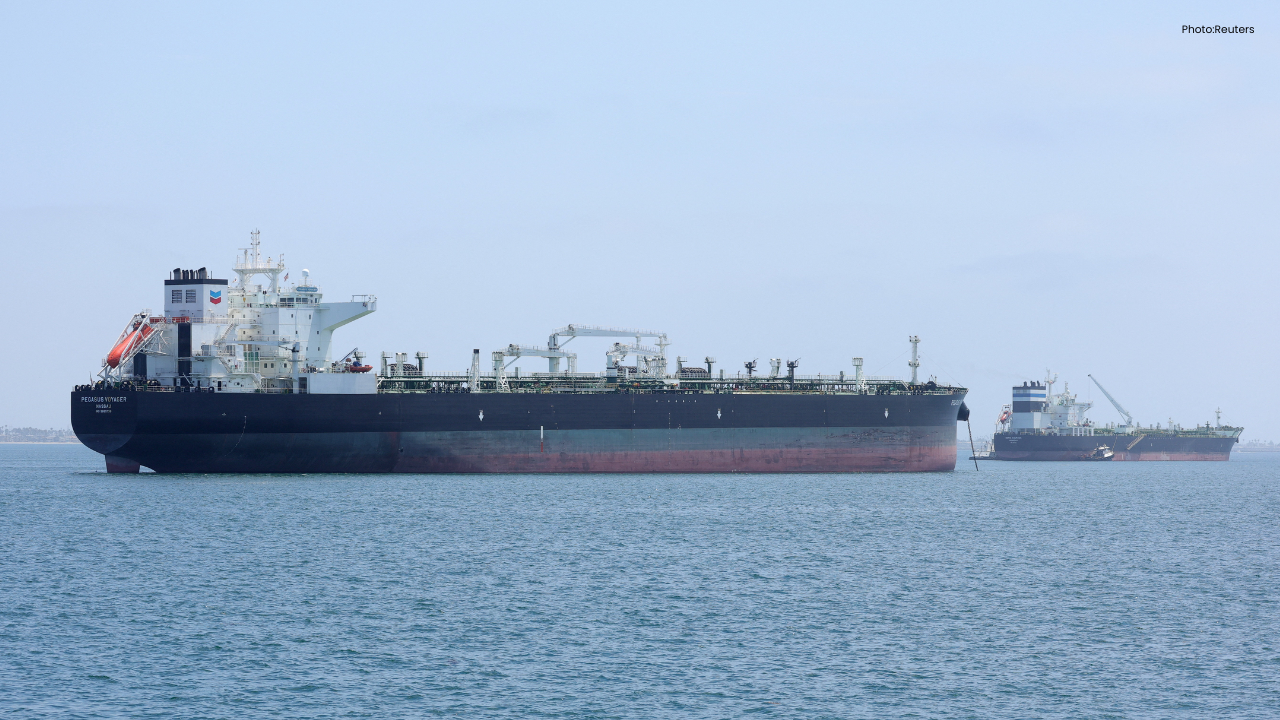



George Russell Wins Dutch GP Sprint, Boosts Mercedes Morale
George Russell wins the Dutch GP Sprint from pole as Mercedes teammate Kimi Antonelli extends his F1

Australia 50/3 After Bangladesh Bowled Out for 64 in Second Test
Australia reached 50/3 after Bangladesh were bowled out for 64 in the second Test, with Mitchell Sta

Jordan Burroughs Returns to Wrestling with 2028 Olympic Dream
Jordan Burroughs returns to wrestling with Real American Freestyle as the Olympic champion eyes a po
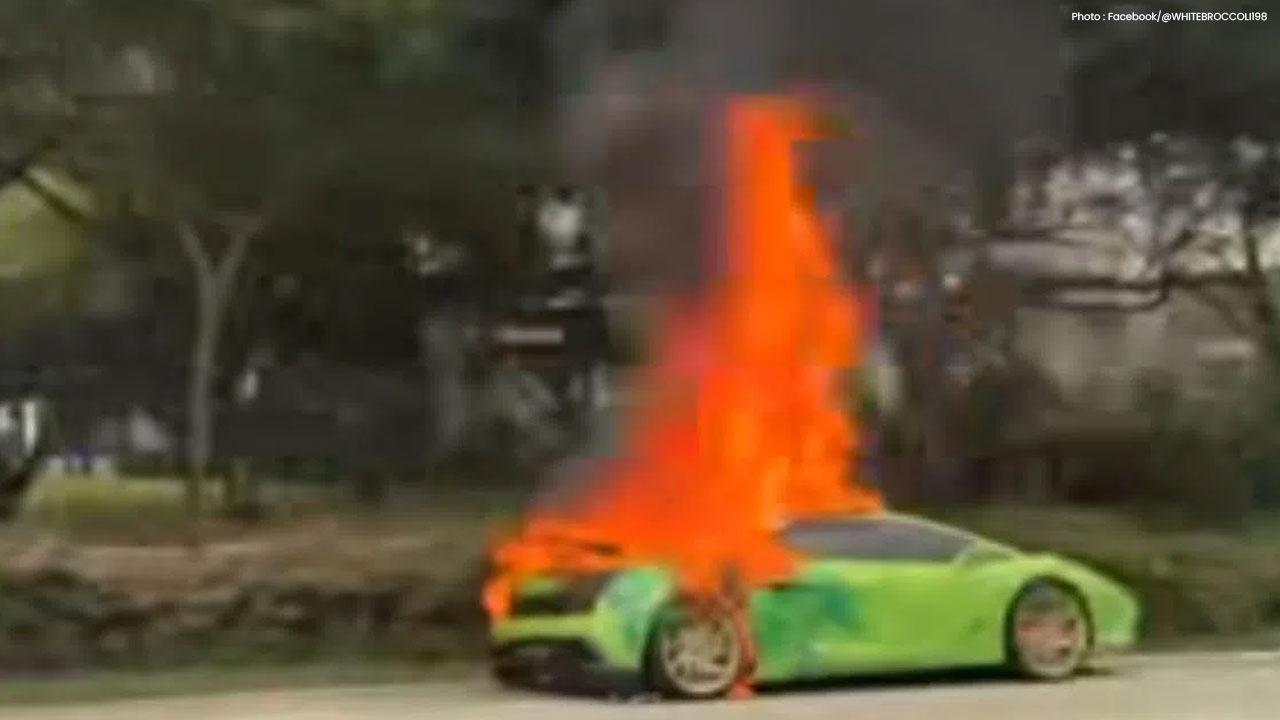
Lamborghini Catches Fire on Singapore's ECP, Causing Heavy Traffic
A Lamborghini caught fire on Singapore's ECP, causing heavy traffic and bus delays. No injuries were
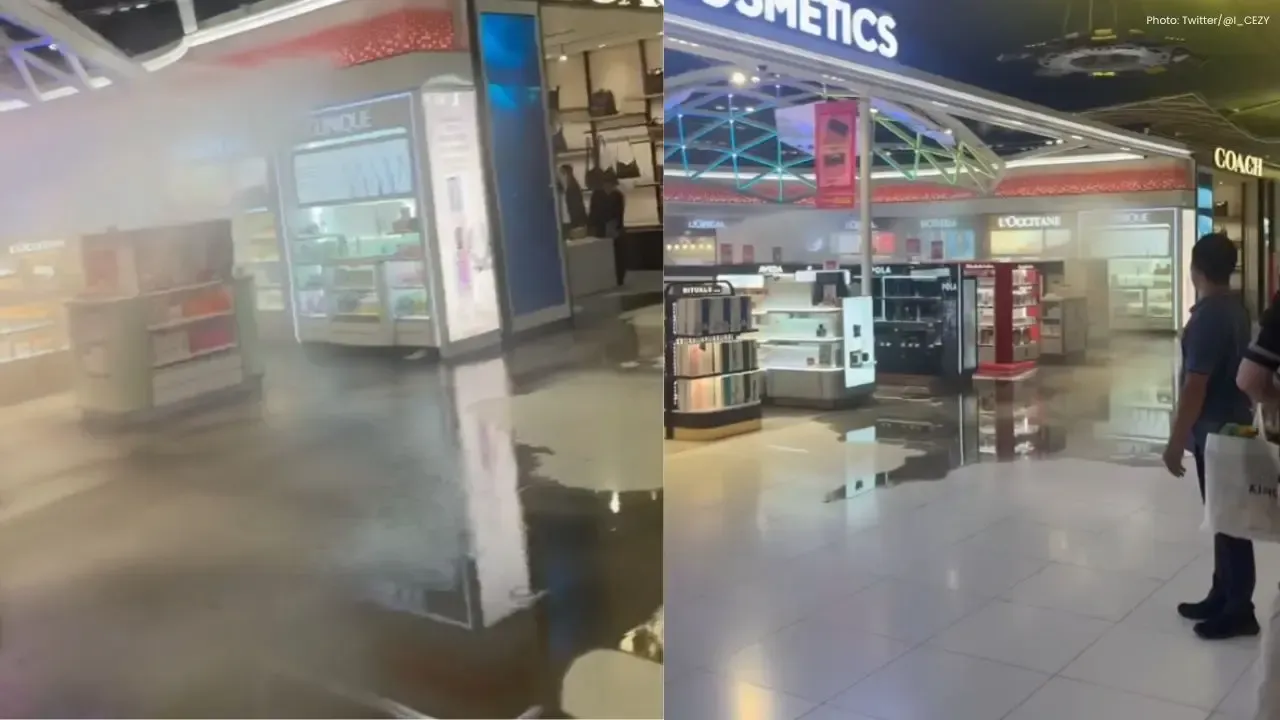
Bangkok Airport Duty-Free Area Flooded by Pipe Burst
A burst water pipe flooded the duty-free shopping area at Bangkok's Suvarnabhumi Airport on July 16,
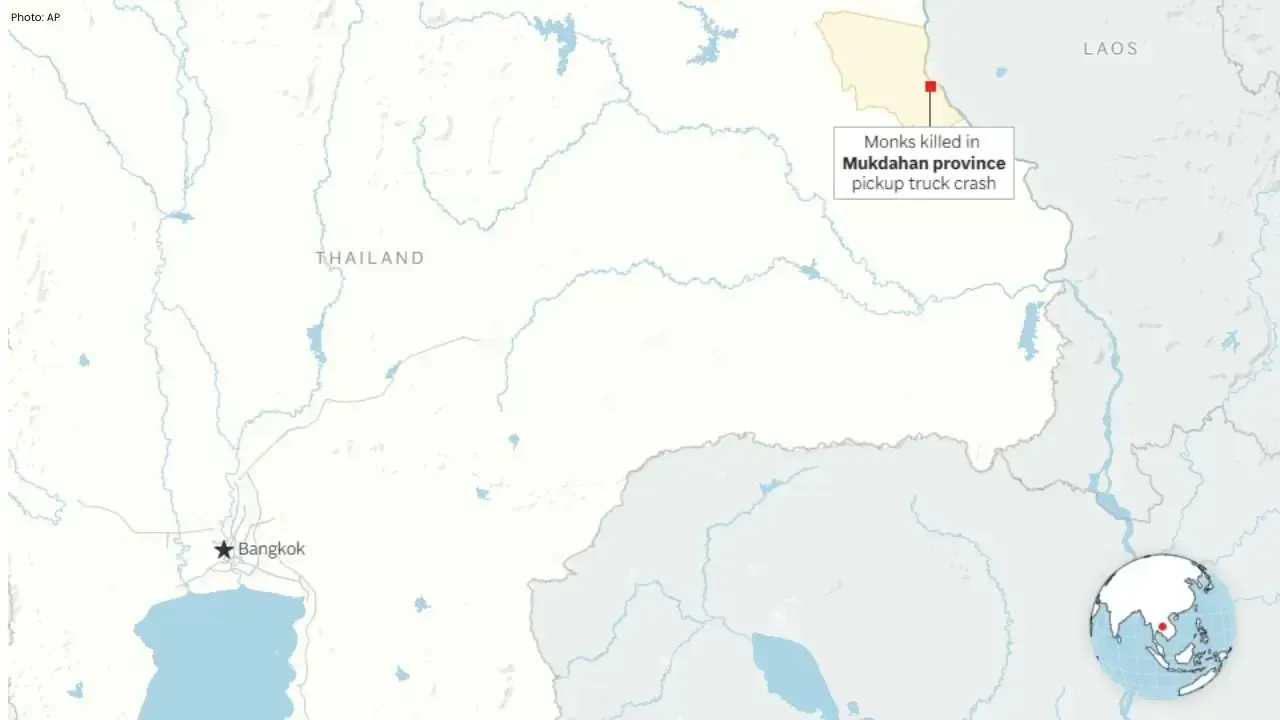
Nine Monks Killed in Thailand Pickup Truck Tragedy
An 11-year-old boy driving a pickup truck crashed into monks during a pilgrimage in northeastern Tha