You have not yet added any article to your bookmarks!
Join 10k+ people to get notified about new posts, news and tips.
Do not worry we don't spam!
Post by : Saif Rahman
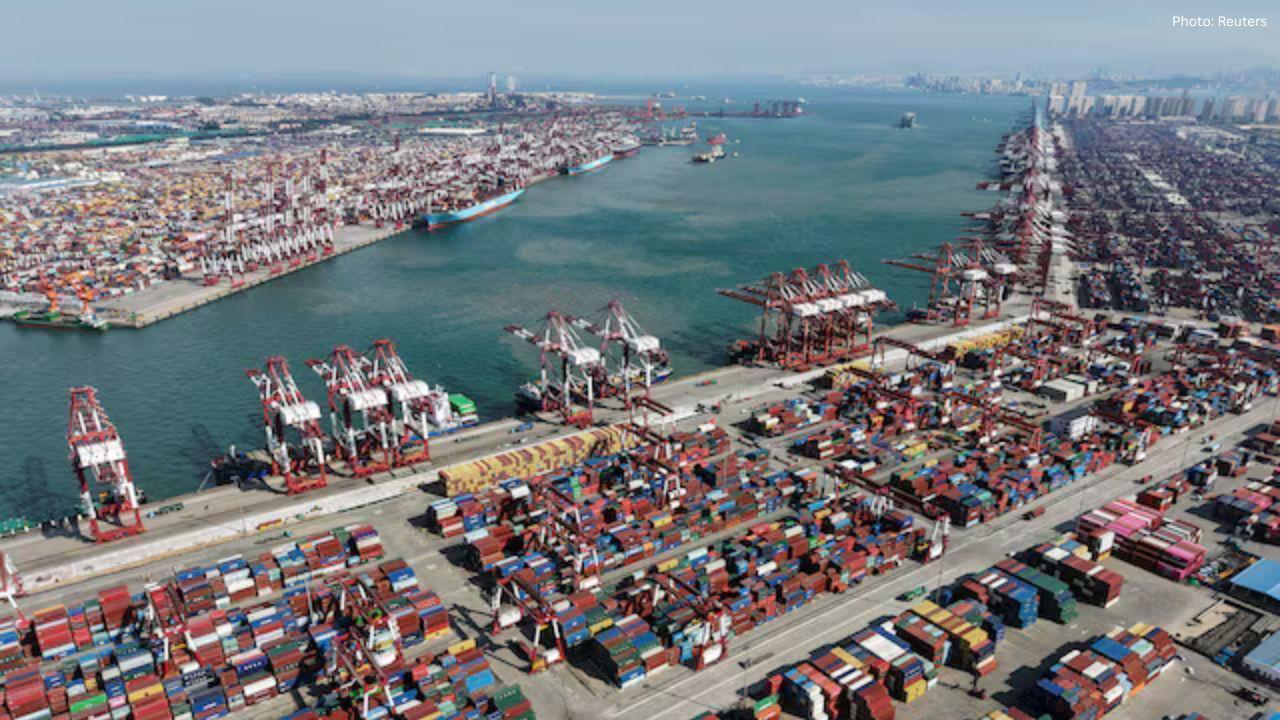
China has revealed plans to reduce import tariffs on various goods beginning in 2026. This initiative is part of a comprehensive strategy aimed at uplifting domestic industries, enhancing access to essential materials, and lowering costs for critical medical supplies.
On Monday, the Customs Tariff Commission of the State Council announced that these tariff reductions will affect hundreds of products. The revisions will be effective within the coming year and will encompass both industrial resources and healthcare-related items.
One pivotal aspect of this new policy focuses on resource-driven commodities. China plans to lower duties on recycled black powder used in lithium-ion batteries, crucial for producing batteries for electric vehicles, smartphones, and energy storage systems. The intention behind reducing these tariffs is to bolster China's rapidly expanding battery sector while promoting recycling and sustainable resource management.
The reductions will also benefit several medical products, such as artificial blood vessels and diagnostic kits for infectious diseases. Decreased import taxes on these goods may help healthcare facilities lower expenses and enhance patient care, potentially increasing the accessibility of advanced medical tools nationwide.
In total, China is set to implement provisional import tariff rates for 925 products, which will be lower than the baseline "most-favoured-nation" tariffs applied to goods imported from World Trade Organization member nations. Such provisional rates are frequently utilized by China to fulfill specific policy ambitions, including promoting innovation, securing supply chains, or safeguarding public health.
Experts point out that this decision exemplifies China's intention to harmonize economic growth with long-term strategic planning. Lowering tariffs on essential materials and medical goods can help manufacturers reduce production costs and remain competitive. Meanwhile, more affordable medical imports can alleviate pressure on the healthcare system.
This move may also extend its effects beyond the borders of China. Reduced tariffs could stimulate more trade with international suppliers, including producers of battery materials and medical equipment, enhancing China's trade connections and bolstering global supply chains.
Amid uncertain global economic conditions, China's tariff strategy indicates a focused and deliberate approach. Instead of sweeping reductions, the country is targeting sectors that foster clean energy, technological advancement, and public health. Starting in 2026, these adjustments are anticipated to play a consequential role in shaping China's trade and industrial frameworks.







Man Jailed for Quran Desecration
A Malaysian court sentences a man to nine months in jail for committing an act deemed insulting to r

China, Pak Missile Threat Flags US Concern
US intel warns China and Pakistan may develop long-range missiles capable of striking American terri

Markets Crash Investors Lose Rs 7.6 Lakh Cr
Sensex and Nifty fall over 2% as rising oil prices global tensions and FPI outflows trigger massive

Qatar LNG Plant Hit Massive Damage Reported
Iranian missile strike damages Ras Laffan LNG hub raising global energy concerns amid escalating Mid
HDFC Bank Shares Drop 5% on Governance Concerns
Stock falls sharply after chairman Atanu Chakraborty resigns citing ethics concerns raising investor
Indonesia to Tighten FX Rules to Support Rupiah
Bank Indonesia plans stricter FX purchase limits and policy changes from April 2026 to stabilize rup