You have not yet added any article to your bookmarks!
Join 10k+ people to get notified about new posts, news and tips.
Do not worry we don't spam!
Post by : Saif Rahman
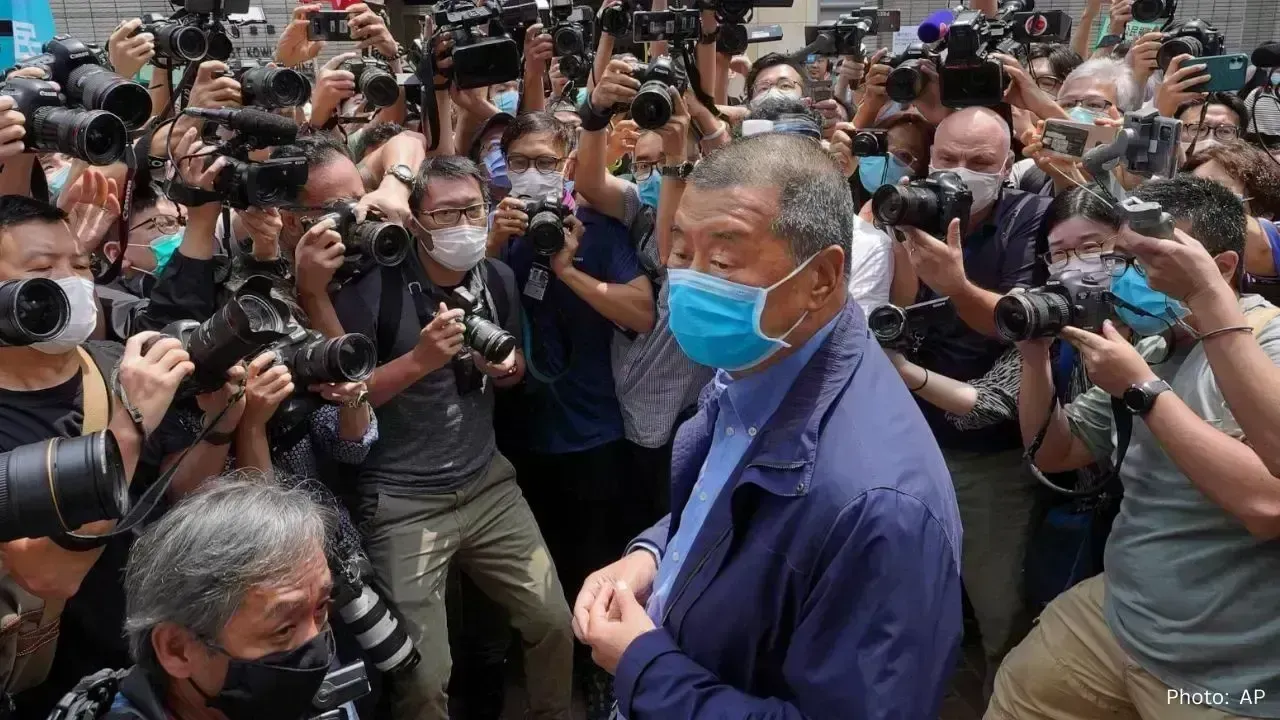
Hong Kong used to be renowned for its vibrant press freedom. Journalists challenged governmental authority, newspapers highlighted issues, and diverse viewpoints were commonplace. However, that scenario has drastically changed. In the last 20 years, the territory has plummeted from 18th to about 140th in global press freedom rankings, indicating a significant transformation in its media sector.
A primary reason for this decline is the shuttering of pro-democracy news outlets and the paralyzing fear among journalists. Since the implementation of the national security law by Beijing in 2020, many reporters express that they face evident restrictions on their writing. Enacted following substantial protests in 2019, the law was defended by authorities as necessary for restoring order. Detractors assert that it erodes essential freedoms, including that of the press.
The situation surrounding Apple Daily is frequently regarded as a pivotal moment. Known for its outspoken criticism of the authorities, the newspaper’s founder, Jimmy Lai, has been arrested and convicted under the national security legislation, facing potential life imprisonment. His trial has drawn the scrutiny of international governments and media organizations, viewed critically as a litmus test for journalism’s viability in Hong Kong. The government insists that the case pertains to national security, not media activities.
In 2021, Apple Daily was compelled to cease operations following police interventions and asset seizures. Concurrently, the online platform Stand News was similarly closed amid arrests and asset freezes, sending a powerful warning to the media sphere. By 2022, the decline in Hong Kong’s press freedom ranking was stark, reflecting rising global concern.
In subsequent years, journalists themselves faced increased targeting. In 2024, two editors from Stand News were found guilty of publishing seditious articles, marking the first legal action against journalists since Hong Kong’s return to Chinese sovereignty in 1997. Such incidents underscored that openly criticizing the government, once a norm, now carries substantial legal implications.
Experts in media report a growing trend of self-censorship among journalists. Many reporters opt to dodge contentious subjects, employ milder language, or refrain from publishing certain articles altogether. The motivations extend beyond politics; numerous media organizations rely on advertising from large corporations, some of which have intimate connections to mainland China. Provoking these entities can jeopardize a media outlet’s very existence.
Another hurdle is the difficulty in finding individuals willing to speak out. Numerous activists, political figures, and even average citizens harbor fears about potential repercussions if they express their opinions. Consequently, journalists often struggle to find reliable sources for their stories. This climate of silence complicates the public’s ability to grasp the realities on the ground.
A tragic apartment fire in late 2025 illustrated this dynamic. Reporters quickly covered the incident, spoke with victims, and inquired about safety measures and governmental oversight. However, warnings soon circulated, leading to arrests and a noticeable decrease in public discourse. Scheduled news events were canceled, online commentaries vanished, and many who had previously voiced their thoughts ceased to do so.
Journalist associations warn that much of this pressure is subtle and indirect. Some reporters endure audits, legal pressures, or harassment, creating an atmosphere of fear that does not require overt restrictions, pushing individuals towards self-censorship.
The Hong Kong government asserts that rights and freedoms are enshrined by law and dismisses allegations of repression. Nevertheless, many journalists contend that the price of fearless reporting has become excessively steep.
Despite these challenges, some media professionals persist in their efforts to report accurately and with integrity. While Hong Kong’s press freedom is markedly diminished, journalists continue to seek ways to operate within an increasingly constricted environment. The future of media in the city hinges on the remaining space available for authentic journalism without the shadow of fear.


George Russell Wins Dutch GP Sprint, Boosts Mercedes Morale
George Russell wins the Dutch GP Sprint from pole as Mercedes teammate Kimi Antonelli extends his F1

Australia 50/3 After Bangladesh Bowled Out for 64 in Second Test
Australia reached 50/3 after Bangladesh were bowled out for 64 in the second Test, with Mitchell Sta

Jordan Burroughs Returns to Wrestling with 2028 Olympic Dream
Jordan Burroughs returns to wrestling with Real American Freestyle as the Olympic champion eyes a po
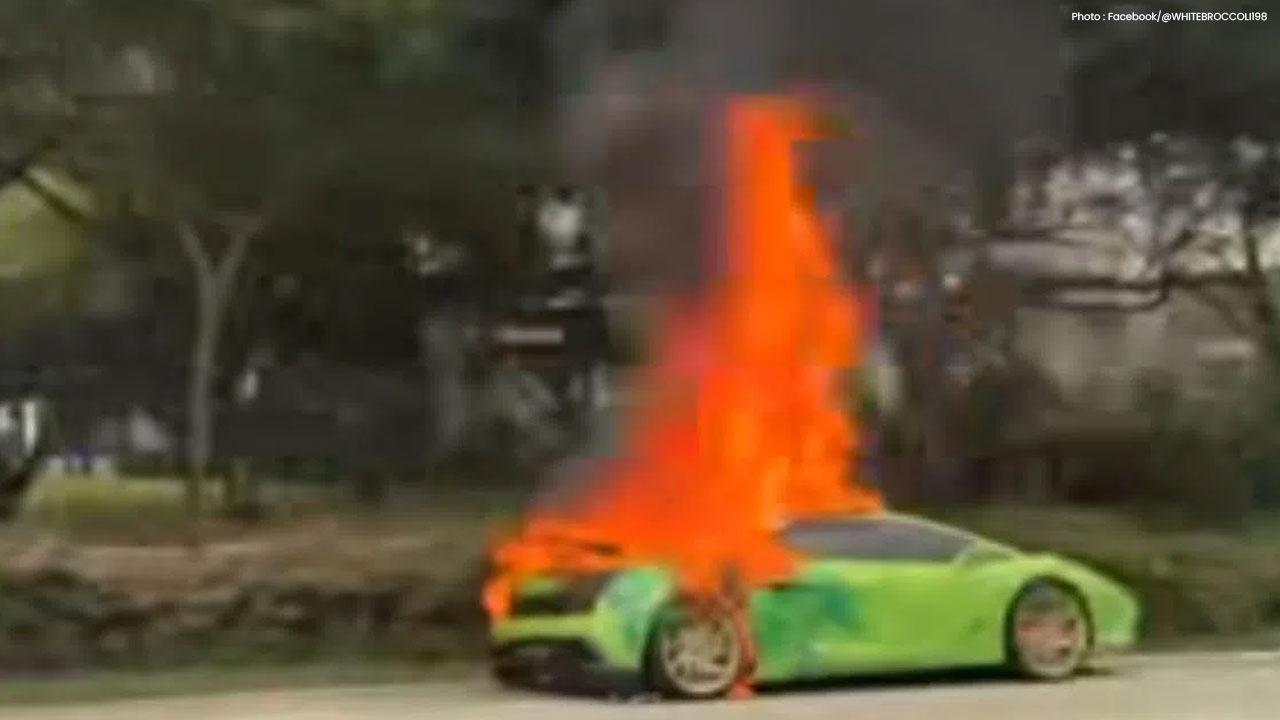
Lamborghini Catches Fire on Singapore's ECP, Causing Heavy Traffic
A Lamborghini caught fire on Singapore's ECP, causing heavy traffic and bus delays. No injuries were
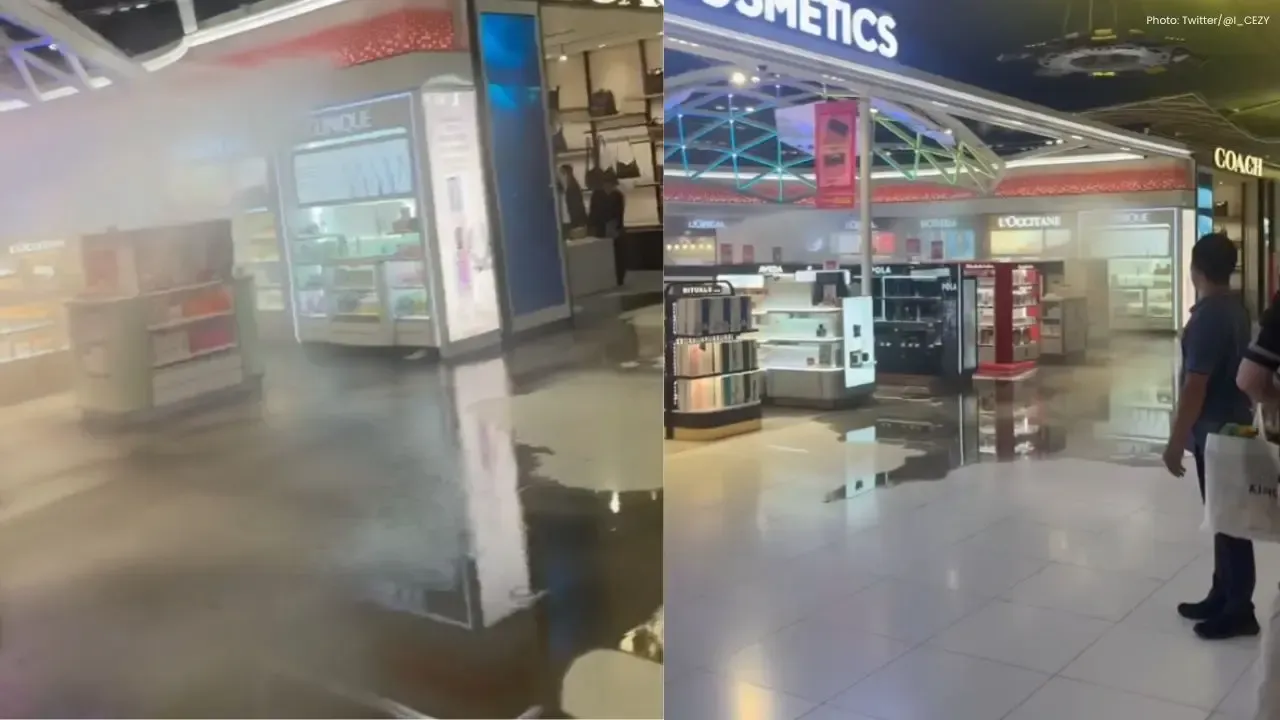
Bangkok Airport Duty-Free Area Flooded by Pipe Burst
A burst water pipe flooded the duty-free shopping area at Bangkok's Suvarnabhumi Airport on July 16,
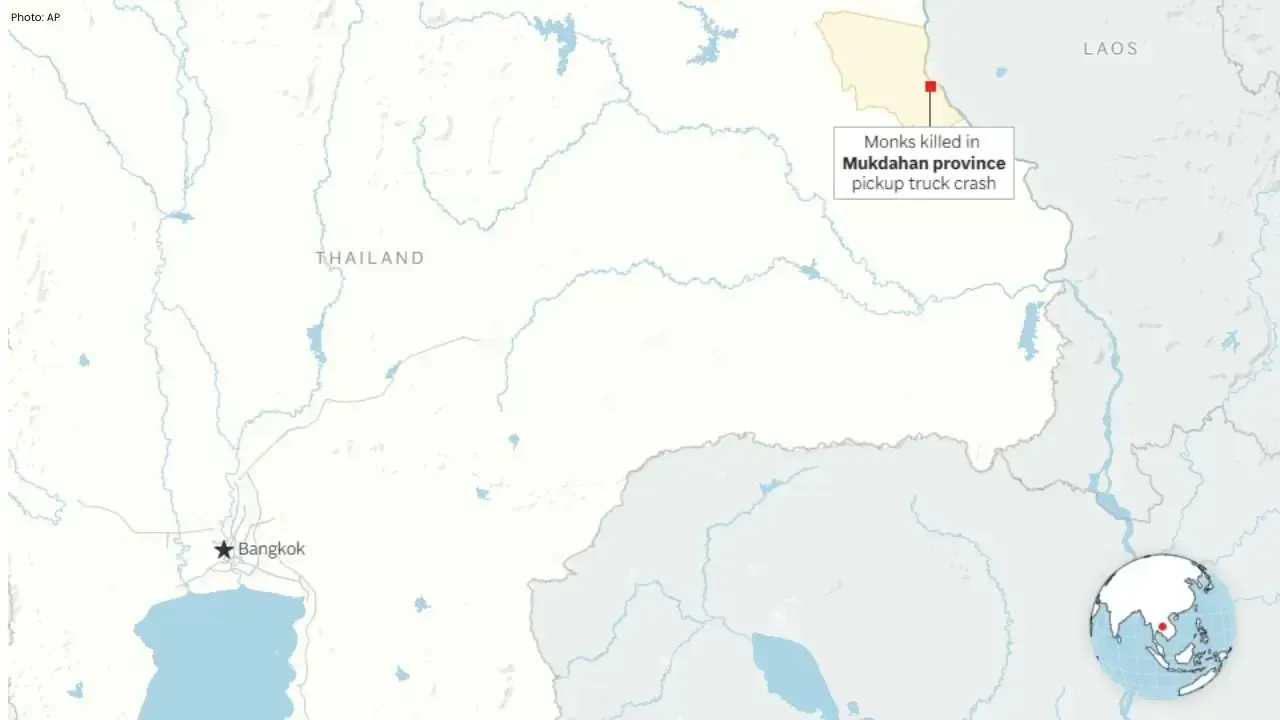
Nine Monks Killed in Thailand Pickup Truck Tragedy
An 11-year-old boy driving a pickup truck crashed into monks during a pilgrimage in northeastern Tha