
You have not yet added any article to your bookmarks!
Join 10k+ people to get notified about new posts, news and tips.
Do not worry we don't spam!
Post by : Saif Rahman
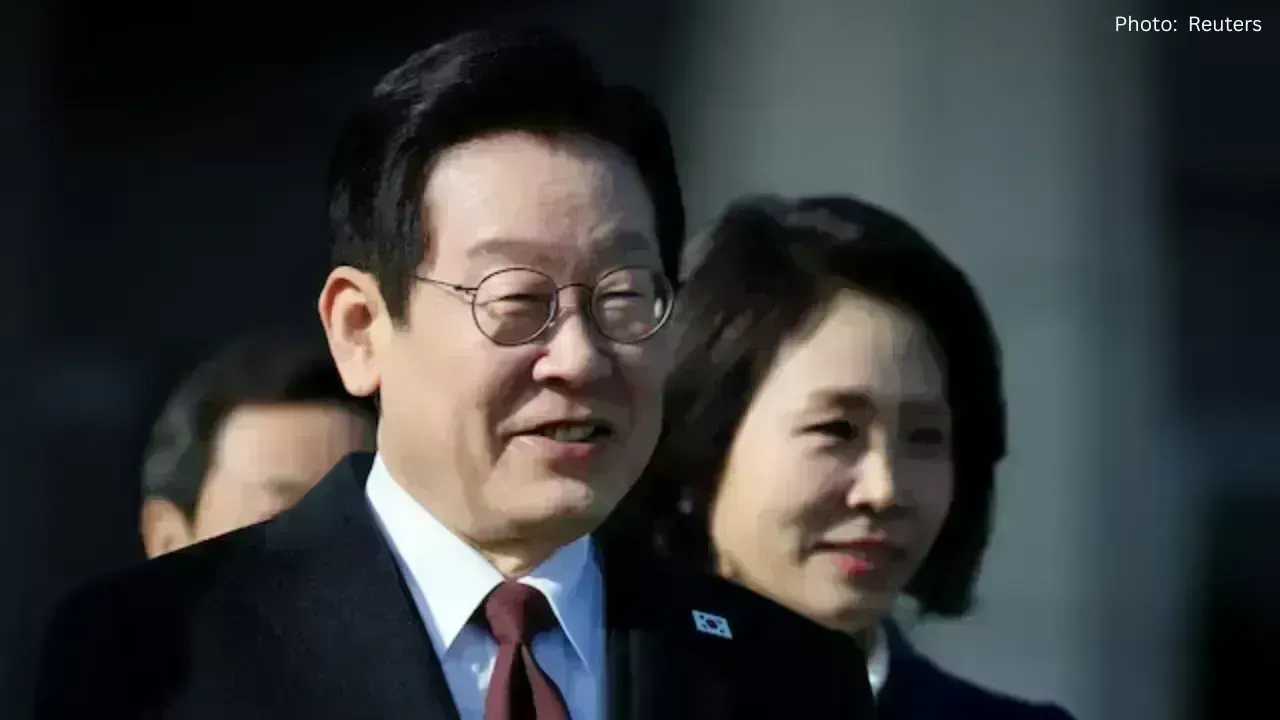
President Lee Jae Myung of South Korea is set to visit Japan for a crucial summit with Prime Minister Sanae Takaichi, occurring just a week after his meeting with Chinese President Xi Jinping in Beijing. The overlapping dates of these discussions underline South Korea's strategic intention: to foster amicable and consistent relations with both neighboring nations.
This summit will take place in Nara City, Japan, amidst escalating tensions between China and Japan, particularly concerning security matters and Taiwan. South Korea is navigating this situation with caution, aiming for neutrality to promote peace, trade, and regional stability.
Lee defines his foreign policy as “pragmatic diplomacy,” emphasizing practical engagement with significant global players. His simultaneous visits to China and Japan exemplify this strategy, as South Korea actively seeks collaboration over discord.
Experts suggest that Japan may leverage this summit to reaffirm its robust alliances with the United States and South Korea, while South Korea is expected to refrain from overtly siding with Japan against China. Lee has signaled that both nations are vital partners for South Korea.
Additionally, North Korea is anticipated to emerge as a significant topic in their discussions, especially concerning nuclear developments on the Korean Peninsula and the plight of Japanese citizens abducted by North Korean forces—issues that bear on regional security.
However, analysts predict that advancements in economic and technology sectors may emerge more readily. The leaders might deliberate on potential collaborations involving artificial intelligence, semiconductor production, intellectual property, and facilitating business travel, thereby bolstering economic growth and job creation.
This visit is a component of “shuttle diplomacy,” characterized by frequent leader interactions to reinforce ties. Even without substantial agreements, regular dialogues serve to nurture trust and avert future challenges.
Lingering historical grievances, including Japan’s colonial rule over Korea, remain relevant, though they may not dominate this visit’s discussions; nonetheless, these issues resonate sensitively with many South Koreans.
Ultimately, President Lee's visit conveys a pivotal message: South Korea advocates for balance, dialogue, and cooperation in a historically competitive region. By engaging with both China and Japan, Seoul aims to uphold peace, encourage development, and ensure a stable future.










PM Modi Pays Tribute to Mahatma Gandhi, Urges People to Support Khadi
PM Modi pays tribute to Mahatma Gandhi on Gandhi Jayanti and urges citizens to support Khadi and the

Amazon Seeks to Offload $8 Billion in Nvidia Chips to Investors
Amazon plans to move $8 billion in Nvidia chips to investors, using a new financing model to strengt

Samsung Raises Galaxy S26 Prices as Memory Chip Costs Rise
Samsung raises Galaxy S26 prices in South Korea as rising memory chip costs put pressure on smartpho

Lewis Hamilton Calls Singapore Grand Prix One of F1's Toughest Races
Lewis Hamilton discusses the demanding Singapore Grand Prix and brings Plus44 and Almave to Singapor

Denmark's Pandora Opens World's Largest Jewellery Factory in Vietnam
Pandora opens its largest jewellery factory in Vietnam, expanding global production, strengthening s

Gautam Gambhir Questions Batting-Friendly Pitches After India's Record ODI Chase
Gautam Gambhir questions batting-friendly ODI pitches after India’s record chase, calling for a bett

