
You have not yet added any article to your bookmarks!
Join 10k+ people to get notified about new posts, news and tips.
Do not worry we don't spam!
Post by : Anis Farhan
Over the past few years, wellness has moved beyond clinics, gyms, and luxury retreats into everyday homes. Real search data reflects a growing preference for accessible, affordable, and personalized health solutions. Instead of relying solely on professionals or packaged programs, people are actively searching for ways to manage stress, improve fitness, and care for their bodies using tools they already have.
This surge in DIY wellness searches is not driven by trends alone. Rising healthcare costs, time constraints, digital access to information, and a deeper awareness of preventive health have all played a role. People want control over their routines and are increasingly skeptical of one-size-fits-all solutions. Search queries reveal that wellness today is about sustainability, flexibility, and self-education rather than quick fixes.
Search interest in breathwork has grown steadily, especially for phrases related to anxiety relief, emotional regulation, and sleep improvement. People are searching for breathing techniques that can be practiced anywhere, without equipment or subscriptions.
This trend reflects a broader shift toward nervous system regulation. Breathwork appeals because it is simple, private, and immediate. Many users are drawn to techniques that promise calm within minutes, particularly during work breaks or before bedtime. The popularity of guided breathing routines suggests that people want structure without long-term commitment.
Searches related to journaling prompts, emotional journaling, and mental clarity routines indicate that writing has become a popular self-therapy tool. Users are not just journaling casually; they are looking for specific frameworks that address stress, burnout, gratitude, and self-reflection.
This rise shows that people want to process emotions independently, without formal therapy. Journaling is perceived as safe, low-pressure, and deeply personal. Search data suggests that many users see it as a daily mental hygiene practice rather than an occasional activity.
Search behavior reveals strong interest in natural sleep solutions, including herbal teas, magnesium routines, bedtime rituals, and screen-free habits. People are actively seeking alternatives to medication, preferring lifestyle adjustments that support long-term sleep health.
This trend highlights a growing understanding of sleep as a foundational pillar of wellness. Users are no longer just searching for “how to sleep fast” but for sustainable routines that improve sleep quality over time. DIY sleep optimization is becoming a form of self-care that blends science with personal experimentation.
Searches around nighttime routines, sleep hygiene checklists, and calming pre-bed habits have surged. People are curious about how lighting, temperature, sound, and timing affect sleep. This indicates a shift from reactive fixes to proactive planning.
The popularity of these searches suggests that wellness seekers are treating sleep as a skill that can be trained rather than a passive state. DIY sleep routines allow individuals to test what works best for their bodies without external intervention.
Search data shows high demand for bodyweight workouts, low-impact routines, and beginner-friendly exercises. People are actively looking for ways to stay fit at home without expensive equipment or gym memberships.
This trend reflects inclusivity in wellness. Not everyone wants high-intensity training. Many users are searching for sustainable movement practices that support joint health, flexibility, and consistency. DIY fitness is becoming less about aesthetics and more about longevity and comfort.
Searches for short workouts, ten-minute routines, and desk-friendly exercises suggest that time efficiency is a major factor. People want movement that fits into busy schedules rather than structured workout blocks.
This behavior points to a mindset shift where movement is integrated into daily life instead of isolated. DIY fitness is no longer confined to dedicated workout hours; it is woven into workdays, mornings, and evenings.
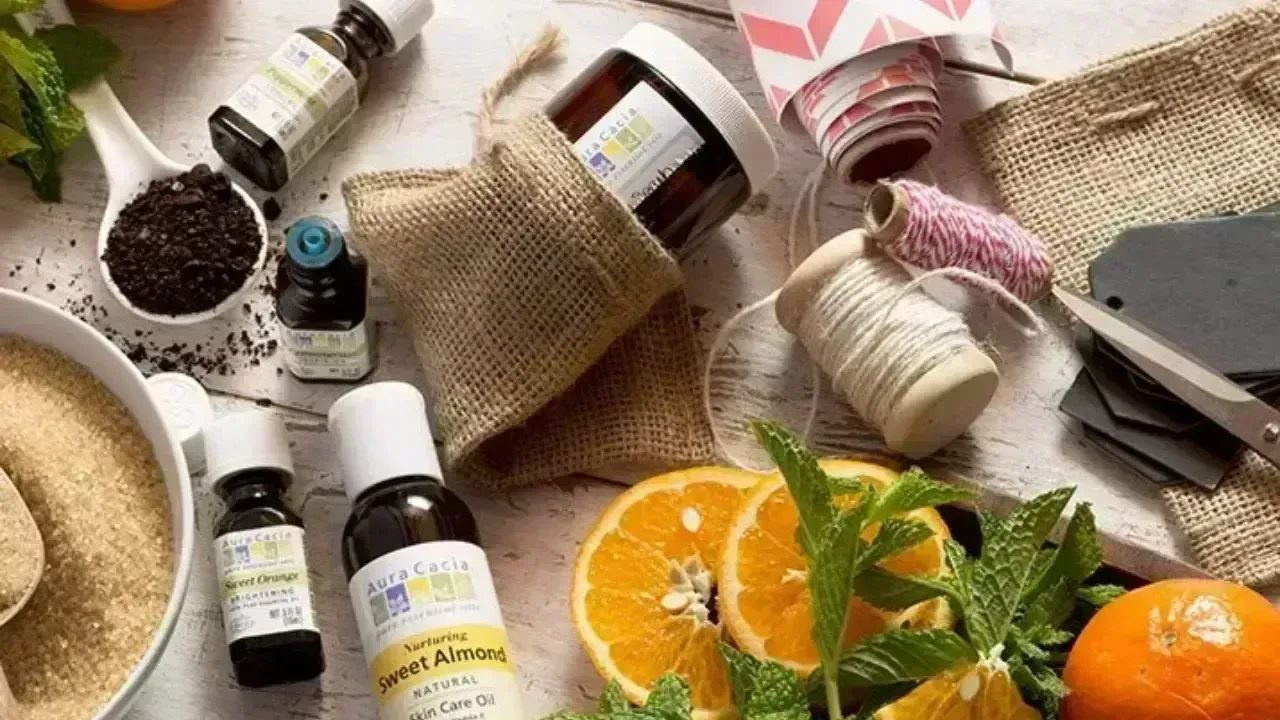
Search interest in homemade face masks, natural exfoliants, and oil-based skincare routines continues to grow. Users are exploring ingredients like honey, aloe vera, oatmeal, and plant oils, driven by concerns over chemicals, cost, and skin sensitivity.
This trend reflects a desire for transparency and control. People want to know exactly what goes on their skin. DIY skincare allows experimentation and personalization, especially for those with specific skin concerns.
Searches for simple skincare routines and minimal beauty regimens indicate fatigue with complex, multi-step systems. Users are looking for fewer products with multiple benefits.
This aligns with broader wellness values of simplicity and sustainability. DIY beauty practices often emphasize consistency over novelty, encouraging users to focus on basic care rather than constant product rotation.
Search data shows strong interest in gut health topics, particularly natural remedies such as fermented foods, fiber-rich meals, and herbal solutions. People are increasingly curious about digestion as a cornerstone of overall health.
This reflects growing awareness of the gut-mind connection. DIY gut wellness searches often combine nutrition, routine timing, and stress management, indicating a holistic approach rather than isolated fixes.
Searches for homemade probiotic foods suggest that people are experimenting with traditional practices. This trend points to a revival of ancestral wellness methods adapted for modern lifestyles.
DIY fermentation appeals because it combines nutrition, creativity, and self-sufficiency. Users enjoy the process as much as the perceived health benefits.
Search interest in cold showers and cold exposure routines has risen sharply. People are curious about benefits related to energy, mood, and resilience. This trend shows a willingness to engage in discomfort for perceived long-term gains.
DIY cold therapy is appealing because it requires no special tools and promises mental toughness along with physical benefits. Search patterns suggest that users are cautiously experimenting rather than committing to extreme practices.
Searches related to warm baths, heat packs, and muscle relaxation techniques indicate parallel interest in comfort-based wellness. Heat therapy is often associated with recovery, sleep, and stress relief.
The coexistence of cold and heat trends highlights personalization. DIY wellness is not about universal rules but about finding what feels effective and manageable.
Search data shows rising concern around screen time, focus issues, and digital overload. People are actively looking for ways to disconnect without abandoning technology entirely.
DIY digital detox practices include scheduled breaks, phone-free hours, and attention-training exercises. This reflects awareness that mental wellness is closely tied to how attention is managed.
Searches around intentional media consumption suggest that users want better control over what they consume, not just less of it. DIY attention wellness emphasizes quality over quantity.
This trend signals a deeper understanding of mental health as something shaped by daily inputs, not just internal states.
Search behavior indicates a move away from rigid diets toward balanced meal planning. People are searching for simple, sustainable eating patterns rather than restrictive rules.
DIY nutrition focuses on adaptability. Users want guidance that fits real life, including busy schedules and cultural preferences.
Searches for meal prep ideas linked to energy, productivity, and mood suggest that food is being viewed as functional fuel. DIY wellness seekers are connecting nutrition to mental clarity and emotional stability.
This reflects a more integrated view of health, where food supports daily performance rather than just physical appearance.
Search behavior offers unfiltered insight into what people genuinely care about. Unlike curated social media trends, searches often reflect private concerns and practical needs. The rise of DIY wellness searches suggests a desire for autonomy, trust in self-learning, and skepticism toward overly commercialized solutions.
People are not rejecting professional care; they are supplementing it. DIY wellness fills gaps where access, cost, or time make traditional options less feasible. It empowers individuals to take small, consistent actions that align with their lifestyles.
DIY wellness is likely to continue evolving toward personalization and evidence-based simplicity. As people become more informed, searches will shift from basic “how-to” queries to refinement and optimization.
The future of wellness appears to be hybrid: informed by science, guided by data, and shaped by individual experience. DIY practices will remain central because they offer flexibility, affordability, and a sense of ownership over health.
Disclaimer:
This article is based on observed search behavior and general wellness trends. It does not replace professional medical advice. Individuals should consult qualified professionals for personalized health concerns.









Google Signs 3.6-GW Power Deal With Constellation Energy in US
Google signs a 3.6-GW power deal with Constellation Energy, including nuclear power upgrades to supp

Harmanpreet Kaur Steps Down as India Captain Across All Formats
Harmanpreet Kaur steps down as India captain across all formats after a remarkable leadership journe

Michael Bracewell Chooses Casual Contract, Targets BBL Opportunity
Michael Bracewell moves to a casual contract as he eyes a BBL opportunity while remaining available

Tuchel Says Alex Scott Can Challenge Declan Rice for England Midfield Spot
Thomas Tuchel says Alex Scott can challenge Declan Rice for an England midfield place after his impr

Air Quality Turns Unhealthy in Central and Western Singapore Amid Haze
Singapore haze pushes PSI above 100 in central and western areas as smoke from regional hotspots rai

PM Modi Pays Tribute to Mahatma Gandhi, Urges People to Support Khadi
PM Modi pays tribute to Mahatma Gandhi on Gandhi Jayanti and urges citizens to support Khadi and the

