
You have not yet added any article to your bookmarks!
Join 10k+ people to get notified about new posts, news and tips.
Do not worry we don't spam!
Post by : Shweta
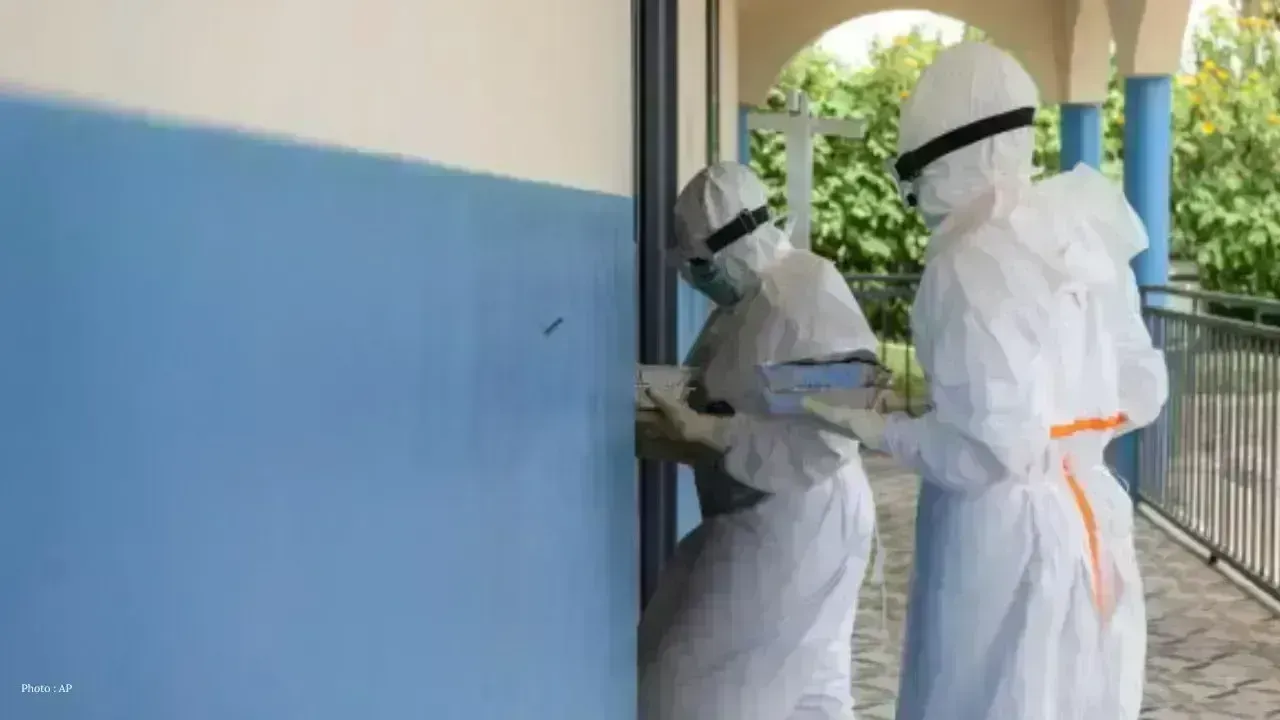
Health authorities are raising alarms about the latest Ebola outbreak in the Democratic Republic of the Congo (DRC), cautioning that containment efforts could extend over several years. This situation poses significant threats to public health, local communities, and regional stability, particularly in remote areas where healthcare access is limited and response efforts are exceptionally challenging.
An immediate response has been mobilized by national health officials alongside international aid organizations and medical experts, all striving to curb further transmission. Despite advancements in Ebola treatment and vaccination strategies, professionals indicate that various factors hinder containment. Key issues include inadequate healthcare infrastructure, population movement, security challenges, and difficulties in reaching affected communities.
Ebola, a severe and often fatal virus, spreads through direct contact with the bodily fluids of infected individuals or contaminated objects. Symptoms can manifest as fever, fatigue, muscle pain, vomiting, diarrhea, and in severe cases, bleeding. While modern medical interventions have significantly improved survival outcomes, Ebola remains one of the most critical infectious diseases globally.
Experts monitoring the ongoing outbreak highlight its unique challenges, primarily due to the inaccessibility of affected regions. Poor transport networks and limited medical facilities considerably hinder efforts to identify new cases, isolate afflicted individuals, and monitor potential exposure. In some locations, healthcare workers face arduous journeys to reach vulnerable populations.
Building community trust is another pivotal concern. Successful outbreak control heavily relies on the cooperation between residents and healthcare teams. Previous Ebola responses have suffered from misinformation, fear, and community distrust. Hence, cultivating strong relationships with local populations is critical to encouraging symptom reporting, treatment seeking, and participation in vaccination efforts.
International organizations are providing essential medical personnel, supplies, and technical aid to support local efforts. Vaccination campaigns are being scaled up in areas with confirmed cases, alongside active contact-tracing operations to identify individuals who may have interacted with the infected. These strategies have proven effective in curbing transmission during previous outbreaks.
Health experts warn that even if case numbers taper off, prolonged monitoring is necessary to confirm the outbreak's resolution. Authorities must ensure all transmission chains are extinguished and swiftly identify any new infections — a process that can extend for months, or even years, in complex environments.
The Democratic Republic of the Congo has faced numerous Ebola outbreaks across decades, fostering a wealth of expertise in managing the disease. Nevertheless, recurrent outbreaks put immense pressure on healthcare systems already grappling with additional infectious diseases and public health concerns.
Medical professionals stress that continued international support is crucial in the coming months. Resources such as funding, vaccines, laboratory testing, protective equipment, and trained personnel are vital for outbreak control and curbing wider spread. Experts warn that without sustained assistance, progress may decelerate, increasing the potential for further transmission.
Currently, there is no indication that this outbreak poses a major global threat; however, vigilance remains essential. Monitoring systems are operational to track cases and avert cross-border transmission, while neighboring nations are enhancing surveillance to swiftly identify any new infections that may arise outside affected areas.
As of now, health officials are concentrating on curbing the outbreak, treating patients, and safeguarding communities at risk. Experts underscore that, despite notable advancements over the years in battling Ebola, this latest outbreak in the DRC highlights that infectious diseases continue to represent long-term challenges. They assert that while controlling the outbreak is achievable, it demands time, resources, and prolonged commitment before the threat is fully eradicated.










PM Modi Pays Tribute to Mahatma Gandhi, Urges People to Support Khadi
PM Modi pays tribute to Mahatma Gandhi on Gandhi Jayanti and urges citizens to support Khadi and the

Amazon Seeks to Offload $8 Billion in Nvidia Chips to Investors
Amazon plans to move $8 billion in Nvidia chips to investors, using a new financing model to strengt

Samsung Raises Galaxy S26 Prices as Memory Chip Costs Rise
Samsung raises Galaxy S26 prices in South Korea as rising memory chip costs put pressure on smartpho

Lewis Hamilton Calls Singapore Grand Prix One of F1's Toughest Races
Lewis Hamilton discusses the demanding Singapore Grand Prix and brings Plus44 and Almave to Singapor

Denmark's Pandora Opens World's Largest Jewellery Factory in Vietnam
Pandora opens its largest jewellery factory in Vietnam, expanding global production, strengthening s

Gautam Gambhir Questions Batting-Friendly Pitches After India's Record ODI Chase
Gautam Gambhir questions batting-friendly ODI pitches after India’s record chase, calling for a bett

