
You have not yet added any article to your bookmarks!
Join 10k+ people to get notified about new posts, news and tips.
Do not worry we don't spam!
Post by : Rohit Dhiman
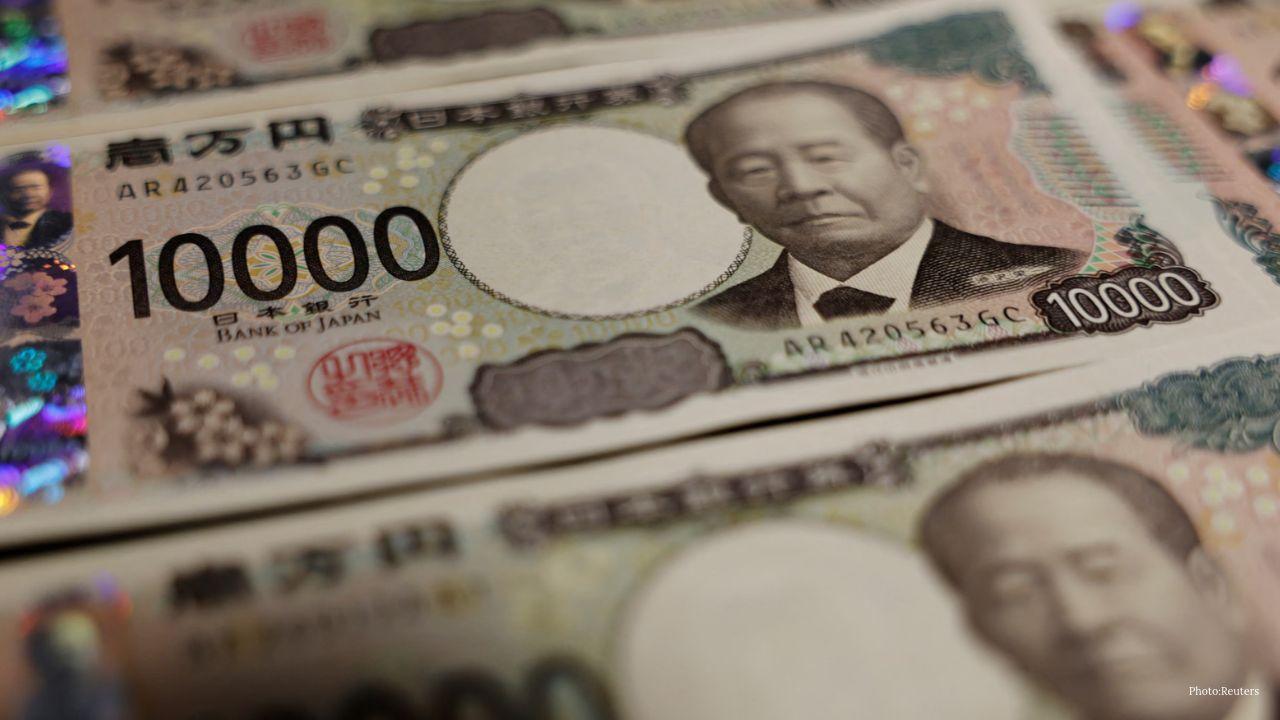
Japanese investors have returned to the international bond market after six consecutive weeks of selling, signalling a shift in investment strategy as technology stocks face significant pressure across global financial markets. Concerns surrounding artificial intelligence (AI) investments, disappointing corporate earnings and uncertainty over future economic conditions have encouraged investors to reconsider their exposure to riskier assets. According to data released by Japan's Ministry of Finance, Japanese investors purchased a net 1.31 trillion yen ($8.31 billion) worth of foreign long-term bonds during the week ended October 31, 2026. This marked their first weekly net purchase of overseas long-term bonds in seven weeks. The change in investment behaviour comes after Japanese investors withdrew a combined 3.51 trillion yen from foreign long-term bonds over the previous six weeks. The latest figures indicate that investors are once again showing interest in longer-term international debt instruments, although they continued to sell some short-term foreign securities. The movement of money between Japanese and overseas markets is attracting attention because Japan is one of the world's major international investing nations. Changes in Japanese investment flows can influence bond demand, currency movements and financial conditions in other economies.
Japan's latest investment figures highlight a significant reversal in the behaviour of domestic investors. During the week ending October 31, Japanese investors became net buyers of foreign long-term bonds, purchasing securities worth 1.31 trillion yen. The amount was equivalent to approximately $8.31 billion, based on the exchange-rate information provided in the report. The purchase followed six consecutive weeks of net selling, during which investors withdrew approximately 3.51 trillion yen from overseas long-term bond markets. However, the change was not uniform across all categories of foreign debt. Japanese investors sold a net 209.3 billion yen worth of foreign short-term bills during the same reporting period. This difference suggests that investors were making selective decisions about the duration of their international bond investments rather than increasing exposure to every category of overseas debt. The return to long-term bond purchases is particularly noteworthy because it occurred during a period of considerable uncertainty in global equity markets.
The recent movement towards foreign long-term bonds comes against the backdrop of a broader decline in technology stocks. Investors have become increasingly cautious about companies that have committed substantial financial resources to artificial intelligence infrastructure, data centres and related technologies. Although AI has generated considerable expectations for future business growth, the scale of investment required has raised questions about profitability, cash flow and the time needed to generate meaningful returns. Disappointing financial developments at some major technology companies have added to these concerns. At the same time, the US Federal Reserve's decision to keep interest rates unchanged has influenced expectations across international financial markets. When uncertainty increases in equity markets, investors often reassess how much risk they are willing to accept. Long-term bonds can provide more predictable contractual payments than equities, although their market prices remain sensitive to interest rates, inflation and credit risks.
The decline in technology shares has been one of the major developments influencing international markets. The Nasdaq Composite Index, which has significant exposure to technology companies, recorded a decline of approximately 2 per cent during the previous week. Concerns increased after major companies, including Amazon and Alphabet, reported substantial cash outflows associated with their business activities and investment requirements. Investors have been closely examining how much money technology companies are spending on artificial intelligence development and infrastructure. Building AI-related infrastructure requires considerable investment in computing equipment, advanced chips, data centres and electricity. While companies expect these investments to support future growth, the financial returns may take time to materialise. Intel also added to market concerns after warning that it expected to burn cash during the year. These developments increased scrutiny of the technology sector, particularly companies whose market valuations depend heavily on expectations of future AI-driven growth.
Read Also: Chris Lynn Completes One-Month Ban After Positive Cocaine Test
The pressure on technology stocks intensified on Thursday, when the Nasdaq Composite Index declined another 5.52 per cent. One factor contributing to investor concerns was the possibility of tougher regulation of artificial intelligence businesses in the United States. The political developments followed Democratic gains that resulted in the party winning control of the US Congress, raising attention around potential changes in the regulatory environment. Investors are particularly sensitive to regulatory developments affecting technology companies because new rules could influence business models, operating costs, competition and future investment plans. Artificial intelligence has become a major area of competition among technology companies, with businesses investing heavily in developing new systems and expanding computing capacity. However, questions surrounding data protection, competition, transparency and the broader impact of AI have increased regulatory attention. The combination of corporate earnings concerns and uncertainty over future regulation has created additional pressure on technology-related investments.
The weakness in US technology shares has coincided with a difficult period for Japanese equities. Japan's benchmark Nikkei 225 index lost approximately 6.14 per cent during the week, reflecting the wider pressure affecting international stock markets. Japanese markets are closely connected to global economic developments because many major companies depend on international demand, overseas supply chains and currency movements. Technology-related businesses also play an important role in Japan's corporate and industrial landscape. As a result, changes in global investor sentiment can affect Japanese shares alongside other international markets. The latest decline has also increased attention on how domestic investors are allocating their money between Japanese equities, foreign stocks and international bonds. However, the movement of capital into bonds does not necessarily mean that investors have completely abandoned equities. Portfolio diversification and adjustments to risk exposure can lead to simultaneous buying across different asset classes.
While Japanese investors increased their purchases of overseas long-term bonds, international investors also directed substantial funds towards Japan's domestic bond market. According to the Ministry of Finance data, foreign investors purchased a net 2.36 trillion yen worth of Japanese bonds during the week. This was the largest weekly investment recorded since March 21. The purchases covered both long-term and short-term Japanese debt instruments. Foreign investors bought approximately 1.48 trillion yen in Japanese long-term bonds, while another 874.7 billion yen went into short-term government bills. The figures demonstrate that international investors maintained strong interest in Japanese fixed-income securities during the reporting period. This simultaneous movement of capital is particularly interesting. Japanese investors increased their purchases of foreign long-term bonds, while overseas investors also expanded their exposure to Japanese bonds. Such transactions reflect the complex nature of international investment flows, where investors consider interest rates, currency expectations, bond yields and economic conditions across multiple countries.
Despite the latest return to foreign long-term bond purchases, Japanese investors have continued to withdraw money from overseas fixed-income investments on a year-to-date basis. The reported figures showed net withdrawals of approximately 4.38 trillion yen from foreign fixed-income instruments so far this year. This represented the largest outflow for the corresponding period since 2022. The contrast between the latest weekly purchases and the broader annual figures is important. Although the latest data indicates renewed demand for foreign long-term bonds, it does not yet establish a lasting reversal in Japan's international investment strategy. Investors may continue adjusting their portfolios depending on developments in global interest rates, inflation, currency markets and economic growth. The coming weeks will help determine whether the latest purchases represent the beginning of a longer-term trend or a temporary response to changing financial market conditions.
Interestingly, the shift towards foreign long-term bonds has not stopped Japanese investors from purchasing international equities. During the same reporting week, Japanese investors bought a net 1.08 trillion yen worth of foreign stocks. This extended their weekly net buying streak to three consecutive weeks. The figures suggest that Japanese investors are continuing to identify opportunities in overseas equity markets despite the recent volatility affecting technology shares. International diversification remains an important part of investment strategies, particularly for investors seeking exposure to different economies, industries and business sectors. At the same time, foreign investors purchased a net 1.13 trillion yen worth of Japanese stocks. This marked the second consecutive week in which overseas investors remained net buyers of Japanese equities. The continued interest in Japanese shares indicates that international investors have not completely withdrawn from the country's stock market despite the recent decline in the Nikkei 225.
The US Federal Reserve's decision to maintain interest rates at existing levels has also remained an important factor for international investors. Federal Reserve decisions influence borrowing costs, bond yields, currency movements and investment conditions around the world. When US interest rates remain unchanged, investors assess how the decision may affect future monetary policy and the relative attractiveness of different financial assets. For Japanese investors purchasing foreign bonds, the relationship between domestic and overseas interest rates can be particularly important. Currency movements also matter because returns from foreign bonds may change when overseas investment earnings are converted back into Japanese yen. As a result, investors must consider not only the interest payments offered by bonds but also possible changes in exchange rates and market prices.









Singapore Warns Users About Privacy and Security Risks of AI Agents
Singapore warns users about AI agent security risks, data privacy, online scams and unauthorised acc

Chris Lynn Completes One-Month Ban After Positive Cocaine Test
Australian cricketer Chris Lynn completes a one-month ban after a positive cocaine test during the T

Djokovic Eyes Strong Season Finish as Health Improves Ahead of Paris Masters
Novak Djokovic reports improved health and performance as he targets a strong Paris Masters finish a

SpaceX in Talks to Buy Boost Mobile or Use Its Network
SpaceX reportedly explores a Boost Mobile deal with EchoStar to expand Starlink Mobile and challenge

Erik ten Hag Warns Manchester United Face Real Relegation Risk
Erik ten Hag warns Manchester United face relegation danger after falling to 17th in the Premier Lea

Auqib Nabi Added to India Squad for First Three New Zealand ODIs
Auqib Nabi replaces injured Prasidh Krishna in India's squad for the first three New Zealand ODIs, s