You have not yet added any article to your bookmarks!
Join 10k+ people to get notified about new posts, news and tips.
Do not worry we don't spam!
Post by : Jyoti Gupta
Photo:Reuters
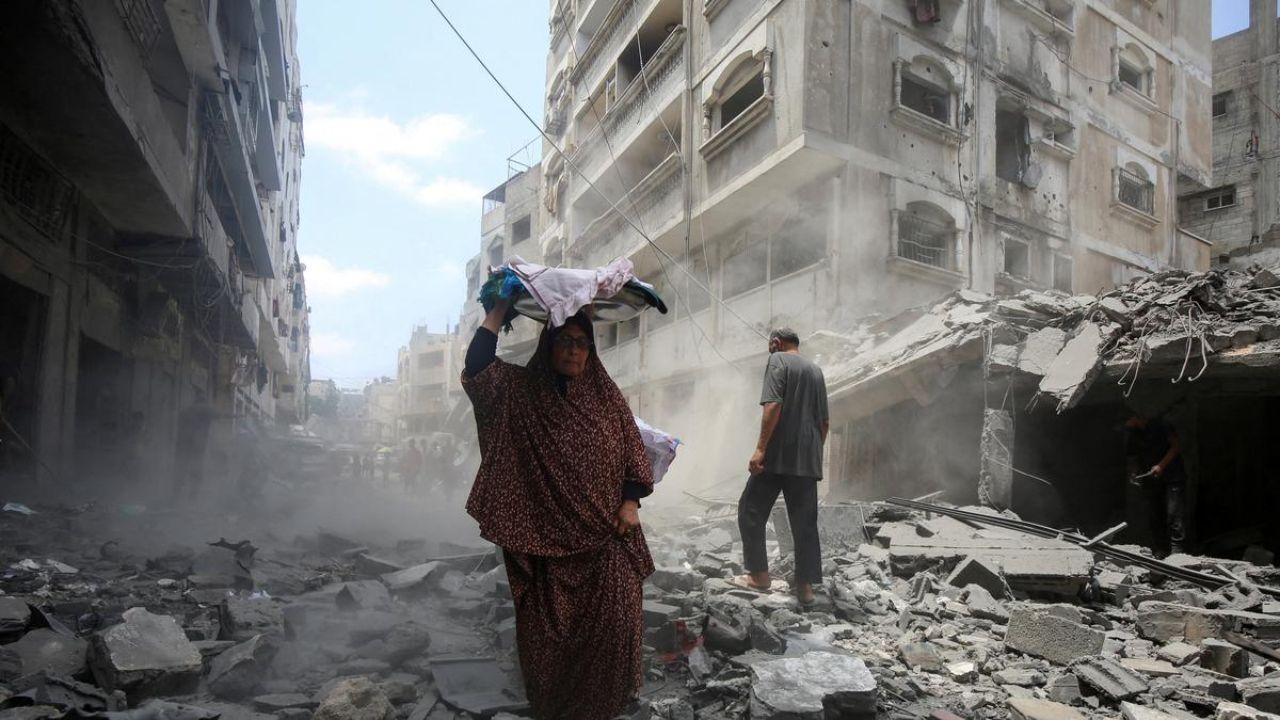
On Friday, August 8, 2025, tensions between Israel and several European governments sharply increased after Israel’s leadership approved a controversial plan to take over Gaza City and take control of security across the entire Gaza Strip.
This decision, which was made during a meeting of Israel’s top ministers, is being described as a major step toward ending the ongoing war. However, leaders across Europe are warning that such a move could make the already severe humanitarian crisis in Gaza far worse.
European Calls for Israel to Rethink the Plan
European leaders have openly expressed concern over Israel’s latest military strategy. They argue that continuing to expand the military campaign will only lead to more suffering for civilians, further damage to Gaza’s infrastructure, and less chance for peace.
The President of the European Commission said that Israel must “reconsider” its decision immediately. She urged for a complete ceasefire and demanded the release of all hostages held since the October 2023 attacks by Hamas. She described the conditions in which these hostages are being held as “inhumane” and stressed that humanitarian aid should reach Gaza without any delays or blockages.
Another senior European official stated that what is happening in Gaza “looks very much” like genocide, intensifying the criticism of Israel’s actions.
U.K. Pushes for Ceasefire and Palestinian State Recognition
The Prime Minister of the United Kingdom also strongly condemned Israel’s decision, calling it “wrong” and urging it to reverse course immediately. He highlighted that every day the humanitarian situation in Gaza worsens, and people are facing dangerous shortages of food, clean water, and medicine.
He said the solution should involve:
The U.K. leader made it clear that Hamas should not have any role in governing Gaza and must be fully disarmed.
Importantly, the U.K. government has already announced that it will recognize Palestine as an independent state in September 2025 at the United Nations General Assembly if Israel fails to take steps to ease the crisis.
France and the Recognition of Palestine
France, another key European power, has also taken a firm stance. In July, the French President declared that France will officially recognize Palestine at the UN in September, becoming the first country among the G7 nations to commit to such a step. This move puts more pressure on Israel, as other countries may follow France’s lead.
Germany Stops Certain Arms Exports to Israel
Germany, which has historically had close ties with Israel because of its responsibility for the Holocaust, made a surprising announcement: it will stop exporting any weapons to Israel that could be used in the Gaza Strip.
Germany is the second-largest arms supplier to Israel after the United States. While the decision doesn’t block all arms sales, it signals a major policy shift.
The German Chancellor explained that while Israel has the right to defend itself from Hamas attacks, the country’s current military push may not help in achieving the main goals — securing a ceasefire, freeing hostages, and preventing Hamas from regaining control.
He also warned Israel against taking steps that could lead to the annexation of the West Bank.
Why This Matters
The statements from the U.K., France, Germany, and the European Union show a clear split between Israel and its traditional allies in Europe. Many European nations have supported Israel in the past, but the growing civilian death toll, worsening humanitarian crisis, and destruction in Gaza have changed the tone of these relationships.
With the UN General Assembly session in September drawing near, the issue of Palestinian state recognition is becoming more central to international diplomacy. If more countries decide to recognize Palestine, it could increase political pressure on Israel to change its military approach.
The Humanitarian Crisis in Gaza
The humanitarian situation in Gaza is extremely severe. People face shortages of food, clean drinking water, medical supplies, and electricity. Many homes and schools have been destroyed, and hospitals are struggling to treat the wounded due to a lack of resources.
International aid agencies have repeatedly called for uninterrupted access to Gaza to deliver life-saving assistance. However, ongoing fighting and security restrictions have slowed the aid process.
Next Steps and Global Reactions
In the coming weeks, all eyes will be on:
The decisions made in this period could shape the future of the Israeli-Palestinian conflict for years to come.




Jordan Burroughs Returns to Wrestling with 2028 Olympic Dream
Jordan Burroughs returns to wrestling with Real American Freestyle as the Olympic champion eyes a po

Lamborghini Catches Fire on Singapore's ECP, Causing Heavy Traffic
A Lamborghini caught fire on Singapore's ECP, causing heavy traffic and bus delays. No injuries were

Bangkok Airport Duty-Free Area Flooded by Pipe Burst
A burst water pipe flooded the duty-free shopping area at Bangkok's Suvarnabhumi Airport on July 16,
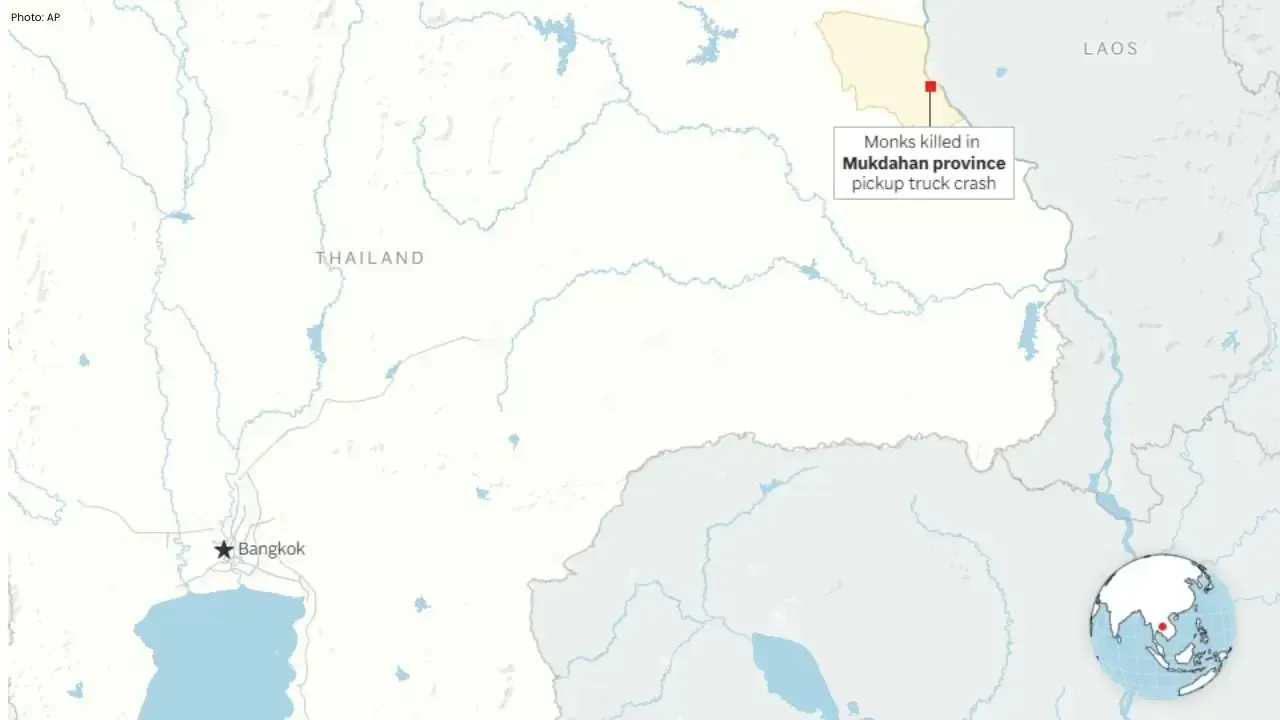
Nine Monks Killed in Thailand Pickup Truck Tragedy
An 11-year-old boy driving a pickup truck crashed into monks during a pilgrimage in northeastern Tha
Anwar Congratulates Xi on CPC's 105th Anniversary
Malaysia reaffirms strong ties with China as PM Anwar Ibrahim sends a congratulatory letter to Presi
Thai Agriculture Team Reviews 2026 Farm Development Plans
Agriculture Ministry officials inspected livestock and organic rice projects in Nakhon Sawan to moni