You have not yet added any article to your bookmarks!
Join 10k+ people to get notified about new posts, news and tips.
Do not worry we don't spam!
Post by : Saif Rahman
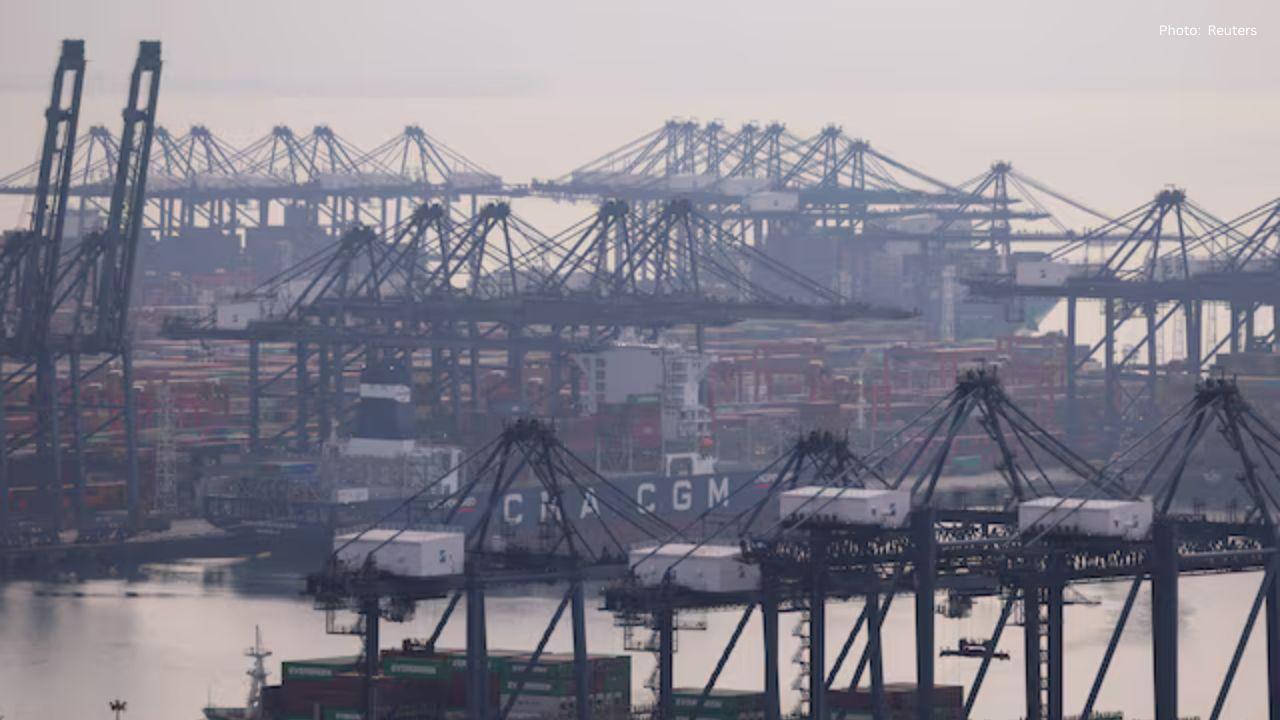
Europe's enterprises are increasingly compelled to reassess their supply chain logistics due to China's strict export regulations. A recent flash survey conducted by the European Union Chamber of Commerce in China indicates these regulations are generating delays and creating an atmosphere of uncertainty, prompting firms to explore safer alternatives outside China. The findings highlight a significant transformation in how European companies perceive their prospects in the world's second-largest economy, especially amidst escalating trade disputes between Beijing and Washington.
According to the survey, around one-third of European businesses are considering relocating their sourcing away from China due to the prolonged processing times for export licences. Notably, 40% of respondents revealed that the Chinese commerce ministry is currently processing these licences at a slower rate than previously promised. This has intensified fears regarding production delays or potential temporary shutdowns—situations that can incur substantial costs for sectors reliant on uninterrupted supply.
Jens Eskelund, president of the chamber, stated that export controls have escalated uncertainty for companies still operating within China. Many are apprehensive that their access to critical materials or components could be suddenly halted. He further noted that these new regulations are exerting additional strain on a global trade system already beset by challenges due to the ongoing U.S.-China trade conflict.
The survey encompassed over 130 firms, including prominent European corporations like BMW, Volkswagen, Nokia, and TotalEnergies. Their concerns stem from recent actions by Beijing, particularly an October announcement indicating the introduction of stricter export controls on rare earth materials. These minerals are vital for producing electric vehicles, defense technology, electronic devices, and renewable energy solutions. Earlier this year, China had halted exports of multiple rare-earth products, leading to global shortages and forcing certain European automakers to cease operations.
This context raises alarm for many businesses regarding the survey's outcomes. Although the recent summit between the U.S. and China in Busan offered a glimmer of hope, analysts believe the situation remains precarious. Alfredo Montufar-Helu of Ankura Consulting expressed skepticism regarding the sustainability of the post-summit optimism. He noted ongoing negotiations over the details of agreements while European entities strive for inclusion, suggesting significant policy changes will take time. During this interim period, global supply chains continue to face hurdles.
Nearly 70% of those surveyed reported that their international operations rely on Chinese products that are now subject to export controls. About half of the exporting enterprises indicated that either their suppliers or customers are engaging with items that may soon face restrictions. Many reported challenges with the licence application process, describing it as opaque, prolonged, and risky, raising alarm over potential intellectual property breaches.
Some firms surveyed recorded significant financial repercussions, with one estimating that delays due to export regulations may lead to a 20% reduction in its global revenue for the year. Another firm anticipates losses exceeding 250 million euros, underscoring the profound effect these export rules can have on multinational enterprises.
However, not all companies experienced the same level of disruption. Over 50 firms indicated that the new regulations would not impact their operations, suggesting some sectors are either insulated or less reliant on the restricted resources.
This scenario underscores a rapidly evolving business landscape. With China leveraging export controls to enhance its negotiating position in trade discussions, foreign firms must prepare for a future where China might no longer be the most dependable supply hub. Given the likelihood of persistent trade tensions between Beijing and Washington, European companies are actively seeking to mitigate the risks of abrupt interruptions by diversifying their supply chains. This strategy could gradually diminish China's pivotal role in the global manufacturing framework.
For now, European enterprises are treading carefully, weighing their reliance on China's substantial industrial framework against the pressing need to safeguard their interests from unpredictable political maneuvers. The upcoming months are critical in determining whether these companies will initiate large-scale production relocations from China or continue awaiting clearer global trade resolutions.
#World #Global Updates #World News #Global Global News world news







Study Warns Using AI for Medical Advice Is ‘Dangerous’ as Users Get Inaccurate Health Guidance
A major new study reveals that artificial intelligence (AI) chatbots and tools may give misleading o
Top Sci-Fi Movies Streaming on Netflix This February: Must-Watch Picks for Genre Fans
A curated news-style guide to the best science fiction films currently available on Netflix in Febru

BCCI Central Contracts Shake-Up: Kohli, Rohit Moved to Grade B as Board Reshapes 2025–26 List
Virat Kohli and Rohit Sharma have been placed in Grade B in the BCCI’s 2025–26 central contract list

Dalal Street Spotlight: Top 10 Stocks Investors Are Watching as Markets Open on a High
Indian stock markets begin the week with strong momentum, and several blue-chip and mid-cap stocks a

Market Movers Today: Key Stocks Set To Watch In Indian Markets
Indian equity markets are poised for active trading as several major companies, including Bharti Air

Milan Welcomes the World: Inside the Grand Opening Ceremony of the 2026 Winter Olympics
The 2026 Winter Olympics opening ceremony in Milan marked a defining moment for global sport, blendi